

TECHNOLOGY
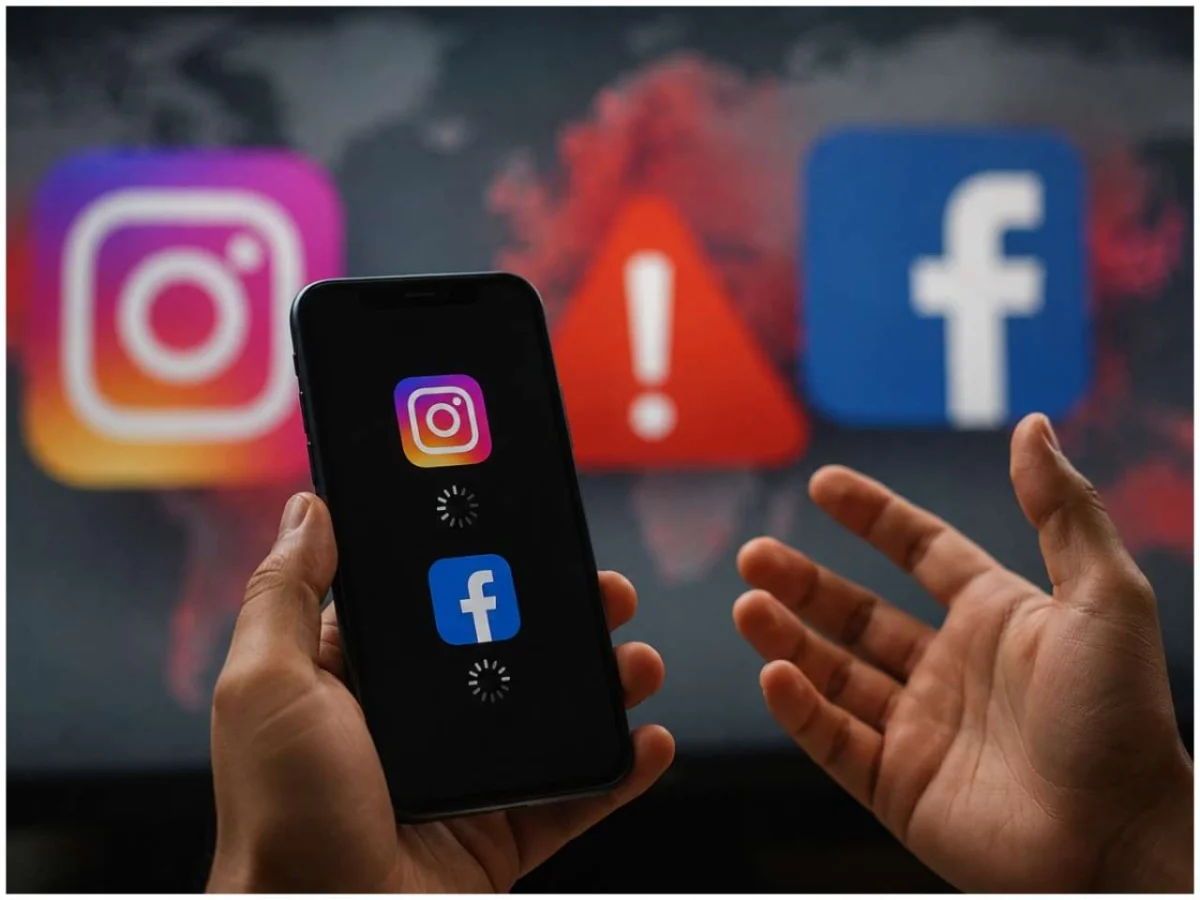
July 19, 2026 – A significant and prolonged outage has plunged millions of users across the globe into digital darkness, severely impacting Meta’s flagship platforms, Instagram and Facebook. As of late Sunday afternoon, users in numerous countries reported critical issues with logging in, posting new content, and updating their news feeds, effectively severing their connection to two of the world’s most ubiquitous social networks. The disruption, which commenced in the early afternoon hours, has sparked widespread frustration and concern, while Meta, the parent company, has yet to issue an official statement regarding the cause or expected resolution time.
The unprecedented scale of the outage has underscored the profound reliance individuals and businesses place on these platforms for communication, commerce, and daily social interaction. Real-time outage trackers, most notably Downdetector, have recorded an alarming surge in complaints, indicating a systemic failure rather than isolated incidents.
Widespread Digital Disruption Grips Global Users
The digital world experienced a sudden jolt on Sunday, July 19, 2026, as Meta’s colossal platforms, Instagram and Facebook, succumbed to a major technical malfunction. From casual users trying to share weekend updates to businesses managing their online presence, the impact has been immediate and far-reaching. The core of the problem appears to be a multi-faceted failure affecting critical functionalities that define the user experience on both platforms.
)
Millions Affected Across Continents
Reports of the outage began to flood in from various continents, suggesting a truly global reach for the disruption. From North America to Europe, Asia, and beyond, users found themselves locked out or unable to interact with the platforms as expected. The sheer volume of affected individuals is staggering, potentially numbering in the hundreds of millions, given the combined user base of Instagram and Facebook, which collectively serve billions worldwide. This widespread impact highlights the interconnected nature of the digital ecosystem and the ripple effects when a major player like Meta faces significant technical challenges.
Symptoms: A Frustrating User Experience
The symptoms reported by users were consistent and deeply frustrating. Many attempted to log into their accounts only to be met with error messages, endless loading screens, or an outright failure to connect to the servers. For those already logged in, the ability to post new photos, videos, or text updates was severely curtailed or non-existent. Furthermore, the dynamic nature of the social media feed, a cornerstone of user engagement, ceased to function, with users unable to refresh their feeds to see new content from friends, family, or pages they follow. This complete breakdown of core functionalities has left users feeling disconnected and disoriented in a world increasingly reliant on instant digital communication.

A Chronology of Disconnect
The outage unfolded rapidly, escalating from isolated reports to a global phenomenon within a few hours, painting a stark picture of the fragility of even the most robust digital infrastructures.
Initial Tremors: Early Afternoon Reports
The first indications of trouble began surfacing around 1 PM UTC (Coordinated Universal Time) on Sunday, July 19, 2026. Initially, these were scattered reports, easily dismissed as individual connectivity issues or app glitches. However, as the afternoon progressed, the volume of complaints grew exponentially, signaling a more systemic problem. Users began migrating to alternative platforms, predominantly X (formerly Twitter), to confirm if others were experiencing similar difficulties, transforming X into an impromptu hub for real-time outage verification.
)
Peak Disruption: 1 PM to 4 PM Surge
The period between 1 PM and 4 PM UTC marked the peak of the disruption. Downdetector, a widely recognized independent outage tracker, showed an unprecedented spike in reports for both Instagram and Facebook during these hours. The number of complaints soared into the hundreds of thousands, far exceeding typical daily fluctuations. This surge indicated that the problem was not only widespread but also deeply entrenched, affecting core services and preventing a significant portion of the user base from accessing essential features. The consistency of the complaints across geographical boundaries pointed towards a central infrastructure issue rather than localized network problems.
Sustained Issues: An Ongoing Digital Silence
Even beyond the initial peak, reports continued to pour in, demonstrating the persistence of the outage. As of late Sunday afternoon, many users were still struggling to log in, post, or refresh their feeds. The sustained nature of the disruption, coupled with the complete lack of official communication from Meta, exacerbated user frustration and uncertainty. The digital silence from the tech giant only added to the anxiety, leaving millions wondering when their access to these vital platforms would be restored. This prolonged period of inaccessibility underscored the depth of the technical challenge Meta was facing.
)
The Data Speaks: Unpacking the Outage Metrics
Independent data sources have been instrumental in quantifying the scale and impact of the ongoing Meta outage, providing objective insights into a situation otherwise characterized by user reports and official silence.
Downdetector’s Alarming Spikes
Downdetector, the real-time outage tracking website, served as the primary barometer for the unfolding crisis. Its graphs for both Instagram and Facebook showed near-vertical spikes in reported problems, reaching levels rarely seen outside of major global outages. For Instagram, reports peaked at over 300,000 within the 1 PM to 4 PM UTC window, while Facebook saw a concurrent peak of over 250,000 reports. These figures represent only a fraction of the actual affected users, as many do not actively report issues on such platforms. The sheer magnitude of these numbers clearly indicated a critical failure impacting a substantial segment of Meta’s global user base.
)
Geographical Footprint of the Failure
While specific country-by-country data was still being compiled, initial heat maps on Downdetector indicated major concentrations of reports emanating from metropolitan areas across North America, Western Europe, parts of Asia, and Australia. This broad geographical distribution strongly suggested a problem with Meta’s core global infrastructure, rather than a localized internet service provider (ISP) or regional network issue. The simultaneous impact across diverse regions underscored the interconnectedness of Meta’s vast server farms and data centers that underpin its global operations.
Economic Ripple Effects: Businesses in Limbo
Beyond individual users, the outage has had significant economic ripple effects. Thousands, if not millions, of small and medium-sized businesses (SMBs) worldwide rely heavily on Instagram and Facebook for marketing, customer engagement, and direct sales. E-commerce stores that use Instagram Shopping, entrepreneurs who run Facebook Ads, and content creators who monetize their presence on these platforms found their operations grinding to a halt. Estimates suggest that even a few hours of downtime can translate into millions of dollars in lost advertising revenue for Meta and billions in lost sales and marketing opportunities for businesses globally. The inability to communicate with customers or process orders during a crucial weekend period could have lasting financial consequences for many.
)
A Troubling Pattern? Historical Context of Meta Outages
This latest incident is not an isolated event in Meta’s history. The tech giant has faced several significant outages in recent years, prompting questions about the resilience and redundancy of its vast infrastructure. Notable past incidents include:
- October 2021: A near six-hour outage that took down Facebook, Instagram, and WhatsApp, attributed to a faulty configuration change on its backbone routers, which effectively disconnected Meta’s data centers from the rest of the internet. This incident cost the company an estimated $60 million in ad revenue.
- March 2024: Another major outage affected Facebook, Instagram, and Messenger, causing login issues and feed refresh failures for several hours. Meta later attributed this to a "technical issue."
These recurring disruptions, while varying in cause and duration, contribute to a narrative of vulnerability in Meta’s otherwise robust systems. Each incident raises renewed concerns among users and businesses about the reliability of platforms that have become integral to modern life and commerce.
)
Awaiting Official Word: Meta’s Silence Amidst the Storm
Perhaps one of the most striking aspects of the ongoing outage is the complete absence of official communication from Meta. As frustration mounted globally, the company’s official status pages and social media channels remained conspicuously silent, offering no explanation, apology, or timeline for resolution.
The Expectation of Transparency
In an era where tech companies are expected to provide timely updates during service disruptions, Meta’s silence has been particularly jarring. Users and businesses alike anticipate transparency and swift communication during such critical events. An official acknowledgement of the problem, even without a definitive cause or resolution time, can significantly mitigate user anxiety and manage expectations. The lack of any statement, however, leaves a vacuum filled with speculation and heightened frustration. This communication gap further underscores the challenges faced by the company in addressing the root cause of the outage.
)
X (formerly Twitter) Becomes the Digital Town Square
In the void left by Meta’s silence, X (formerly Twitter) once again emerged as the de facto global town square for outage discussions. Users flocked to the platform to vent their frustrations, share real-time updates, and confirm the scope of the problem. Hashtags like #InstagramDown and #FacebookDown quickly trended worldwide.
Netizens, ever resourceful, turned to humor to cope with the digital disconnection. One user, @_techibee, shared a video illustrating the struggle to upload an Instagram Reel, perfectly capturing the shared frustration. Another, @TigerVishkit, posted a humorous video depicting the supposed joys of "normal life" without social media, showing a parent oblivious to their child’s mishap, a satirical commentary on digital distraction. These posts, while lighthearted, highlight the profound impact of these platforms on daily routines and the collective coping mechanisms employed when they fail. The rapid aggregation of user experiences on X provided an informal, yet powerful, testament to the global nature of the outage.
)
Decoding the Potential Causes: Expert Speculation
While Meta remains tight-lipped, cybersecurity and network infrastructure experts have begun to speculate on the potential technical culprits behind such a widespread and persistent outage. Given the global scale and the nature of the reported issues, several common causes for major internet service disruptions come to mind.
The Usual Suspects: DNS, BGP, and Server Woes
- DNS (Domain Name System) Issues: Often dubbed the "phonebook of the internet," DNS translates human-readable domain names (like instagram.com) into IP addresses that computers understand. A misconfiguration or failure in Meta’s DNS servers could prevent users’ devices from locating the correct servers for Instagram and Facebook, leading to login failures and inability to access content. This was a significant factor in the 2021 Meta outage.
- BGP (Border Gateway Protocol) Routing Problems: BGP is the protocol that directs internet traffic between different networks. A faulty update or configuration error in Meta’s BGP routing could inadvertently "disconnect" its networks from the wider internet, making its services unreachable. This is akin to removing the road signs that direct traffic to Meta’s data centers.
- Server Overload or Hardware Failures: A sudden, unexpected surge in traffic, perhaps combined with underlying hardware issues in Meta’s vast server farms, could lead to system overloads and crashes. While Meta’s infrastructure is designed for immense scale, cascading failures in critical server clusters or data centers can still occur.
Software Glitches vs. Hardware Failures
The distinction between software glitches and hardware failures is crucial for understanding the potential resolution timeline. A software bug, such as a faulty code deployment or configuration change, can sometimes be rectified relatively quickly with a rollback or patch. However, if the outage stems from a widespread hardware failure – perhaps in a critical data center or network component – the physical replacement or repair process can be significantly more time-consuming and complex, potentially extending the downtime for hours or even days. Until Meta provides an official explanation, the exact technical cause remains a matter of expert conjecture.
)
Far-Reaching Implications of a Global Shutdown
The prolonged outage of Instagram and Facebook carries implications that extend far beyond mere inconvenience, touching upon economic stability, social interaction, and trust in digital infrastructure.
The Frustration of Digital Disconnection
For many, social media platforms are not just tools but integral parts of their daily lives. The inability to connect with friends, share experiences, or simply scroll through feeds can lead to significant psychological frustration, feelings of isolation, and even anxiety. In a world increasingly reliant on digital connections, sudden disconnection can feel disorienting and disruptive to personal routines and social interactions. The shared experience of being "offline" together, paradoxically, created a collective sense of frustration on platforms that were still accessible.
)
Impact on Content Creators and Small Businesses
The economic ramifications of the outage are particularly severe for content creators and small businesses. Influencers and digital marketers who rely on Instagram for their livelihood saw their income streams paused. Small businesses, many of whom have built their entire presence and customer base on Facebook and Instagram, were unable to process orders, respond to customer inquiries, or run crucial advertising campaigns. This direct financial hit, even for a few hours, can be detrimental, especially for businesses operating on thin margins. It highlights the vulnerability of enterprises that are solely dependent on third-party platforms for their operations.
Erosion of Trust and Brand Reputation
Frequent or prolonged outages can significantly erode user trust and damage a company’s brand reputation. Users expect reliability from platforms that are so deeply integrated into their lives. Each incident raises questions about Meta’s commitment to robust infrastructure and its ability to maintain consistent service. This erosion of trust can lead to users exploring alternative platforms, potentially impacting Meta’s market share and advertising revenue in the long run. The silence from Meta during the crisis only exacerbates these concerns, making users question the company’s transparency and accountability.
)
The Broader Picture: Society’s Digital Dependence
This outage serves as a stark reminder of society’s growing dependence on a handful of powerful tech companies for essential communication and information dissemination. When platforms like Instagram and Facebook go down, it exposes the fragility of this digital infrastructure and prompts critical discussions about digital resilience, diversification of online tools, and the potential risks of centralized control over global communication channels. It underscores the need for robust contingency plans, both for individuals and businesses, that do not solely rely on a single digital ecosystem.
Navigating the Digital Blackout: Advice for Users
While the immediate instinct during an outage might be to panic or repeatedly try to log in, there are more constructive steps users can take to verify the problem and manage the situation.
)
Verifying the Outage: Beyond Personal Experience
The first step when encountering issues with Instagram or Facebook is to confirm that the problem is widespread and not isolated to your device or network.
- Check Downdetector: Visit Downdetector.com and search for Instagram or Facebook. A significant spike in reports indicates a general outage.
- Consult X (formerly Twitter): Search for hashtags like #InstagramDown or #FacebookDown. If these are trending, it’s a strong indicator of a widespread issue.
- Ask Friends/Colleagues: A quick message to a friend can confirm if they are experiencing similar problems.
Practical Troubleshooting Steps
While a global outage typically cannot be resolved by individual troubleshooting, these steps can help rule out local issues:
)
- Switch Connectivity: Try toggling between Wi-Fi and mobile data to see if the issue is network-specific.
- Restart the Application: Close and reopen the Instagram or Facebook app completely.
- Restart Your Device: A full reboot of your smartphone or computer can sometimes clear minor glitches.
- Use a Different Browser/Device: Attempt to access the platforms from a different web browser or another device (e.g., a laptop instead of a phone).
- Check for App Updates: Ensure your Instagram and Facebook apps are updated to the latest version. Outdated apps can sometimes cause connectivity issues.
- Avoid Repeated Login Attempts/Password Resets: If the issue is with Meta’s servers, repeatedly trying to log in or reset your password will not help and could potentially lead to your account being temporarily locked as a security measure.
The Virtue of Patience and Official Updates
Ultimately, the most effective approach during a major outage is patience. Until Meta provides an official update, individual efforts to troubleshoot will likely be futile if the problem lies with their core infrastructure. Users are advised to monitor official Meta channels (like the Meta Newsroom or their corporate X accounts, if functional) and reliable news sources for official announcements regarding the outage’s status and resolution.
Looking Ahead: The Path to Resilience
This latest outage serves as a critical stress test for Meta’s infrastructure and its communication protocols. As the world becomes increasingly digital, the expectations for reliability from such foundational platforms will only grow.
)
Investing in Robust Infrastructure
Meta, like other tech giants, continuously invests in its global network and data centers. However, recurring outages highlight the need for even greater emphasis on redundancy, disaster recovery, and fault tolerance. This includes geographically diverse data centers, automated failover systems, and rigorous testing of new software deployments to prevent cascading failures. The lessons learned from this incident will undoubtedly inform future infrastructure investments and architectural decisions.
Enhancing Communication Protocols
Beyond technical fixes, Meta’s response to this outage will also be scrutinized from a public relations perspective. Developing clearer, more proactive communication protocols for major incidents is paramount. This includes establishing dedicated status pages, utilizing alternative communication channels (like X) effectively during outages, and providing transparent updates, even if they simply acknowledge the problem and state that an investigation is underway. Timely and honest communication can go a long way in preserving user trust and mitigating widespread frustration.
)
Conclusion
The widespread outage affecting Instagram and Facebook on July 19, 2026, represents a significant disruption to global digital connectivity. While millions grappled with login issues, posting failures, and inaccessible feeds, Meta remained silent, leaving users and businesses in limbo. The incident, tracked by a massive surge in complaints on platforms like Downdetector and X, underscores the profound dependence of modern society on these digital ecosystems. As the world awaits an official explanation and resolution from Meta, the outage serves as a stark reminder of the fragility of even the most advanced digital infrastructures and the far-reaching implications when they falter. The path forward for Meta will not only involve restoring service but also reaffirming trust through enhanced technical resilience and transparent communication.
