

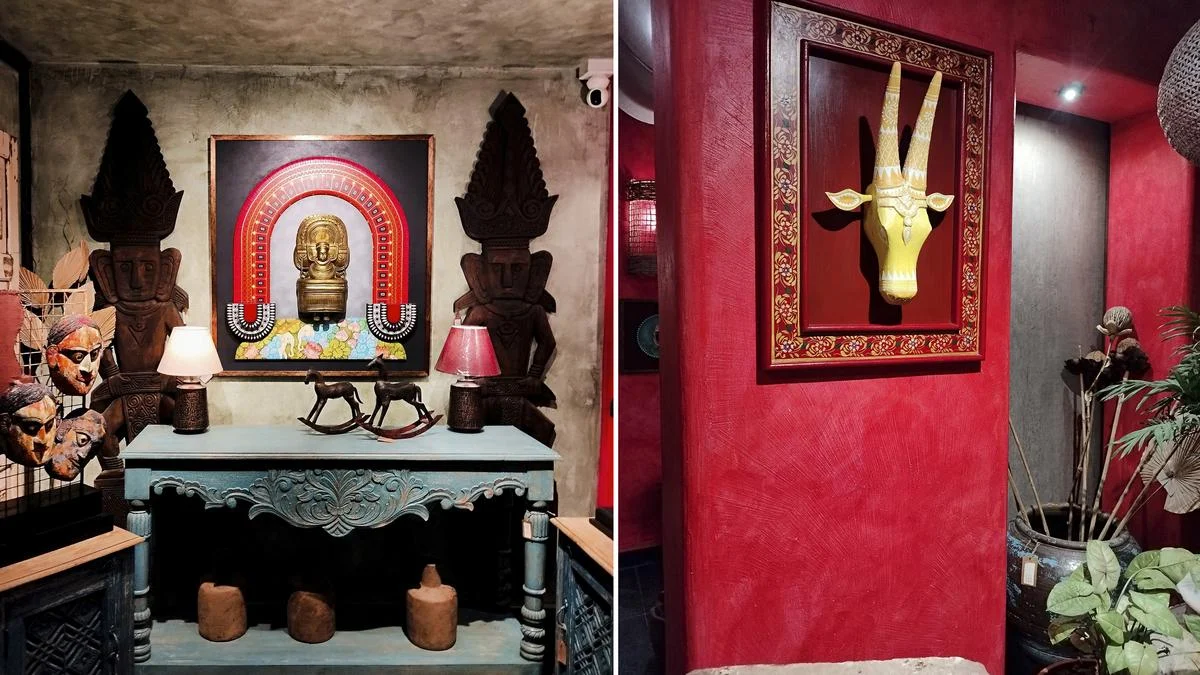
Hyderabad, India – The allure of bygone eras is no longer confined to the hushed interiors of private collections in Hyderabad. A vibrant resurgence of interest in antique objects is breathing new life into the city’s heritage, extending their presence far beyond the traditional collector’s sphere. From the opulent settings of weddings and themed events to the atmospheric ambiance of cafes and the authenticity of film productions, vintage pieces are finding new purpose, captivating a diverse clientele and reshaping the city’s aesthetic landscape.
This growing visibility has not only brought antiques into the public eye but has also created significant new opportunities for dealers. Once the domain of discerning collectors seeking tangible links to history, these treasures are now being sought after for their decorative and functional value, signaling a broader appreciation for their intrinsic beauty and the stories they carry.
The Shifting Tides of Antique Acquisition
For antique dealers in Hyderabad, the paradigm shift is palpable. Rizwan Ali, whose family has been immersed in the antique trade for three generations at Moghal Arts in Darulshifa, observes a dramatic transformation in customer intent. "Nearly 70% of our customers now purchase antiques for décor rather than as collector’s items," he states, highlighting a significant departure from past trends. This newfound demand is fueling interest in a wide array of vintage objects, with items like vintage telephones, gramophones, radios, and intricately carved wooden artefacts emerging as particularly popular choices.
This democratization of antique appreciation means that the market now caters to a broader spectrum of budgets. For those seeking to add a touch of vintage charm without a substantial investment, smaller decorative pieces like porcelain dishes and dolls are available starting from approximately ₹800. Moving up in price, vintage telephones typically range between ₹4,000 and ₹8,000, while the nostalgic charm of a gramophone can be acquired for upwards of ₹5,000. For those with a larger budget and a vision for a statement piece, antique tables and mirrors can command prices exceeding ₹10,000, with their value escalating based on age, condition, and rarity. Even more accessible entry points for novice buyers exist in the form of affordable coins and postcards, while truly unusual or historically significant pieces can command premium prices, reflecting their unique provenance.

A Historical Perspective: From Nizams to Contemporary Appeal
Rizwan Ali reminisces about a stronger era for the antique trade in the 1990s, when original objects directly linked to Hyderabad’s illustrious Nizams and nawabs were more readily available. "Sourcing genuine antiques has become tougher today," he admits, noting that many significant pieces have found their way into museums or exclusive private collections. This scarcity, however, has not diminished the allure; rather, it has intensified the desire for authentic artifacts.
Despite the challenges in sourcing, interest in antiques has broadened significantly beyond the traditional collector base. International visitors, in particular, are often captivated by the narratives embedded within these objects, seeking to understand their historical context and significance. Local buyers, on the other hand, frequently arrive with a pre-existing awareness of Hyderabad’s rich history, possessing a more nuanced understanding of the distinctions between genuine antiques and their modern counterparts.
The demographic engaging with Hyderabad’s antique scene is also remarkably diverse. Individuals in their 20s and senior citizens alike continue to express a keen interest in original Nizam-era objects. Younger buyers, while drawn to the aesthetic appeal, often gravitate towards smaller, more manageable pieces, frequently acquiring them as thoughtful gifts for older family members. This intergenerational appeal underscores the timeless quality and enduring charm of these historical artifacts.
Mirza Azhar Ali Baig, popularly known as Saleem, a proprietor at Moughal Arts & Decoration House in Banjara Hills, echoes this sentiment of burgeoning interest. His curated collection boasts an impressive array of gramophones, vintage watches, typewriters, and exquisite porcelain dolls, many of them originating from England and bearing the hallmarks of renowned brands like Wedgwood. Saleem’s own upbringing, influenced by his mother’s familial ties to the esteemed Salar Jung family, instilled in him a deep appreciation for historical objects. He traces Hyderabad’s rich culture of collecting back to the traditions of the city’s Nawabs and the Salar Jung family, renowned for their acquisition of diverse global treasures, including Japanese ceramics, Turkish artefacts, and European collectibles.

Saleem notes that customers over the age of 45 exhibit a particular enthusiasm for delving into the historical context of their purchases. For younger visitors, he often acts as a cultural guide, recommending books such as Krishna Swamy Mudiraj’s "Pictorial Hyderabad" and encouraging them to immerse themselves in the city’s museums. "Curiosity is important," he emphasizes, highlighting the crucial role of education in fostering a deeper connection with these historical artifacts.
Authenticity in the Age of Reproduction
As the demand for antiques continues to climb, dealers are also encountering a growing confusion between genuine originals and modern replicas. Antiques, by definition, are objects that have achieved a minimum age of a century and are often handcrafted, lending each piece a unique character. Replicas, conversely, are contemporary reproductions meticulously designed to mimic the appearance of older items.
For seasoned collectors, the distinction between an original antique and a replica often lies in the intrinsic craftsmanship. Saleem points out that many antique objects were fashioned entirely by hand, featuring intricate detailing and decorative elements crafted from precious materials such as crystals and gems. It is this exceptional level of workmanship, he observes, that continues to captivate buyers even decades later, transcending the mere passage of time.
Old Objects, New Purposes: The Fusion of Heritage and Modernity
The renewed appreciation for antiques is not solely about accumulating historical relics; it is also about reimagining their utility in contemporary life. Across Hyderabad, a growing movement is transforming vintage objects into functional pieces that seamlessly blend history with modern living. Brass utensils, once used for culinary purposes, are now finding new life as elegant planters, while the resonant horns of gramophones are being ingeniously repurposed into striking hanging lights. Vintage materials are being creatively incorporated into contemporary design pieces, appealing to a clientele that values traditional craftsmanship but desires items that complement their modern living spaces.

At Yellow Verandah, Amir Shah Syed observes that many customers arrive with a clear vision for their antique acquisitions, often inspired by the visual feast presented on platforms like Pinterest and Instagram. He identifies a key challenge in effectively communicating the historical narratives and unique stories behind these objects to a younger generation. "Unless you explain the history and uniqueness of these pieces to Gen Z, they are not drawn towards them," he explains, underscoring the importance of engaging storytelling in connecting with this demographic.
Studios specializing in this innovative fusion of old and new frequently collaborate with final-year art students. Meena, a student from JNAFAU, describes the process as a deeply collaborative endeavor. Artists begin by drawing inspiration from existing references, develop thematic concepts, engage in extensive discussions with their teams, and ultimately translate these ideas into finished products. She finds immense satisfaction in witnessing a customer’s delight upon purchasing a completed piece, describing it as one of the most rewarding aspects of her work.
Preserving the Past, Enriching the Present
Whether adorning a modern living room, providing an authentic backdrop for a film set, adding character to a chic café, or being reimagined into a cutting-edge design object, antiques in Hyderabad continue to serve as a profound connection to the city’s rich and multifaceted past. Their enduring appeal lies not just in their aesthetic qualities but in the invaluable stories they meticulously preserve, offering a tangible link to generations gone by and enriching the cultural tapestry of contemporary Hyderabad. The antique trade, once a niche pursuit, is now a vibrant testament to the enduring power of history and craftsmanship in shaping our present and future.
