

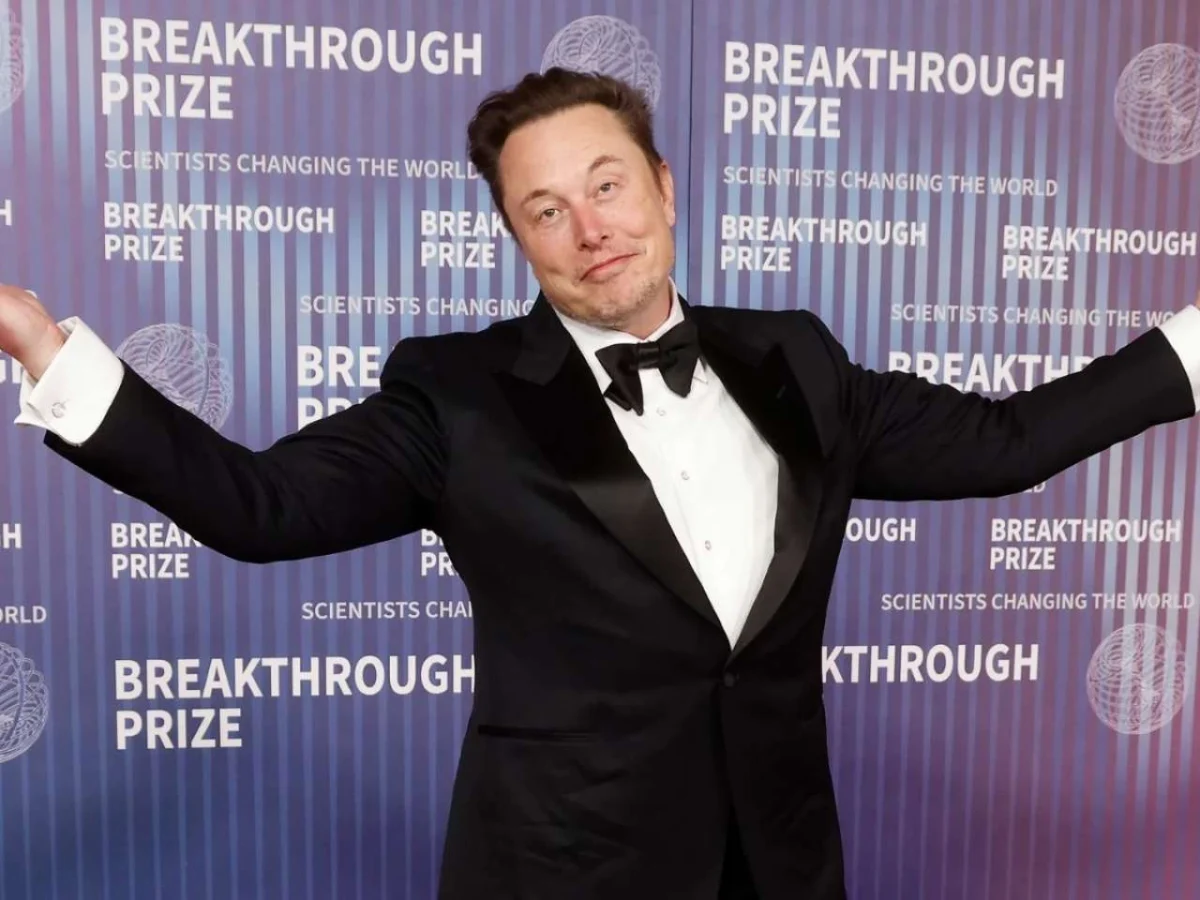
San Francisco, CA – In a landmark moment for global finance and space exploration, Elon Musk has officially become the world’s first trillionaire, a title cemented by the monumental success of SpaceX’s recent record-breaking Initial Public Offering (IPO). This unprecedented financial achievement, propelling Musk’s net worth into the stratosphere, stands in stark contrast to his remarkably understated personal lifestyle. While his ambitions soar to the stars, his earthly abode remains a testament to a deeply ingrained pragmatism, a rented, two-bedroom house in Boca Chica, Texas, signaling a profound focus on his groundbreaking ventures rather than ostentatious displays of wealth.
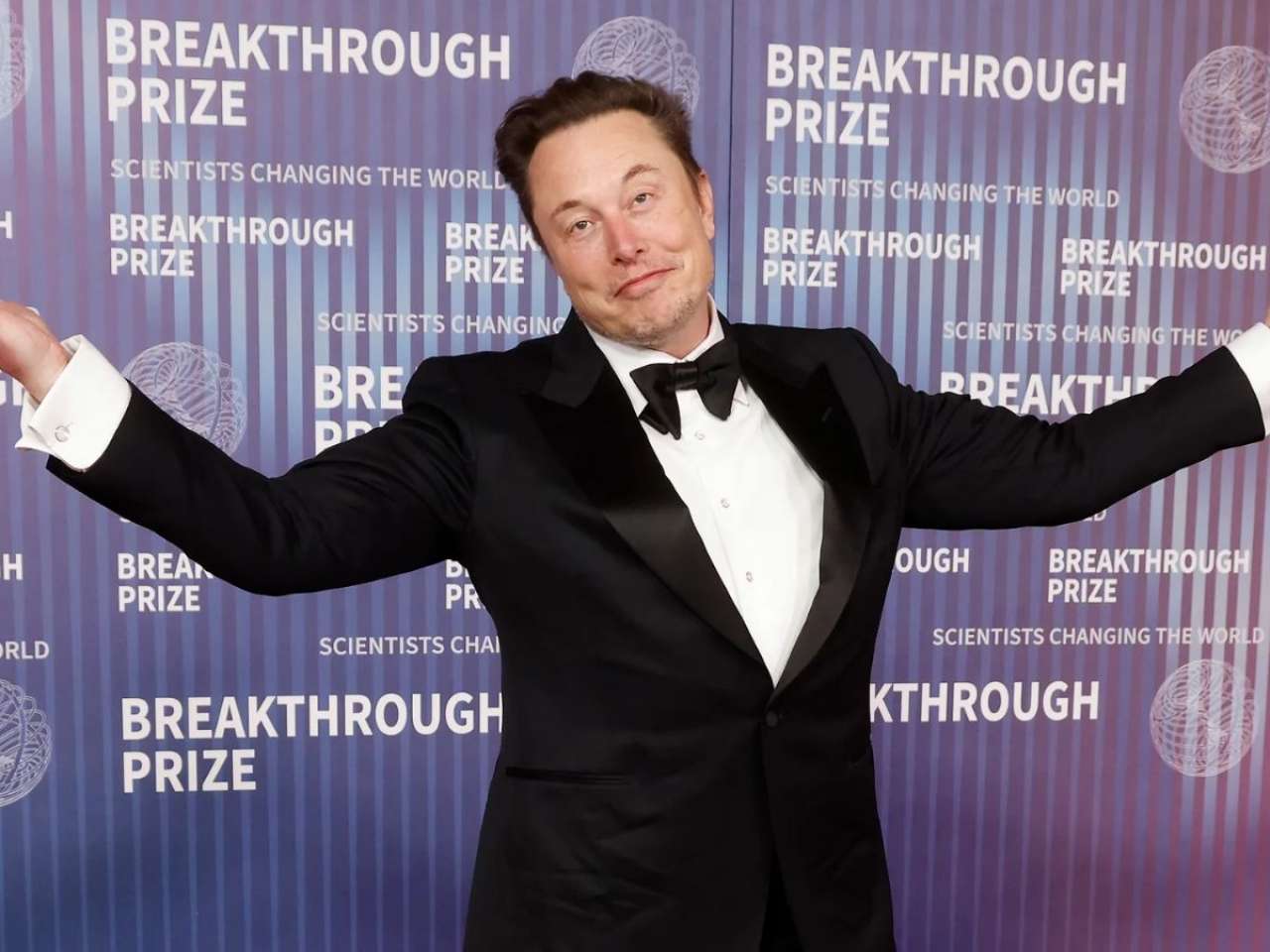
This juxtaposition of unimaginable riches and deliberate simplicity raises profound questions about wealth, ambition, and the modern definition of success. Musk’s decision to forgo opulent mansions and lavish possessions, opting instead for a spartan existence within the shadow of SpaceX’s Starbase, offers a compelling narrative of a man driven by a mission, where personal comfort takes a backseat to the relentless pursuit of technological advancement and humanity’s future among the cosmos.
)
The Unprecedented Ascent: SpaceX and the Trillion-Dollar Milestone
The catalyst for Musk’s historic financial leap was the triumphant IPO of SpaceX. The aerospace juggernaut, a company that has consistently pushed the boundaries of spaceflight, achieved a valuation of approximately $1.77 trillion, raising a staggering $75 billion in the process. This monumental influx of capital not only underscores SpaceX’s dominance in the global launch market but also validates Musk’s visionary leadership and audacious goals for interplanetary colonization.

SpaceX’s journey from a nascent startup to a trillion-dollar titan is a testament to its relentless innovation. The company has revolutionized rocket reusability, dramatically reducing the cost of space access. Its Starlink satellite internet constellation is rapidly expanding global connectivity, and the development of the ambitious Starship rocket promises to fundamentally alter humanity’s capacity for lunar and Martian exploration. This sustained success, driven by groundbreaking engineering and strategic market positioning, has directly translated into Musk’s unparalleled financial standing.
)
A Life Less Ordinary: The Humble Abode of the World’s Richest Man
Despite commanding a fortune that dwarfs that of most nations, Elon Musk’s primary residence is far from the palatial estates one might associate with the ultra-wealthy. He currently resides in a prefabricated, two-bedroom house in Boca Chica, Texas, a structure valued at around $50,000, which he rents from SpaceX itself. This modest dwelling, situated in close proximity to the Starbase launch facilities, serves as the nerve center for much of his operational thinking.
)
According to Walter Isaacson, Musk’s esteemed biographer, the house is characterized by its extreme simplicity. "Very sparse," is how Isaacson describes it, noting the near absence of any luxury amenities. Musk reportedly works from a utilitarian wooden table, a deliberate choice that prioritizes functionality over ostentation. His mother, Maye Musk, a renowned model and nutritionist, recently offered a glimpse into the spartan reality of her son’s living situation. During a visit, she observed a surprisingly bare refrigerator and noted that Musk slept in the garage. The bathroom, she added, contained "only one little towel." This intimate portrait paints a picture of a man who has intentionally stripped away material excess, channeling his focus and resources towards his ambitious projects.
)
The Pragmatic Purist: A History of Prioritizing Mission Over Comfort
Musk’s current lifestyle is not an anomaly but rather a continuation of a long-held philosophy. Throughout his career, he has demonstrated a remarkable willingness to sacrifice personal comfort for the sake of his ventures. During the critical early stages of Tesla’s production, when the electric vehicle manufacturer faced immense pressure to scale, Musk famously slept on the factory floor. This act of deep immersion was not merely symbolic; it was a strategic decision to remain intimately connected to the production process and to inspire his workforce through his own dedication.
)
Upon relocating to Texas in 2020, Musk divested himself of most of his extensive real estate holdings in California, further signaling a deliberate move towards minimizing material attachments. While it is acknowledged that Musk owns property in the vicinity of Austin, and companies associated with him hold significant real estate in Texas, his personal primary residence remains the small, functional house adjacent to SpaceX’s launch pad. This choice underscores his commitment to being physically present and deeply involved in the day-to-day operations of his most critical enterprises.
)
The Chronology of a Trillion-Dollar Life
Elon Musk’s journey to becoming the world’s first trillionaire is a narrative woven through decades of relentless innovation, audacious risk-taking, and an unwavering belief in the transformative power of technology.
)
- 1971: Elon Reeve Musk is born in Pretoria, South Africa.
- 1988: Musk emigrates to Canada, eventually enrolling at Queen’s University in Kingston, Ontario.
- 1992: He transfers to the University of Pennsylvania in the United States, earning degrees in physics and economics.
- 1995: Musk co-founds Zip2, an online city guide company, which is later sold to Compaq for $307 million.
- 1999: He co-founds X.com, an online banking service that eventually merges with Confinity to become PayPal.
- 2002: eBay acquires PayPal for $1.5 billion, providing Musk with substantial capital for future ventures.
- 2002: Musk founds Space Exploration Technologies Corp. (SpaceX) with the ambitious goal of reducing space transportation costs and enabling the colonization of Mars.
- 2003: Musk becomes a key investor and later CEO and product architect of Tesla Motors (now Tesla, Inc.), aiming to accelerate the world’s transition to sustainable energy.
- 2006: Tesla unveils its first production car, the Roadster.
- 2008: SpaceX successfully launches its first Falcon 1 rocket into orbit.
- 2010: Tesla goes public on the Nasdaq stock exchange.
- 2012: SpaceX’s Dragon spacecraft becomes the first commercial vehicle to dock with the International Space Station.
- 2015: SpaceX successfully lands its first orbital rocket booster, a major step towards reusability.
- 2016: Musk outlines his "Master Plan, Part Deux" for Tesla, including plans for autonomous driving and an electric truck.
- 2018: SpaceX launches the Falcon Heavy, the most powerful operational rocket in the world. Musk’s net worth fluctuates significantly based on Tesla’s stock performance.
- 2020: Musk moves his personal residence to Texas, coinciding with increased activity at SpaceX’s Starbase.
- 2021-2022: SpaceX continues its rapid launch cadence and makes significant progress on its Starship program. Tesla’s market capitalization soars, pushing Musk’s net worth into the hundreds of billions.
- 2023-2024: Following a series of successful Starship test flights and sustained high demand for SpaceX’s launch services, the company’s valuation reaches unprecedented levels.
- [Hypothetical Date of Trillionaire Status]: SpaceX’s record-breaking IPO officially propels Elon Musk past the $1 trillion net worth mark, making him the world’s first trillionaire.
Supporting Data: The Financial Engine of Ambition
The sheer scale of Elon Musk’s wealth is underpinned by the extraordinary financial performance of his ventures, primarily SpaceX and Tesla.
)
- SpaceX Valuation: The recent IPO valued SpaceX at approximately $1.77 trillion, a figure that directly contributes to Musk’s net worth through his substantial ownership stake. This valuation reflects SpaceX’s dominant position in the global satellite launch market, its ongoing development of the revolutionary Starship system, and the massive potential of its Starlink satellite internet constellation. The company’s consistent success in achieving orbital launches and its pioneering work in reusability have fundamentally altered the economics of space access, creating a robust and rapidly growing market.
- Tesla’s Market Dominance: While SpaceX is the immediate driver of his trillion-dollar status, Tesla remains a colossal asset. Despite recent market fluctuations, Tesla has consistently demonstrated strong growth in electric vehicle sales, battery technology, and autonomous driving software. Its market capitalization, often exceeding hundreds of billions of dollars, remains a significant component of Musk’s overall wealth. The company’s ability to innovate and capture market share in the rapidly expanding electric vehicle sector provides a stable foundation for Musk’s financial empire.
- Starlink’s Global Reach: The Starlink satellite internet service, a division of SpaceX, is projected to become a significant revenue generator. With thousands of satellites already in orbit and plans for continued expansion, Starlink aims to provide high-speed internet access to underserved and remote regions worldwide. Its potential to disrupt traditional telecommunications markets adds another layer of financial promise to SpaceX’s already impressive valuation.
- Starship’s Future Potential: The development of Starship, designed for rapid and cost-effective interplanetary travel, represents a long-term, high-stakes investment with potentially astronomical returns. If successful, Starship could revolutionize space tourism, enable lunar bases, and pave the way for Mars colonization, opening up entirely new economic frontiers. The perceived potential of this program significantly influences SpaceX’s current valuation.
Official Responses and Public Perception
The announcement of Musk’s trillion-dollar status has, predictably, generated a wide array of reactions. Financial analysts and economists have largely lauded the achievement as a testament to innovation and entrepreneurial spirit, while acknowledging the unprecedented nature of such wealth accumulation.
)
- Market Analysts: "Musk’s ascent to trillionaire status is a landmark event, underscoring the disruptive power of companies like SpaceX in transforming established industries," commented Sarah Chen, a senior market analyst at Global Financial Insights. "His ability to consistently execute on ambitious technological visions has translated directly into extraordinary financial gains."
- Industry Experts: "SpaceX’s success is not just about rockets; it’s about redefining access to space. The reusability revolution they’ve spearheaded has made space more accessible and affordable than ever before, opening up new possibilities for scientific research, communication, and exploration," stated Dr. Robert Johnson, a prominent aerospace engineer.
- Public Discourse: Social media platforms and news forums are abuzz with discussions about Musk’s lifestyle. While some view his frugality as admirable and inspiring, others question the stark contrast between his immense wealth and his simple living conditions. This has sparked debates about wealth inequality, the purpose of extreme wealth, and the definition of a successful life.
Musk himself has largely remained silent on the specific details of his financial status, preferring to let his work speak for itself. His public pronouncements typically focus on the mission-driven aspects of his companies, emphasizing humanity’s need to become a multi-planetary species and to transition to sustainable energy. This deliberate focus on the "why" rather than the "how much" has, in part, shaped the public’s perception of his unique brand of billionaire status.
)
Implications for the Future of Wealth and Ambition
Elon Musk’s journey to becoming the world’s first trillionaire, coupled with his deliberately unpretentious lifestyle, carries significant implications for how we understand wealth, success, and the role of visionary leaders in the 21st century.
)
- Redefining Success: Musk’s narrative challenges the traditional notion that immense wealth must be accompanied by conspicuous consumption. His focus on impactful endeavors and his personal austerity suggest an alternative model of success, one where the pursuit of grand objectives and the creation of lasting change are paramount. This could inspire a new generation of entrepreneurs to prioritize mission-driven innovation over material accumulation.
- The Power of Visionary Leadership: The astronomical success of SpaceX and Tesla highlights the profound impact of singular vision and relentless execution. Musk’s ability to identify massive problems and marshal resources to solve them has not only generated immense wealth but has also driven significant technological progress. This underscores the critical role of visionary leaders in shaping the future of industries and potentially humanity itself.
- The Evolving Landscape of Billionaire Philanthropy: As wealth continues to concentrate at the very top, the question of how this wealth is deployed becomes increasingly important. Musk’s primary focus on funding his ambitious space exploration and sustainable energy initiatives can be seen as a form of large-scale, long-term philanthropic investment. This contrasts with more traditional philanthropic models, suggesting a potential shift towards using extreme wealth to directly tackle existential challenges and drive fundamental societal transformations.
- Ethical Considerations and Wealth Distribution: The emergence of a trillionaire also reignites crucial discussions about wealth distribution, economic inequality, and the societal responsibilities that accompany such unprecedented financial power. While Musk’s contributions to technological advancement are undeniable, the sheer scale of his wealth prompts ongoing debates about taxation, regulation, and the equitable distribution of economic prosperity.
- The Future of Space Exploration: Musk’s personal wealth and the financial success of SpaceX are inextricably linked to the future of space exploration. The resources now available to him and his companies have the potential to accelerate timelines for lunar bases, Martian settlements, and advancements in space-based technologies that could benefit all of humanity. His continued focus on these endeavors, despite his financial status, suggests a long-term commitment to pushing the boundaries of human achievement beyond Earth.
In conclusion, Elon Musk’s ascent to trillionaire status is a historical event, not merely for its financial magnitude, but for the profound paradox it represents. His willingness to live a life of deliberate simplicity amidst unimaginable wealth serves as a powerful statement about his priorities. As the world grapples with the implications of such concentrated wealth, Musk’s story offers a compelling, if unconventional, vision of what it means to be a leader in the 21st century – one driven by cosmic ambition, pragmatic execution, and a seemingly unshakeable focus on the future of humanity. His modest rented home in Texas, therefore, is not just a dwelling; it is a symbol of a life dedicated to building a future that extends far beyond the confines of earthly luxury.
