

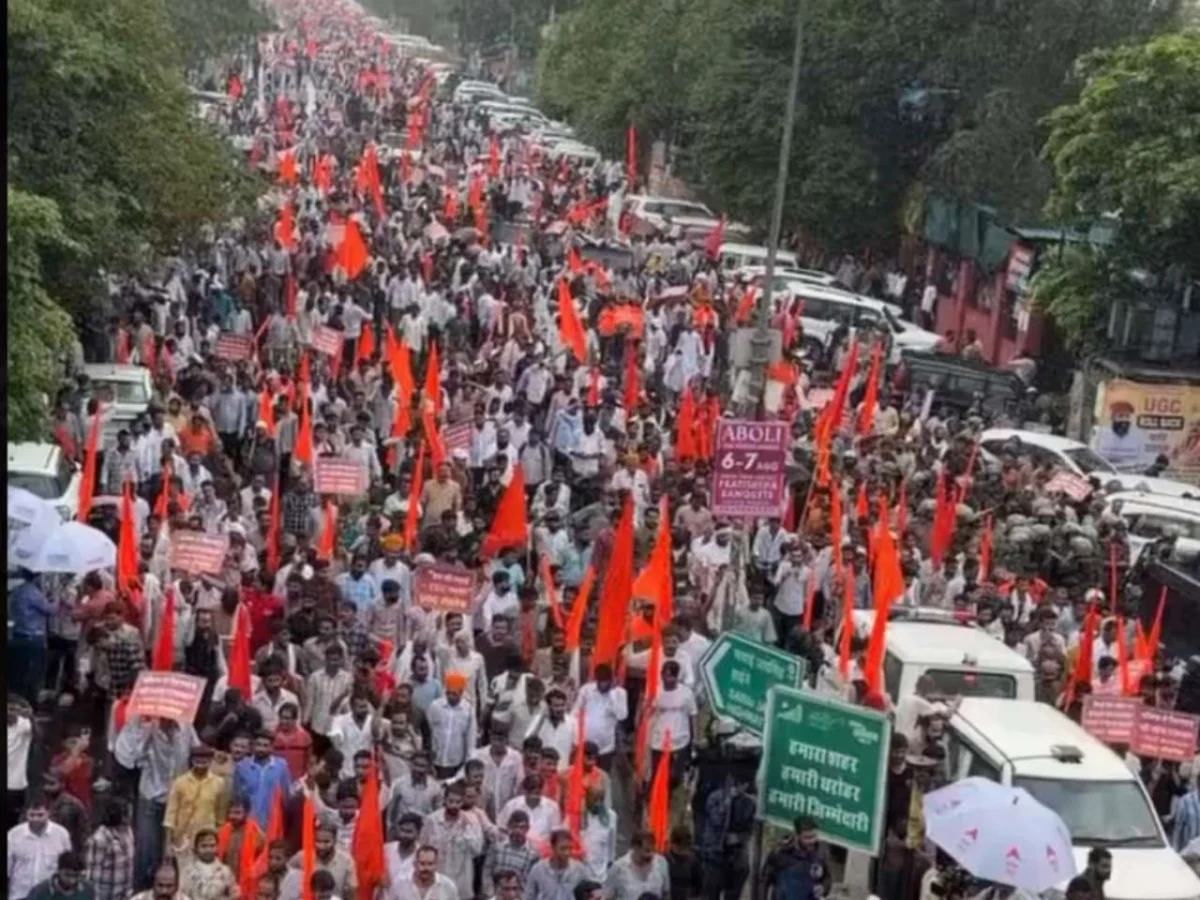
New Delhi, India – Weeks after the nation was gripped by widespread protests and scrutiny over alleged irregularities in the NEET-UG examination, a new and deeply divisive debate is rapidly escalating, commanding national attention. This time, the focus has shifted from academic integrity to the deeply entrenched system of caste-based reservations in education and public employment, reigniting a conversation that has long been a cornerstone of Indian socio-political discourse. Anti-reservation groups, bolstered by a potent online presence and increasingly visible street demonstrations, are effectively bringing the contentious issue of affirmative action back into the national spotlight.
While these burgeoning movements lack a singular, unifying organizational structure or a universally recognized leader, their collective voice is amplifying a set of shared demands. These range from a comprehensive review of the existing reservation framework to proposals for its outright replacement, signaling a significant challenge to the status quo that has shaped opportunities for millions of Indians for decades. The escalating visibility of these anti-reservation sentiments raises profound questions about meritocracy, social justice, and the very fabric of India’s affirmative action policies.
The Spark and the Spread: How the Movement Gained Traction
The current wave of anti-reservation sentiment appears to have been catalyzed by a confluence of factors, amplified by the recent surge of public anger surrounding the NEET-UG exam. One of the most prominent figures to emerge from this milieu is Harsh Dubey, a young activist whose passionate articulation against caste-based reservation during a television debate, ironically linked to the NEET paper leak, went viral across social media platforms. Dubey argued that the pressure exerted by the reservation system on students, coupled with perceived inequities, contributed significantly to the mental distress experienced by many aspirants.
Following his viral appearance, Dubey has cultivated a substantial following across various social media channels, granting numerous interviews and actively seeking permission to organize a protest at the iconic Jantar Mantar in Delhi. However, Dubey represents only one facet of a much broader and rapidly evolving movement that is gaining considerable traction, both in the digital realm and in public spaces across the country.
)
The "Reservation Hatao Andolan": A Digital Catalyst
At the vanguard of the online campaign is the "Reservation Hatao Andolan" (RHA), an Instagram-based movement initiated by a student named Vedant. This platform has witnessed an exponential surge in followers, amassing millions and consistently disseminating content advocating for significant reforms to India’s reservation policy. The RHA’s online strategy is characterized by a deliberate focus on fostering public discourse and raising awareness before translating online momentum into large-scale street demonstrations.
The movement has garnered support from a diverse array of public figures, including prominent academic Anand Ranganathan, journalist Ajeet Bharti, and writer-director Anuradha Tiwari. This broad spectrum of endorsement lends an air of legitimacy and wider appeal to the RHA’s agenda, positioning it as more than just a fringe movement. Unlike many protest movements that traditionally originate on the streets, the RHA has prioritized building a robust online dialogue, aiming to educate and mobilize a significant segment of the population before embarking on more tangible forms of activism.
)
The RHA’s Proposed Reforms: A Shift in Focus
The RHA, while vocal in its criticism of the current system, has strategically proposed a series of reforms rather than demanding an immediate and complete dismantling of reservations. This nuanced approach aims to broaden its appeal and address concerns from a wider demographic. The core of their argument hinges on the principle that "poverty has no caste," advocating for a shift in the basis of reservation from caste to economic status. This proposition seeks to decouple affirmative action from historical caste identities and anchor it in contemporary socio-economic realities.
Beyond this fundamental shift, the RHA has put forth several specific policy recommendations:

- Family-Based Cap: Limiting reservation benefits to one member per family to prevent the perpetuation of advantages across generations.
- Minimum Qualifying Marks: Introducing a standardized minimum qualifying mark for all categories to ensure a baseline level of academic merit.
- Unfilled Seats to General Category: Transferring any unfilled reserved seats to the general category to maximize utilization and address perceived scarcity for non-reserved candidates.
- Regular Review of Reservation Lists: Implementing periodic reviews of reservation rosters to ensure their continued relevance and efficacy.
- Gradual Phasing Out: Proposing a gradual de-escalation of reservation benefits as educational inequality diminishes over time, suggesting a pathway towards a more equitable system in the long term.
Furthermore, the RHA has voiced strong opposition to the University Grants Commission’s (UGC) 2026 Equity Regulations. The group contends that these regulations, while ostensibly aimed at promoting equity, potentially expand reservation without adequately addressing crucial concerns related to merit and fairness in the selection process.
From Digital Echoes to Street Confrontations
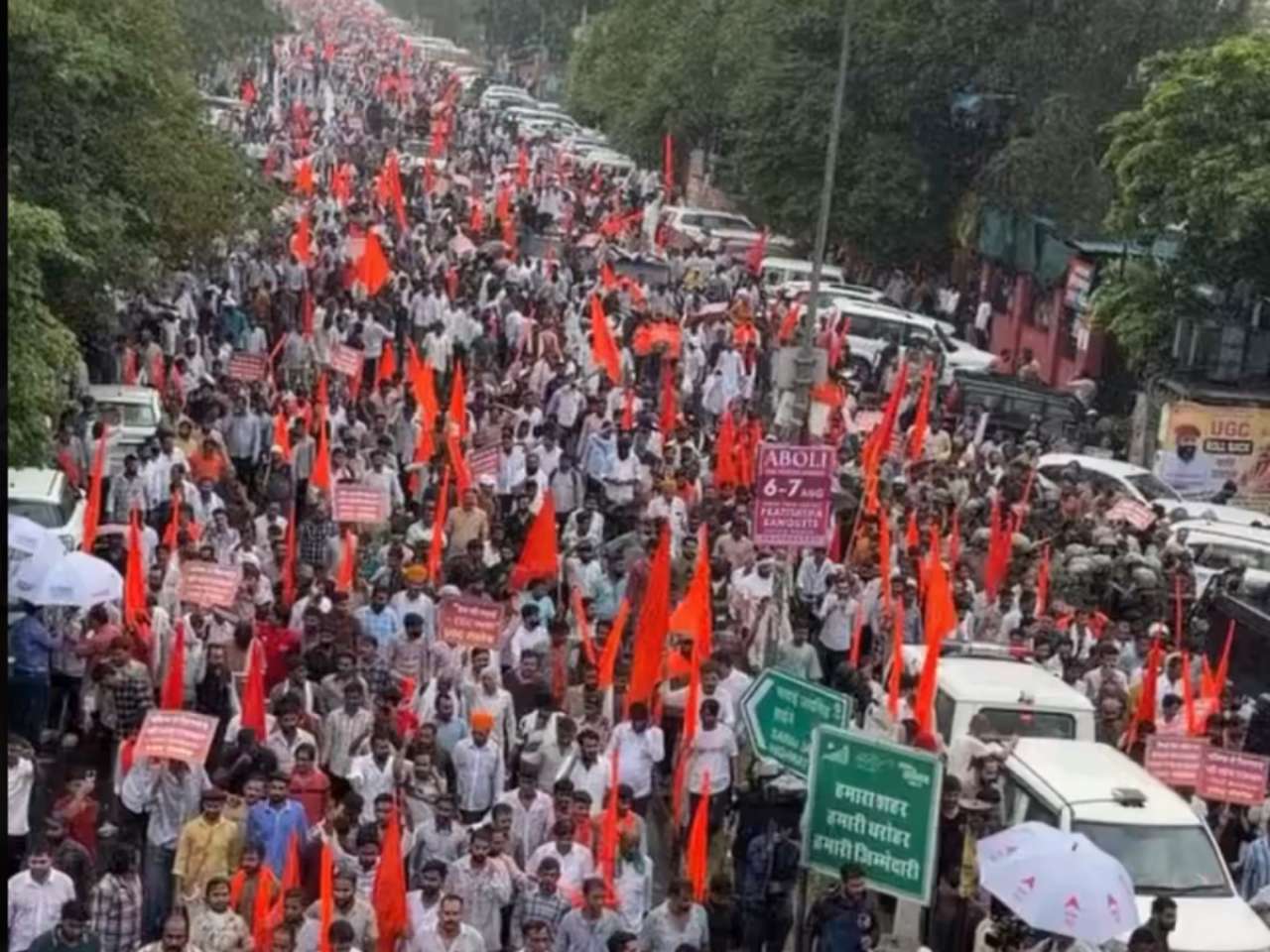
The anti-reservation movement is demonstrably transcending its online origins, with protests and demonstrations steadily migrating from social media feeds to public spaces across several Indian states. The RHA itself has initiated its first public rally in Nagpur, signaling its intent to galvanize a nationwide movement.
)
In Lucknow, the Savarna Morcha and Swarn Samaj have organized demonstrations specifically demanding the rollback of the UGC’s caste equity regulations and advocating for an end to caste-based reservations altogether. These protests highlight the growing unease among certain communities regarding the perceived expansion of reservation policies.
Perhaps the most dramatic manifestation of this street-level activism has been orchestrated by the Shri Rajput Karni Sena. Thousands of its members undertook a grueling 24-day, approximately 800-kilometer march to Jaipur, protesting the UGC regulations. The demonstration escalated into violence when protesters attempted to breach police barricades, leading to clashes with law enforcement. Beyond demanding the withdrawal of UGC rules, the Karni Sena has also called for a comprehensive review of all reservation-related laws and amendments to the existing Economically Weaker Sections (EWS) reservation framework.
)
A Political Tightrope: Government’s Cautious Stance
Despite the escalating public debate and the growing momentum of anti-reservation sentiments, mainstream political parties have largely maintained a conspicuous silence, deliberately avoiding a definitive stance on the issue. This reticence is understandable given the politically sensitive timing. With several Assembly elections slated to take place over the next year, reservation remains a potent electoral issue, particularly in states like Uttar Pradesh where caste dynamics continue to wield significant influence over political allegiances and outcomes.
The nuanced and often contradictory positions held by various political factions on reservation have historically made it a minefield. Consequently, leaders across the political spectrum appear to be adopting a cautious approach, preferring to observe the unfolding situation rather than immediately engaging in a debate that could alienate significant voter blocs. The government’s current silence suggests a strategic assessment of the potential political fallout before committing to any specific course of action.
)
A History of Reform: India’s Past Engagements with Reservation
The discourse surrounding reservation reform is not a novel phenomenon in India. The nation has a documented history of committees and commissions tasked with examining and recommending modifications to the existing affirmative action framework.
The Justice G. Rohini Commission, constituted in 2017, was a significant effort to address intra-community disparities within the Other Backward Classes (OBC) quota. Its primary recommendation was to divide the Central OBC quota into sub-categories, aiming to ensure a more equitable distribution of benefits among the diverse backward communities.
)
Similarly, the BP Sharma Expert Committee proposed measures to simplify the criteria for identifying the OBC "creamy layer," a segment of the socially advanced individuals within OBC communities who are deemed ineligible for reservation benefits.
However, it is crucial to note that neither of these significant governmental interventions recommended the complete replacement of caste with income as the sole criterion for reservation, nor did they advocate for the outright abolition of the existing system. Their focus was primarily on refining and streamlining the application of reservation policies within the existing constitutional framework. The current anti-reservation movements, with their more radical proposals, represent a departure from these past reformist approaches.
)
Defending the Constitutional Mandate: Counterarguments and Resistance
The rising tide of anti-reservation sentiment has, as expected, met with robust opposition from those who view reservation as a vital tool for social justice and historical redressal. Union Minister of State for Social Justice, Ramdas Athawale, has been a vocal critic of the anti-reservation campaigns. He has firmly asserted that reservation is a constitutional right, enshrined in the fabric of Indian law, and cannot be arbitrarily revoked. Athawale has also issued a stern warning, indicating that any attempts to dismantle the reservation system would be met with significant resistance from the communities that have historically fought for these rights and continue to rely on them for social mobility. This statement underscores the deep-seated commitment of many to the existing framework and highlights the potential for significant social friction if the anti-reservation movement gains further traction without adequate counter-balancing discourse.
The Path Forward: Fragmentation and the Quest for Unity
As the anti-reservation debate intensifies, the movement itself remains characterized by a degree of fragmentation. Harsh Dubey is actively working to consolidate support through public protests, aiming to build momentum from the ground up. The RHA, on the other hand, is strategically leveraging its online presence to foster a broad-based dialogue and cultivate a digital army of supporters. Concurrently, organizations like the Shri Rajput Karni Sena are pursuing their own distinct agendas and forms of agitation, often with a more focused demand for immediate policy changes.
)
The ultimate trajectory of this burgeoning movement will likely hinge on its ability to overcome these internal divisions. The critical factors determining its evolution into a truly nationwide force will include the development of cohesive leadership, the articulation of a unified and broadly acceptable agenda, and the sustained mobilization of public support. For now, the debate surrounding reservation has undeniably re-entered the mainstream of public discourse. Both proponents and critics are gearing up for what promises to be one of the most politically sensitive and socially impactful discussions India has faced in recent memory, a testament to the enduring complexities of its quest for equality and opportunity.
