

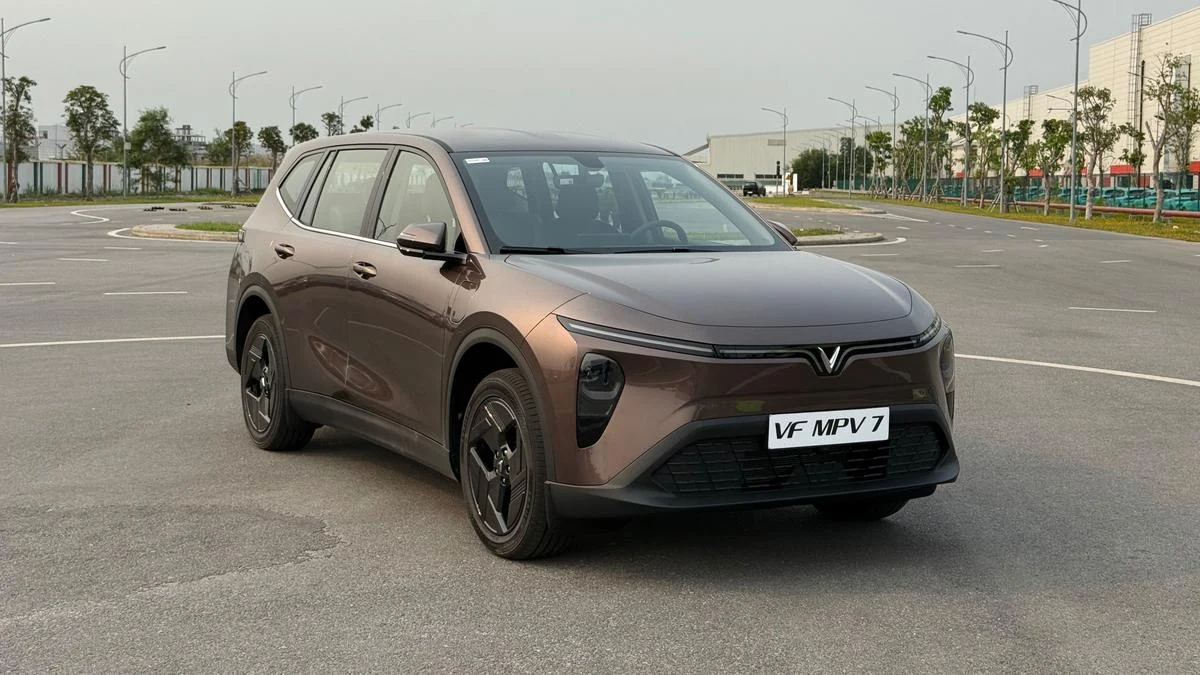
The Indian automotive landscape is currently navigating a pivotal transition. While the initial wave of electric vehicle (EV) adoption was driven by tech enthusiasts and luxury buyers, the "second wave" demands something more grounded: practicality, affordability, and family-centric utility. It is within this context that the Vietnamese electric vehicle powerhouse, VinFast, is preparing to introduce the VF MPV 7.
Scheduled for an official Indian launch on April 15, 2026, the VF MPV 7 represents a calculated move to capture the heart of the Indian middle-class family market. Rather than chasing the hyper-futuristic gimmicks that often alienate traditional buyers, VinFast has focused on a "utility-first" philosophy. This report explores the technical specifications, strategic positioning, and market implications of what could be a transformative vehicle for the Indian EV sector.
1. Main Facts: The Core Proposition of the VF MPV 7
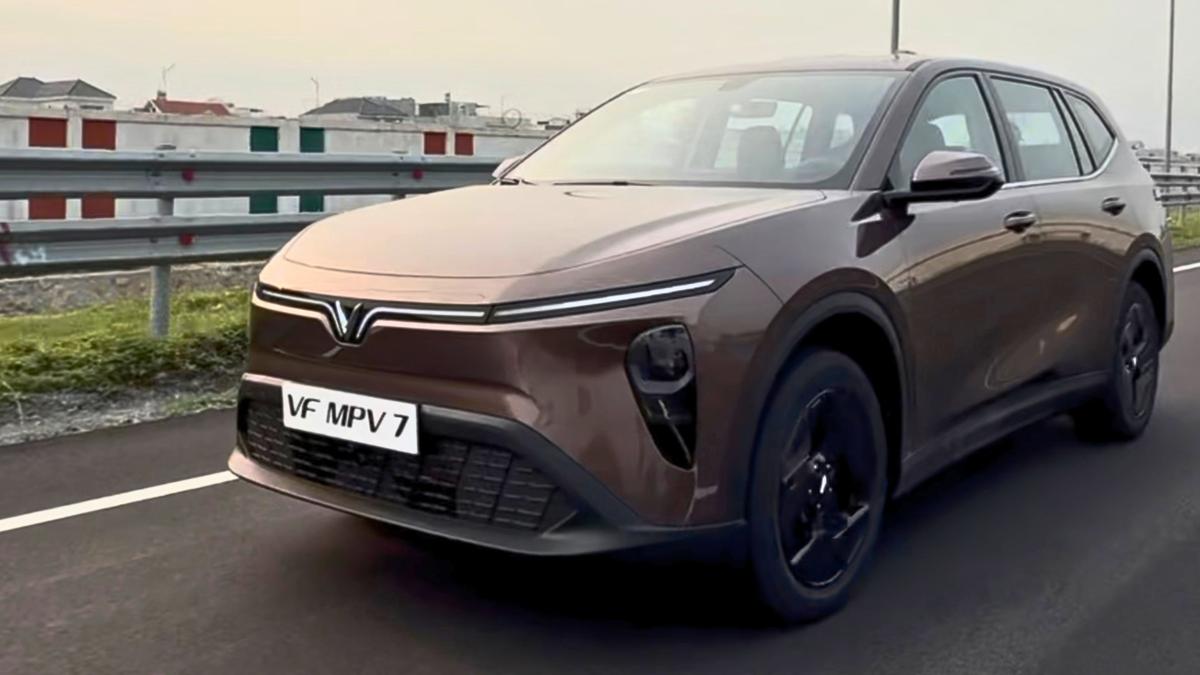
The VinFast VF MPV 7 is an all-electric multi-purpose vehicle (MPV) designed to bridge the gap between high-end electric SUVs and budget-oriented internal combustion engine (ICE) people movers. Built on the established VF7 platform, the MPV variant has been re-engineered to prioritize interior volume and passenger comfort.
Key Specifications at a Glance:
- Dimensions: Length of 4,740 mm with a substantial wheelbase of 2,840 mm.
- Powertrain: A 60.13 kWh lithium-ion battery pack.
- Charging: 10% to 70% fast-charging capability in approximately 30 minutes.
- Performance: 0–100 km/h in under 10 seconds, featuring three drive modes (Eco, Normal, Sport).
- Estimated Pricing: INR 14–16 lakh (Ex-showroom).
- Launch Date: April 15, 2026.
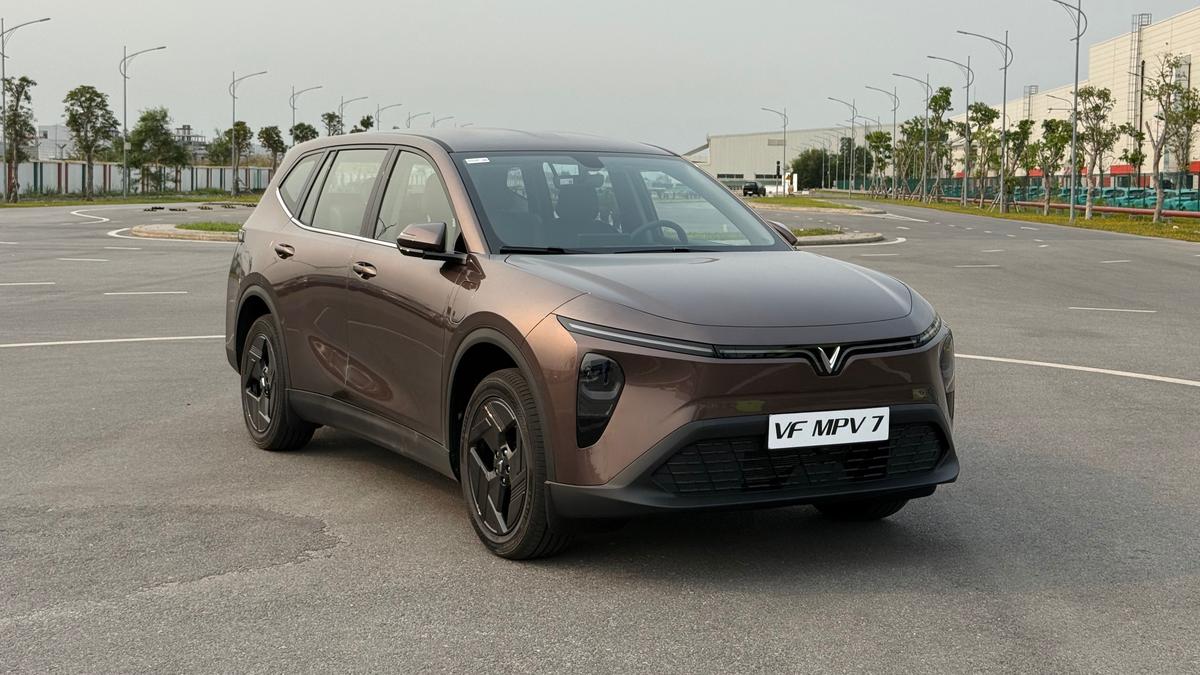
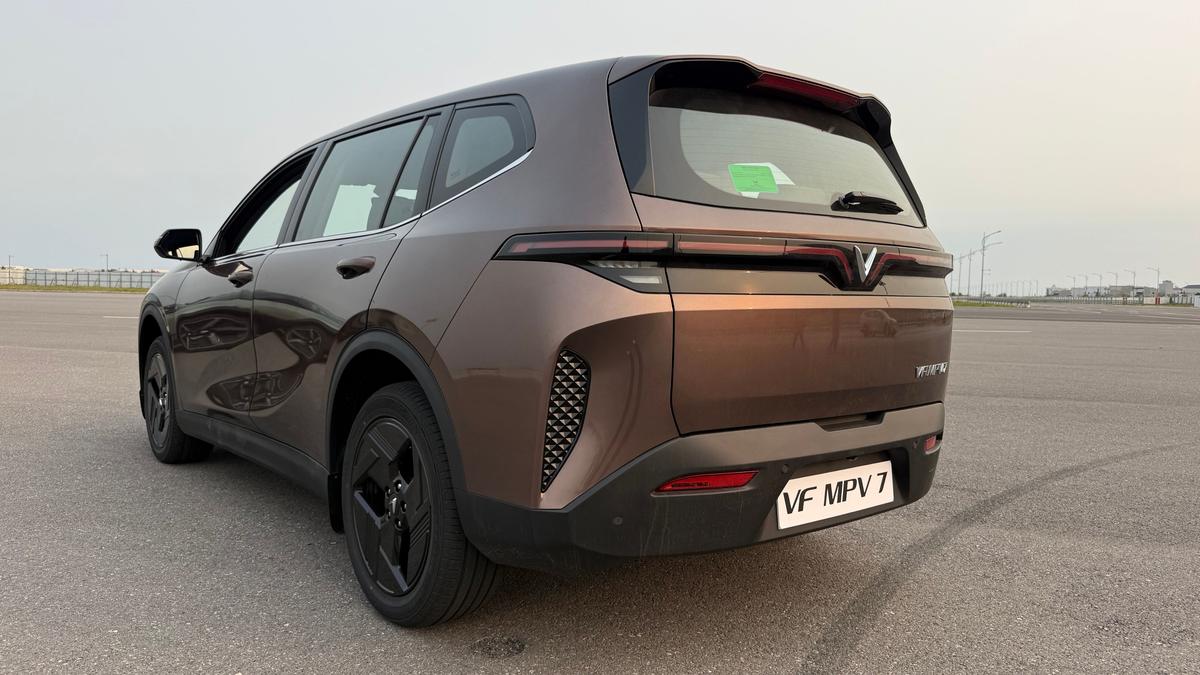
The VF MPV 7 does not attempt to reinvent the aesthetic of the modern car; instead, it refines it for everyday life. Sitting on 19-inch wheels, the vehicle maintains a clean, functional silhouette that emphasizes its 2,840 mm wheelbase—a figure that directly correlates to its impressive interior legroom. In a market where the Maruti Suzuki Ertiga and Kia Carens dominate, the VF MPV 7 enters as a zero-emission alternative that promises lower running costs without sacrificing the "big car" feel that Indian buyers covet.
2. Chronology: VinFast’s Strategic Roadmap in India
The arrival of the VF MPV 7 is not an isolated event but the third chapter in VinFast’s aggressive expansion strategy within the Indian subcontinent.
- Phase 1: Entry and Infrastructure (2024-2025): VinFast announced its entry into India with a multi-billion dollar investment plan, including the establishment of an integrated EV manufacturing facility in Tamil Nadu. This period focused on building the supply chain and localized engineering teams.
- Phase 2: The Vanguard Models (Late 2025): The company is set to debut the VF6 (a compact SUV) and the standard VF7 (a mid-size SUV). these models are intended to establish the brand’s premium-yet-accessible identity.
- Phase 3: The Family Pivot (April 2026): The launch of the VF MPV 7 marks the brand’s most significant play for the mass market. By introducing a family-focused MPV as its third model, VinFast is signaling that it understands the unique demographic of the Indian market, where multi-generational households often travel together.
- Phase 4: Post-Launch Localization: Following the April 2026 launch, VinFast plans to iterate on the MPV 7 based on local feedback, potentially introducing higher trims with Advanced Driver Assistance Systems (ADAS) and enhanced interior palettes.
3. Supporting Data: Technical Deep-Dive and Performance Analysis
To understand why the VF MPV 7 is generating significant industry buzz, one must look closely at the data gathered from initial testing and the vehicle’s technical architecture.
Interior Engineering and Comfort
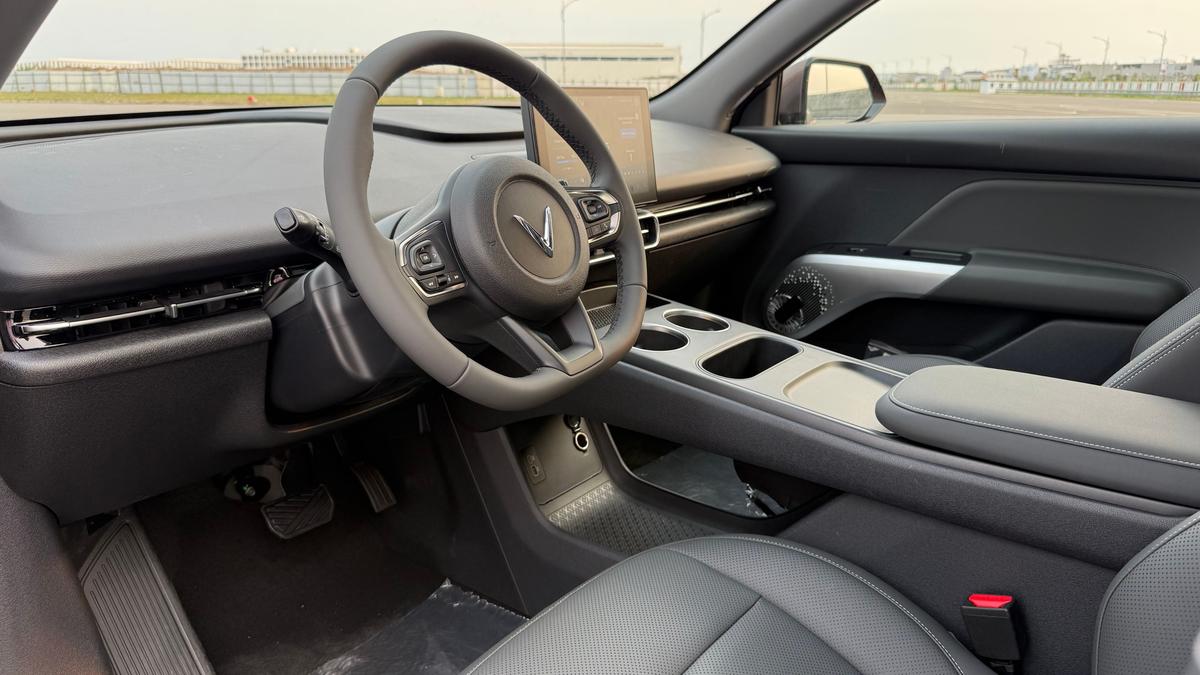
The cabin of the VF MPV 7 is a masterclass in ergonomic pragmatism. The standout feature is the seating—described by early testers as "sofa-like." The leatherette upholstery and generous cushioning are specifically designed for long-distance travel.
- Accessibility: The vehicle features wide-opening doors and a low floor, a critical design choice for elderly passengers and children.
- Tech Integration: The dashboard is anchored by a 10.1-inch infotainment screen. Connectivity is addressed via a suite of ports, including two Type-A and two Type-C USB options, ensuring that all three rows remain powered during long journeys.
- Utility Features: All windows include auto up/down and anti-pinch functionality, reflecting a focus on safety-oriented convenience.
Powertrain and Charging Metrics
The 60.13 kWh battery pack is strategically sized. It is large enough to alleviate range anxiety for inter-city trips but small enough to keep the vehicle’s price point competitive.
- Regenerative Braking: The vehicle offers four levels of energy recovery (Off, Low, Medium, and High), allowing the driver to maximize range in heavy stop-and-go traffic, a common scenario in Indian metros like Mumbai and Bengaluru.
- Real-World Performance: During track testing, the linear surge of power was noted as a highlight. The sub-10-second 0–100 km/h time ensures that the vehicle can handle highway overtaking maneuvers with confidence, even when fully loaded with seven passengers.
Safety Architecture
VinFast has not compromised on the safety suite, equipping the MPV 7 with:
- Active Systems: ABS (Anti-lock Braking System), EBD (Electronic Brakeforce Distribution), ESC (Electronic Stability Control), and Traction Control.
- Passive & Stability Features: Hill Start Assist, Roll Over Mitigation, and a Tyre Pressure Monitoring System (TPMS).
- Braking: All-disc brakes provide superior stopping power compared to the drum-brake setups often found in the rear of budget MPVs.
4. Official Responses and Brand Strategy
VinFast’s leadership has been vocal about their "India-First" approach for the MPV 7. While the vehicle was initially developed on a global platform, official communications indicate that the India-spec model will undergo significant localization.
Suspension and Ground Clearance
A recurring theme in VinFast’s official statements is the "re-tuning" of the vehicle for Indian road conditions. Engineers are currently working on adjusting the suspension damping to handle the high-frequency undulations and potholes typical of Indian secondary roads. Furthermore, the ground clearance is expected to be optimized to ensure the under-mounted battery pack remains protected during monsoon flooding and over unpaved surfaces.
The "ADAS-Ready" Philosophy
While the initial test units did not feature Advanced Driver Assistance Systems (ADAS), VinFast officials have confirmed that the VF MPV 7 is "ADAS ready." This modular approach allows the company to launch the vehicle at a highly competitive price (INR 14–16 lakh) while retaining the ability to roll out "Pro" or "Plus" trims featuring Lane Keep Assist and Autonomous Emergency Braking if market demand shifts toward high-tech safety.
Aesthetic Restraint
Addressing critiques regarding the "plain" single-tone interior, VinFast’s design team has hinted that they are exploring more vibrant, dual-tone palettes for the final production version. The company’s strategy appears to be one of "measured luxury"—providing the essentials of a premium experience without the "flash" that inflates costs.
5. Implications: Redefining Value in the Indian EV Market
The entry of the VinFast VF MPV 7 has several far-reaching implications for the Indian automotive industry and the consumer.
Disrupting the "Electric Premium" Myth
For years, the narrative in India has been that electric vehicles are either tiny city cars (like the MG Comet) or expensive luxury SUVs (like those from Mercedes or Audi). The VF MPV 7, with its expected price of INR 14–16 lakh, directly challenges this. It offers a full-sized, three-row family vehicle at a price point comparable to mid-range ICE SUVs. This could be the tipping point that moves EVs from a "second car" status to a "primary family vehicle" status.
Competitive Pressure on Domestic Giants
The VF MPV 7 will put immense pressure on domestic manufacturers like Tata Motors and Mahindra, as well as established players like Maruti Suzuki and Toyota. While Tata currently dominates the EV space with the Nexo and Punch EV, they do not yet have a dedicated mass-market electric MPV. VinFast’s early arrival in this specific niche gives them a "first-mover" advantage in a segment that is traditionally very loyal.
Environmental and Economic Impact
From a macro-economic perspective, the shift of the MPV segment—which accounts for a significant portion of fleet and large-family sales—to electric could lead to a substantial reduction in fuel import bills and urban tailpipe emissions. The fast-charging capability of the VF MPV 7 (70% in 30 minutes) also makes it a viable candidate for the premium taxi and fleet market, potentially accelerating the greening of India’s transport infrastructure.
Conclusion: A Calculated Gamble
The VinFast VF MPV 7 is a testament to the power of pragmatism. By ignoring the urge to over-engineer with unnecessary gadgets, VinFast has created a vehicle that focuses on what Indian families actually need: space, comfort, and ease of use. If VinFast can deliver on its aggressive pricing and localized suspension tuning, the April 2026 launch will not just be another car release—it will be the moment the electric MPV goes mainstream in India.
As the market waits for the 2026 deadline, the industry will be watching closely to see if this Vietnamese newcomer can truly redefine what "value" looks like in the age of electrification. For the Indian consumer, the choice is about to get much more interesting.
