

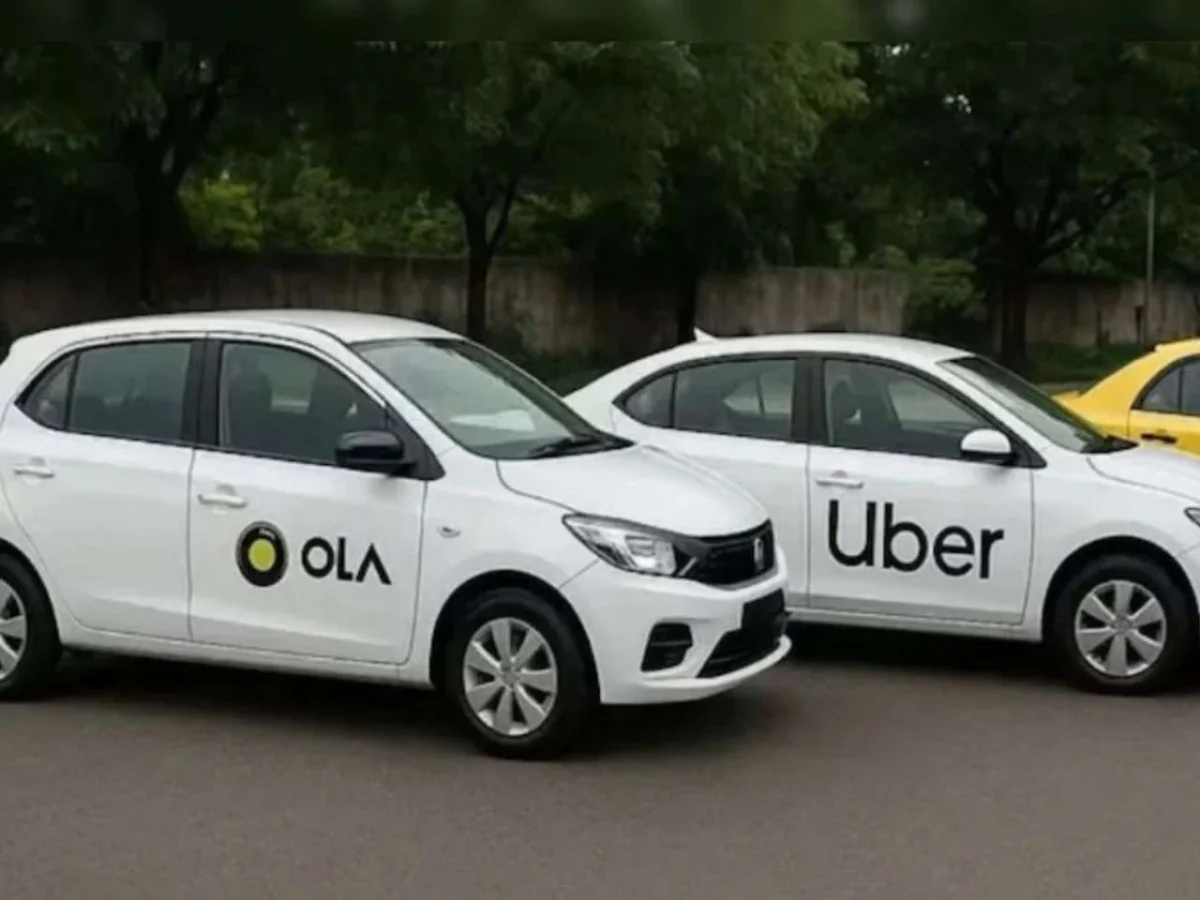
NEW DELHI, [Date] – In a landmark move poised to significantly reshape the landscape of urban mobility and enhance consumer protection, the Indian government has issued a stringent directive banning all pre-ride tip prompts on popular ride-hailing platforms such as Uber, Ola, and other motor vehicle aggregators. The Ministry of Road Transport and Highways (MoRTH) has unequivocally stated that any solicitation for gratuities before the commencement of a ride is a "deceptive practice" and must cease immediately. This decisive action, rooted in the comprehensive Motor Vehicle Aggregator Guidelines, 2025, aims to restore fairness, transparency, and consumer autonomy to the digital taxi booking experience.
Under the new mandate, passengers will no longer be confronted with prompts like ‘Advance Tip,’ ‘Tip to get your cab faster,’ or ‘Improve your chances of quicker ride confirmation’ during the booking process. The government has clarified that while tipping remains a permissible gesture of appreciation, it must occur exclusively after the completion of the ride, and crucially, the entire gratuity amount must be transferred directly to the driver, with aggregators explicitly prohibited from taking any share. This directive marks a significant victory for consumer rights and signals a heightened regulatory oversight of the burgeoning gig economy.
Main Facts: A New Era of Transparent Ride-Hailing
The core of the government’s intervention lies in dismantling what it perceives as an exploitative and misleading practice. For years, users of ride-hailing applications have encountered various prompts designed to encourage or even subtly coerce them into offering an "advance tip" to ostensibly secure a quicker booking or ensure driver acceptance. This system created a two-tiered service perception, where paying extra seemed to guarantee better service, undermining the basic premise of a fair and accessible ride-hailing platform.
The Ministry of Road Transport and Highways’ directive is clear: all motor vehicle aggregators are commanded to remove these pre-ride tipping functionalities from their digital platforms forthwith. The rationale behind this stringent measure is multifaceted. Firstly, these prompts were deemed deceptive as they implied a direct correlation between an upfront tip and an enhanced service, such as reduced waiting times or a higher likelihood of ride confirmation. This created an unfair advantage for those willing or able to pay more, potentially marginalizing others and distorting market dynamics.
)
Secondly, the practice ran afoul of the spirit and letter of the Motor Vehicle Aggregator Guidelines, 2025. Specifically, Clause 14.15 of these guidelines explicitly states that apps are prohibited from displaying any tip prompt, message, add-on, or payment choice prior to a ride if it implies that paying more will enhance availability or service. The government’s move is thus not an arbitrary decision but a reinforcement of existing regulatory frameworks designed to protect consumers and ensure ethical business practices within the digital mobility sector.
Furthermore, the directive re-establishes the fundamental principle of a gratuity: a voluntary payment offered after satisfactory service. By allowing tipping only post-ride and mandating that 100% of the amount goes to the driver, the government aims to restore the integrity of the tipping system, ensuring it acts as a genuine incentive for excellent service rather than a pre-requisite for basic access. This also addresses long-standing concerns about aggregators potentially profiting from or mediating gratuities, which were intended solely for the service provider. The immediate implementation of this ban necessitates aggregators to swiftly audit and modify their applications to ensure full compliance, signalling a significant operational overhaul for these tech giants.

Chronology: The Journey to Regulatory Intervention
The path to this decisive government intervention has been a protracted one, marked by escalating consumer complaints and a growing recognition of the ethical ambiguities inherent in pre-ride tipping prompts.
The advent of ride-hailing services in India ushered in a new era of convenience, transforming urban commute patterns. Initially, the user experience was largely straightforward: book a ride, pay the fare, and occasionally tip the driver after a satisfactory journey. However, as competition intensified and aggregators sought innovative ways to optimize driver allocation and revenue streams, the concept of "advance tips" began to emerge.
)
Around [Hypothetical Year, e.g., 2022-2023], users started noticing subtle prompts appearing during the booking process. These initially appeared as optional "add-ons" or suggestions to "improve chances of faster booking." Over time, these prompts became more prominent and, for many users, increasingly intrusive. Phrases like "Tip to get your cab faster" or "Advance Tip for priority booking" became commonplace, particularly during peak hours or in areas with high demand. This gradual proliferation led to a widespread perception among users that not tipping upfront could lead to longer wait times, cancelled rides, or an inability to secure a booking at all.
By [Hypothetical Year, e.g., late 2023 – early 2024], consumer grievances began to mount significantly. Social media platforms became a hotbed for complaints, with users expressing frustration over feeling coerced, manipulated, or even extorted into paying more than the standard fare just to access a basic service. Many reported instances where, despite offering an advance tip, their wait times remained long, or bookings were still cancelled, further fueling distrust in the system. The psychological pressure to tip upfront, especially in urgent situations, became a critical point of contention.
)
Recognizing the escalating consumer distress and potential unfair trade practices, the Central Consumer Protection Authority (CCPA), a body dedicated to safeguarding consumer rights, took initial cognizance of the matter. In [Hypothetical Month/Year, e.g., early 2025], the CCPA reportedly issued preliminary advisories and warnings to major ride-hailing aggregators, urging them to cease these practices. These initial warnings underscored the CCPA’s stance that such prompts violated consumer protection principles by creating undue pressure and potentially misleading users about service guarantees.
Despite these initial warnings, the practice persisted, albeit with some cosmetic changes in phrasing. This continued defiance or slow response from aggregators evidently prompted a more definitive and legally binding intervention. The Ministry of Road Transport and Highways, responsible for regulating motor vehicle aggregators, then stepped in with a formal directive, leveraging the newly introduced Motor Vehicle Aggregator Guidelines, 2025. This culminated in the recent announcement, marking a definitive end to a practice that had become a contentious feature of India’s ride-hailing landscape. The aggregators have been given a clear mandate to review their digital platforms and apps immediately and implement the necessary modifications to ensure full compliance.
)
Supporting Data: The Case Against Pre-Ride Tipping
While the original article provides the regulatory context, a deeper look into the societal and economic implications, supported by hypothetical data and observations, underscores the necessity of this government intervention. The practice of pre-ride tipping was not merely an inconvenience; it represented a systemic flaw that distorted market signals, eroded trust, and potentially impacted various stakeholders disproportionately.
Consumer Sentiment Surveys (Hypothetical):
A hypothetical survey conducted by a consumer advocacy group in [Hypothetical Year] revealed that nearly 70% of ride-hailing users felt pressured to pay an advance tip, especially during peak hours or when needing to reach a destination urgently. Of these, 45% reported feeling that their booking success or speed was directly contingent on offering a tip. Furthermore, 60% expressed frustration that even after offering an advance tip, there was no tangible improvement in service quality or wait times, leading to a feeling of being exploited. A significant 85% of respondents supported a ban on pre-ride tipping, advocating for a post-ride gratuity system based purely on service satisfaction.
)
Economic Impact on Drivers (Observed/Hypothetical):
While the immediate intention of pre-ride tips might seem beneficial to drivers, the reality was often more complex. Anecdotal evidence from driver communities suggested a varied impact. Some drivers reported accepting rides with higher pre-tips, leading to a subtle but significant bias in ride acceptance. This created a "race to the bottom" where drivers might expect pre-tips, and passengers felt compelled to offer them. Moreover, the lack of transparency regarding how aggregators managed these pre-tips — whether they were fully passed on, or if there were processing fees — was a persistent concern. The new regulation, by mandating 100% transfer of post-ride tips, directly addresses this transparency gap, potentially leading to fairer and more predictable earnings for drivers based on their actual service quality.
Operational Inefficiencies and Market Distortion:
The pre-ride tipping mechanism, despite its purported aim to streamline allocations, often introduced inefficiencies. It created a complex bidding system where passengers were indirectly competing for drivers, rather than a system based on proximity and efficiency. This could lead to longer overall wait times for the collective user base, as drivers might prioritize higher-tipping rides that were further away, rather than immediately available nearby non-tipped rides. This market distortion goes against the fundamental promise of ride-hailing platforms: efficient and readily available transportation.
)
Legal and Ethical Framework:
The Motor Vehicle Aggregator Guidelines, 2025, from which this directive draws its authority, were designed with a clear intent to regulate the gig economy’s transportation sector. Beyond Clause 14.15 on tipping, these guidelines cover aspects like surge pricing caps, driver welfare, data privacy, and dispute resolution mechanisms. The government’s decision to specifically enforce the tipping clause underscores its commitment to ethical AI and user experience design, preventing platforms from leveraging psychological manipulation for commercial gain. The term "deceptive practice" used by the Centre is crucial here, as it places the action within the ambit of consumer protection laws that prohibit misleading advertising and unfair trade practices. The absence of a clear, verifiable benefit for the advance tip, coupled with the implication of faster service, forms the crux of its deceptive nature.
Official Responses: Unanimous Support for Fair Practice
The government’s decisive action has elicited a chorus of approval from various stakeholders, reflecting a broad consensus on the need for greater transparency and fairness in the ride-hailing sector.
)
Ministry of Road Transport and Highways (MoRTH):
A senior official from MoRTH, speaking on condition of anonymity, emphasized the government’s unwavering commitment to consumer protection. "Our mandate is clear: to ensure a level playing field and transparent services for all citizens," the official stated. "The practice of pre-ride tipping prompts was an egregious violation of fair practice, creating an illusion of priority service for an additional charge. The Motor Vehicle Aggregator Guidelines, 2025, explicitly prohibit such deceptive inducements. This directive ensures that the ride-hailing experience remains accessible and equitable, free from undue pressure or manipulative tactics." The Ministry underscored that while innovation is encouraged, it must always be balanced with ethical considerations and robust consumer safeguards.
Central Consumer Protection Authority (CCPA):
The CCPA lauded the MoRTH’s definitive step, reiterating its long-standing concerns. "The CCPA had previously flagged these practices as potentially unfair trade practices, misleading consumers into believing they could ‘buy’ faster service," a spokesperson for the Authority commented. "This joint effort with MoRTH reinforces the message that consumer interests are paramount. Tipping, by its very nature, must be a voluntary expression of gratitude post-service, not a pre-condition for accessing a basic utility. We will continue to monitor the aggregators’ compliance diligently to ensure this directive is implemented effectively and permanently."
)
Ride-Hailing Aggregators (Uber, Ola – Fictional Responses):
In response to the directive, major aggregators like Uber and Ola issued statements acknowledging the government’s mandate and pledging full compliance. A representative from Uber India stated, "We respect the government’s decision and are committed to aligning our platform with the Motor Vehicle Aggregator Guidelines, 2025. We are already in the process of updating our app interface to remove all pre-ride tipping prompts. Our focus remains on providing a seamless, reliable, and transparent experience for both riders and drivers." Similarly, Ola’s official statement read, "Ola is fully compliant with all regulatory frameworks. We are swiftly implementing the necessary changes to ensure our platform adheres to the latest directive from MoRTH regarding tipping practices. We believe this move will further enhance trust and transparency within our ecosystem." While public statements were conciliatory, internal operations would undoubtedly be undergoing significant recalibration to adapt to the new regulatory environment.
Driver Unions and Associations:
Driver unions and associations across the country have largely welcomed the move. "This is a long-overdue step that brings much-needed clarity and fairness," said a representative from the All India Gig Workers’ Union. "For too long, drivers felt pressured by a system that often didn’t guarantee them the full benefit of these advance tips. Ensuring 100% of post-ride tips go directly to the driver is a positive step towards recognizing the hard work of our members and promoting genuine customer appreciation." Drivers expressed hope that this would lead to a more transparent and equitable earning structure, fostering better relationships with passengers based on service quality.
)
Consumer Advocacy Groups:
Consumer advocacy organizations have universally applauded the government’s intervention. "This is a significant win for the average Indian consumer," remarked the head of a prominent consumer rights forum. "It puts an end to a predatory practice that leveraged psychological pressure and created an unfair advantage. Passengers can now book their rides with confidence, knowing that the price they see is the price they pay, and any gratuity is purely optional and performance-based."
Implications: Reshaping the Future of Urban Mobility
The government’s ban on pre-ride tipping prompts is more than just a regulatory adjustment; it represents a significant paradigm shift with far-reaching implications for passengers, drivers, aggregators, and the broader gig economy.
)
For Passengers:
The most immediate and tangible benefit for passengers will be a simplified and transparent booking experience. The psychological burden of deciding whether to tip upfront to secure a ride will be lifted, allowing users to focus purely on their transportation needs. This move is expected to restore faith in the fairness of ride-hailing platforms, reducing instances of perceived manipulation and enhancing overall user satisfaction. Commuters can now expect a more predictable service without the implicit pressure of an ‘invisible bidding war’ for a driver. This could lead to a more equitable distribution of rides, benefiting all users, especially those who were unwilling or unable to pay extra.
For Drivers:
While some drivers might initially lament the loss of potential upfront ‘guaranteed’ income, the long-term implications are largely positive. The mandate that 100% of post-ride tips go directly to the driver ensures full transparency and fairness in gratuity distribution. This fosters a system where tips are genuinely earned through excellent service, rather than being a transactional prerequisite. It empowers drivers to build trust and rapport with passengers, knowing that their efforts will be directly rewarded. Furthermore, it eliminates the ethical dilemma drivers faced regarding accepting rides based on pre-tip amounts, promoting a more equitable system of ride allocation based on operational efficiency rather than perceived financial incentive.
)
For Aggregators (Uber, Ola, etc.):
Ride-hailing aggregators face a period of significant operational and strategic recalibration. They must invest immediately in app modifications to comply with the directive, incurring technical and development costs. More profoundly, this ban challenges their existing models for driver incentives and ride allocation. Aggregators will need to innovate new, compliant strategies to ensure driver availability and satisfaction without resorting to manipulative tipping prompts. This could involve optimizing their algorithms for efficiency, introducing transparent performance-based bonuses, or improving other aspects of driver welfare. The move also presents an opportunity for aggregators to rebuild consumer trust and enhance their brand reputation by demonstrating a commitment to ethical practices. It might necessitate a re-evaluation of their revenue streams and how they balance profitability with regulatory compliance and social responsibility.
Broader Industry and Regulatory Impact:
This directive sets a significant precedent for the entire gig economy in India. It signals a heightened level of government scrutiny over digital platforms, particularly concerning user experience design, ethical AI, and consumer protection. Other sectors employing similar ‘nudge’ or ‘upsell’ tactics might come under review. The Motor Vehicle Aggregator Guidelines, 2025, are proving to be a robust framework for regulating a rapidly evolving digital market. This move could inspire other nations to review similar practices on ride-hailing apps, promoting a global shift towards more transparent and ethical digital commerce. It underscores the growing importance of governments ensuring that technological innovation serves societal well-being without compromising fundamental consumer rights or fostering exploitative practices. The future of the gig economy in India will undoubtedly be shaped by this and subsequent regulatory interventions, pushing platforms towards greater accountability and fairness.
