

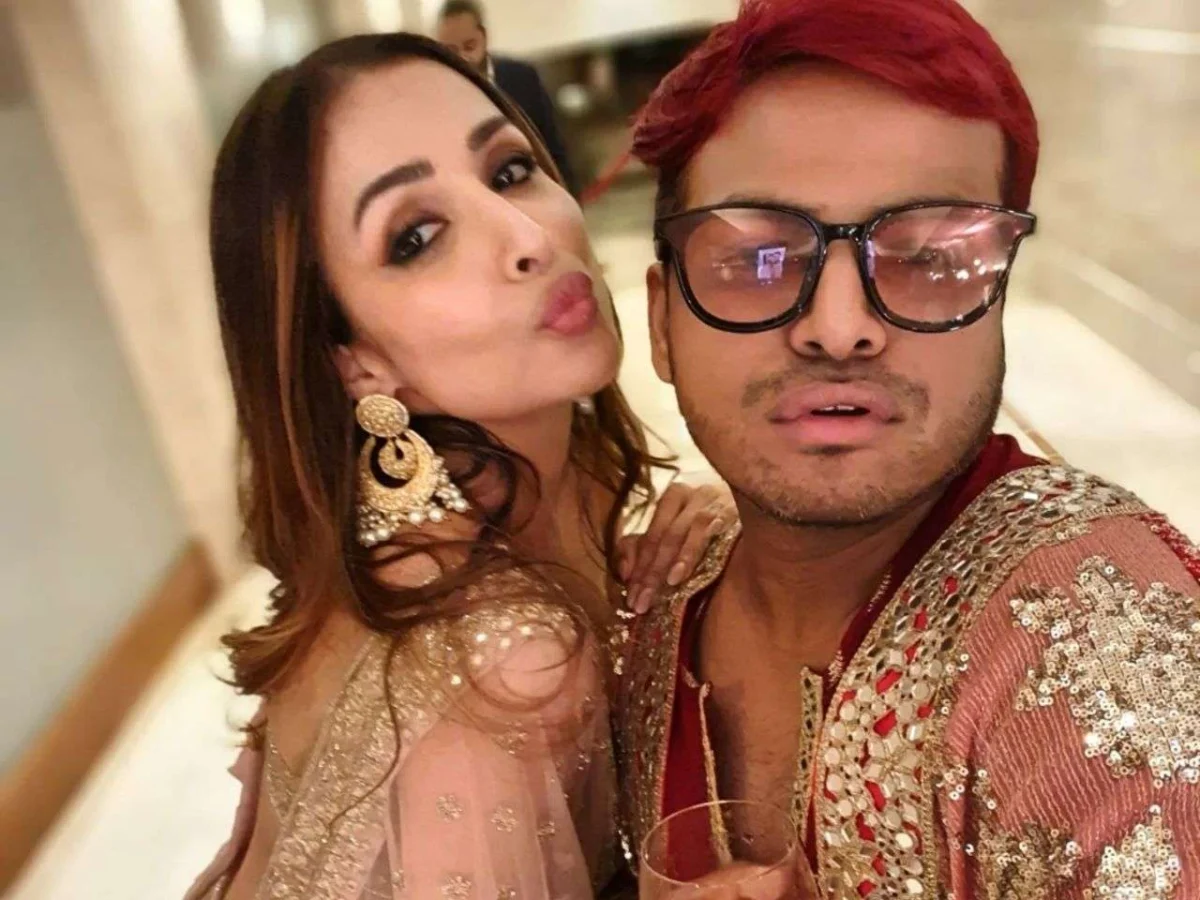
Mumbai, India – August 21, 2026 – In the ever-illuminated world of Bollywood, where every public appearance is a potential headline, celebrity stylist Rick Roy has ignited a crucial conversation about the increasingly invasive and often objectifying nature of paparazzi culture. Roy, a trusted confidant and stylist to many of the industry’s leading actresses, including his close friend Malaika Arora, has openly criticized the prevailing trend of photographers focusing disproportionately on women’s bodies, often capturing them in what he describes as "inappropriate" or "indecent" ways. His candid remarks shed light on a complex ecosystem where fame, visibility, and ethical boundaries frequently collide.
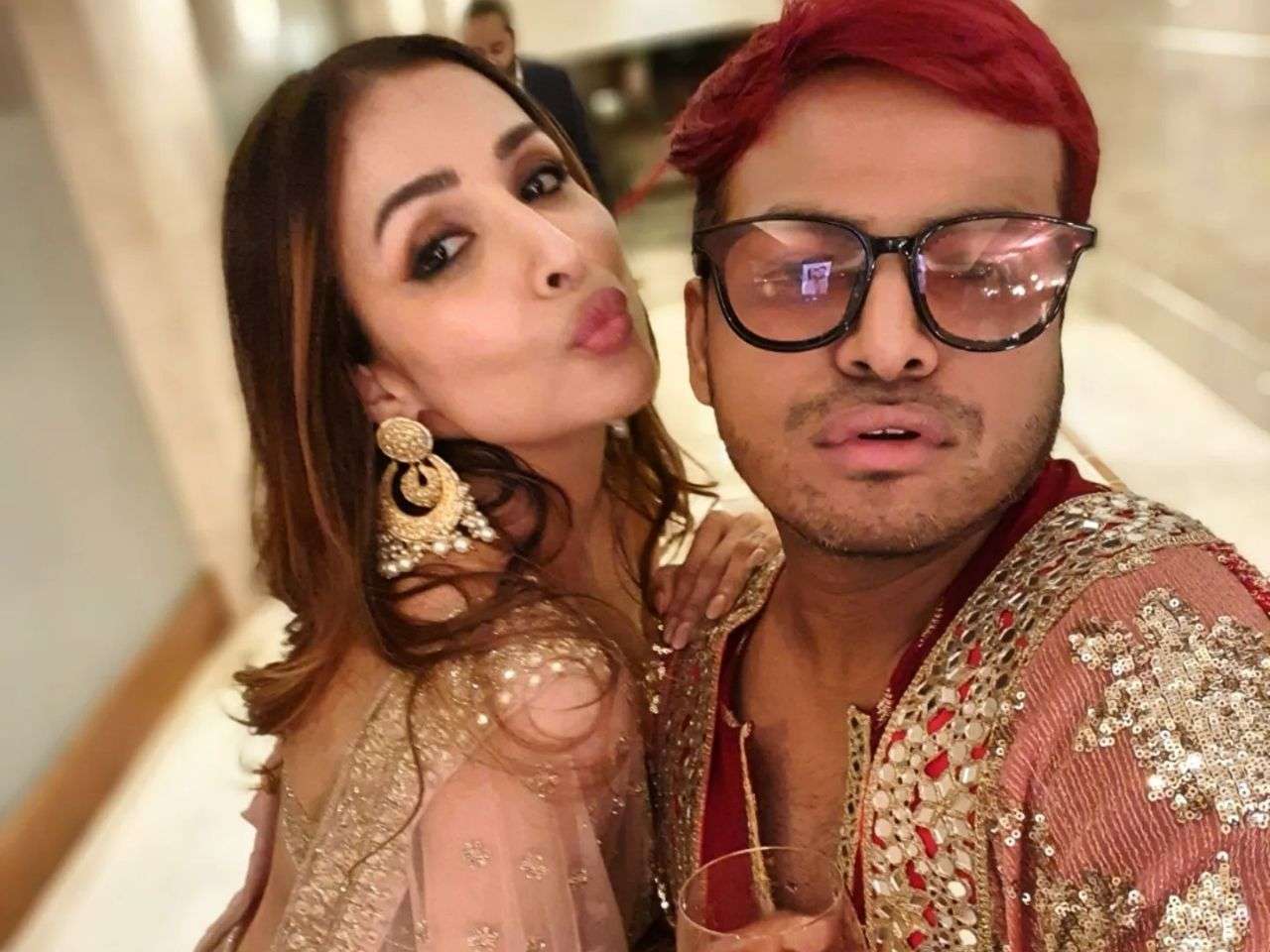
Roy’s commentary comes at a time when concerns surrounding the privacy and dignity of female celebrities are at an all-time high. The constant barrage of cameras, often lurking at every corner, has transformed the act of stepping out for a casual outing into a high-stakes photo opportunity. While acknowledging that paparazzi presence is an undeniable facet of modern celebrity, Roy distinguishes between professional reporting and what he terms "cheap paparazzi" driven by sensationalism and a blatant disregard for decency.
)
The Unavoidable Gaze: Fame and its Photographic Price
"Being pap has become part and parcel of you being famous. So you cannot complain, you cannot cry about it. It’s literally what it is," Roy stated, articulating a sentiment shared by many in the public eye. This acceptance, however, is not an endorsement of all paparazzi practices. Roy stressed that while visibility undeniably brings benefits, the manner in which this visibility is manufactured is where the problem lies.
)
"You benefit from it also, a lot of it. And also there are negatives to it. So I think you will have to figure out a middle ground of what, I mean, how much of it you want to indulge in," he explained, highlighting the delicate balancing act celebrities must perform. Yet, his core message remained a strong condemnation of those who deliberately exploit vulnerabilities for clicks. "You shouldn’t click people badly or, you know, indecently and all that stuff. Of course now that’s just tacky and terrible journalism and photography and all that stuff."

Delineating the Line: Professionalism vs. Provocation
Roy’s critique draws a sharp distinction between seasoned professionals and those who prioritize viral content over journalistic integrity. He firmly believes that reputable paparazzi photographers, those with a sense of professionalism and a commitment to their craft, understand and respect ethical boundaries.
)
"I don’t think any of the pap who are reputed and who have any sense of professionalism do that. I have never seen any of the top pap photographers or the professional ones ever click anything derogatory or dirty," he asserted. His accusation is directed squarely at a segment of the industry he labels as "cheap ass ones that do all these things for views." This implies a calculated strategy by certain photographers to capture provocative images, knowing they will generate significant online traffic, regardless of the ethical implications for the subject.
)
The implication is that this pursuit of cheap virality can have a detrimental impact on the individuals photographed, particularly women, who are often subjected to unwarranted scrutiny of their bodies. These images, when amplified across social media platforms, can contribute to a culture of objectification, reducing celebrities to mere visual commodities rather than individuals with professional achievements.
)
The Double-Edged Sword: Celebrity Complicity and the Attention Economy
Interestingly, Roy’s observations delve into a more nuanced aspect of the paparazzi ecosystem: the role of celebrities themselves. He acknowledged that the dynamic is not always one-sided, with some influencers and actors actively participating in and even encouraging certain types of photographic attention.
)
"Even a few influencers or actors also do encourage that, yes, we wore like this on purpose, and we’ll get pap. And there will be viral videos," he admitted. This suggests that a calculated understanding of the attention economy, where certain outfits or situations are deliberately orchestrated to garner paparazzi interest, exists within the industry. For these individuals, the potential for increased visibility, brand endorsements, or social media buzz might outweigh the discomfort of being photographed in a particular manner.
)
This strategic engagement, however, creates a complex dilemma. While some celebrities may willingly participate, it risks normalizing the very practices that others, like Roy, are trying to combat. It can inadvertently provide a justification for photographers to continue pursuing provocative shots, blurring the lines between consensual attention-seeking and intrusive exploitation.
)
The Viral Cycle: How One Picture Ignites a Trend
Roy articulated a concerning trend where a single provocative image, upon achieving widespread virality, can set a dangerous precedent. This creates a domino effect, encouraging other photographers to replicate the formula in hopes of achieving similar success.
)
"Sometimes when one random dirty, stupid fucking picture of someone is clicked, and that gets a lot of views, then suddenly that becomes a trend, and people try to take advantage of that," he explained, highlighting the cyclical nature of such incidents. This observation points to a feedback loop where sensationalism breeds more sensationalism, further intensifying the pressure on celebrities to conform to or react against these evolving norms.
)
The danger here lies in the potential for this trend to escalate, pushing the boundaries of what is considered acceptable and further eroding the privacy and dignity of public figures. When a "stupid fucking picture" becomes a blueprint for viral content, it signifies a worrying degradation of journalistic standards and ethical considerations.
)
Maintaining Boundaries: The Unspoken Rules and Mutual Respect
Despite the complexities, Rick Roy remains a staunch advocate for clear boundaries. He firmly believes that there is an inherent line that paparazzi should not cross, irrespective of a celebrity’s willingness to engage with the media.
)
"I think there is a boundary and there is a limit that you don’t cross," he stated unequivocally. His experience within the industry has also shown him instances where professional paparazzi have demonstrated respect for these boundaries when explicitly requested.
)
"I’ve seen people come in and I’ve seen actors saying that please don’t click now. They have backed out. I’ve seen that also with a lot of people," he shared, offering a glimmer of hope for a more respectful engagement. This suggests that when celebrities assert their right to privacy, professional photographers are often willing to comply. However, the persistent issue arises when these requests are ignored, or when the initial engagement is already on the precipice of ethical compromise.
)
Implications for the Future of Celebrity Journalism
Rick Roy’s outspoken stance serves as a vital catalyst for a broader societal discussion about the ethics of paparazzi culture, particularly concerning the portrayal of women in the media. His nuanced perspective acknowledges the symbiotic relationship between celebrities and the media while vehemently denouncing the exploitation and objectification that often accompany it.
)
The implications of his comments are far-reaching:
)
- Increased Scrutiny on Media Outlets: Roy’s critique places a spotlight on the responsibility of media organizations and social media platforms that amplify these images. The pursuit of clicks and engagement should not come at the cost of human dignity.
- Empowerment for Celebrities: His words can empower more celebrities to speak out against inappropriate photography and to assert their right to privacy without fear of reprisal or being labeled as "difficult."
- Call for Ethical Guidelines: The conversation initiated by Roy underscores the need for clearer ethical guidelines and perhaps even industry self-regulation to ensure that paparazzi practices remain within acceptable limits.
- Shifting Public Perception: By highlighting the "cheap paparazzi" phenomenon, Roy encourages the public to critically evaluate the images they consume and to question the motives behind their dissemination.
Ultimately, Rick Roy’s candid revelations serve as a potent reminder that while the glare of the spotlight is an inherent part of celebrity life, it should never eclipse the fundamental respect and dignity owed to every individual. The challenge lies in finding a sustainable balance where public interest and personal privacy can coexist without compromising ethical standards. The ongoing debate, fueled by voices like Roy’s, is crucial for shaping a more responsible and respectful media landscape for all involved.
