

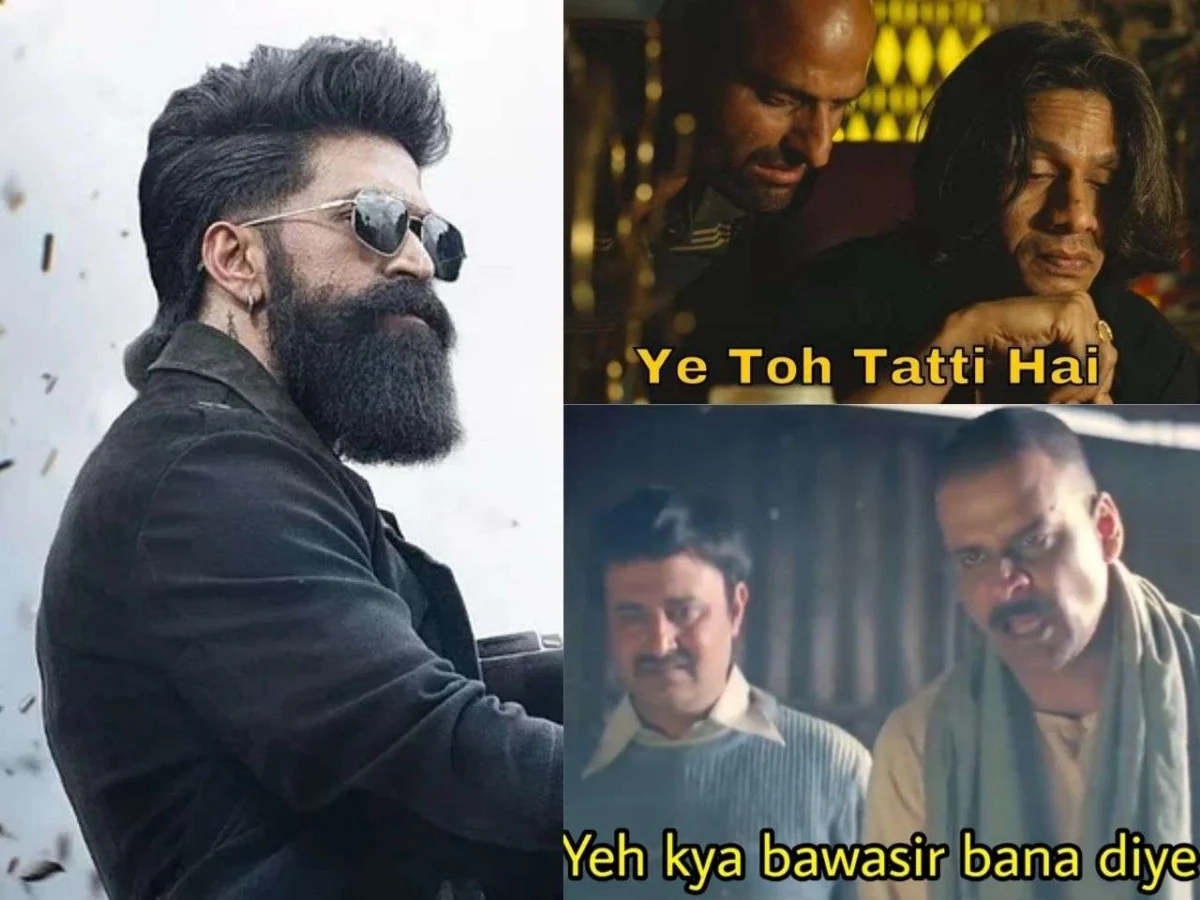
Bengaluru, India – August 26, 2026 – The cinematic world held its breath in anticipation of "Toxic X," the latest offering from director Geetu Mohandas, starring the immensely popular KGF star Yash. Heralded as a groundbreaking gangster drama with the tagline "A Fairytale for Grown-Ups," the film’s global release was met with unprecedented hype. However, what was expected to be a triumphant return for Yash has instead devolved into a public relations nightmare, with a tidal wave of negative reviews and audience reactions flooding social media platforms. Shockingly, the most vocal critics are not just the general public, but a significant segment of Yash’s own devoted fanbase, who are decrying the film as a "headache" and "total garbage," primarily criticizing its purported over-reliance on gratuitous sex and violence.
The Premise and the Promise: High Hopes Dashed
"Toxic X" aimed to be more than just another action-thriller. It promised a sophisticated narrative, a departure from typical genre fare, exploring darker, more mature themes. The ensemble cast, featuring acclaimed actresses like Kiara Advani, Nayanthara, and Huma Qureshi, alongside Yash in a reportedly dual role, further amplified expectations. The film’s production values were rumored to be of the highest caliber, with whispers of a substantial budget ranging from ₹500 to ₹700 crore, indicating a commitment to visual grandeur and cinematic ambition. The initial trailers and promotional materials hinted at a stylish, edgy, and perhaps even provocative cinematic experience, designed to resonate with a global audience across multiple languages, including Hindi, Kannada, Tamil, Telugu, Malayalam, and English.
)
However, the reality that unfolded in theaters has been a stark contrast to the carefully crafted anticipation. From the first show onwards, the critical reception has been overwhelmingly negative, a sentiment that has only intensified as more viewers have experienced the film. The initial buzz has curdled into widespread disappointment, leaving industry observers and fans alike questioning the creative decisions behind "Toxic X."
)
A Flood of Frustration: Netizens and Fans Unite in Disapproval
The digital landscape, particularly the microblogging platform X (formerly Twitter), has become the epicenter of the backlash against "Toxic X." The sheer volume and ferocity of negative comments paint a damning picture of the film’s reception. While general netizens have voiced their displeasure, the most striking aspect of the criticism is the unified voice of Yash’s fan base. These are the very individuals who have championed his career, celebrated his past successes, and eagerly awaited his next venture. Their disillusionment, therefore, carries significant weight.

One widely circulated comment on X articulated the core of the audience’s frustration: "A Fairy Tale That Turns Into a Complete Nightmare for Everyone! A technically sound film buried under chaotic writing and exhausting execution. There are barely any proper character introductions, the narrative has no clear flow, and the screenplay gets confusing enough that you’re often left wondering what’s even happening." This sentiment of narrative incoherence and a lack of foundational storytelling appears to be a recurring theme in the negative reviews.
)
Another netizen did not mince words, declaring, "Worst. Disaster. Ever. Toxic isn’t just bad… It’s a complete disaster. Nothing works, nothing connects. #Toxic." The unqualified condemnation suggests a complete failure on multiple fronts, from plot development to character arcs and overall engagement.
)
Beyond the structural criticisms, a particularly contentious aspect that has drawn sharp rebukes is the film’s explicit content. One netizen’s comment, questioning Yash’s wife’s potential reaction to "intense, bold intimacy scenes" after his marriage and fatherhood, highlights a segment of the audience that feels the film has crossed a line, potentially alienating a portion of its intended viewership and raising questions about artistic choices versus societal expectations.
)
Fan Sentiments: A Betrayal of Expectations
The criticism emanating from Yash’s dedicated fanbase is particularly poignant. These fans, often referred to as "Yashians," have historically shown unwavering support. Their current disappointment suggests a profound disconnect between the film’s artistic direction and what they perceive as Yash’s strengths and the values they associate with his on-screen persona.
)
One X user, sharing a review purportedly from Karnataka (Yash’s home state), highlighted this internal dissent: "The Toxic movie review by Karnataka people. Their own fans saying it was a flop then why are you crying on us #Toxic #ToxicReview #Yash." This statement implies that even the core demographic that would typically defend and champion Yash’s projects has found "Toxic X" to be fundamentally flawed, rendering external defense futile.
)
Another fan expressed their profound disappointment, stating, "The movie is absolutely unbearable. It is Torture. Absolutely love Yash, but the movie has wasted him. There is no story in the movie." This sentiment of a "wasted" Yash is a recurring lament, suggesting that his star power and talent were not adequately leveraged within a coherent or engaging narrative framework. The emphasis on a lack of story underscores a fundamental criticism that goes beyond superficial flaws, pointing to a deeper structural deficiency.
)
The viral spread of these negative reviews, often accompanied by screenshots of X posts and even short video clips of fans expressing their dismay, has created a snowball effect. The hashtag #ToxicReview has become a hub for collective disappointment, with users sharing their personal "nightmare" experiences at the cinema.
)
Chronology of a Controversy: From Anticipation to Accusation
The journey of "Toxic X" from a highly anticipated release to a critical pariah can be traced through a distinct timeline:
)
- Pre-Release Hype (Early 2026 – August 2026): Months leading up to the release were characterized by intense excitement. Yash’s association with director Geetu Mohandas, known for her distinct filmmaking style, coupled with the film’s intriguing premise and star-studded cast, built considerable anticipation. Promotional material, though sparse, hinted at a visually stunning and thematically bold project.
- Release Day Frenzy (August 26, 2026): The film premiered worldwide on August 26, 2026. Early morning shows saw dedicated fans flocking to theaters, eager to be among the first to witness Yash’s new avatar. Initial social media reactions began trickling in, with a mix of excitement and early criticisms.
- The Negative Tide (August 26, 2026 onwards): As the day progressed and more audiences saw the film, the tide of opinion shifted dramatically. Negative reviews began to dominate social media feeds. The initial positive buzz, if any, was quickly drowned out by a chorus of disappointment.
- Fan Uprising (August 26, 2026 onwards): The most significant development was the vocal dissent from Yash’s own fanbase. Comments and posts from self-identified fans explicitly stating their dissatisfaction and labeling the film a failure became increasingly prevalent. This segment of criticism proved particularly damaging, as it suggested a loss of goodwill even among the most ardent supporters.
- Escalating Criticism (August 27, 2026 onwards): The criticism escalated beyond simple disappointment, with terms like "headache," "total garbage," and "torture" becoming commonplace in descriptions of the film. Specific critiques focused on the perceived gratuitous use of sex and violence, as well as narrative incoherence.
Supporting Data: The Digital Echo Chamber of Discontent
The "supporting data" for the film’s negative reception is overwhelmingly found in the digital sphere, primarily on X. A thorough analysis of trending hashtags and popular opinion reveals several key areas of criticism:
)
- Narrative Weakness: Numerous posts lamented the lack of a cohesive plot, confusing screenplay, and underdeveloped characters. Phrases like "chaotic writing," "exhausting execution," and "no clear flow" are frequently used.
- Over-reliance on Sex and Violence: This has emerged as a central point of contention. Critics argue that the film prioritizes shock value and gratuitous content over substantive storytelling. The explicit nature of certain scenes has been particularly singled out for criticism, with some questioning its artistic necessity and potential impact on family audiences.
- Wasted Potential: A recurring sentiment is that Yash’s star power and acting prowess have been squandered in a poorly conceived film. Many fans express regret that their beloved star has been part of a project they consider a failure.
- Technical Brilliance Undermined: While some reviews acknowledge the film’s technical soundness – including its stylish presentation and action sequences – they consistently state that these elements are insufficient to salvage a fundamentally flawed narrative. This suggests a disconnect between the film’s aesthetic ambitions and its storytelling substance.
- Comparison to Previous Works: Implicitly, the criticism also stems from a comparison to Yash’s previous, highly successful ventures, particularly the "KGF" franchise, which, while action-packed, was lauded for its strong narrative and character development. "Toxic X" appears to fall short in these crucial areas for fans accustomed to a certain standard of storytelling.
The embedded X posts within the original article serve as direct anecdotal evidence of this widespread dissatisfaction. They showcase a spectrum of negative reactions, from blunt pronouncements of failure to more detailed critiques of the narrative and thematic elements.
)
Official Responses: A Deafening Silence?
As of the current reporting date, there has been no official statement from Geetu Mohandas, Yash, or the production house regarding the overwhelmingly negative reception of "Toxic X." This silence, while not entirely uncommon in the immediate aftermath of a controversial release, is notable given the intensity and breadth of the criticism, particularly from the film’s target audience.
)
The lack of an official response leaves the public to interpret the situation based on the available information. It could indicate a strategy of letting the film’s performance speak for itself, or it might be a period of internal deliberation on how to address the significant backlash. Typically, a strong reception, positive or negative, prompts some form of communication from the filmmakers or the lead actor, especially when fan sentiment is so polarized. The current silence only amplifies the ongoing discourse and speculation surrounding the film’s creative direction and its commercial viability.
)
Implications: A Cautionary Tale for the Industry
The widespread criticism of "Toxic X" carries significant implications for the film industry, particularly for star-driven projects and the evolving dynamics of audience reception:
)
- The Double-Edged Sword of Hype: The immense anticipation for "Toxic X" ultimately set an impossibly high bar. When a film fails to meet such lofty expectations, the disappointment is amplified, leading to harsher criticism. This serves as a reminder for the industry to manage audience expectations effectively and avoid over-promising.
- The Power of Fan Voice: The vocal dissent from Yash’s fanbase underscores the growing influence of online communities. Dedicated fan bases are no longer passive consumers; they are active critics who can significantly impact a film’s trajectory, both positively and negatively. Their feedback on "Toxic X" highlights that even the most loyal supporters will voice their disapproval when a project deviates too far from their expectations or perceived artistic integrity.
- Balancing Artistry with Audience Appeal: "Toxic X" appears to be a case study in the potential pitfalls of prioritizing edgy or provocative content without a strong narrative anchor. While artistic freedom is crucial, films that rely heavily on shock value or gratuitous elements risk alienating a broader audience if the storytelling falters. The criticism suggests a disconnect between the filmmakers’ artistic vision and what resonated with the audience, particularly concerning the balance between mature themes and engaging storytelling.
- The Importance of Substance Over Spectacle: While "Toxic X" may boast high production values and stylish visuals, the overwhelming feedback suggests that these elements cannot compensate for a weak script or a lack of emotional depth. This reinforces the enduring principle that compelling narratives and relatable characters are the bedrock of successful filmmaking.
- A Setback for Geetu Mohandas’ Vision: For director Geetu Mohandas, "Toxic X" represents a significant deviation from her previous critically acclaimed works, which often explored nuanced human emotions and social issues with sensitivity. The film’s reception raises questions about her creative choices on this particular project and its deviation from her established directorial signature.
In conclusion, "Toxic X" stands as a stark reminder that even the most anticipated films, backed by a charismatic star and considerable resources, are not immune to public scrutiny. The film’s failure to connect with its audience, particularly its core fanbase, is a testament to the power of collective opinion and the enduring demand for well-crafted, meaningful cinema. The debate surrounding "Toxic X" is likely to continue, serving as a cautionary tale for filmmakers and a clear signal to the industry about the evolving expectations of modern moviegoers.
