

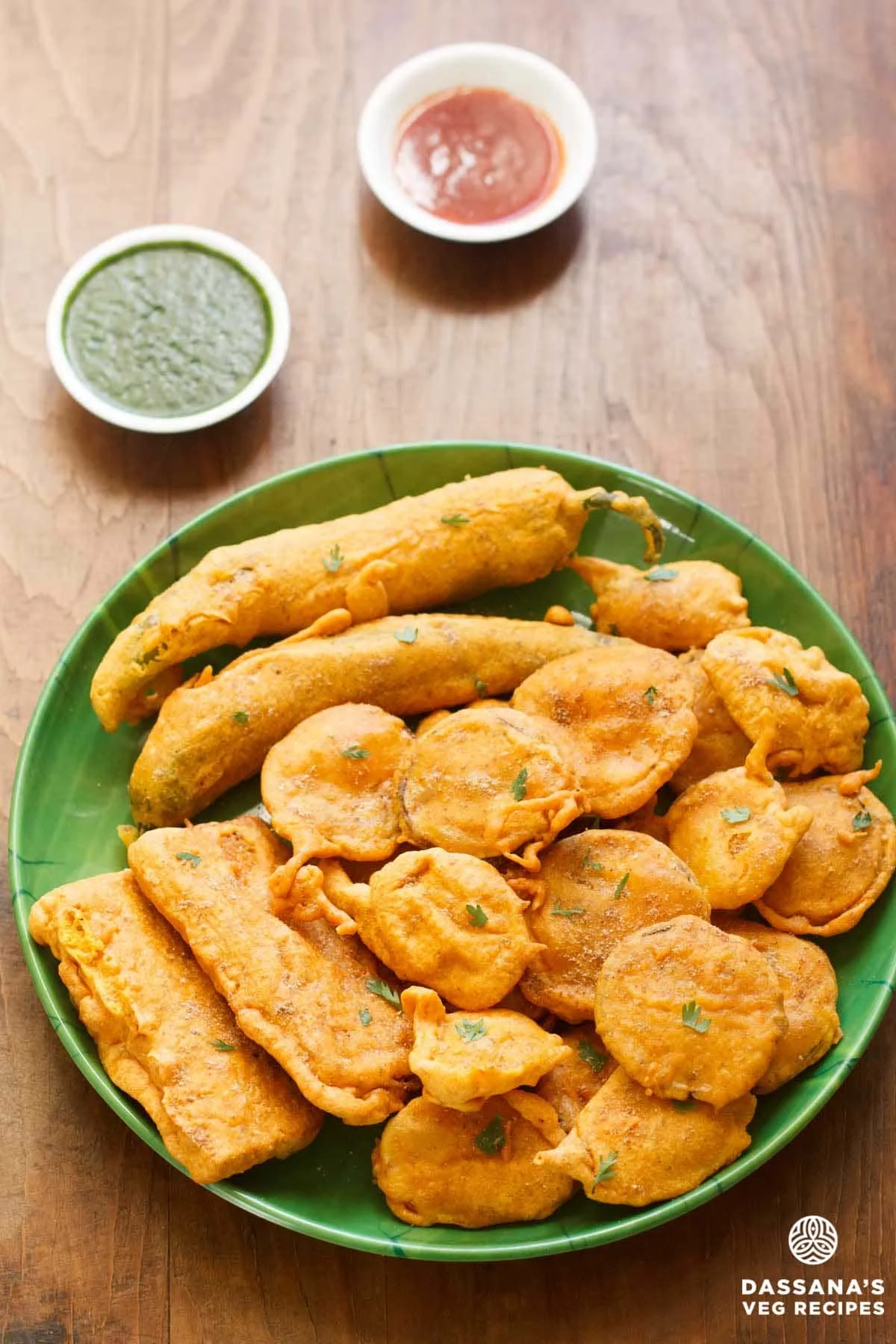
In the vast and vibrant tapestry of Indian gastronomy, few items hold as much universal appeal as the bhajiya. These crisp, golden fritters, synonymous with the rhythmic patter of monsoon rains and the bustling energy of urban street corners, represent more than just a snack; they are a cultural institution. Across the Indian subcontinent, the bhajiya—and its linguistic cousins, the pakora and bajji—serves as a bridge between social classes, a staple of festive celebrations, and a testament to the sophisticated simplicity of traditional cooking techniques.
Main Facts: Defining the Bhajiya Phenomenon
A bhajiya is essentially an Indian fritter composed of vegetables or other core ingredients coated in a seasoned gram flour (besan) batter and deep-fried to a precise level of crispness. While the term "bhajiya" is most commonly utilized in the linguistic landscapes of Gujarat and Maharashtra, the dish is a national icon under various aliases. In Northern India, it is frequently referred to as a "pakora," while in Southern regions, the "bajji" reigns supreme.

The fundamental appeal of the bhajiya lies in its versatility. In a professional "mixed bhajiya" platter, culinary artisans utilize a variety of textures and flavors. Common components include thin slices of starchy potatoes, succulent brinjals (eggplant), large mild green chillies, and even triangles of white bread. Each ingredient interacts with the batter differently, creating a diverse sensory experience on a single plate.
Culinary historians note that the bhajiya occupies a unique space in the "Farsan" (savory snacks) and "Mithai" (sweets) shops of Western India. It is a high-demand item that requires rapid turnover to maintain its structural integrity—as any connoisseur knows, a bhajiya is at its peak of excellence within minutes of exiting the hot oil.

Chronology: The Evolution of a Culinary Process
The history of the bhajiya is intertwined with the ancient use of legumes in Indian cooking. Gram flour, derived from chana dal, has been a protein-rich staple for millennia, and the technique of deep-frying (samskara) is documented in ancient Ayurvedic texts as a method to enhance flavor and shelf life.
The Preparation Sequence
The modern preparation of a mixed bhajiya platter follows a rigorous chronological order to ensure each vegetable is cooked perfectly without compromising the batter’s crispness.

- The Batter Foundation: The process begins with the sifting of fresh gram flour. Quality control is paramount here; stale flour can introduce a rancid aftertaste that ruins the dish. The addition of rice flour is a crucial secondary step, introduced historically to lower the moisture retention of the crust, resulting in a superior "crunch."
- The Aeration Phase: Before the introduction of water, dry spices—including carom seeds (ajwain), turmeric, and red chilli powder—are incorporated. The batter is then whisked vigorously. This is not merely for mixing; it is a mechanical aeration process. Whisking incorporates air bubbles that expand during frying, allowing the chef to achieve a light, puffy coating without the necessity of chemical leavening agents like baking soda.
- Vegetable Pre-Treatment: Chronology is vital in vegetable preparation. Brinjals are sliced and immediately submerged in salted water—a process known as degorging—to prevent oxidation and remove latent bitterness. Potatoes are sliced into uniform rounds to ensure synchronized cooking times. Green chillies are deseeded to provide flavor without overwhelming capsaicin heat.
- The Frying Hierarchy: The final stage is the frying sequence. Potatoes and brinjals, which have higher water content, require a steady medium heat. Bread, which acts as a sponge, must be fried in hotter oil to ensure the exterior seals instantly, preventing the oil from saturating the crumb.
Supporting Data: Nutritional and Technical Specifications
To understand the bhajiya from a professional standpoint, one must examine the data behind the flavor. A standard serving of mixed bhajiya (approximately 4 portions) provides a significant caloric and micronutrient profile, though it is high in energy density.
Nutritional Breakdown (Per Serving):
- Calories: 554 kcal
- Protein: 19g (largely derived from the gram flour)
- Total Fat: 20g (primarily monounsaturated and polyunsaturated, depending on the frying medium)
- Carbohydrates: 76g
- Fiber: 17g
- Micronutrients: A single serving provides 1452mg of Potassium, 329µg of Folate, and 5mg of Iron.
The Chemistry of Crispness
The technical success of the bhajiya relies on the "Leidenfrost effect" and the specific gravity of the batter. The gram flour provides the structural matrix, while the rice flour acts as a moisture barrier. Data suggests that a batter with a medium-thick consistency—one that flows but coats—is optimal for a 2mm-thick vegetable slice. If the oil temperature is maintained between 175°C and 190°C (347°F – 374°F), the moisture in the vegetable evaporates rapidly, creating steam that pushes outward, preventing oil from penetrating the interior.

Official Responses: Culinary Perspectives and Expert Tips
Leading culinary experts and traditional "Maharaj" (specialist cooks) emphasize that the secret to a world-class bhajiya platter lies in the nuances of the spices and the treatment of the ingredients.
On the Role of Spices:
"The inclusion of carom seeds (ajwain) is not merely for flavor," says a veteran chef specializing in Gujarati cuisine. "It is a functional addition. Deep-fried gram flour can be heavy on the digestive system; carom seeds and asafoetida (hing) act as digestive aids, making the snack lighter on the stomach."

On Ingredient Integrity:
Experts advise that the "Bread Bhajiya" or "Bread Pakora" is often the most misunderstood component. "The bread must be slightly stale or firm," notes a street food consultant. "Fresh, soft bread collapses in the batter. You need structural integrity to withstand the heat of the oil."
On Temperature Control:
Official recipe standards emphasize the "test drop" method. Dropping a small amount of batter into the oil serves as a manual thermometer. If the batter sinks and stays, the oil is under 160°C; if it browns instantly, it exceeds 200°C. The "rising gradually" behavior is the official benchmark for the perfect fry.

Implications: The Cultural and Economic Impact of the Bhajiya
The bhajiya is more than a recipe; it is an economic driver and a cultural signifier. Its implications stretch from the micro-economies of street vendors to the global "appetizer" market.
Economic Resilience
The street food industry in India, where bhajiya is a flagship product, employs millions. The low entry cost—requiring only a stove, a kadai (heavy pan), and basic ingredients—allows for high social mobility among small-scale entrepreneurs. In cities like Mumbai and Ahmedabad, the "Bhajiya House" is a landmark, often seeing hundreds of kilograms of turnover daily during the monsoon season.

Cultural Connectivity
The "Mixed Bhajiya Platter" serves a specific social function. Because it includes multiple varieties (potato, chilli, bread, eggplant), it is the ultimate communal food. It caters to a group with diverse preferences, ensuring that there is something for everyone on a single tray. It is the quintessential accompaniment to "Masala Chai," a pairing that has become the definitive sensory shorthand for Indian hospitality.
Health and Modern Adaptation
As global health consciousness rises, the bhajiya is undergoing a technological evolution. The "Implication" for the future of this dish lies in the air-fryer revolution. While traditionalists argue that the lack of oil submersion alters the "mouthfeel," nutritional data shows a 60-70% reduction in fat content when bhajiya-style snacks are prepared in convection-based air fryers. This transition allows the bhajiya to remain relevant in a world increasingly focused on caloric restriction.

Storage and Sustainability
Finally, the bhajiya presents a challenge in the modern "delivery-app" economy. Because the coating softens as it cools due to internal moisture migration, the industry is currently investigating sustainable, ventilated packaging that can maintain the "crisp factor" during transit. For now, the professional consensus remains: the bhajiya is best enjoyed at the source, where the transition from the golden oil to the plate is measured in seconds.
In conclusion, the bhajiya is a masterclass in culinary balance—balancing heat with crunch, spice with starch, and tradition with the demands of a fast-paced modern world. Whether served with a spicy green chutney or a sweet tamarind dip, it remains an enduring symbol of India’s rich and accessible food heritage.
