

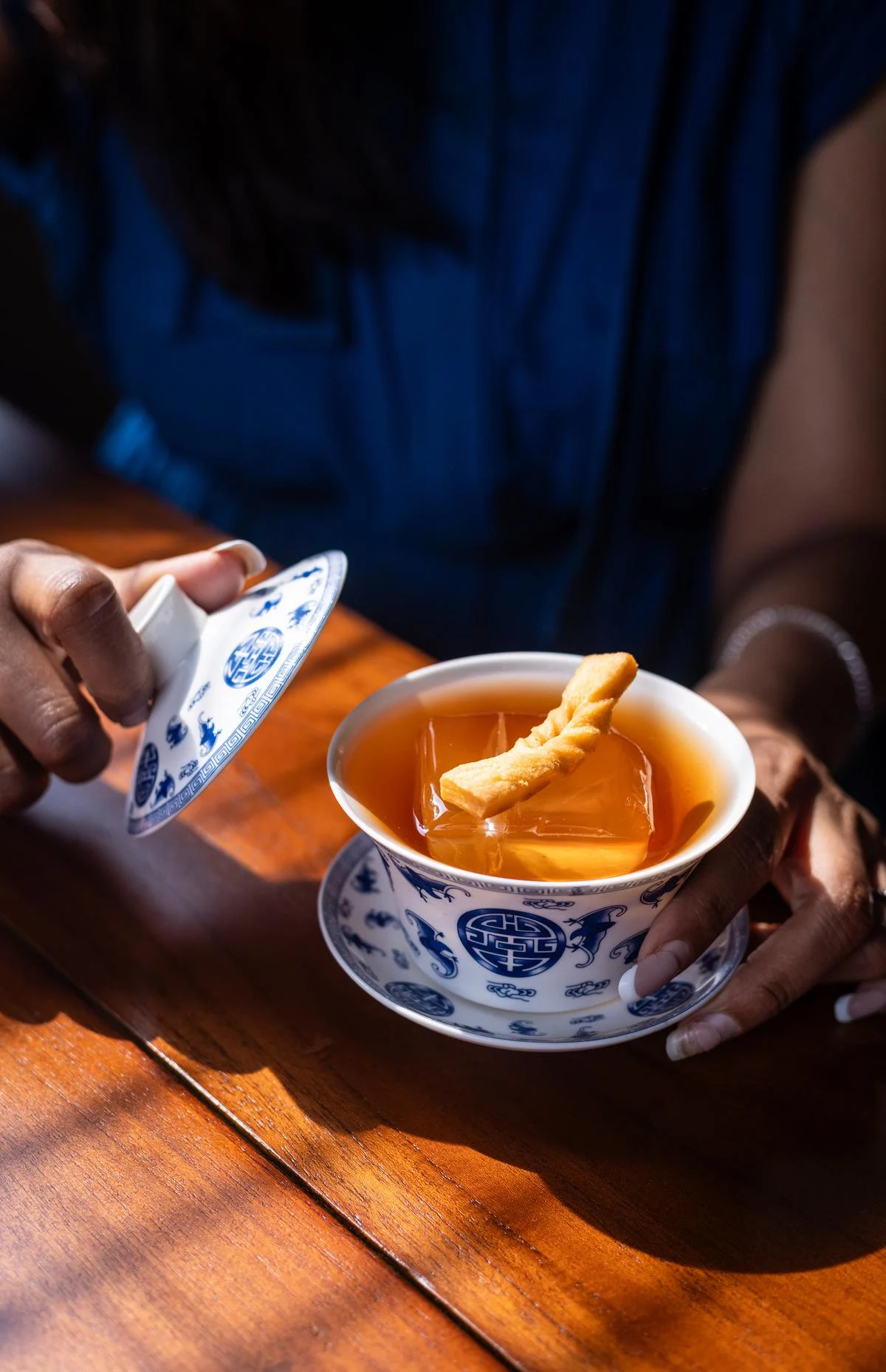
The first scent of the Indian monsoon is more than just a meteorological shift; it is an olfactory phenomenon known as petrichor—the earthy aroma produced when rain falls on dry soil. For generations, this scent has triggered a Pavlovian craving for piping hot chai and crispy pakoras. However, a new wave of Indian mixologists is redefining this seasonal transition. Moving beyond deep-fried snacks, the contemporary Indian bar scene is now distilling the essence of the rains into sophisticated libations.
From the rain-drenched hills of Meghalaya to the tropical coastlines of Goa and Chennai, bartenders are leveraging indigenous ingredients—aromatic jackfruit, piquant jamun, luscious guavas, and even ghee—to create a seasonal beverage map that mirrors the country’s diverse geography.

Main Facts: The Intersection of Seasonality and Spirits
The 2024-2025 monsoon season has seen a significant shift in the Indian beverage industry, characterized by "hyper-localism." Bartenders are no longer relying on imported syrups or year-round staples; instead, they are timing their menus to the precise arrival of seasonal fruits and the specific atmospheric changes brought by the rains.
Key highlights of this movement include:

- The Rise of Rain-Based Spirits: The emergence of brands like Cherrapunji Eastern Craft Gin, which utilizes actual rainwater in its distillation process, marking a world-first in regional spirits.
- Botanical Nostalgia: The use of ingredients like jackfruit and jamun, which carry deep cultural and nostalgic weight in Indian households, now being transformed into preserves and cordials for high-end cocktails.
- Technical Innovation: The application of advanced techniques such as fat-washing (using ghee), hydrosol creation (earthen pot distillations), and acid-adjusting to mimic the "mood" of the weather.
- Deconstruction of Spirit Myths: A move away from the traditional "dark spirits for winter, white spirits for summer" dichotomy, with tequila and gin being adapted for the cooler, humid monsoon months.
Chronology: From Scorching Summer to the First Splash
The transition of the Indian bar menu follows the strict chronology of the subcontinent’s weather patterns.
Late May – Early June: The Anticipation
As the heat peaks, the "Summer-Monsoon" bridge menu appears. This period focuses on stone fruits and berries that thrive just before the heavy rains, such as mulberries and gooseberries. Mixologists begin preparing "saccharums" (sugar-extracted fruit oils) and preserves to capture the fleeting flavors of the pre-monsoon harvest.

Mid-June: The Arrival (Pehli Barish)
The first hit of rain marks the debut of "Petrichor" cocktails. Bartenders like Karan Dhanelia, winner of World Class India 2026, focus on the "earthiness" of the season. This is when ingredients like hojicha (roasted green tea) and aerated earthen pot hydrosols are introduced to mimic the scent of wet tree bark and parched earth meeting water.
July – August: The Heavy Downpour
As the monsoon establishes itself, the focus shifts to warmth and preservation. In the North, the influence of the hills brings butter tea and fermented kombucha into the bar. In the South and West, the jackfruit and jamun reach their peak. This is the era of the "Preserve Cocktail," where fruits are turned into jams to provide a rich, viscous mouthfeel that stands up to the high humidity and cooler evenings.

Supporting Data: The Regional Botanical Profile
To understand the complexity of these cocktails, one must look at the regional data and specific ingredients being utilized across the country.
The North and the Himalayan Influence
In the Delhi NCR region, spearheaded by pioneers like Minakshi Singh (co-founder of Sidecar and The Brook), the menu is a reflection of the "hill markets."

- Key Ingredients: Litchi, jamun, Darjeeling tea (second flush), and Tibetan-style butter.
- Technique: "Ghee-washing" vodka or gin provides a savory, silky texture that mirrors the comfort of monsoon food.
The East: Rain as an Ingredient
Meghalaya, home to the wettest places on earth (Mawsynram and Cherrapunji), provides a unique data point.
- The Spirit: Cherrapunji Eastern Craft Gin uses rainwater and local botanicals like the Khasi Mandarin and Kaji Nemu (Assam Lemon).
- The Profile: Smoky undertones from wild black pepper and cardamom are used to echo the fog and changing weather patterns of the Khasi hills.
The South-West: The Nostalgia of the Orchard
In Chennai and Goa, the focus is on the "generous" fruits of the summer-monsoon transition.

- Jackfruit: Karl Fernandes of Roc-a-Coe highlights that jackfruit flesh, once seeds are removed, creates a dense, aromatic base that pairs equally well with the crispness of gin or the oaky notes of whisky.
- Kokum and Jaggery: In Goa, the use of kokum (a souring agent) and jaggery-based spirits (like Goa Dark) provides a tart, warming profile that differs from the sugary sweetness of commercial rums.
Official Responses: Insights from the Masters
The shift toward monsoon-centric mixology is backed by the philosophy of India’s most decorated bartenders.
Karan Dhanelia, Bartender of the Year 2026, emphasizes the sensory connection:
"There is a feeling every Indian knows—that first hit of rain on dry earth. We use Don Julio Blanco because its earthiness mirrors the season. When you add a custard apple hydrosol, you aren’t just making a drink; you’re recreating a specific moment in the Indian calendar."

Minakshi Singh, Co-founder of Sidecar, challenges traditional spirit categories:
"We do not buy into the myth of dark spirits only for colder months. We balance white and dark. Our ‘Pho Cha’ cocktail takes the concept of butter tea from the hills—using ghee-washed vodka and tea wine—to create something that feels locally beloved yet technically sophisticated."
Mayukh Hazarika, Founder of Cherrapunji Eastern Craft Gin, discusses the landscape-liquid connection:
"Drinking this gin during the rains feels like experiencing the landscape in liquid form. The Burmese Coriander Smash, for instance, uses the herbaceous lift of fresh coriander to amplify the gin’s subtle smoky finish, which is designed to emerge gracefully on the palate as the weather cools."

Karl Fernandes, Curator at Roc-a-Coe, focuses on the breakfast-to-bar transition:
"Some of the best breakfasts in South India begin with fruit preserves. By turning ripe jackfruit into a jam for a ‘Breakfast Martini,’ we capture a fleeting season and turn it into a versatile ingredient that works for both gin and whisky lovers."
Implications: The Future of Seasonal Mixology
The move toward monsoon-themed cocktails has several long-term implications for the Indian F&B industry:

- Supply Chain Localization: Bars are increasingly bypassing international distributors for local farmers. This "farm-to-shaker" model supports regional agriculture, particularly for fruits like jamun and jackfruit that have historically had shorter shelf lives.
- The "Glocal" Standard: Indian bars (like Sidecar and those featured in Asia’s 50 Best Bars) are proving that indigenous ingredients can be treated with global techniques (clarification, fat-washing, hydrosols). This elevates the "Indian identity" in the global spirits market.
- Sustainability and Rainwater Harvesting: The success of spirits like Cherrapunji Gin suggests a future where environmental factors (like rainfall) are not just challenges to be managed, but resources to be celebrated and marketed.
- The Rise of Zero-ABV Sophistication: The monsoon trend extends to non-alcoholic serves. The use of spiced jamun syrups and "Mojito Mint" by brands like Monin India shows that the demand for complex, seasonal flavors exists across all consumer segments, regardless of alcohol consumption.
Seasonal Recipe Index: Distilling the Rain
For those looking to replicate the monsoon experience, these professional formulations offer a blueprint:
1. The Earthy Narrative: Pehli Barish (by Karan Dhanelia)
- Ingredients: 50ml Tequila Blanco, 20ml Hojicha tea cordial, 90ml aerated earthen pot hydrosol with custard apple.
- The Edge: A black pepper rim provides a sharp, heat-driven contrast to the cooling "wet earth" flavors of the tea and tequila.
2. The Comfort of the Hills: Pho Cha (by The Brook)
- Ingredients: 45ml Ghee-washed vodka, 20ml tea wine, 5ml brown butter syrup, 8 drops Himalayan pink salt saline.
- The Edge: This cocktail utilizes "fat-washing," a technique where liquid fat (ghee) is infused into the spirit and then frozen and strained out, leaving behind a velvety texture and rich aroma without the greasiness.
3. The Botanical Smash: Burmese Coriander Smash (by Mayukh Hazarika)
- Ingredients: 60ml Cherrapunji Eastern Craft Gin, fresh coriander, 20ml lime juice, 15ml sugar syrup.
- The Edge: Gentle muddling of coriander releases essential oils that bridge the gap between the citrus notes of the gin and the humidity of the rain.
4. The Nostalgic Preserve: Jackfruit Whisky Sour (by Karl Fernandes)
- Ingredients: 60ml Whisky, 15ml fresh lime juice, 2 bar spoons homemade Jackfruit Jam.
- The Edge: Garnished with a rice wafer spread with jam, this drink transforms a traditional "Sour" into a culinary experience.
As the monsoon continues to sweep across the subcontinent, the Indian bar remains a vital space for cultural expression. By distilling the scent of the earth and the flavor of the orchard, these mixologists are ensuring that the rain is not just something to be watched from a window, but something to be savored in a glass.
