

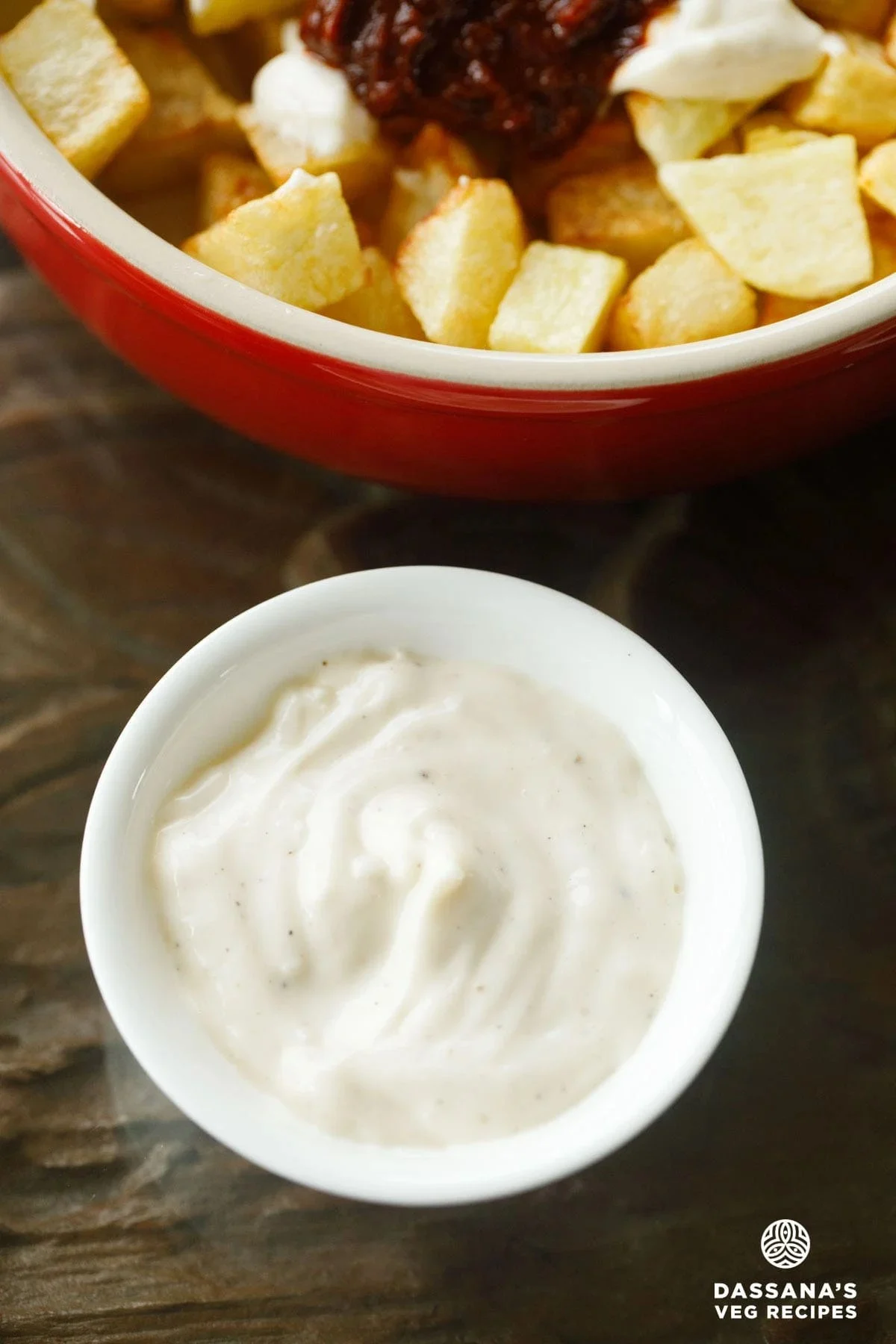
The landscape of home cooking has undergone a significant transformation over the last decade. As consumers move away from highly processed, preservative-laden store-bought condiments, there has been a resurgence in the art of the "quick scratch" sauce. Leading this movement is the modern iteration of Garlic Aioli—a Mediterranean classic that has been streamlined for the contemporary kitchen without sacrificing its punchy, sophisticated profile.
Recently, culinary expert and vegetarian chef Dassana Amit, founder of the acclaimed Veg Recipes of India, unveiled a definitive guide to a mayonnaise-based garlic aioli. This version, while a departure from the labor-intensive emulsions of the past, represents a broader trend in the culinary world: the democratization of gourmet flavors through simplified techniques and accessible ingredients.
Main Facts: The Anatomy of the Perfect Aioli
At its core, aioli is a sauce traditionally made by pounding garlic with olive oil until a thick, creamy emulsion is formed. However, in modern professional and home kitchens, the term has evolved to include garlic-flavored mayonnaises that provide the same rich mouthfeel with significantly less risk of the sauce "breaking."

Amit’s specific recipe focuses on four primary pillars:
- The Base: High-quality mayonnaise (either homemade or premium store-bought).
- The Aromatic: Freshly minced garlic, which provides the signature "bite."
- The Acid: Freshly squeezed lemon juice to cut through the fat.
- The Seasoning: Freshly cracked black pepper for a subtle, earthy heat.
Unlike many contemporary recipes that suggest adding extra virgin olive oil to the mayonnaise, Amit argues for a "less is more" approach. By relying on the existing richness of the mayonnaise, the recipe remains light enough to serve as a versatile dip while being robust enough to stand up to heavy fried foods. The result is a sauce that comes together in under five minutes but offers a flavor profile that rivals high-end bistro accompaniments.
Chronology: From Ancient Mortars to Modern Whisks
To understand the significance of this simplified aioli, one must look at the sauce’s historical trajectory. The journey of aioli is a timeline of culinary adaptation.

The Mediterranean Roots (The Traditional Era)
The word "aioli" literally translates to "garlic and oil" (all i oli) in Catalan and Provençal. For centuries, Mediterranean cooks used a mortar and pestle to crush cloves of garlic into a paste, slowly drizzling in olive oil drop by drop. This was a test of patience and physical endurance. A single mistake in the speed of the pour would cause the oil to separate, ruining the sauce.
The Mayonnaise Hybrid (The Mid-20th Century)
As mayonnaise became a global pantry staple, chefs began to realize that the egg yolks in mayo acted as a powerful stabilizer. By using mayonnaise as a base, the "aioli" flavor profile could be achieved with 100% success rates. This version became a staple in French bistros, served alongside frites and seafood platters.
The Dassana Amit Method (The Modern Refinement)
The current recipe shared by Amit represents the pinnacle of this evolution—optimizing the process for the home cook. The chronology of the preparation is as follows:

- Step 1: Selection of the Base. The process begins with half a cup of mayonnaise. The choice of mayo is critical, as it dictates the final texture.
- Step 2: The Infusion. Finely minced garlic and cracked black pepper are added. The fineness of the mince is vital; large chunks of garlic can be overwhelming, while a fine mince allows the oils to distribute evenly.
- Step 3: The Acidulation. One teaspoon of fresh lemon juice is integrated. This step is non-negotiable in modern aioli, as it provides the brightness necessary to balance the sulfurous notes of the garlic.
- Step 4: The Homogenization. The mixture is whisked until smooth.
- Step 5: The Resting Period. Perhaps the most overlooked step in the chronology, the sauce is left to sit for 10 to 15 minutes. This allows the allicin in the garlic to mellow and the flavors to meld into a cohesive unit.
Supporting Data: Nutritional Profile and Technical Precision
In a professional culinary context, data and precision are what separate a good sauce from a great one. The nutritional and technical data behind this garlic aioli reveal why it is such a satisfying addition to a meal.
Nutritional Breakdown
Based on a standard serving size, the aioli is calorie-dense, reflecting its Mediterranean heritage where fats are a primary source of energy and flavor.
- Calories: 242 kcal
- Total Fat: 24g (Saturated Fat: 3g)
- Sodium: 213mg
- Carbohydrates: 3g
- Vitamin C: 1mg (derived from the fresh lemon juice)
The Chemistry of the "Rest"
Scientific observation of garlic-based sauces shows that the flavor profile changes over time. When garlic is minced, it releases an enzyme called alliinase, which creates allicin. This compound is responsible for the "hot" or "burning" sensation of raw garlic. By allowing the aioli to rest for 15 minutes, the acid in the lemon juice and the fats in the mayonnaise slightly denature these enzymes, resulting in a "rounded" flavor that is fragrant without being harsh.

Technical Tips for Success
To ensure the highest quality results, the following data-driven tips are recommended:
- Temperature: Garlic releases its oils more effectively at room temperature.
- Acid Source: Bottled lemon juice often contains preservatives that can give the aioli a metallic aftertaste. Freshly squeezed juice is essential for the chemical balance of the sauce.
- Garlic Ratio: The recipe calls for ½ teaspoon of minced garlic per ½ cup of mayo. This ratio (approximately 1:48) is the "sweet spot" for a sauce that is intended to be a versatile accompaniment rather than a dominant condiment.
Official Responses: Insights from the Chef’s Table
Dassana Amit, a professionally trained vegetarian chef with credentials from Le Cordon Bleu, provides the "official" perspective on why this specific version of aioli has become a "go-to" in her repertoire. With over 16 years of experience in plant-based patisserie and continental cooking, Amit’s endorsement of a recipe carries significant weight in the culinary community.
"Whenever I need a quick dipping sauce or sandwich spread, this is the garlic aioli I make," Amit states. Her philosophy emphasizes that home cooking does not need to be complicated to be "honest and soulful."

Amit addresses the common critique regarding the use of mayonnaise versus the traditional olive oil emulsion. She notes that because modern high-quality mayonnaise already provides a "rich and creamy texture," the addition of extra virgin olive oil is often "unnecessary." This pragmatic approach to cooking—prioritizing flavor and texture over rigid adherence to ancient techniques—is a hallmark of her culinary style.
Furthermore, Amit highlights the versatility of the sauce. While traditionally paired with seafood in Mediterranean cultures, her vegetarian-focused application expands its utility to include Patatas Bravas, Peri Peri fries, roasted cauliflower, and even as a sophisticated spread for veggie burgers and wraps like Shawarma.
Implications: The Future of the "Sauce Culture"
The rise of recipes like Amit’s Garlic Aioli has broader implications for the food industry and home dining habits.

1. The Decline of Pre-Packaged Condiments
As consumers become more educated about ingredients, the "five-minute homemade sauce" is replacing the plastic squeeze bottle. The implication is a shift toward "clean label" eating, where the cook has total control over the sodium and preservative content of their food.
2. The Elevation of Simple Ingredients
This aioli demonstrates that "gourmet" is a matter of technique rather than expensive ingredients. By applying a few professional tips—like the 15-minute rest period—a home cook can elevate a humble potato wedge into a restaurant-quality dish. This empowers consumers and reduces the reliance on dining out for "special" flavors.
3. Culinary Fusion and Adaptability
The inclusion of garlic aioli in diverse cuisines—from Indian-inspired Peri Peri fries to Middle Eastern Shawarma—shows the globalization of flavor. The sauce acts as a "culinary glue," a neutral yet flavorful bridge that can unite disparate ingredients.

4. Dietary Flexibility
The recipe’s adaptability for vegan diets (by simply swapping for a plant-based mayonnaise) ensures its relevance in a market that is increasingly leaning toward veganism and flexitarianism.
Conclusion
The Garlic Aioli recipe provided by Dassana Amit is more than just a condiment; it is a case study in modern culinary efficiency. By stripping away the difficulty of the traditional emulsion and focusing on the core chemistry of garlic, lemon, and fat, it provides a blueprint for the future of home cooking. It proves that in the fast-paced world of the 21st century, the most enduring recipes are those that respect tradition while embracing the convenience of the modern pantry. Whether served with a side of crispy French fries or spread across a toasted brioche bun, this aioli remains a testament to the power of simple, well-executed flavors.
