

In an era where travel is often measured by the aesthetic appeal of an Instagram "reel" or the social currency of a famous Parisian café, a different kind of movement is taking root in the heart of rural India. For Nisha Vikram, the founder of the Bengaluru-based design studio CraftCanvas, travel is not a pursuit of the curated, but a surrender to the unpredictable.
While the modern traveler seeks the "white Christmas" of Scandinavia or the plastic anime toys of South Korea, Vikram’s itinerary leads to the mud-walled homes of Hazaribagh, Jharkhand, where artisans paint murals inspired by ancient cave art during the harvest season. This philosophy of "slow travel" has not only shaped her personal life but has also built a bridge between India’s vanishing artisanal traditions and contemporary design markets.
The Genesis of a Movement: From Corporate Suites to Monsoon Rain
The transition from a structured corporate life to the fluid world of craft conservation was not a calculated business move, but the result of a single, impulsive "yes." In 2008, while still immersed in the corporate world, Vikram accepted an invitation from a stranger to embark on a journey inspired by Alexander Frater’s seminal book, Chasing the Monsoon: A Modern Pilgrimage Through India.
The trip was the antithesis of a luxury vacation. Traveling by train from Mumbai and driving down the rain-lashed coast of Goa and Karnataka, the group embraced the chaos of the Indian monsoon. They trekked the Yana caves in Gokarna, waded through muck to free stuck vehicles, and slept in shared dormitories.

"Those people are my family now," Vikram reflects. Beyond the personal bonds, this journey provided the foundational support for her entrepreneurial dream. It was this group of "strangers" who first provided the capital to launch CraftCanvas, a studio that now works with over 30 craft traditions across India, integrating artisanal heritage into modern architectural and interior spaces.
A Chronology of Discovery (2009–2017)
Vikram’s methodology for scouting crafts is rooted in a pre-digital sensibility. Relying on the landmark text Handmade in India by Aditi and M.P. Ranjan, she has spent over a decade navigating the country’s hinterlands.
2011: The Stone Carvers of Shivarapatna
Equipped with nothing but a printed page from the Ranjans’ book and a Nokia GPS that failed shortly after leaving Kolar, Vikram sought the stone carvers of Shivarapatna, Karnataka. In the absence of digital maps, she relied on the local intelligence of a tea-shop owner. This journey led to the discovery of a community of master carvers whose work represents a lineage of temple architecture and idol-making that dates back centuries.
2014: The Hidden Lotus Pond
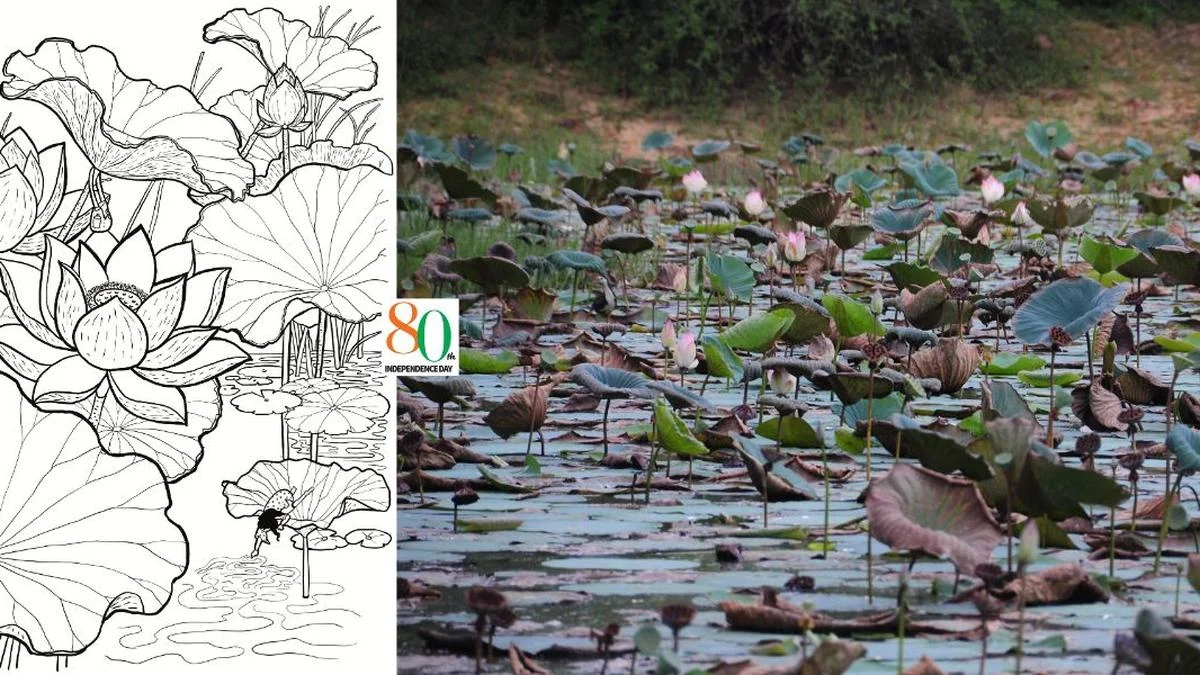
While traveling between Kumbakonam and Thanjavur in Tamil Nadu, a spontaneous stop led to the discovery of a hidden lake covered in giant lotuses. The location had no "pin" on Google Maps and appeared in no guidebook. For Vikram, this moment crystallized her life anthem: “Nazare bhi humse mile” (The sights will come to meet you)—a line from singer Lucky Ali that advocates for being present enough to let experiences find the traveler.

2015: The Festivals of Upper Kinnaur
In Upper Kinnaur, Himachal Pradesh, Vikram’s group arrived at a village temple during an annual festival. They witnessed a rare display of hand-woven bridal attire and traditional jewelry, worn by every married woman in the village. This "treasure" of textile knowledge was found by chance, illustrating the wealth of intangible heritage that remains undocumented in the mainstream travel industry.
2017: Chamba and the Chamba Rumal
Even during her third trimester of pregnancy, Vikram’s dedication to craft led her to Chamba, Himachal Pradesh. The trip involved a meeting with Padma Shri Lalita Vakil, a legendary figure in the preservation of the Chamba Rumal (a unique form of embroidery often called "needle-painting"). Despite the physical toll and the logistical challenges of staying in a remote, "shady" hotel, the morning revealed a magnificent river landscape that reinforced the value of the "picturesque over the practical."
Supporting Data: The Economic and Cultural Landscape of Indian Crafts
The significance of Vikram’s work and the locations she visits is backed by the sheer scale of India’s artisanal sector.
- The Artisanal Economy: According to various estimates, the handicraft sector is the second-largest employer in rural India, following agriculture. However, it remains highly fragmented.
- The Role of CraftCanvas: By working with over 30 traditions, Vikram’s studio acts as a crucial intermediary. They translate traditional motifs into contemporary formats—such as wall murals for corporate offices or bespoke furniture—ensuring that the "cave-inspired murals" of Hazaribagh find a place in urban design.
- Geographical Indications (GI): Many of the crafts Vikram scouts, such as the Chamba Rumal, are protected under GI tags. These tags are essential for preventing the commercial exploitation of traditional knowledge and ensuring that the economic benefits return to the original communities.
The Digital Shift: From Information Asymmetry to Instagram Reels
The landscape of travel and craft discovery has shifted dramatically since Vikram began her journeys in 2009. Today, the "information asymmetry" that once required travelers to rely on tea-shop owners is rapidly disappearing.

The Rise of the Digital Artisan
Artisans in villages like Shivarapatna or Hazaribagh now frequently possess WhatsApp numbers, Instagram pages, and digital catalogues. This connectivity allows them to bypass traditional middlemen and receive orders directly from global clients. "Somebody’s [location] pin might be the reason an artisan’s daughter can afford college this year," Vikram acknowledges.
The Loss of Adventure
However, the "democratization of discovery" comes with a cost. The proliferation of Zomato ratings for remote tea stalls and "influencer" guides to hidden lakes has made the kind of adventure Vikram seeks harder to find. The "romantic" methodology of arriving without a fixed expectation is increasingly at odds with a world that demands pre-booked, "Instagrammable" moments.
Official Responses and Expert Perspectives
While the narrative is personal, it aligns with broader cultural conservation efforts. Experts in the field of Indian heritage often emphasize that tourism must evolve from "consumption" to "engagement."
The late M.P. Ranjan, co-author of Handmade in India, frequently argued that design is a powerful tool for social change. By integrating traditional crafts into modern life, designers like Vikram are fulfilling a mandate to keep India’s "living traditions" from becoming mere museum artifacts.

Cultural historians also note that the "chance encounters" Vikram describes are essential for the survival of oral histories. When a traveler sits with an artisan for hours, they are not just buying a product; they are participating in the preservation of stories that no digital catalogue can fully capture.
Implications: The Future of Travel and Heritage
The tension between Vikram’s "slow travel" and her daughter’s desire for "Instagram-famous" cafes represents a broader generational shift in how we perceive the world. However, the implications of Vikram’s philosophy extend beyond personal preference:
- Sustainable Livelihoods: By prioritizing the "slow path," travelers and designers can foster more sustainable, long-term relationships with artisanal communities, rather than the "hit-and-run" tourism that often leaves locals exploited.
- Psychological Well-being: Vikram argues that being "unscheduled and present" allows travelers to feel part of "something larger than themselves." In an age of digital burnout, this form of travel offers a necessary psychological reprieve.
- Preservation of Intangible Heritage: Without the willingness to go where there is no "location pin," many of India’s most delicate traditions—like the specific bridal weaves of Kinnaur—may eventually vanish from the public consciousness.
As Nisha Vikram prepares for her next trip to Hazaribagh, she remains a steadfast advocate for the unpredictable. Her journey suggests that while the "chill" of a famous café has its allure, the true soul of a place is found only when one stops looking for a photo-op and starts looking for a connection. For the next generation, including her eight-year-old daughter, the lesson remains: the most vibrant colors of the world are often found on the walls of a home you weren’t looking for, in a village that isn’t on the map.
