

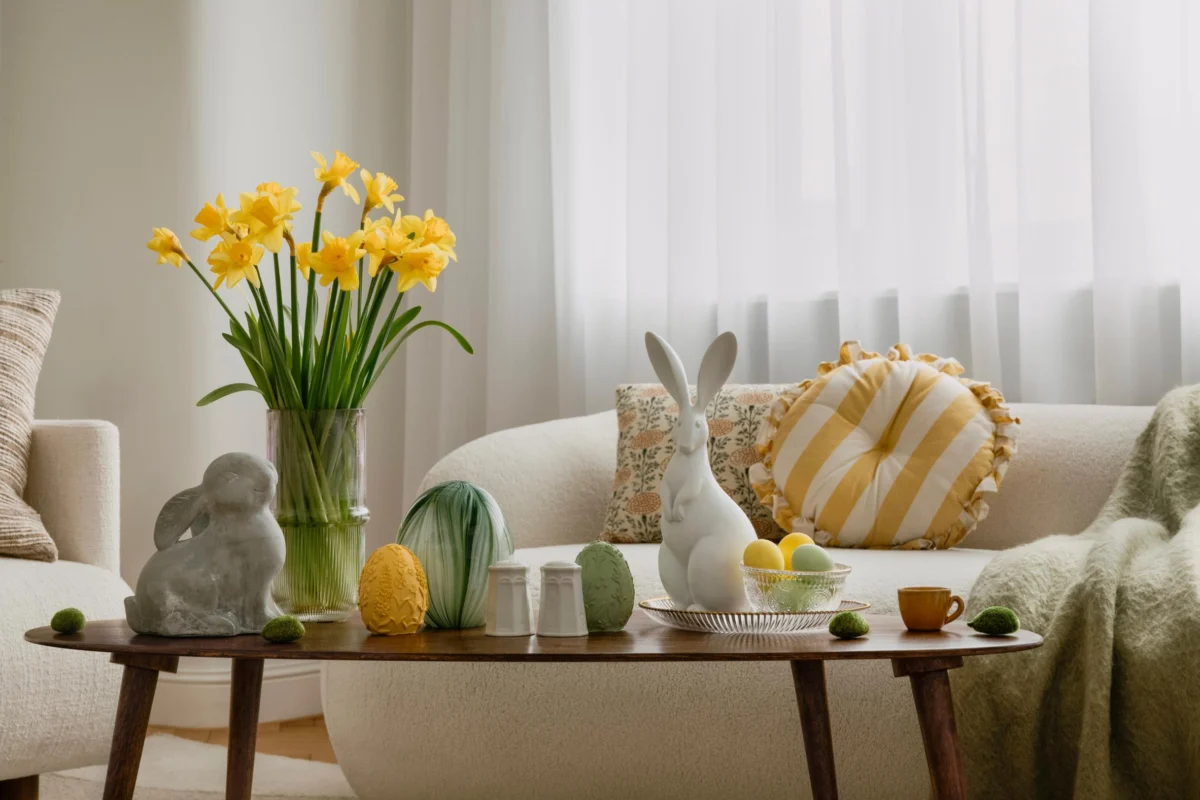
In the contemporary landscape of interior design, a peculiar paradox has emerged. A home can be architecturally flawless, featuring furniture with perfect proportions and a color palette that aligns precisely with the season’s most celebrated trends, yet remain entirely devoid of character. To walk through such a space is to experience the "quiet failure" of the showroom look—a design approach that borrows its confidence from a catalog but, in the process, strips away the individual identity of its inhabitants.
As the real estate and home décor markets continue to expand, a growing movement of designers and homeowners is pushing back against this homogenization. The focus is shifting from "decorating" to "curating," emphasizing that a home should not be a static display of wealth or trend-awareness, but a living, breathing reflection of a person’s history, habits, and values.
Main Facts: The Crisis of the "Catalog Home"
The primary issue with modern interior design is the speed and convenience of mass-market retail. While global furniture chains have democratized aesthetics, making "good design" accessible to the masses, they have also created a world of interchangeable interiors. The "showroom look" fails because it is designed for a hypothetical occupant rather than a real one. It prioritizes visual cohesion over personal resonance.
Industry experts argue that a home shaped by its actual occupants works in direct opposition to the showroom model. A truly personal home does not arrive fully coordinated in a single delivery truck. Instead, it gathers character slowly. It is a composite of pieces found over time: a custom-made desk designed for an awkward alcove, a vintage rug inherited from a relative, or a bold, "rule-breaking" piece of art that somehow anchors the entire room.
This transition from "staged" to "lived-in" does not necessarily require a larger budget; rather, it requires a shift in mindset. It is the result of choosing on purpose rather than choosing quickly.
Chronology: The Evolution of Interior Personalization
The way we view our domestic spaces has undergone a significant transformation over the last century:
- The Pre-Industrial Era: Homes were inherently personal because furniture was either inherited or commissioned from local craftsmen. Every piece was a response to a specific need or a family’s specific history.
- The Mid-20th Century (Mass Production): The post-war era introduced mass-produced furniture sets. For the first time, middle-class families could buy "matching" living room suites, signaling a shift toward standardized aesthetics.
- The Late 20th Century (The Designer Era): High-end interior design became a status symbol, often leading to homes that looked like museum galleries—beautiful but untouchable.
- The Early 21st Century (The Digital Influence): The rise of Pinterest and Instagram created a "trend cycle" on steroids. Homeowners began chasing specific "looks" (e.g., Millennial Pink, Industrial Chic, Farmhouse Modern) that looked great in photographs but felt hollow in person.
- The Current Era (The Slow Design Movement): Today, there is a burgeoning "Slow Design" movement. Much like "Slow Food," this philosophy encourages homeowners to resist the urge to furnish a house in a single weekend, advocating for a layered, intentional approach that prioritizes sustainability and personal narrative.
Supporting Data: 6 Pillars of Personal Design
To move away from the sterility of the showroom and toward a space that reflects individual personality, design consultants highlight six fundamental strategies:
1. Start from What You Already Treasure
Personal rooms often begin with objects that were never intended to be "décor." An antique brass lamp, a painting purchased during a meaningful trip, or a collection of well-loved books provide a groundedness that store-bought items cannot. Designers suggest building a room around these treasures rather than trying to squeeze them into a pre-determined scheme. Trends are seasonal; meaning is permanent.
2. Let Color Carry Personal Meaning
Color is the most immediate way to inject personality into a room, yet it is often the first thing homeowners compromise on, opting for "safe" neutrals to maintain resale value. However, a color chosen because it evokes a memory—the terracotta of a childhood home or the specific green of a favorite coastline—will always outlast a trending shade. Made-to-order furnishings allow for this level of specificity, enabling homeowners to match textiles to memories rather than stock availability.
3. Prioritize Precision and Proportion
A hallmark of the "staged" home is furniture that almost—but doesn’t quite—fit. Standard-sized rugs that leave awkward gaps or window seats that stop short of the frame signal that the items were bought off-the-shelf. Custom-fitted pieces, designed for the unique dimensions of a room, create a sense of harmony that guests can feel even if they cannot immediately identify the cause.
4. Prefer Craft Over Machine-Made
In an age of mechanical perfection, imperfection has become a luxury. Handmade items—be it a hand-knotted rug or a hand-turned wooden bowl—carry the "marks of the maker." These slight variations provide a tactile warmth and honesty. Furthermore, choosing craft over mass production supports artisanal heritage and promotes a more sustainable consumption model.
5. The Art of Slow Layering
The "single-purchase room" is the enemy of personality. Homes with real depth are layered over years. This process allows for the integration of new, old, commissioned, and inherited pieces. This temporal depth creates a visual narrative that no amount of money spent in a single afternoon can replicate.
6. Design for Actual Utility
A home should be a tool for living. A family that prioritizes reading requires different lighting and seating configurations than one that frequently hosts large dinner parties. Modern "consultation-led" design focuses on how a space is used on a Tuesday night, not just how it looks for a Saturday photo shoot. This functional honesty is where true comfort resides.
Official Responses: Industry Perspectives on Personalization
Major players in the home furnishing and real estate sectors are beginning to acknowledge this shift. In recent statements, design directors from leading sustainable lifestyle brands have emphasized that the future of the industry lies in "bespoke accessibility."
"We are seeing a decline in the demand for ‘sets,’" says one leading interior consultant. "Clients no longer want the bedroom suite that matches the wardrobe. They want to know the story behind the material, and they want the ability to customize dimensions to fit their specific urban floor plans. They are looking for a consultation, not just a transaction."
Furthermore, real estate experts are noting that "over-staged" homes can sometimes deter buyers who find it difficult to envision their own lives in such a rigid environment. A home that shows evidence of a life well-lived often feels more "homey" and inviting to prospective buyers than one that feels like a cold furniture gallery.
Implications: The Psychological and Environmental Impact
The move toward personalized, intentional home design has broader implications beyond aesthetics:
Mental Well-being: Environmental psychology suggests that our surroundings deeply affect our stress levels and sense of belonging. A home that reflects one’s personality acts as a "third skin," providing a sense of security and self-actualization. Conversely, living in a space that feels "foreign" or purely performative can contribute to a sense of detachment.
Sustainability: The "Slow Design" approach is inherently more sustainable. By choosing pieces that we truly love and that are built to fit our specific spaces, we reduce the likelihood of furniture ending up in landfills when the next trend arrives. Investing in craft and quality over mass-produced "fast furniture" is a crucial step toward a circular economy.
The End of the "Style" Monopoly: We are entering an era where "style" is no longer defined by a single look (like Mid-Century Modern or Scandi). Instead, style is becoming synonymous with authenticity. The best homes are becoming unrecognizable by traditional style labels because they are a unique hybrid of the people who live within them.
Conclusion: The Unfakeable Home
Ultimately, personality in interior design is not about decoration performing as self-expression; it is the real thing. It is the grandfather’s chair that stays because of its history, the "beautiful mistake" of a bold wall color that reminds you of a trip to Morocco, and the cushion that ends up in the corner where the family naturally gravitates.
A home is a living archive of a life. While a showroom can provide the tools, it cannot provide the soul. That can only be gathered over time, through intentional choices, and by having the courage to prioritize one’s own story over the dictates of a catalog. In the end, the most successful interior is the one where a visitor walks in and knows exactly whose home they are in—without having to ask.
