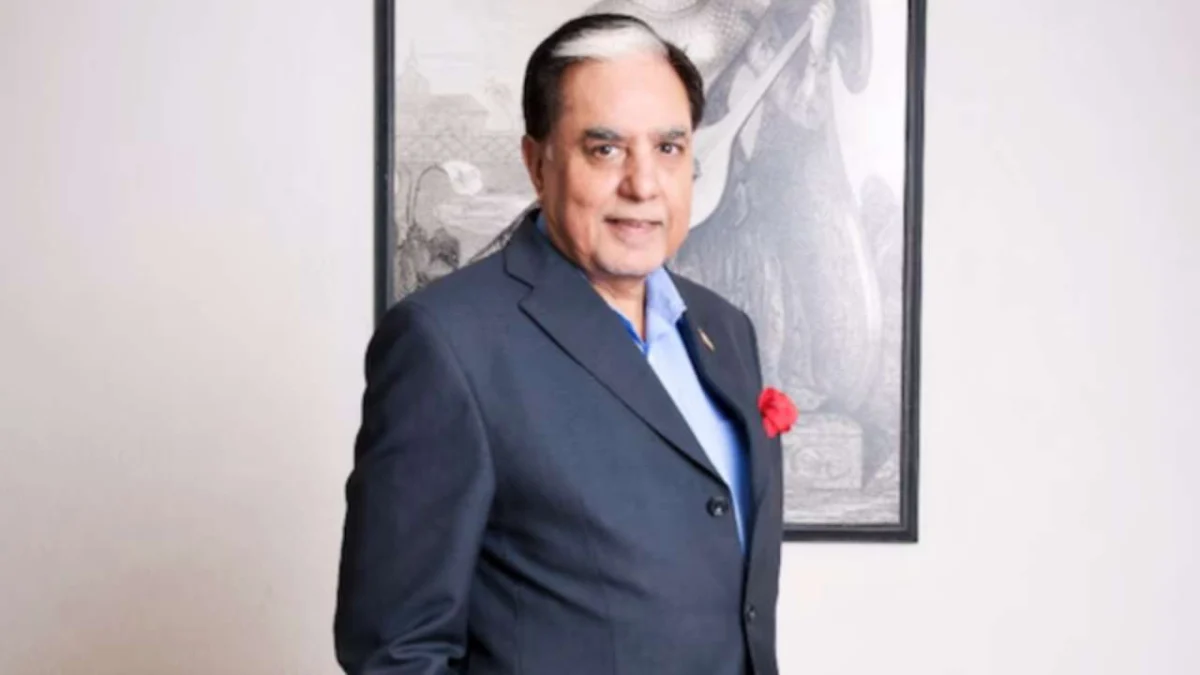
Mumbai, August 30, 2026 – Dr. Subhash Chandra, the venerable Chairman of the Essel Group, a diversified Indian conglomerate with significant interests spanning media, infrastructure, and entertainment, has stepped forward to directly address the swirling controversy surrounding personal insolvency claims lodged against him. In a comprehensive statement released today, Dr. Chandra meticulously dissected the financial intricacies behind the viral social media hashtag #PaisaWapasKaro, which has gained considerable traction over recent days, alleging personal liabilities amounting to approximately Rs 22,000 crore.
The veteran industrialist articulated a nuanced perspective, aiming to dispel what he termed "misinformed social media posts" and foster a transparent dialogue with lenders. His intervention comes at a critical juncture, as the Essel Group navigates a complex financial restructuring environment, grappling with legacy debts and evolving market dynamics. Dr. Chandra’s statement not only provides a detailed account of the amounts disbursed, repaid, and outstanding but also highlights a significant discrepancy between the claims filed by lenders and his own reconciliation of accounts, calling for an urgent and collaborative process to settle the remaining dues.
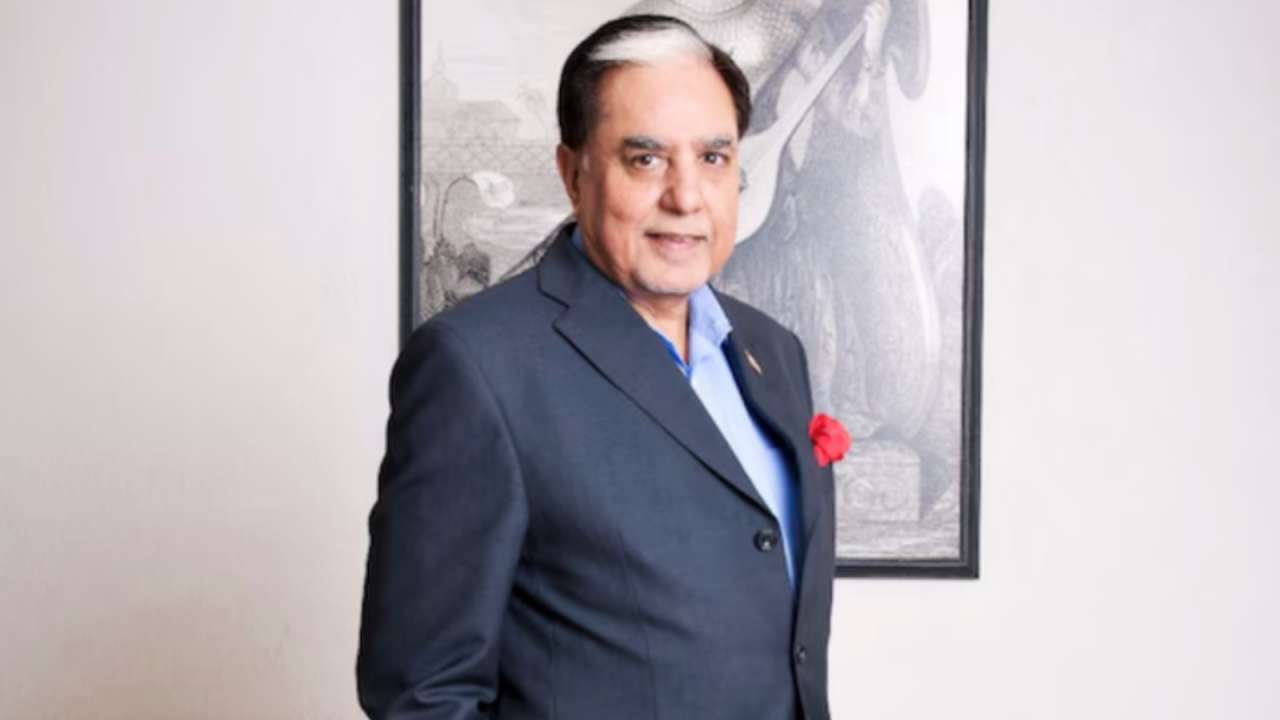
Main Facts: Unpacking the Financial Labyrinth
At the heart of the recent public outcry and the #PaisaWapasKaro campaign lies a perceived colossal debt burden attributed personally to Dr. Subhash Chandra. The Essel Group Chairman, however, presented a detailed counter-narrative, distinguishing between the total value of personal guarantees provided at the time of borrowing and the actual outstanding amount after defaults and repayments.
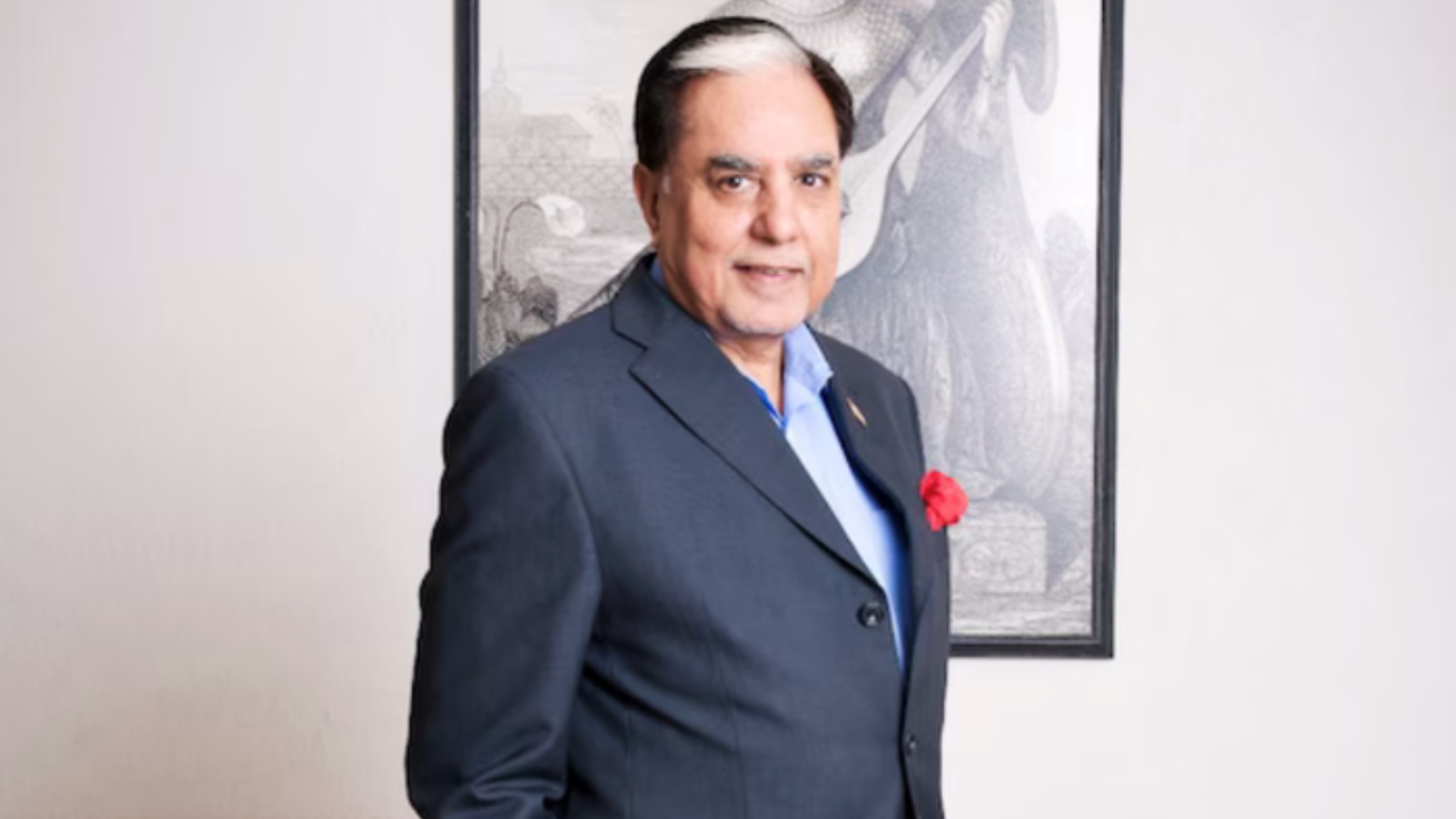
According to Dr. Chandra’s statement, the figure of Rs 22,000 crore represents the aggregate sum of personal guarantees extended when various Essel Group entities initially secured borrowings. This substantial amount reflects the scale of the group’s operations and the financial commitments undertaken during its expansion phases. Crucially, he clarified that a significantly lower figure of Rs 4,800 crore in guarantees was issued after instances of default began to emerge, signaling a shift in the group’s financial health. "Though I am not complaining, as I own the signatures," Dr. Chandra remarked, acknowledging his personal responsibility for the commitments made.
)
His statement further delved into the specifics of transactions with various lenders and borrowing entities. He explained that a total of Rs 4,808 crore was disbursed to multiple borrowing entities within the Essel Group. Of this, a substantial Rs 3,803 crore has already been repaid by these borrowers, leaving a balance of approximately Rs 998 crore as per his detailed reconciliation.
However, the claims filed by lenders against Dr. Chandra personally present a stark contrast. Lenders have reportedly filed claims totaling Rs 5,311 crore. After accounting for settled or paid claims amounting to Rs 1,049 crore, the remaining outstanding claims stand at Rs 4,262 crore. This significant disparity – between Dr. Chandra’s calculated balance of Rs 998 crore and the lenders’ remaining claims of Rs 4,262 crore – forms the crux of the current dispute and underscores the urgent need for a transparent reconciliation process. Dr. Chandra emphasized that this difference arises from various factors, including diverse accounting methodologies, interest calculations, and the intricate web of multiple borrowing entities and lenders involved.

Chronology: A Timeline of Debt and Dialogue
The current financial challenges faced by the Essel Group, and by extension, Dr. Subhash Chandra, are rooted in a series of events that began several years prior to the current social media storm.
January 2019: The Onset of Financial Stress
The Essel Group first publicly acknowledged significant financial stress in January 2019. At that time, the group’s total liabilities were estimated to be approximately Rs 45,000 crore. This period marked a turning point, as the group embarked on a massive deleveraging exercise, aiming to divest assets and repay its creditors. The distress was attributed to a confluence of factors, including aggressive expansion, exposure to capital-intensive sectors like infrastructure, and broader economic headwinds.
)
Pre-2019: The Era of Expansive Guarantees
Prior to the onset of financial difficulties, during the group’s robust expansion phase, Dr. Subhash Chandra had provided personal guarantees totaling Rs 22,000 crore to secure borrowings for various group entities. These guarantees were a standard practice for large conglomerates, reflecting the promoter’s confidence and commitment to the ventures. At this stage, the group was diversifying aggressively, particularly in media, entertainment, and emerging infrastructure projects.
Post-Default Period: Revised Guarantees and Mounting Pressure
Following the initial defaults and the subsequent financial strain, an additional Rs 4,800 crore in personal guarantees were extended. This phase likely involved negotiations with lenders, seeking to restructure existing loans or secure bridge financing under more stringent conditions, often requiring enhanced personal assurances from the promoter. The provision of these post-default guarantees highlights the escalating pressure on the group and its leadership.
)
2019 – 2026: The Deleveraging Journey
Over the past seven years, the Essel Group has undertaken a formidable effort to reduce its debt burden. Dr. Chandra revealed that out of the Rs 45,000 crore in liabilities identified in January 2019, an impressive Rs 43,000 crore has already been repaid to lenders. This substantial repayment demonstrates a concerted strategy to honor commitments, primarily through strategic asset sales, including significant stakes in its flagship media businesses. This period has been characterized by intense negotiations, legal proceedings, and a focused drive to stabilize the group’s financial position.
Late August 2026: The #PaisaWapasKaro Phenomenon
In the days immediately preceding Dr. Chandra’s statement on August 30, 2026, the hashtag #PaisaWapasKaro began to trend vigorously across social media platforms. This campaign, fueled by reports of personal insolvency claims and perceived outstanding dues, rapidly amplified public scrutiny and criticism directed at Dr. Chandra and the Essel Group. The social media discourse often lacked the granular detail of the financial transactions, leading to a simplified and often misinformed portrayal of the situation.
)
August 30, 2026: Dr. Chandra’s Official Clarification
Today, Dr. Subhash Chandra chose to break his silence, issuing a comprehensive official statement. This detailed explanation serves as a direct response to the social media furore and aims to provide clarity on the complex financial figures, distinguishing between the total guarantees and the actual net outstanding amounts. His statement is a proactive measure to engage with stakeholders, including lenders and the general public, and to steer the narrative towards factual accuracy and a path of resolution.
Supporting Data: A Deep Dive into the Numbers
Dr. Chandra’s statement presented a crucial table, providing a granular breakdown of the financial interactions between lenders and Essel Group’s borrowing entities, a key piece of supporting data to substantiate his claims.
)
Initial Disbursal and Repayment:
- Total Amount Disbursed: Rs 4,808 Crores
- Amount Paid by Borrowers: Rs 3,803 Crores
- Balance Payable (as per Dr. Chandra’s reconciliation): Rs 998 Crores
This set of figures indicates a significant repayment effort by the borrowing entities, demonstrating that a large portion of the direct disbursals has been honored. The remaining balance of Rs 998 crore is what Dr. Chandra asserts is genuinely outstanding based on the original disbursed amounts and subsequent payments.
)
Lenders’ Claims vs. Adjusted Claims:
- Claims Filed by Lenders: Rs 5,311 Crores
- Settled/Paid Claims (Reduced from Lenders’ Filings): Rs 1,049 Crores
- Remaining Claims (as per Lenders’ filings, after reduction): Rs 4,262 Crores
The striking difference between Dr. Chandra’s calculated balance of Rs 998 crore and the lenders’ remaining claims of Rs 4,262 crore is the core point of contention. This gap of approximately Rs 3,264 crore requires meticulous reconciliation. Several factors could contribute to this discrepancy:
)
- Interest and Penalties: Lenders often include accrued interest, default interest, and penalties in their claims, which might not be fully reflected in the borrower’s principal repayment calculations.
- Multiple Borrowing Entities and Guarantees: As Dr. Chandra noted, "The borrowing entities are multiple in numbers, even in the case of many lenders." This complexity means a single lender might have lent money to several Essel Group entities, each guaranteed by Dr. Chandra, leading to aggregated claims that differ from individual entity balances.
- Cross-Collateralization: In some cases, guarantees might extend across different loans or entities, complicating the allocation of repayments.
- Legal and Administrative Costs: Lenders may include legal fees and other costs associated with recovery efforts in their claims.
- Different Accounting Standards: Discrepancies can arise from different accounting principles or interpretations applied by borrowers and lenders.
Dr. Chandra also addressed a minor variation in figures cited in previous press statements, noting, "Amounts differ from the Press Statement given earlier of Rs.3992 Crores and Rs. 4262 Crores because some accounts were not taken as they neither voted for or against." This clarification points to the dynamic nature of insolvency proceedings, where claims can be adjusted based on legal status and creditor participation.
Furthermore, the broader context of the Essel Group’s overall debt resolution efforts provides crucial perspective. The repayment of Rs 43,000 crore out of an initial Rs 45,000 crore liability since January 2019 underscores the group’s commitment and significant progress in deleveraging. This macro achievement provides a backdrop against which the current dispute over a smaller, albeit substantial, personal guarantee claim must be viewed.
)
Official Responses: Dr. Chandra’s Stance and Appeal
Dr. Subhash Chandra’s official statement is not merely a recitation of figures but a direct and candid response to the public discourse, reflecting his personal take on the unfolding situation.
His initial reaction highlighted the immediate catalyst for his public address: "I have seen and observed social media posts since the past three days on the above issue. Some of the posts also included hashtags like #PaiseVapasKaro. There has been a wrong perception and understanding about the matter." This underscores his concern about the impact of unchecked social media narratives on his reputation and the public’s understanding of complex financial matters.
)
Crucially, Dr. Chandra acknowledged his personal responsibility for the guarantees. Despite distinguishing between the total guarantees at borrowing (Rs 22,000 crore) and those post-default (Rs 4,800 crore), he firmly stated, "…though I am not complaining, as I own the signatures." This demonstrates an acceptance of his legal obligations while simultaneously seeking to clarify the actual outstanding amounts.
The core of his appeal is for a collaborative and transparent reconciliation process. He expressed hope that "the lenders will also discuss with the borrowers, reconcile the outstanding accounts and get paid by the borrowers." This call for reconciliation is a practical step towards resolving the discrepancy between his calculated balance and the lenders’ claims. It implies a desire to avoid protracted legal battles and instead find an amicable settlement based on mutually agreed-upon figures.
)
Dr. Chandra further revealed that he has engaged directly with the borrowers within the Essel Group regarding the remaining claims of Rs 4,262 crore. He stated, "Dr. Subhash Chandra has discussed with all borrowers, and they have assured to settle this Rs 4262 Crores after reconciliation with lenders, settle and pay the balance." This assurance from the borrowing entities adds another layer to the resolution strategy, indicating a collective effort within the group to address the outstanding liabilities. It suggests that while the personal guarantees are a critical component, the ultimate responsibility for repayment rests with the operating entities themselves.
His statement also serves as a broader plea for accurate reporting and understanding in the age of rapid information dissemination. By providing detailed figures and context, Dr. Chandra aims to counter "misinformation" and ensure that public perception aligns more closely with the factual and legal realities of the situation.
)
Implications: Beyond the Numbers
The ongoing saga surrounding Dr. Subhash Chandra’s personal guarantees and the Essel Group’s debt restructuring carries significant implications, not only for the individuals and entities directly involved but also for India’s corporate governance landscape, the role of social media in financial discourse, and the broader framework of insolvency resolution.
Impact on Essel Group and Dr. Subhash Chandra’s Legacy:
Despite the substantial deleveraging achievements, the public spotlight on personal guarantees and insolvency claims can tarnish the reputation of both the Essel Group and its founder. Dr. Chandra, a pioneer in Indian satellite television and a figure synonymous with entrepreneurial ambition, faces a challenge to protect his legacy. The resolution of these claims will be crucial in restoring full market confidence and ensuring the continued stability of the group’s remaining businesses. The meticulous repayment of Rs 43,000 crore out of Rs 45,000 crore liabilities is a testament to the group’s efforts, but the lingering personal guarantee claims can overshadow this achievement.
)
The Power and Peril of Social Media:
The #PaisaWapasKaro hashtag exemplifies the double-edged sword of social media. While it can serve as a powerful tool for public accountability and raising awareness, it also carries the inherent risk of oversimplification, misinformation, and trial by public opinion. In complex financial matters, where nuances of law, accounting, and corporate structures are critical, social media narratives can quickly diverge from factual accuracy, potentially causing reputational damage even before official clarifications are made. This incident underscores the growing challenge for corporate leaders to effectively manage their public image and communicate complex financial realities in an era of instant, often unverified, information.
Complexity of Corporate Guarantees and Insolvency:
This case sheds light on the intricacies of corporate and personal guarantees within India’s legal and financial system. Personal guarantees, often a prerequisite for large corporate borrowings, create a direct link between a promoter’s personal assets and the company’s liabilities. When a company faces distress, these guarantees become a focal point for lenders seeking recovery. The discrepancies in figures between lenders’ claims and Dr. Chandra’s reconciliation highlight the complexities involved in valuing and enforcing such guarantees, particularly when multiple entities, cross-guarantees, and varying interest rates are involved.
)
The Role of the Insolvency and Bankruptcy Code (IBC):
While not explicitly mentioned in the original snippet, the context of "personal insolvency claims" strongly implies proceedings under India’s Insolvency and Bankruptcy Code (IBC), 2016. The IBC provides a structured framework for resolving insolvency for corporate persons, partnerships, and individuals. The process of filing claims, reconciliation, and potential resolution plans for personal guarantors is governed by this code. The Essel Group’s situation is a high-profile example of how the IBC is being tested and applied to complex cases involving prominent industrialists. The call for reconciliation by Dr. Chandra can be seen as an attempt to streamline the IBC process and potentially arrive at an out-of-court settlement or a pre-packaged resolution.
Future Outlook and Path to Resolution:
The immediate implication is a likely period of intense negotiation and reconciliation between Dr. Subhash Chandra, the borrowing entities, and the various lenders. The stated assurance from borrowers to settle the Rs 4,262 crore after reconciliation is a positive step, indicating a commitment to resolution. However, reaching a consensus on the exact outstanding amount and the terms of repayment will require detailed financial audits, legal counsel, and potentially mediation. Should reconciliation efforts fail, the matter could escalate into protracted legal battles within the National Company Law Tribunal (NCLT) or other judicial forums, impacting both the financial and emotional resources of all parties involved. The successful resolution of these claims is vital not only for Dr. Chandra and the Essel Group but also for reinforcing confidence in India’s financial recovery mechanisms.
)
In conclusion, Dr. Subhash Chandra’s direct address to the #PaisaWapasKaro campaign represents a crucial effort to bring clarity and accountability to a complex financial situation. His detailed breakdown of figures and call for reconciliation underscore the need for transparent dialogue between lenders and borrowers. As the Essel Group continues its journey of financial restructuring, the resolution of these personal guarantee claims will be a defining moment, shaping perceptions of corporate responsibility and the efficacy of India’s debt resolution frameworks in the years to come.