NEW DELHI – October 17, 2026 – India’s vibrant bullion market is once again in the spotlight, with gold and silver prices demonstrating a slight upward trajectory on October 17, 2026. The precious metals, deeply interwoven with India’s cultural fabric and economic landscape, continue to navigate a complex interplay of international market trends, robust local demand, and fluctuating currency rates. This daily snapshot provides a crucial indicator for investors, consumers, and the jewellery industry alike, highlighting the persistent volatility and enduring appeal of these cherished assets.
The current price movements reflect a broader global narrative of economic recalibration, inflationary pressures, and strategic investor repositioning. For India, a nation renowned as one of the largest consumers of gold, these price fluctuations carry significant implications, particularly as the country inches closer to its peak festive and wedding seasons. Understanding the intricate factors at play is paramount for anyone looking to engage with this dynamic market.
Main Facts: A Snapshot of Today’s Precious Metal Rates
As of October 17, 2026, the Indian bullion market registered a marginal but notable increase in the prices of both gold and silver. This ascent is largely attributed to a combination of sustained global demand, fueled by lingering inflationary concerns across major economies, and the strategic positioning of the Indian Rupee against the US Dollar.
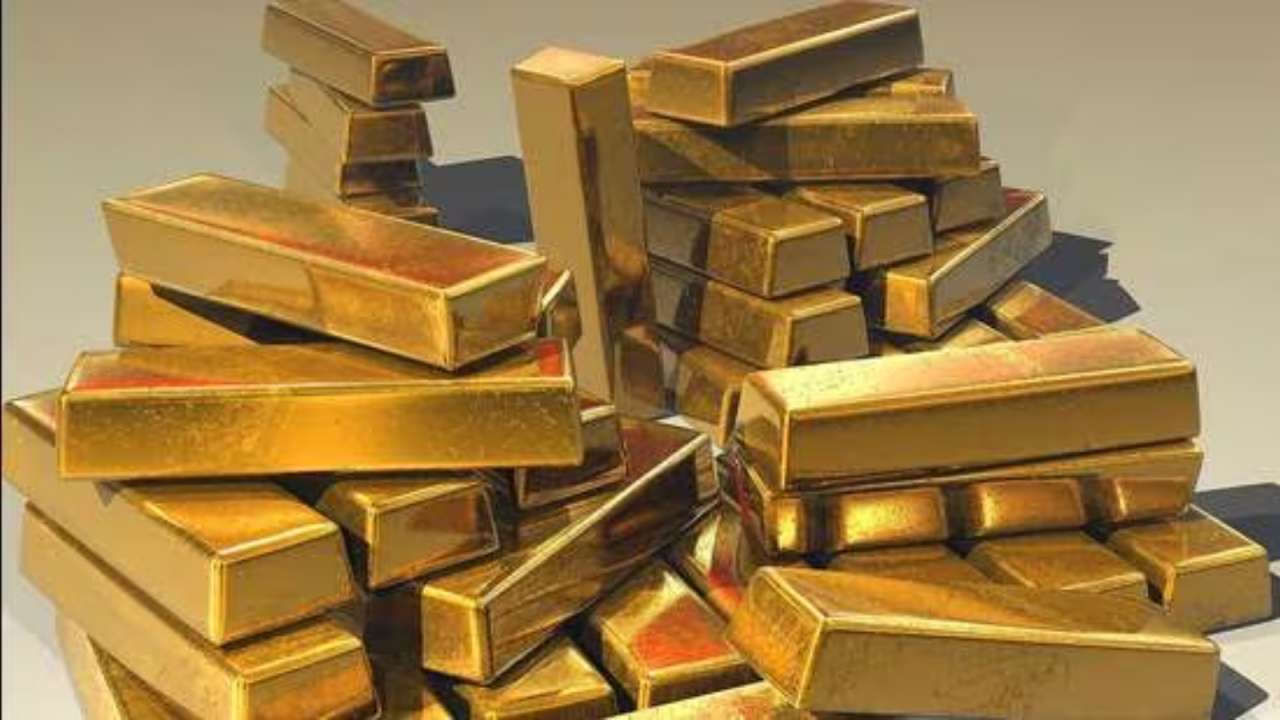
Gold Prices:
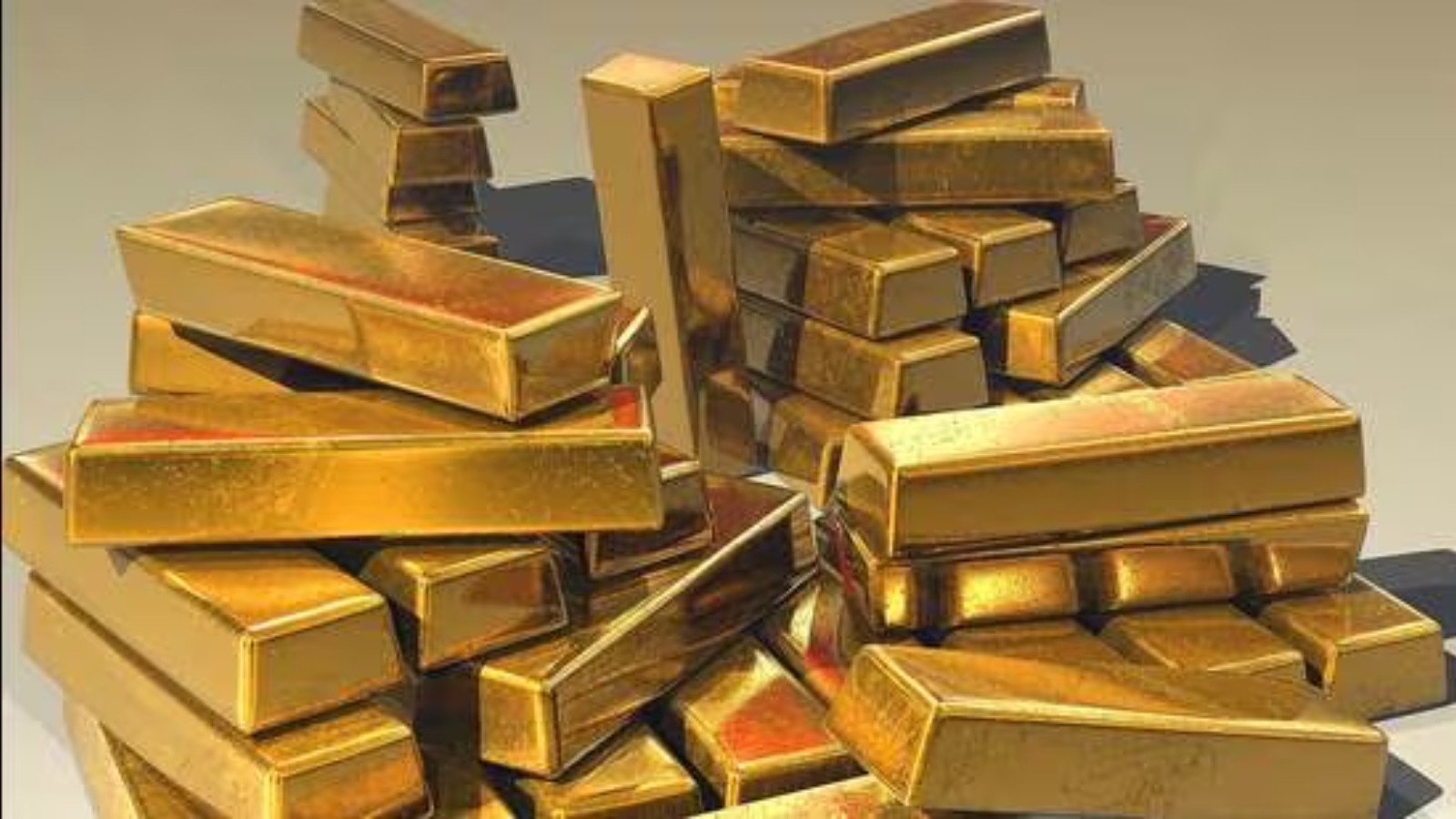
- 24K Gold (999 Purity): The national average for 24-carat gold stands at approximately Rs 14,744 per gram. This purity is often sought by investors for its intrinsic value and is the benchmark for gold trading.
- 22K Gold (91.67% Purity): Commonly used in exquisite jewellery, 22-carat gold is priced at around Rs 13,515 per gram. This blend offers durability alongside its precious metal content, making it ideal for wearable art.
Silver Prices:
- Silver (999 Purity): The price of pure silver has settled at approximately Rs 2,30,000 per kilogram. For smaller denominations, this translates to Rs 2,300 per 10 grams.
- Silver 925 (Sterling Silver): Often used in ornaments and silverware, Silver 925 also mirrors the pure silver rate, indicating a uniform demand across different purities for the white metal today.
These figures represent the prevailing rates across major Indian cities, with slight variations observed primarily due to regional taxes and logistical costs. The underlying sentiment remains cautiously optimistic, with experts pointing towards a sustained interest in precious metals as a hedge against economic uncertainties.
)
Chronology: Tracing the Market’s Recent Trajectory
The current upward movement on October 17, 2026, is not an isolated event but rather a continuation of trends observed over recent weeks, influenced by a series of global and domestic developments. The precious metals market, inherently sensitive to geopolitical tremors and macroeconomic shifts, has seen a gradual strengthening since late September.
In the preceding months of 2026, gold and silver experienced a period of relative consolidation, with prices fluctuating within a defined range. This was largely a reaction to mixed signals from global central banks regarding interest rate policies and varied inflation data from key economies like the US, Eurozone, and China. Early October saw renewed buying interest as fresh inflation figures suggested persistent price pressures, prompting investors to revisit safe-haven assets. Concerns over geopolitical flashpoints in Eastern Europe and the Middle East further bolstered this sentiment, leading to an increased demand for gold as a traditional store of value.
Domestically, the anticipation of India’s significant festive season – starting with Dhanteras and Diwali – has been a consistent undercurrent. Jewellers and bulk buyers typically begin stocking up weeks in advance, creating a foundational demand that supports prices. The Indian Rupee’s performance against the US Dollar has also played a critical chronological role. A weakening Rupee often translates to higher domestic gold prices, as the cost of imported gold (which is largely denominated in USD) increases. While the Rupee has shown some resilience recently, earlier periods of depreciation contributed to the initial price build-up.

This cumulative effect of international economic indicators, geopolitical stability concerns, and predictable seasonal domestic demand has culminated in the current price levels observed on this day, October 17, 2026. The market is effectively pricing in both immediate economic realities and forward-looking expectations of consumer spending and global financial health.
Supporting Data: A Detailed Look at Factors and City-Wise Rates
The price of gold and silver in India is a dynamic construct, shaped by a confluence of global financial indicators and specific domestic market forces. A deeper dive into these factors provides clarity on the current valuations.
Global Influencers:
)
- International Gold Price: The primary driver remains the global benchmark price, determined on major exchanges like COMEX. Factors such as US Treasury yields, the strength of the US Dollar index, central bank gold reserves, and overall investor risk appetite dictate this global rate. When global economic uncertainty rises, or inflation fears intensify, investors typically flock to gold, driving its international price upwards. The slight increase today suggests a prevailing cautious sentiment globally.
- Inflationary Pressures: Gold is widely regarded as an effective hedge against inflation. With persistent reports of inflation across major economies in 2026, investors are increasingly turning to gold to preserve purchasing power, contributing to its upward price momentum.
- Geopolitical Stability: Any sign of international conflict or political instability immediately boosts gold’s appeal as a safe haven, leading to rapid price surges. While no major new conflicts emerged today, underlying tensions contribute to sustained demand.
Domestic Influencers:
- Exchange Rate (USD-INR): Since India imports most of its gold, the exchange rate between the US Dollar and the Indian Rupee directly impacts local prices. A stronger dollar or a weaker rupee makes gold more expensive in INR terms. Today’s rates reflect the prevailing exchange rate, which is currently contributing to the slightly elevated prices.
- Local Demand: India’s insatiable appetite for gold, driven by cultural traditions, weddings, and festivals (especially the approaching Diwali and wedding season), creates consistent domestic demand. This inherent demand provides a strong floor for prices and often amplifies global trends.
- Government Policies: Import duties and other regulatory measures imposed by the Indian government can also influence local prices by affecting the cost of bringing gold into the country. While no new policy changes were announced today, existing duties are factored into the current rates.
City-Wise Gold Rates (October 17, 2026):
The price variations across cities are typically marginal and largely due to state taxes, local levies, and transportation costs. Today’s data, sourced from reputable financial trackers like Good Returns, shows remarkable consistency across major metropolitan areas, suggesting a uniform market response.
-
Gold Prices in Delhi:
)
- 24K Gold (999 Purity): Rs 14,759 per gram
- 22K Gold (91.67% Purity): Rs 13,530 per gram
(Delhi exhibits a slight premium compared to other cities, which can be attributed to higher local demand or specific state levies.)
-
Gold Prices in Mumbai:
- 24K Gold (999 Purity): Rs 14,744 per gram
- 22K Gold (91.67% Purity): Rs 13,515 per gram
-
Gold Prices in Kolkata:
- 24K Gold (999 Purity): Rs 14,744 per gram
- 22K Gold (91.67% Purity): Rs 13,515 per gram
-
Gold Prices in Chennai:
)
- 24K Gold (999 Purity): Rs 14,744 per gram
- 22K Gold (91.67% Purity): Rs 13,515 per gram
Silver Rates (October 17, 2026):
Silver, often dubbed "poor man’s gold," shares many drivers with its yellow counterpart but also possesses unique characteristics. Its dual role as a precious metal and an industrial commodity makes its price highly sensitive to global economic activity.
- Industrial Demand: A significant portion of silver’s demand comes from industrial applications, including electronics, solar panels, photography, and medical equipment. A robust global manufacturing sector typically translates to higher silver prices. The current industrial outlook is moderately positive, contributing to silver’s stability.
- Investment Demand: Like gold, silver is also seen as a safe-haven asset, though often more volatile due to its smaller market size and industrial exposure. Investors often flock to silver during times of economic uncertainty or as an inflation hedge.
- Local Demand: In India, silver ornaments and utilitarian items are popular, especially in certain regions. Its affordability compared to gold makes it a preferred choice for gifting and investment for a broader demographic.
City-Wise Silver Rates (October 17, 2026):
Similar to gold, silver prices also show a consistent pattern across major Indian cities today.
-
Silver Price in Delhi:
)
- 999 Purity Silver: Rs 2,300 per 10 grams (equivalent to Rs 2,30,000 per kilogram)
-
Silver Price in Mumbai:
- 999 Purity Silver: Rs 2,300 per 10 grams (equivalent to Rs 2,30,000 per kilogram)
-
Silver Price in Kolkata:
- 999 Purity Silver: Rs 2,300 per 10 grams (equivalent to Rs 2,30,000 per kilogram)
-
Silver Price in Chennai:
)
- 999 Purity Silver: Rs 2,300 per 10 grams (equivalent to Rs 2,30,000 per kilogram)
The uniformity in silver prices across these major hubs today underscores a strong, interconnected national market, efficiently reflecting global cues and domestic sentiment without significant regional arbitrage opportunities.
Official Responses and Expert Insights
To gain a comprehensive understanding of the current market dynamics, DNA India reached out to leading market analysts and industry experts for their perspectives on today’s price movements and the broader outlook.
Mr. Rajesh Kumar, Head of Commodity Research at InvestSure Capital, commented on the gold market: "The slight increase in gold prices on October 17th is a clear signal of two things: persistent global inflation fears and sustained safe-haven demand. Central banks globally are still navigating a tricky path between controlling inflation and supporting economic growth. This creates an environment of uncertainty that historically benefits gold. For Indian consumers, the upcoming festive season means this fundamental demand will likely keep prices supported, even if global volatility persists. We might see some profit-taking in the short term, but the overall trend appears to be upward for the medium term."
)
Regarding the domestic factors, Ms. Priya Sharma, Senior Economist at Nexus Financial Services, added, "The Rupee-Dollar exchange rate plays a pivotal role. While the Rupee has shown some stability recently, any significant weakening could push domestic gold prices higher, irrespective of international movements. Furthermore, the cultural significance of gold in India, especially during Diwali and the wedding season, creates an inelastic demand. This makes the Indian market a unique beast, often insulated from some global dips due to sheer local buying power."
On the silver front, Mr. Alok Singh, Director of Precious Metals at BullionVault India, highlighted silver’s dual nature: "Silver’s performance today, mirroring gold’s upward tick, is interesting. It reflects not just its role as a precious metal but also its growing industrial demand. The push for green technologies, particularly solar energy and electric vehicles, continues to drive significant industrial consumption of silver. This dual utility often makes silver more volatile than gold, offering both higher risks and potentially higher rewards for investors. We expect industrial demand to be a key support for silver prices moving forward into 2027."
When asked about advice for consumers and investors, Mr. Kumar offered caution and strategy: "For consumers planning festive purchases, buying in smaller tranches could be a prudent strategy to average out costs. For long-term investors, gold and silver continue to serve as excellent portfolio diversifiers. However, short-term traders need to remain vigilant, as precious metal markets can react sharply to unexpected geopolitical events or sudden shifts in monetary policy statements from major central banks."
)
These expert opinions underscore the multifaceted nature of the bullion market, emphasizing the need for both a global perspective and an understanding of unique Indian market dynamics.
Implications: What These Prices Mean for India’s Economy and Consumers
The current gold and silver prices, and their underlying drivers, carry significant implications across various segments of the Indian economy and for its vast consumer base.
For Consumers:
)
- Festive Season Purchases: With Diwali and the peak wedding season on the horizon, the slightly increased prices mean that traditional jewellery purchases will be more expensive. This might prompt some consumers to defer purchases or opt for lighter jewellery designs. However, given gold’s deep cultural significance, many will likely absorb the higher costs.
- Investment vs. Consumption: For those who view gold primarily as an investment, the upward trend might encourage further buying, particularly in digital gold or gold ETFs, which offer flexibility and do not incur making charges.
- Savings and Wealth Management: Gold remains a popular form of savings, especially in rural India. Higher prices mean that existing gold holdings are appreciating, contributing to household wealth, though this might also make it harder for new savers to enter the market.
For the Jewellery Industry:
- Demand Dynamics: Jewellers will be closely monitoring consumer sentiment. While festive demand is robust, higher prices could slightly dampen volume. They might need to innovate with designs, offer attractive schemes, or focus on lighter, more affordable pieces to maintain sales momentum.
- Inventory Management: Managing inventory becomes crucial. Jewellers who hedged their purchases earlier might benefit from the price rise, while those with unhedged inventory face higher input costs.
- Impact on Artisans: The industry supports millions of artisans. Fluctuations in demand directly impact their livelihoods, necessitating stable market conditions for their sustained employment.
For Investors:
- Safe-Haven Appeal: The current environment reinforces gold and silver’s role as safe havens. Investors seeking to protect their portfolios from equity market volatility or currency depreciation will continue to allocate funds to precious metals.
- Portfolio Diversification: The non-correlation of precious metals with other asset classes makes them valuable for diversification. The current price trend suggests they are performing their role effectively in balancing portfolios.
- Consideration of Digital Gold/ETFs: The convenience and liquidity of digital gold platforms and Gold Exchange Traded Funds (ETFs) are likely to attract more tech-savvy investors looking to participate in the bullion market without the hassle of physical storage.
For the Indian Economy:
)
- Import Bill: India is a major importer of gold. Higher global prices combined with increased domestic demand mean a larger import bill, which can put pressure on the country’s current account deficit and foreign exchange reserves.
- Inflationary Impact: While gold acts as an inflation hedge for individuals, higher gold prices themselves can contribute to broader inflationary pressures within the economy, albeit indirectly.
- Financial Market Stability: A stable and transparent bullion market contributes to overall financial market stability. The government and regulatory bodies constantly monitor these markets to prevent speculation and ensure fair pricing.
Looking ahead, the trajectory of gold and silver prices will largely depend on global macroeconomic indicators, particularly inflation data from major economies and the monetary policy stances of central banks. Domestically, the strength of the Rupee and the intensity of festive demand will be critical factors. Investors and consumers are advised to stay informed, conduct thorough research, and consider their financial goals before making decisions in this ever-evolving market. The enduring allure of gold and silver in India ensures that their price movements will always remain a topic of keen interest and significant economic consequence.
Find your daily dose of All Latest News including Sports News, Entertainment News, Lifestyle News, explainers & more. Stay updated, Stay informed – Follow DNA on WhatsApp.