PERSONAL FINANCE
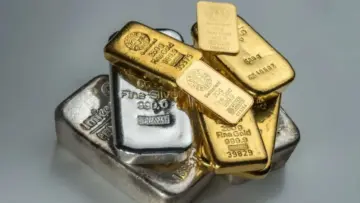
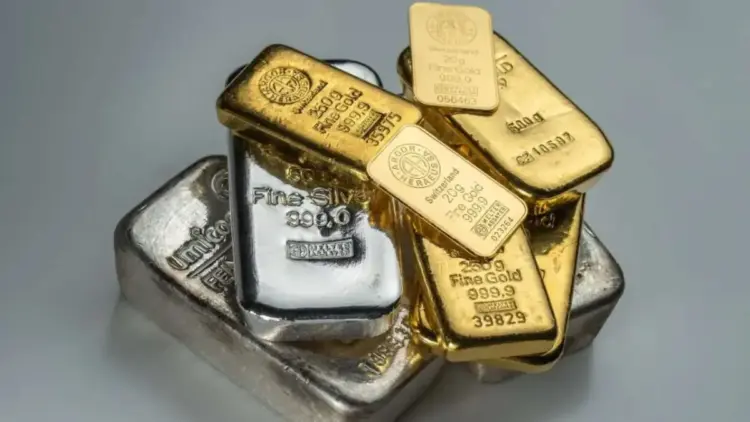
New Delhi, India – October 18, 2026 – India’s venerable precious metals market continues its dynamic dance with global economic forces, domestic demand, and currency fluctuations. As of October 18, 2026, both gold and silver are reflecting a complex interplay of these factors, presenting a compelling picture for investors, consumers, and the broader economy. Today’s prices reveal a slight upward trajectory for gold, buoyed by persistent global demand and inflationary undercurrents, while silver maintains its robust appeal, driven by both investment and burgeoning industrial applications.
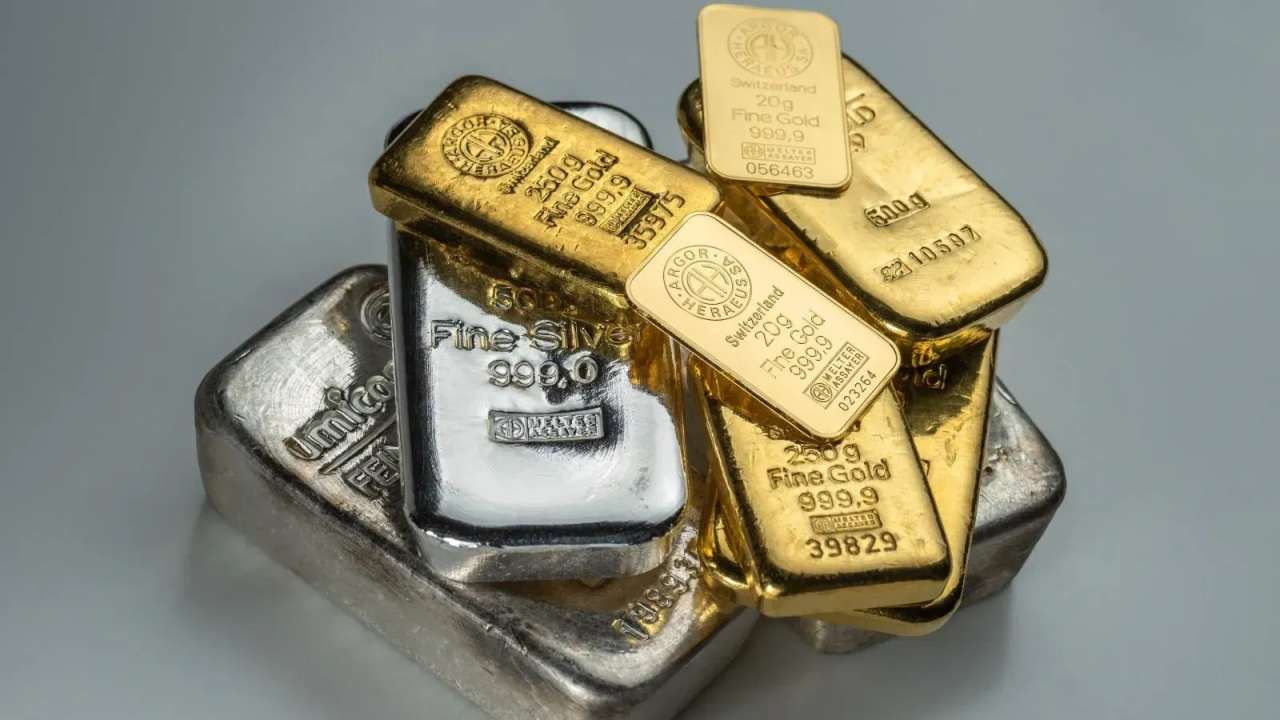
The intrinsic value and cultural significance of gold and silver in India ensure that their daily price movements are meticulously watched. From the bustling bazaars of Mumbai to the traditional jewellery stores of Chennai, these metals are more than mere commodities; they are integral to savings, investments, and social customs, particularly as the nation anticipates its vibrant festive season.
Main Facts: Current Gold and Silver Prices on October 18, 2026
As the global financial markets recalibrate, the Indian precious metals sector demonstrates its characteristic resilience and responsiveness. Today’s rates underscore the enduring appeal of gold as a hedge against economic uncertainties and silver’s dual role as an affordable investment and critical industrial metal.
)
Gold Prices on October 18, 2026:
The yellow metal has registered a modest increase, reflecting its status as a safe-haven asset amidst ongoing global economic shifts.

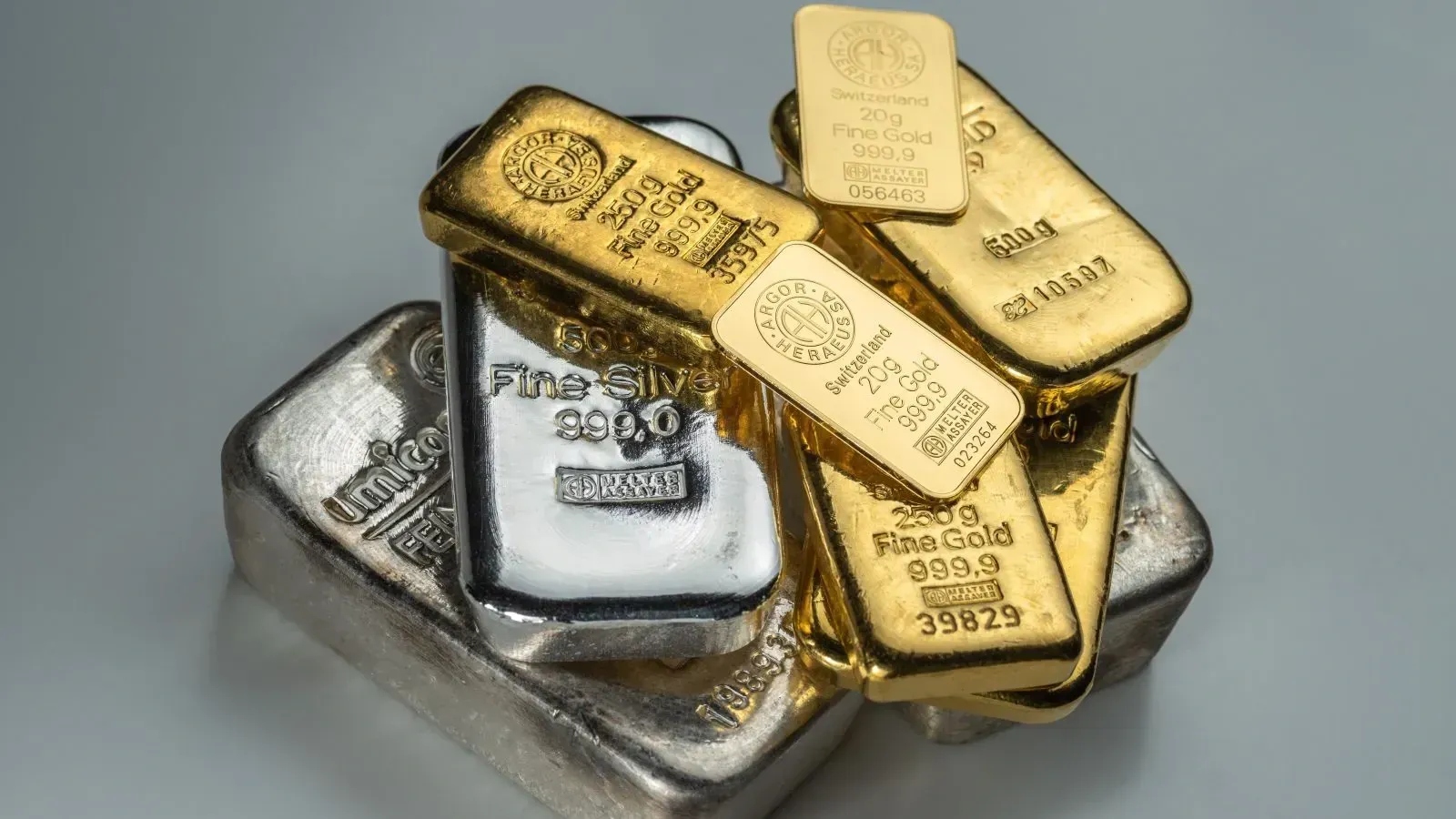
- 24K Gold (999 Purity): The benchmark for absolute purity, 24-carat gold, is priced at Rs 14,744 per gram across major Indian cities, with a slight variation in Delhi. This purity level is typically preferred for investment purposes, such as gold bars, coins, and digital gold instruments.
- 22K Gold (91.67% Purity): Commonly used for crafting exquisite jewellery due to its enhanced malleability, 22-carat gold is trading at Rs 13,515 per gram. The slight premium in Delhi for both purities suggests localized demand dynamics or specific operational costs.
City-Wise Gold Rates (per gram):
- Delhi:
- 24K Gold: Rs 14,759
- 22K Gold: Rs 13,530
- Mumbai:
- 24K Gold: Rs 14,744
- 22K Gold: Rs 13,515
- Kolkata:
- 24K Gold: Rs 14,744
- 22K Gold: Rs 13,515
- Chennai:
- 24K Gold: Rs 14,744
- 22K Gold: Rs 13,515
Silver Prices on October 18, 2026:
)
Silver, often referred to as "poor man’s gold," continues to command significant attention, balancing its ornamental demand with its critical industrial applications.
- Silver (999 Purity): The price for pure silver stands at an approximate Rs 2,30,000 per kilogram. This translates to Rs 2,300 per 10 grams, a figure consistently observed across the major metros.
- Silver 925 (Sterling Silver): Used predominantly in jewellery and silverware, 925 sterling silver is also quoted at Rs 2,30,000 per kilogram, or Rs 2,300 per 10 grams. The uniform pricing across purities today suggests a consolidated market movement for the white metal.
City-Wise Silver Rates (per 10 grams):
)
- Delhi: Rs 2,300
- Mumbai: Rs 2,300
- Kolkata: Rs 2,300
- Chennai: Rs 2,300
These prices, while specific to today, are merely a snapshot of an ever-evolving market influenced by a confluence of macroeconomic indicators, geopolitical events, and India’s unique socio-economic landscape.
Chronology: Tracing the Trajectory of Precious Metals in Recent Times
The current prices on October 18, 2026, are not isolated figures but rather the latest points in a continuous narrative shaped by recent global and domestic developments. The past few quarters have been particularly eventful for precious metals, setting the stage for today’s market posture.
)
A Tumultuous Journey Through 2026:
The year 2026 began with cautious optimism in global markets, but persistent inflationary pressures, coupled with geopolitical uncertainties, quickly shifted investor sentiment towards safe-haven assets.
- Q1 2026: Gold experienced an initial surge as investors reacted to escalating geopolitical tensions in Eastern Europe and the Middle East. This period saw gold prices testing new highs, driven by a flight to safety. Central banks globally, including the US Federal Reserve and the European Central Bank, maintained a hawkish stance on interest rates, creating volatility but not deterring gold’s appeal as a hedge against currency debasement.
- Q2 2026: A temporary reprieve in global tensions and stronger-than-expected economic data from some major economies led to a slight correction in gold prices. However, this dip was short-lived, as renewed concerns about a potential global economic slowdown and the long-term impact of high public debt levels resurfaced. Silver, benefitting from its industrial demand, showed robust performance, especially with increased investments in renewable energy infrastructure.
- Q3 2026: The third quarter was characterized by a tug-of-war between monetary policy tightening and recession fears. Gold prices largely consolidated, holding onto most of their earlier gains. The Indian Rupee, facing headwinds from rising crude oil prices and a strengthening US Dollar, saw some depreciation, which in turn made imported gold more expensive in local currency terms, contributing to higher domestic prices. This period also saw significant pre-festive season buying in India, providing a strong floor for domestic gold demand.
- Early October 2026: Leading up to today, early October witnessed a renewed uptick in gold prices. Fresh inflation data from major economies indicated that price pressures were more persistent than previously anticipated. This, combined with renewed anxieties over the stability of certain regional banking sectors, propelled gold back towards its higher range. Silver followed suit, riding on both the safe-haven wave and sustained industrial demand.
Today’s prices, therefore, reflect this cumulative impact – a market grappling with ongoing inflation, geopolitical sensitivities, and the inherent demand characteristics of India. The slight increase in gold prices today is a testament to the market’s continuous adjustment to these complex and often unpredictable forces.
)
Supporting Data: The Multifaceted Influences on Price Dynamics
The prices of gold and silver in India are a delicate equilibrium of various factors, both global and domestic. Understanding these influences is crucial for comprehending the daily fluctuations observed in the market.
Global Market Trends: The Macroeconomic Headwinds and Tailwinds
- Geopolitical Instability and Safe-Haven Demand:
- Conflicts, political uncertainties, and trade disputes globally consistently drive investors towards gold, perceived as a timeless store of value. When traditional financial markets exhibit volatility, capital often flows into gold, pushing its prices upward. The ongoing regional conflicts and heightened international tensions throughout 2026 have been significant catalysts for gold’s performance.
- Central Bank Monetary Policies:
- The stance of major central banks, particularly the US Federal Reserve, is paramount. When interest rates rise, non-yielding assets like gold become less attractive compared to interest-bearing bonds. Conversely, periods of monetary easing or expectations of rate cuts tend to bolster gold prices. Throughout 2026, the global interest rate environment has been a critical determinant, with the market constantly analyzing signals from central bankers regarding future policy directions.
- US Dollar Index (DXY):
- There is often an inverse relationship between the US Dollar and gold. A stronger dollar typically makes gold more expensive for holders of other currencies, potentially dampening demand. Conversely, a weakening dollar can make gold more appealing. The strength of the USD against a basket of major currencies in 2026 has had a direct impact on the international price of gold, which then translates into domestic prices via the INR exchange rate.
- Inflationary Pressures:
- Gold is historically regarded as an excellent hedge against inflation. When the purchasing power of fiat currencies erodes due to rising prices, investors turn to gold to preserve their wealth. The persistent global inflationary environment throughout 2026, stemming from supply chain disruptions, energy price surges, and robust demand, has been a primary driver for gold’s upward movement.
Local Demand in India: Culture, Investment, and Tradition
India’s unique relationship with gold and silver means that local demand plays an outsized role in price formation.
)
- Cultural and Festive Significance:
- Gold and silver are deeply embedded in Indian culture. Weddings, festivals like Diwali, Akshaya Tritiya, Dussehra, and various religious ceremonies are incomplete without the exchange or purchase of precious metals. The ongoing period, leading up to the major festive season, naturally witnesses a surge in demand, providing a strong domestic price floor.
- Investment vs. Ornamental Demand:
- Indian households view gold not just as an ornament but as a crucial form of savings and investment, particularly in rural areas where access to formal banking may be limited. This dual utility ensures a constant baseline demand irrespective of global market fluctuations. Silver also serves a similar, albeit more affordable, purpose.
- Rural Demand and Monsoons:
- A significant portion of India’s gold demand originates from rural areas. A good monsoon season, leading to robust agricultural income, often translates into increased gold purchases, reflecting disposable income and traditional saving habits. The performance of the agricultural sector in 2026 has thus had an indirect but significant impact.
Changing Currency Rates: The Rupee’s Influence
- USD-INR Exchange Rate:
- Since India is a major importer of gold, the exchange rate between the US Dollar and the Indian Rupee (INR) directly impacts domestic gold prices. A depreciation of the INR against the USD makes gold imports more expensive in Rupee terms, even if the international dollar price of gold remains constant or falls. Conversely, an appreciation of the INR can make gold cheaper. The volatility of the INR in 2026, influenced by factors like crude oil prices, foreign institutional investment flows, and trade deficits, has been a critical factor in domestic price setting.
Industrial Demand: Silver’s Unique Edge
- Technological and Industrial Applications:
- Unlike gold, silver has significant industrial applications, making its price sensitive to global economic growth and technological advancements. It is a critical component in electronics, solar panels, electric vehicles, medical equipment, and photography. The ongoing global push towards renewable energy and advanced technology in 2026 has provided a strong impetus for silver’s industrial demand, offering a supportive floor for its price even during periods of reduced investment demand. This dual nature makes silver’s price dynamics more complex and often more volatile than gold’s.
Official Responses: Expert Insights and Market Perspectives
To gain a deeper understanding of the market’s current state and future trajectory, we turn to leading economists, market analysts, and industry veterans for their expert opinions.
"The current uptick in gold prices on October 18, 2026, is a direct consequence of persistent global inflation and lingering geopolitical anxieties," explains Dr. Anjali Sharma, Chief Economist at Zenith Financial Services. "While central banks globally are committed to price stability, the market is pricing in the reality that inflation might be more entrenched than initially thought. This scenario naturally pushes investors towards gold as a reliable store of value, away from the volatility of equities and the eroding purchasing power of cash."
)
Dr. Sharma further elaborates on the Rupee’s role: "The Indian Rupee’s performance against the US Dollar remains a crucial domestic determinant. Any further depreciation of the INR, driven by factors like elevated crude oil prices or capital outflows, will translate into higher landed costs for gold, irrespective of international dollar prices. This makes gold a more expensive proposition for Indian buyers, even as its global appeal grows."
Mr. Rajeev Gupta, President of the All India Jewelers Association, offers a perspective from the retail front. "We are seeing strong foundational demand for gold as we approach the core festive season of Diwali and the wedding season. While prices are certainly higher than previous years, the cultural imperative for gold remains undiminished. Consumers are adapting; some are opting for lighter jewellery, while others are exploring options like Sovereign Gold Bonds or Gold ETFs for investment, reserving physical gold for auspicious purchases."
)
Regarding silver, Mr. Gupta notes, "Silver’s affordability and its increasing popularity in contemporary designs mean it’s a significant player, especially for younger demographics. We’ve seen a consistent demand for silver ornaments and articles, particularly in regions where it holds a strong traditional value."
Ms. Priya Singh, Senior Commodities Analyst at Global Market Insights, provides a broader market view. "Silver’s dual nature is its strength. While it benefits from safe-haven demand alongside gold, its industrial applications, particularly in the booming solar energy and electric vehicle sectors, provide a robust demand floor. As global economies strive for decarbonization, the demand for industrial metals like silver is projected to grow significantly over the next few years, potentially leading to upward price pressure."
)
Ms. Singh also cautions investors: "While the outlook for precious metals appears positive in the medium term, investors must remain vigilant. Any significant shift in central bank policy, a de-escalation of geopolitical tensions, or a stronger-than-expected global economic recovery could introduce volatility. Diversification and a long-term perspective are key when investing in precious metals."
These expert opinions underscore the consensus that while current prices reflect a complex matrix of factors, the underlying drivers for both gold and silver appear to be robust, albeit subject to the inherent dynamism of global markets.
)
Implications: Navigating the Future of Precious Metals
The current price trends of gold and silver on October 18, 2026, carry significant implications for various stakeholders, from individual investors and consumers to the broader Indian economy and the jewellery industry.
For Investors: Strategic Portfolio Diversification
- Safe-Haven Appeal: Gold continues to solidify its position as a primary safe-haven asset. Investors looking to diversify their portfolios and protect against market volatility, currency depreciation, and inflation will likely continue to allocate a portion of their assets to gold.
- Investment Avenues: Beyond physical gold, instruments like Sovereign Gold Bonds (SGBs) and Gold Exchange Traded Funds (ETFs) offer alternative, more liquid, and often tax-efficient ways to invest. The current price levels might encourage a shift towards these digital forms, especially among younger, tech-savvy investors.
- Silver’s Dual Advantage: For investors with a higher risk appetite and a longer-term horizon, silver presents a compelling case due to its dual demand drivers – both as a precious metal and an industrial commodity. Its relatively lower price point also makes it more accessible for smaller investors.
- Risk Assessment: Investors must consider their individual risk tolerance and investment goals. While precious metals offer stability, they are not immune to price corrections. A balanced approach, possibly in consultation with financial advisors, is always recommended.
For Consumers: Adapting to Evolving Price Points
- Festive Season Planning: With the festive and wedding seasons approaching, consumers will need to factor in the higher prices. This could lead to a preference for lighter jewellery designs, focusing on intricate craftsmanship rather than sheer weight.
- Budget Adjustments: Households allocating budgets for gold purchases for weddings or auspicious occasions may need to adjust their expectations or explore alternatives. The trend towards purchasing gold on specific auspicious days, irrespective of price, is likely to continue, but volumes might be influenced.
- Rise of Silver Alternatives: For those seeking more affordable options, silver jewellery and articles might see increased demand. Its versatility and growing design options make it an attractive alternative for ceremonial and everyday wear.
For Jewelers: Innovation and Strategic Sourcing
- Inventory Management: Jewelers will need sophisticated inventory management and hedging strategies to mitigate risks associated with price fluctuations. Maintaining a lean inventory and hedging against future price increases become crucial.
- Design Innovation: The industry will likely continue to innovate with designs that offer aesthetic appeal with lesser gold content, catering to price-sensitive customers. The focus might shift towards diamond-studded or gemstone-heavy pieces where gold is a supporting element.
- Sourcing and Transparency: With global supply chain dynamics, ensuring ethical sourcing and transparency will remain paramount. Building trust with consumers through certified purity and clear pricing will be vital.
- Diversification of Offerings: Jewelers might further diversify their offerings to include more silver items, lightweight gold pieces, and even explore lab-grown diamonds as alternatives to traditional precious stones, adapting to evolving consumer preferences and budgets.
Broader Economic Impact: Trade Balance and Household Savings
- Current Account Deficit: India’s significant reliance on gold imports can impact its current account deficit. Higher gold prices, coupled with strong domestic demand, could widen the trade imbalance, putting pressure on the Rupee.
- Inflationary Contribution: While gold acts as an inflation hedge for individuals, its rising price, especially when driven by currency depreciation, can contribute to overall inflationary pressures within the economy, particularly on discretionary spending.
- Household Savings: Precious metals form a substantial part of household savings in India. Price appreciation can lead to an increase in household wealth on paper, but also means a higher entry barrier for new investments. The shift towards digital gold forms could help formalize a portion of these savings.
- Policy Implications: The government may continue to monitor gold imports and could potentially adjust import duties or promote other saving instruments to manage demand and its economic implications.
Conclusion: A Dynamic Future for India’s Precious Metals Market
As of October 18, 2026, the Indian gold and silver markets stand at a fascinating juncture, embodying the intricate relationship between global financial forces and deep-seated cultural traditions. The slight increase in gold prices, driven by global demand and inflationary pressures, alongside silver’s robust performance, underscores the enduring appeal and strategic importance of these precious metals.
)
The trajectory of gold and silver in India will continue to be a compelling narrative, influenced by the ebb and flow of global monetary policies, geopolitical stability, and the unique rhythms of Indian festivals and socio-economic dynamics. For investors, consumers, and industry stakeholders, staying informed and adapting to these evolving conditions will be key to navigating the dynamic landscape of India’s precious metals market in the years to come. The lustre of gold and the gleam of silver remain deeply woven into the fabric of Indian life, promising a future that is as rich and complex as their history.
Find your daily dose of All Latest News including Sports News, Entertainment News, Lifestyle News, explainers & more. Stay updated, Stay informed- Follow DNA on WhatsApp.