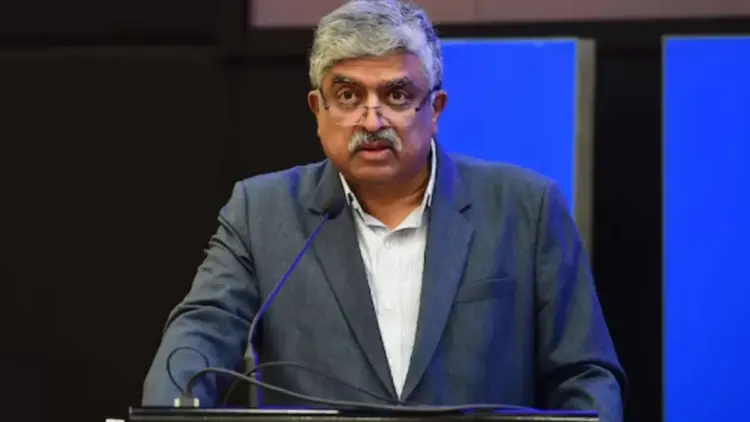
New Delhi, India – In a groundbreaking proposition aimed at eradicating the persistent menace of exam paper leaks, Nandan Nilekani, the visionary co-founder of Infosys and a pivotal figure in India’s digital revolution, has put forth a radical idea: generating examination question papers using Artificial Intelligence (AI) at the eleventh hour. This revolutionary approach, unveiled at the Bloomberg New Economy Forum 2026, suggests a seismic shift in how national examinations are conducted, advocating for a complete transition to computer-based testing (CBT) to facilitate this dynamic question paper generation.
Nilekani, who is currently at the helm of a six-member government task force dedicated to overhauling examination reforms, articulated his vision as a direct response to the economic incentives that fuel paper leak syndicates. His proposal hinges on the creation of an expansive, AI-curated question bank, from which unique question papers would be instantaneously generated for each examination session. This move, if implemented, could mark a significant departure from traditional examination paradigms, potentially safeguarding the integrity of the academic and recruitment processes across the nation.
The Genesis of a Novel Solution: Addressing the Root of the Problem
The persistent issue of paper leaks has plagued India’s examination system for years, casting a long shadow of doubt over the fairness and credibility of crucial tests for academic admissions and government job recruitment. These leaks not only disenfranchise deserving candidates but also erode public trust in educational institutions and government agencies. It was against this backdrop of widespread concern and growing frustration that the central government established a high-powered task force on exam reforms in July, entrusting Nandan Nilekani with its leadership.
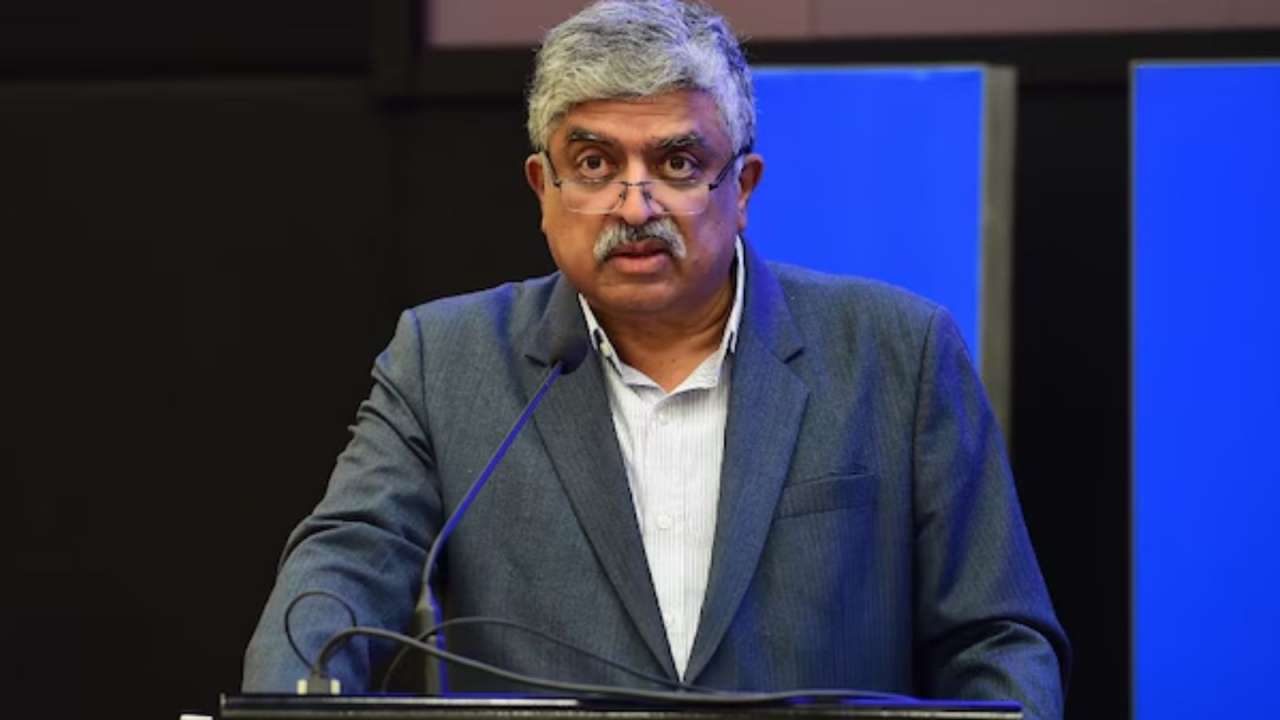
During his address at the Bloomberg New Economy Forum, Nilekani directly confronted the economic underpinnings of paper leaks. "The idea of a predetermined question paper makes it more appealing to leak and sell it," he stated, highlighting the inherent vulnerability in the conventional system. "Why do we need to have something called ‘a question paper’? Because that creates an economic incentive for it to be sold. One way to look at how to solve it is to have a massive bank of questions, and only at the last minute generate the question paper for the day."
)
This proposed model inherently relies on a robust digital infrastructure. Nilekani emphasized that this system would only be feasible within a computer-based test (CBT) framework. While he did not delve into the specifics of how a colossal question bank itself would be secured against potential leaks, the core proposition is to eliminate the static, pre-determined nature of question papers that currently presents an attractive target for illicit activities.
A Digital Leap: The Push for Computer-Based Examinations
The cornerstone of Nilekani’s proposed solution is the widespread adoption of computer-based testing (CBT) for all major examinations. This strategic shift is not merely about adopting new technology; it is about creating an environment where dynamic question paper generation becomes a practical reality.

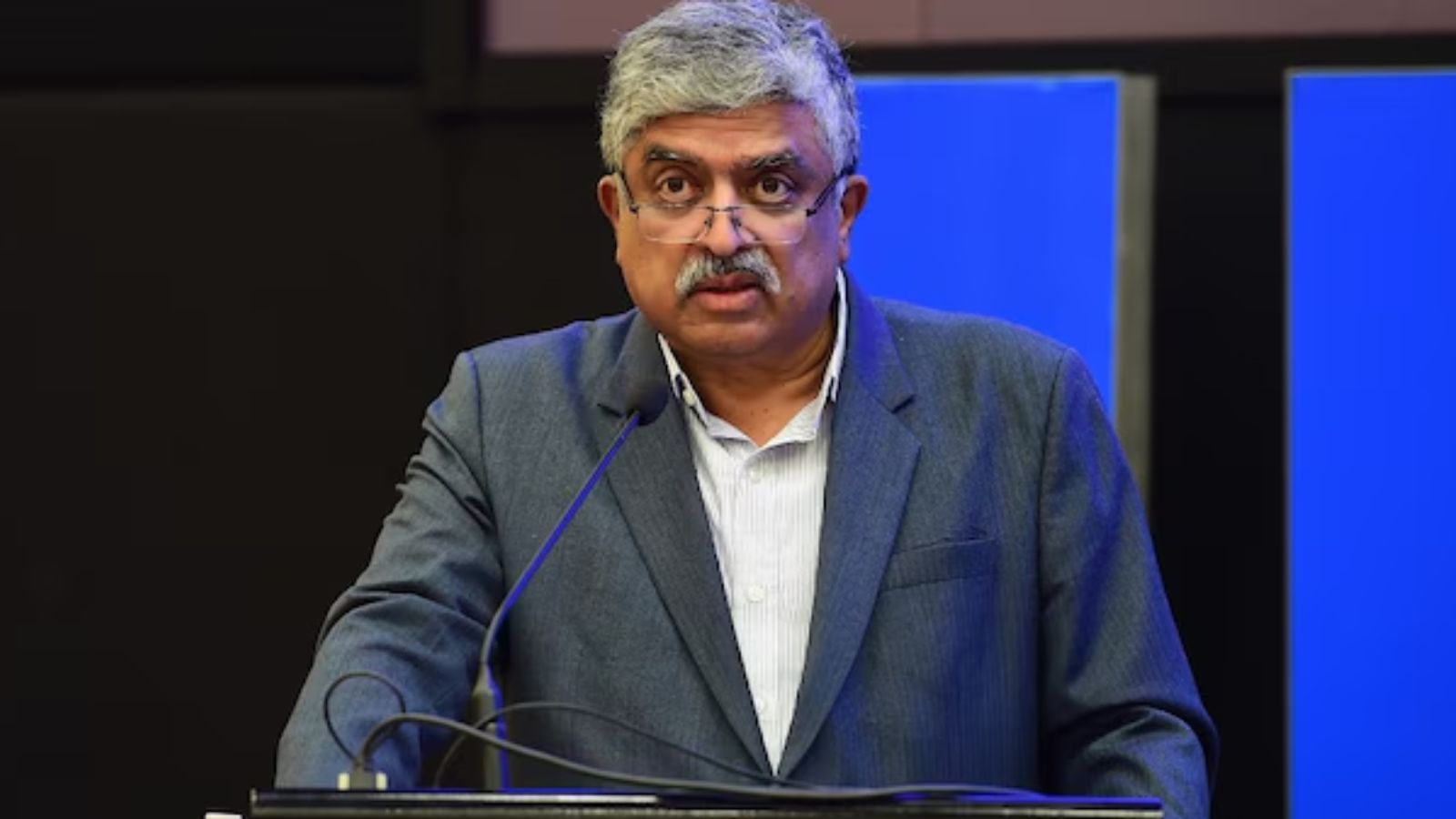
"The committee is looking at how to make sure all exams are done on CBT," Nilekani announced. "That requires a network of locations. We have 1,50,000 locations where young candidates can take a test and that needs to be expanded." This ambitious vision envisions leveraging existing infrastructure and significantly augmenting it to accommodate a nationwide shift to digital examinations.
The move towards CBT is not without its challenges, particularly concerning India’s diverse socio-economic landscape. Nilekani’s statement, however, did not elaborate on how the digital divide and limited internet access in remote and rural areas would be addressed. This remains a critical aspect that will require careful planning and execution to ensure equitable access for all students.
)
In pursuit of establishing reliable testing centers, the National Testing Agency (NTA) is reportedly collaborating with the All India Council for Technical Education (AICTE). The objective is to identify suitable IT infrastructure and government institutions that can serve as standardized testing centers, thereby circumventing the integrity concerns associated with private examination centers. This collaborative effort underscores the seriousness with which the government is approaching the reform of the examination system.
The Task Force: A Mandate for Comprehensive Reform
The establishment of the task force on exam reforms was a direct consequence of significant public outcry and political pressure following a series of high-profile paper leaks. The resignation of the then Union Education Minister, Dharmendra Pradhan, in the wake of these protests, underscored the gravity of the situation and the urgent need for decisive action.
)
The six-member task force, with Nilekani at its helm, comprises a distinguished panel of experts. Its members include former ISRO chief S. Somanath, whose leadership was instrumental in India’s successful space missions, and former IB director Tapan Deka, bringing a wealth of experience in national security and intelligence. This formidable lineup reflects the government’s commitment to a thorough and effective overhaul of the examination system.
The task force was given a three-month mandate to submit its report. In its short but intensive operational period, it has been actively engaged in a rigorous process of data gathering and stakeholder consultation. The panel has conducted 18 internal meetings and engaged in 40 extensive consultations with various stakeholders, including students, parents, and examination bodies such as the National Recruitment Agency (NRA), the Staff Selection Commission (SSC), and the Railway Recruitment Boards (RRB). This comprehensive outreach has resulted in the collection of over 50,000 suggestions, providing a rich tapestry of insights and recommendations to inform the reform process.
)
The Technical Underpinnings and Potential Hurdles
The successful implementation of Nilekani’s AI-driven question paper generation system hinges on several critical technological and logistical factors.
The AI Question Bank: Design and Curation
The development of a massive, AI-curated question bank is the first and perhaps most crucial step. This bank would need to contain an exceptionally diverse range of questions, meticulously crafted to cover the entire syllabus for each subject and examination. The AI would need to be sophisticated enough to:
)
- Generate varied question types: Including multiple-choice, fill-in-the-blanks, short answer, and potentially even essay-based questions, depending on the examination format.
- Ensure difficulty level consistency: The AI must be able to generate papers of a consistent difficulty level across different sessions, preventing any unintended advantage or disadvantage to candidates.
- Incorporate Bloom’s Taxonomy: Questions should be designed to assess various levels of cognitive skills, from simple recall to complex application, analysis, and evaluation.
- Prevent pattern recognition: The AI should be programmed to avoid predictable patterns in question sequencing or phrasing that could be exploited by coaching centers or students.
The creation and maintenance of such a vast and dynamic question bank would require significant investment in AI development, data science expertise, and rigorous quality control mechanisms.
Computer-Based Testing Infrastructure: Scaling Up
The transition to CBT necessitates a robust and widespread testing infrastructure. This involves:
)
- Establishing secure testing centers: These centers must be equipped with reliable computers, stable internet connectivity, and advanced security features to prevent any form of malpractice during the examination.
- Ensuring network security: Protecting the CBT platform from cyber threats, hacking attempts, and unauthorized access is paramount.
- Proctoring and surveillance: Implementing effective online and offline proctoring mechanisms to monitor candidates during the examination. This could involve AI-powered surveillance systems that detect suspicious behavior.
- Addressing the digital divide: Developing strategies to ensure that candidates in remote areas with limited internet access can still participate in CBT. This might involve setting up dedicated centers in such regions or exploring offline modes of testing where feasible.
The logistical challenge of scaling up to 150,000 or more testing locations across a country as vast and diverse as India is immense. It requires meticulous planning, significant financial allocation, and effective coordination between central and state governments, as well as educational institutions.
The "Last Minute" Generation Process: Security and Efficiency
The core of Nilekani’s proposal lies in generating question papers "at the last minute." This implies a highly automated and secure process that is triggered shortly before the examination commences. Key considerations include:
)
- Real-time generation: The AI needs to be capable of generating a complete, error-free question paper within minutes of being activated.
- Secure delivery: The generated paper must be securely transmitted to the testing centers, preventing any interception or leakage en route. This might involve end-to-end encryption and secure digital delivery channels.
- Verification protocols: Robust verification mechanisms would be required to ensure that the correct question paper is delivered to the correct examination center at the designated time.
The definition of "last minute" itself will need to be clearly established to balance security with operational feasibility. A few hours before the exam might be considered "last minute" in this context, allowing sufficient time for secure distribution without compromising the integrity of the paper.
Expert Opinions and Potential Challenges
While Nilekani’s proposal has been met with considerable optimism, it also raises several pertinent questions and potential challenges that warrant careful consideration.
)
Concerns about AI Bias and Accuracy
- Algorithmic bias: AI systems are trained on data, and if the training data contains biases, the AI can perpetuate them. Ensuring that the AI-generated questions are free from any form of bias related to gender, caste, religion, or region is crucial.
- Accuracy and relevance: The AI must consistently generate questions that are accurate, relevant to the syllabus, and reflect the intended learning outcomes. Rigorous testing and validation of the AI’s output will be essential.
The Human Element in Question Design
- Creativity and nuance: While AI can generate questions based on predefined parameters, there is a concern that it might lack the nuanced understanding and creativity of human experts in crafting questions that truly test higher-order thinking skills and critical analysis.
- Subjectivity in evaluation: For subjective questions, human evaluation will still be necessary. The transition to CBT and AI-generated papers needs to be complemented by equally robust and fair evaluation mechanisms.
The Question of a Leaking Question Bank
Nilekani acknowledged that a large question bank, even if managed by AI, could still be vulnerable to leaks. This remains a significant concern. Strategies to mitigate this risk might include:
- Advanced access controls: Implementing multi-layered security protocols to restrict access to the question bank to only authorized personnel.
- Data anonymization and encryption: Ensuring that any sensitive data within the question bank is anonymized and heavily encrypted.
- Regular security audits: Conducting frequent and stringent security audits to identify and address any vulnerabilities.
- Dynamic question bank updates: The AI could also be programmed to dynamically update and shuffle questions within the bank to further enhance security.
The Digital Divide and Inclusivity
As mentioned earlier, the digital divide remains a substantial hurdle. For a proposal that relies heavily on technology, ensuring inclusivity for all students, irrespective of their socio-economic background or geographical location, is paramount. This will require:
)
- Government investment in digital infrastructure: Expanding internet connectivity and providing access to digital devices in underserved areas.
- Public-private partnerships: Collaborating with private entities to establish testing centers and provide digital literacy training.
- Hybrid models: Exploring the possibility of hybrid examination models that combine elements of CBT with traditional pen-and-paper tests for specific regions or demographics, at least in the interim.
The Path Forward: A Transformative Vision
Nandan Nilekani’s proposal represents a bold and forward-thinking approach to tackling a deeply entrenched problem. The integration of AI and CBT in examination systems has the potential to usher in an era of unprecedented fairness, efficiency, and integrity. However, the successful implementation of this vision will require meticulous planning, substantial investment, and a steadfast commitment to addressing the inherent challenges.
The task force’s ongoing work, with its extensive stakeholder consultations and data-driven approach, suggests a serious commitment to developing a comprehensive and actionable reform strategy. The coming months will be critical in determining the finer details of this ambitious plan and its roadmap for implementation.
)
As India continues its digital transformation, the examination system, a critical pillar of its educational and professional landscape, stands at the cusp of a radical evolution. The prospect of AI-generated question papers, delivered through secure computer-based tests, offers a compelling vision for a future where meritocracy prevails, unhindered by the shadows of paper leaks. The journey ahead will undoubtedly be complex, but the potential rewards—a more equitable, transparent, and trustworthy examination system—make it a pursuit of immense national importance.