Mumbai, India – October 18, 2026 – India’s vibrant bullion market continues to be a focal point for investors and consumers alike, with gold and silver prices on Saturday, October 18, 2026, reflecting a delicate balance between persistent global economic uncertainties and robust domestic demand. While international market trends, the strength of the US Dollar, and inflationary pressures exert significant influence, local factors such as the impending festive season and cultural affinity for precious metals play an equally crucial role in shaping daily rates across major Indian cities.
Today’s prices reveal a slight upward trajectory for gold, attributed primarily to its traditional role as a safe-haven asset amidst geopolitical jitters and persistent inflation concerns. Silver, often seen as gold’s industrial counterpart, also registered stable, albeit high, valuations, underscored by its growing utility in green technologies and continued investment interest. This detailed report delves into the current price breakdown, the myriad factors at play, expert analyses, and the broader implications for India’s economy and its citizens.
Current Snapshot: Key Bullion Prices on October 18, 2026
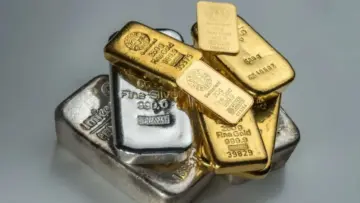
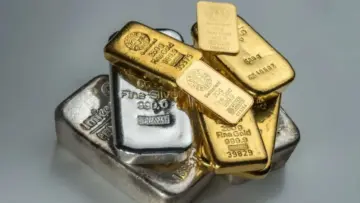
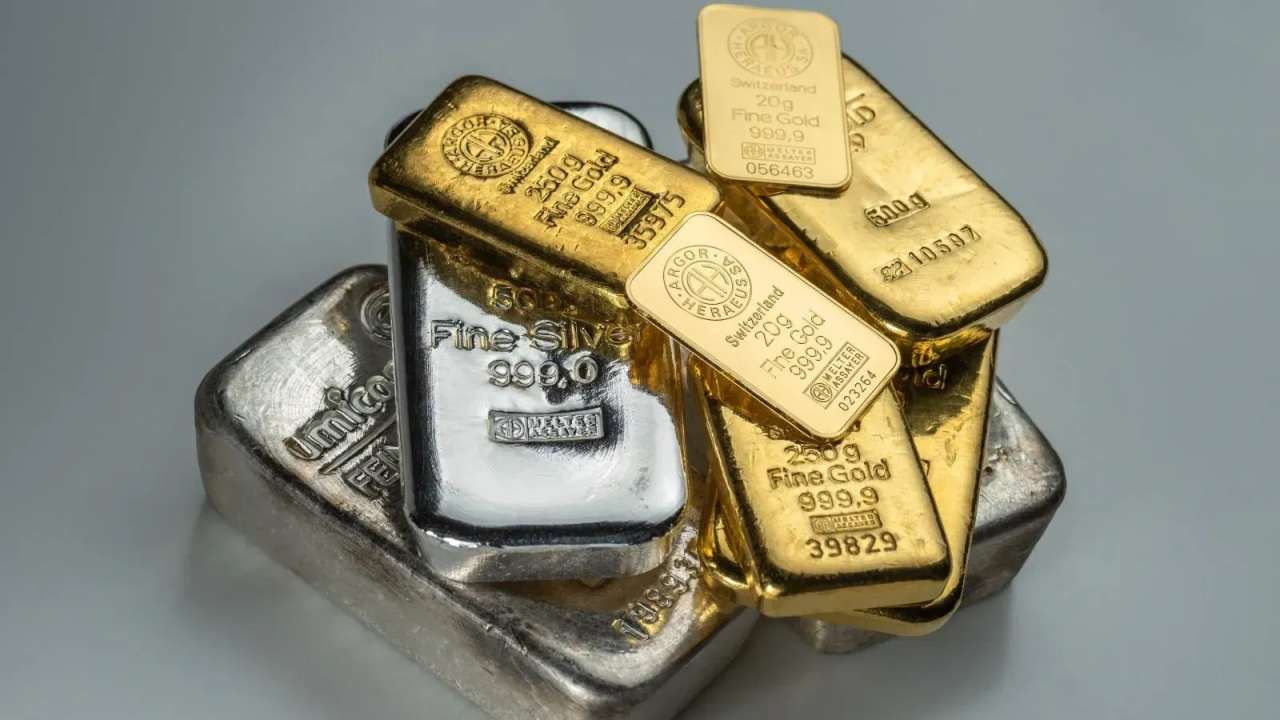
As of October 18, 2026, the Indian bullion market presents a mixed yet generally elevated picture for precious metals. The average national price for 24K gold (999 purity) stands at Rs 14,744 per gram, while 22K gold (91.67% purity), preferred for jewellery, is priced at Rs 13,515 per gram. Silver 999 pure is commanding a rate of approximately Rs 2,300 per 10 grams, translating to Rs 2,30,000 per kilogram, with Sterling Silver (925 purity) mirroring this rate. These figures underscore a market grappling with sustained demand against a backdrop of global volatility.
A Look Back: Recent Trends Shaping Today’s Rates
The current pricing structure for gold and silver on October 18, 2026, is not an isolated event but rather the culmination of several weeks, if not months, of evolving market dynamics. The past quarter, specifically Q3 2026, witnessed gold prices consolidating after a period of significant volatility earlier in the year. Fears of a global economic slowdown, exacerbated by lingering supply chain issues and energy price fluctuations, propelled safe-haven demand. Central banks globally continued their cautious stance, with some maintaining higher interest rates to combat inflation, which paradoxically supported gold as a hedge against currency depreciation.
)
Silver, while tracking gold’s movements to a degree, also found support from its industrial applications. The accelerating global push towards renewable energy, particularly solar power, and advancements in electric vehicle technology have created a robust baseline demand for silver. This industrial consumption, coupled with its traditional appeal as an investment metal, has prevented any significant downward corrections despite occasional profit-taking.
The Indian Rupee’s performance against the US Dollar has also been a critical "chronological" factor. Periods of Rupee depreciation have historically made gold imports more expensive, thereby pushing up domestic prices. Conversely, a stronger Rupee can offer some relief to consumers. Over the last few weeks, the Rupee has shown moderate stability, preventing a sharp rise in import costs but not strong enough to significantly depress prices. This stability has allowed global gold price movements and domestic demand to be the primary drivers of today’s rates.

Supporting Data: Unpacking the Influential Factors
The pricing of gold and silver in India is a complex interplay of macroeconomic indicators, geopolitical developments, and deeply ingrained cultural practices. Understanding these factors is crucial for both investors and consumers.
1. Global Market Trends and Geopolitical Landscape
The international price of gold, benchmarked in US Dollars, remains the most significant determinant of domestic rates. As of today, global gold prices are experiencing upward pressure due to several key factors:
)
- Geopolitical Instability: Ongoing regional conflicts and heightened tensions in various parts of the world (e.g., renewed concerns in Eastern Europe, Middle Eastern complexities) are driving investors towards safe-haven assets. Gold, with its historical record of preserving value during crises, is a primary beneficiary.
- Inflationary Pressures: Despite efforts by global central banks, inflationary pressures persist in major economies. Rising commodity prices (oil, gas, agricultural products) contribute to a higher cost of living, prompting investors to seek inflation hedges like gold. The expectation of continued high inflation, even if moderated, supports gold’s appeal.
- Interest Rate Expectations: The trajectory of interest rates by major central banks, particularly the US Federal Reserve, significantly impacts gold. While higher interest rates typically make non-yielding assets like gold less attractive, the current environment of real negative interest rates (where inflation outpaces nominal interest rates) makes gold a more appealing store of value. Any signals of a potential pause or pivot in rate hikes further bolsters gold’s position.
- US Dollar Index (DXY): Gold and the US Dollar typically share an inverse relationship. A weaker Dollar makes gold cheaper for holders of other currencies, thereby boosting demand and price. Today, the DXY is exhibiting moderate strength, which might have otherwise capped gold’s rise. However, the overpowering safe-haven demand and inflation hedge narrative are currently mitigating the Dollar’s strength.
2. Domestic Demand: The Heartbeat of the Indian Bullion Market
India’s cultural affinity for gold and silver is unparalleled, making domestic demand a colossal force in price determination.
- Festive Season Rush: October marks the onset of India’s auspicious festive season, leading up to Diwali, Dhanteras, and the wedding season. This period traditionally witnesses a significant surge in demand for gold and silver jewellery, coins, and bars. Consumers often view these purchases as both investments and essential cultural expenditures. The current prices reflect this anticipated spike in demand, with jewellers stocking up and consumers making planned purchases.
- Investment vs. Consumption: While a large portion of demand is for jewellery (consumption), a substantial segment also views gold as a primary investment vehicle, especially in rural areas where access to formal financial instruments may be limited. Gold’s liquidity and tangibility make it a preferred asset for wealth preservation and transfer.
- Rural Demand: Monsoon performance and agricultural output significantly influence rural purchasing power. A good monsoon typically translates to higher rural incomes, leading to increased gold and silver purchases. Early reports for the 2026 monsoon indicate a healthy season, contributing to positive market sentiment.
3. Currency Exchange Rates: INR vs. USD
The exchange rate between the Indian Rupee (INR) and the US Dollar (USD) is a direct determinant of the landed cost of imported gold and silver.
)
- Import Dependency: India imports almost all its gold and a significant portion of its silver. A depreciating Rupee makes these imports more expensive in INR terms, pushing up domestic prices. Conversely, a strengthening Rupee can soften prices.
- RBI Policy and Trade Balance: The Reserve Bank of India’s monetary policies, foreign exchange interventions, and the country’s overall trade balance influence the Rupee’s stability. While the Rupee has shown resilience recently, global economic headwinds and capital outflows remain potential threats to its stability. Today’s prices factor in the current exchange rate, which has maintained a moderate level, preventing runaway price increases solely due to currency fluctuations.
4. Inflationary Pressures within India
India, like many global economies, is battling domestic inflation.
- Consumer Price Index (CPI): While the RBI has been proactive in managing inflation, the CPI remains a concern. Gold is widely regarded as a hedge against inflation, as its value tends to rise when the purchasing power of fiat currencies declines. Indian consumers and investors are increasingly turning to gold to protect their savings from erosion by inflation.
- Cost-Push vs. Demand-Pull: Both cost-push (e.g., higher energy and raw material costs) and demand-pull (e.g., increased consumer spending) inflation factors are at play, contributing to the overall inflationary environment and thus supporting gold’s appeal.
City-Wise Price Breakdown: A Glimpse Across India
While national averages provide a benchmark, local taxes, transportation costs, and specific regional demand dynamics can lead to slight variations in prices across Indian cities.
)
Gold Prices on October 18, 2026:
-
Gold Prices in Delhi:
- 24K Gold: Rs 14,759 per gram
- 22K Gold: Rs 13,530 per gram
- (Slightly higher than national average, reflecting local demand and logistical factors.)
-
Gold Prices in Mumbai:
)
- 24K Gold: Rs 14,744 per gram
- 22K Gold: Rs 13,515 per gram
- (Aligns with the national average, Mumbai being a major bullion trading hub.)
-
Gold Prices in Kolkata:
- 24K Gold: Rs 14,744 per gram
- 22K Gold: Rs 13,515 per gram
- (Similar to Mumbai, indicating efficient market integration.)
-
Gold Prices in Chennai:
)
- 24K Gold: Rs 14,744 per gram
- 22K Gold: Rs 13,515 per gram
- (Chennai, a significant jewellery market, also mirrors the national average.)
Silver Prices on October 18, 2026:
-
Silver Price in Delhi Today:
- Silver 999: Rs 2300 per 10 grams
- (Delhi’s industrial and jewellery demand contributes to its pricing stability.)
-
Silver Price in Mumbai Today:
)
- Silver 999: Rs 2300 per 10 grams
- (Mumbai, as a financial and trading hub, sets a benchmark for silver prices.)
-
Silver Price in Kolkata Today:
- Silver 999: Rs 2300 per 10 grams
- (Kolkata maintains parity with major metros for silver.)
-
Silver Price in Chennai Today:
)
- Silver 999: Rs 2300 per 10 grams
- (Chennai’s robust silver market, especially for traditional ornaments, keeps prices aligned.)
Official Responses and Expert Insights
Market analysts and industry veterans offer varied perspectives on the current bullion landscape and future outlook.
"The current gold prices reflect a strong underlying demand for safe-haven assets," states Dr. Ananya Sharma, Chief Economist at Zenith Financial Services. "Global uncertainties, particularly geopolitical flashpoints and persistent inflationary pressures in key economies, are keeping gold firmly in the investor’s portfolio. We’re seeing institutional money flow into gold ETFs, supplementing the traditional physical demand. For India, the festive season acts as a powerful accelerator, ensuring domestic prices remain robust even if global cues are mixed."
)
Mr. Rajesh Mehta, President of the All India Jewellers Association (AIJA), commented on the consumer side: "Despite the elevated prices, demand for gold jewellery remains strong, especially with the upcoming festivals and wedding season. Consumers in India view gold not just as an ornament but as an integral part of their cultural heritage and a reliable form of savings. While there’s some shift towards lighter jewellery or lower karat options to manage budgets, the overall sentiment is positive. Silver is also seeing a resurgence, particularly in traditional markets and among younger demographics who appreciate its versatility and affordability."
On silver’s unique position, Ms. Priya Singh, a Commodity Strategist at Global Markets Inc., remarked, "Silver is navigating a dual narrative. On one hand, it benefits from gold’s safe-haven appeal during economic uncertainty. On the other, its increasing industrial utility, especially in the burgeoning green energy sector and electronics, provides a robust floor to its prices. Any significant global manufacturing growth or accelerated adoption of renewable technologies will be a strong tailwind for silver in the medium to long term."
)
Experts generally agree that the current environment suggests continued strength for both precious metals, albeit with potential short-term corrections based on shifting geopolitical tides or central bank policy adjustments.
Implications: What These Prices Mean
The current gold and silver prices carry significant implications for various stakeholders in India.
)
1. For Consumers and Households:
- Purchasing Decisions: High prices may lead some consumers to defer non-essential purchases or opt for lower karat gold (22K instead of 24K) or lighter jewellery designs. The strong cultural imperative for gold, however, ensures that core festive and wedding purchases largely continue.
- Investment Strategy: For those looking to invest, the current scenario reinforces gold and silver as viable hedges against inflation and currency depreciation. Diversification of investment portfolios with physical gold, gold bonds, or digital gold remains a prudent strategy.
- Savings Erosion: Households relying solely on traditional cash savings may see their purchasing power erode due to inflation, making physical assets like gold and silver attractive alternatives.
2. For Investors and Financial Markets:
- Safe-Haven Appeal: The sustained high prices underscore the role of gold as a preferred safe-haven asset during times of global economic and political instability.
- Portfolio Diversification: Institutional and retail investors are increasingly using precious metals to diversify their portfolios and mitigate risks associated with volatile equity markets or fixed-income instruments offering low real returns.
- Commodity Market Trends: The strong performance of gold and silver influences sentiment across the broader commodity markets, potentially signalling inflationary expectations or global growth concerns.
3. For the Jewellery Industry:
- Inventory Management: Jewellers face the challenge of managing high-value inventory amidst fluctuating prices. Hedging strategies become crucial to mitigate risks.
- Pricing and Margins: The industry must carefully balance competitive pricing with maintaining healthy margins, especially given the high raw material costs.
- Design Innovation: There’s a growing trend towards creating lighter, more intricate designs that offer aesthetic appeal while being more budget-friendly for consumers. The rise of silver ornaments and fusion jewellery also offers alternatives.
4. For the Indian Economy:
- Import Bill: High gold and silver prices, coupled with strong domestic demand, can significantly inflate India’s import bill, putting pressure on the current account deficit and the Rupee.
- Foreign Exchange Reserves: Increased precious metal imports necessitate the outflow of foreign exchange, impacting the country’s forex reserves.
- Monetary Policy: The Reserve Bank of India closely monitors bullion imports and their impact on the economy, potentially influencing its monetary policy decisions to manage liquidity and inflation.
- Wealth Distribution: Gold’s status as a traditional store of wealth in rural areas means price movements can impact the financial well-being of a large segment of the population.
The Road Ahead: Outlook and Considerations
Looking forward, the bullion market is expected to remain dynamic. Global economic data, particularly inflation reports and central bank pronouncements, will continue to be closely watched. Any de-escalation of geopolitical tensions could temporarily dampen safe-haven demand, while further escalation could send prices soaring.
Domestically, the momentum of the festive and wedding seasons will sustain demand for the next few months. However, any significant policy changes regarding import duties or taxation on precious metals by the Indian government could also introduce new variables into the pricing equation.
)
For individuals, staying informed about market trends and understanding the factors influencing prices is paramount. Whether for investment or consumption, making informed decisions, possibly after consulting financial advisors, remains the best approach in India’s ever-evolving bullion market. The timeless allure of gold and silver ensures their continued prominence in India’s economic and cultural fabric, making their price movements a subject of enduring interest and significance.