

Main Facts: The Essential Pillar of South Indian Gastronomy
In the vast and intricate landscape of South Indian cuisine, few elements are as foundational yet versatile as the condiment known as "chutney." While the coconut-based variety often garners international fame, the Onion Tomato Chutney stands as a sophisticated alternative, prized for its complex interplay of sweetness, acidity, and heat. Recent culinary assessments highlight this specific chutney as a "go-to" staple in both domestic kitchens and professional establishments across the Indian subcontinent.
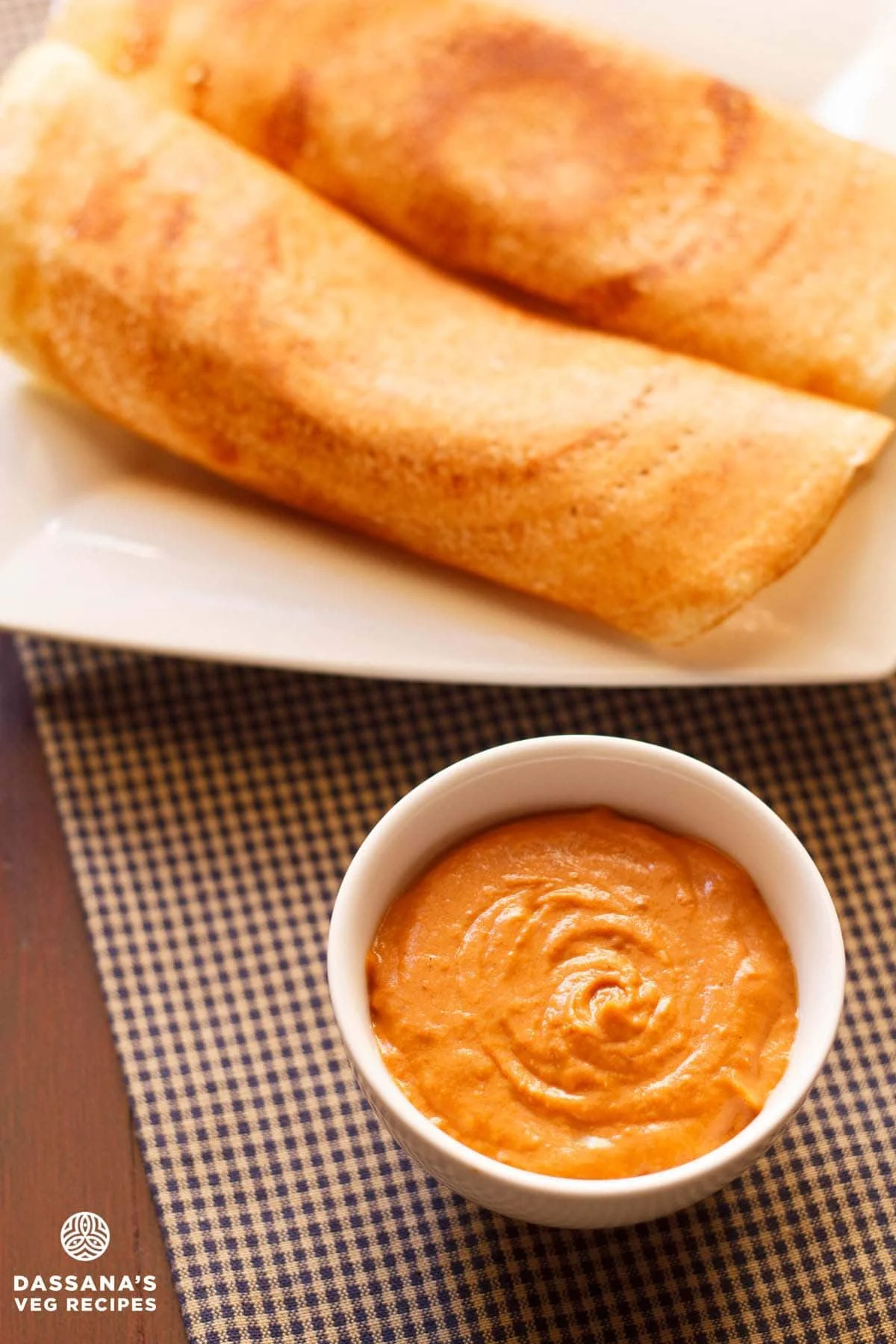
The Onion Tomato Chutney—often referred to as Vengaya Thakkali Chutney in Tamil Nadu—is a cooked condiment primarily composed of sautéed onions, ripe tomatoes, split black gram (urad dal), and dried red chilies. Unlike raw chutneys, this cooked version offers a deeper, more robust flavor profile that serves as the perfect foil for the mild, fermented notes of South Indian "tiffin" items such as dosa (rice crepes), idli (steamed rice cakes), and medu vada (savory lentil donuts).

According to culinary data, the success of this dish hinges on a specific ratio of ingredients. A 1:1 ratio of onions to tomatoes is considered the gold standard for achieving a balanced palate. The onions provide a foundational sweetness through caramelization, while the tomatoes introduce a sharp tanginess. This equilibrium is further refined by the inclusion of tamarind, which provides a "rounded" acidity, and asafoetida (hing), which contributes a savory, umami-like depth.
Chronology: The 20-Minute Evolution from Raw to Refined
The production of Onion Tomato Chutney is a disciplined, chronological process that transforms humble ingredients into a cohesive sauce in approximately 20 minutes. The workflow is divided into three distinct phases: the tempering of aromatics, the softening of the vegetable base, and the final emulsification.

Phase I: The Tempering of Legumes and Chilies
The process begins with the heating of a neutral oil—typically sunflower or peanut oil—over a low-to-medium flame. The first ingredient introduced is the urad dal (split black gram). In South Indian cooking, this legume is not used as a bulk protein but as a flavoring agent. It must be sautéed until it reaches a specific "light golden" hue.
Immediately following the dal, dried red chilies are added. This stage is critical; the chilies must deepen in color to release their capsaicin and smoky notes into the oil without crossing the threshold into bitterness. If the lentils or chilies are scorched, the entire batch is compromised, necessitating a restart.

Phase II: The Softening of the Allium and Fruit
Once the aromatics are primed, the onions (approximately 100 grams per cup) are introduced. The goal here is not deep browning—which would lead to a heavy, jam-like consistency—but rather a softening to a "light golden" state. This ensures the sweetness remains "gentle" rather than overpowering.
Following the onions, chopped tomatoes are added along with salt and asafoetida. This stage requires patience. The tomatoes must be cooked until they lose their "raw smell" and their cellular structure breaks down into a pulpy consistency. In instances where the mixture begins to adhere to the pan, culinary experts suggest the addition of a few tablespoons of water to facilitate a steaming effect, ensuring the tomatoes are fully softened before the heat is removed.

Phase III: Cooling and Emulsification
The mixture is never blended hot. It must be allowed to reach room temperature to preserve the vibrancy of the flavors and to prevent steam buildup in the grinding apparatus. A small amount of seedless tamarind is added at this stage. The final step is blending the mixture into a smooth paste. While some chefs prefer a rustic, coarse texture, the traditional "tiffin" style demands a velvety, smooth finish.
Supporting Data: Nutritional Profile and Flavor Science
The Onion Tomato Chutney is not merely a flavor enhancer; it is a nutritionally dense addition to a meal. Based on standardized serving sizes (approximately three servings per batch), the nutritional breakdown reveals a low-calorie, high-micronutrient profile.

Nutritional Breakdown per Serving:
- Energy: 67 kcal
- Macronutrients: 6g Carbohydrates, 1g Protein, 5g Fat (predominantly monounsaturated).
- Micronutrients: The chutney is particularly rich in Vitamin A (324 IU) and Vitamin C (7 mg), primarily derived from the cooked tomatoes and chilies.
- Minerals: It provides essential traces of Potassium (138 mg), Calcium (15 mg), and Magnesium (8 mg).
From a culinary science perspective, the chutney utilizes the "Maillard reaction" during the sautéing of onions and urad dal to create complex flavor compounds. The addition of tamarindus indica (tamarind) acts as a natural preservative and flavor stabilizer, ensuring the chutney maintains its peak profile for up to 24 hours when refrigerated. The use of neutral oils ensures that the intrinsic flavors of the vegetables are not masked by the fat source.

Official Responses: Expert Perspectives on Customization and Tradition
Culinary experts and home cooks alike emphasize that while the base recipe is standardized, the "soul" of the chutney lies in household-specific adjustments.
The "Tadka" Debate
A significant point of discussion among South Indian chefs is the necessity of "tempering" (tadka) after the chutney is blended. One school of thought, represented by practitioners like Dassana Amit of Veg Recipes of India, suggests that the chutney is sufficiently flavorful without a final tempering. The sautéed urad dal and chilies already provide the necessary aromatic foundation.

However, for festive occasions or restaurant service, an "official" secondary tempering is often applied. This involves heating oil and crackling mustard seeds, curry leaves, and additional red chilies, which are then poured over the cold chutney. This adds a textural contrast and a fresh aromatic "top note" that complements the deep flavors of the cooked base.
Ingredient Substitutions
Official culinary guidelines allow for regional variations. In some parts of Andhra Pradesh, garlic is added alongside onions for a more pungent profile. In Karnataka, a small piece of jaggery (unrefined sugar) might be added to further accentuate the sweet-and-sour balance. The flexibility of the recipe is cited as the primary reason for its enduring popularity across diverse demographics.

Implications: The Globalization of the South Indian Condiment
The rise of the Onion Tomato Chutney mirrors the broader global trend of "Regional Indian Cuisine" moving beyond the stereotypical North Indian "Curry House" model. As dosas and idlis become popular health-conscious breakfast options in cities like London, New York, and Dubai, the demand for authentic accompaniments has surged.
Beyond the Tiffin
The implications of this recipe extend beyond traditional South Indian meals. Culinary innovators are increasingly using Onion Tomato Chutney in fusion contexts:

- Sandwich Spreads: Its balanced acidity makes it a superior alternative to commercial ketchups or mayonnaises in vegetable sandwiches and wraps.
- Gourmet Dips: The chutney is being marketed as a sophisticated dip for savory snacks like Potato Bajji (fritters) or even Western-style crackers and crudités.
- Shelf-Stable Innovation: Food tech companies are exploring ways to bottle this specific flavor profile, using the natural acidity of the tomatoes and tamarind to create preservative-free, shelf-stable versions for the international market.
Conclusion
The Onion Tomato Chutney represents a perfect marriage of simplicity and sophistication. Its 20-minute preparation time belies a complex chemical and sensory structure that has been refined over generations. As diners increasingly seek out authentic, plant-based, and flavor-forward condiments, this South Indian staple is poised to transition from a regional "tiffin" side dish to a globally recognized culinary asset. Whether served with a crispy dosa or used as a modern sandwich spread, its ability to provide a "balanced sweet, tangy, and mildly spicy taste" ensures its place in the pantheon of great world sauces.
