

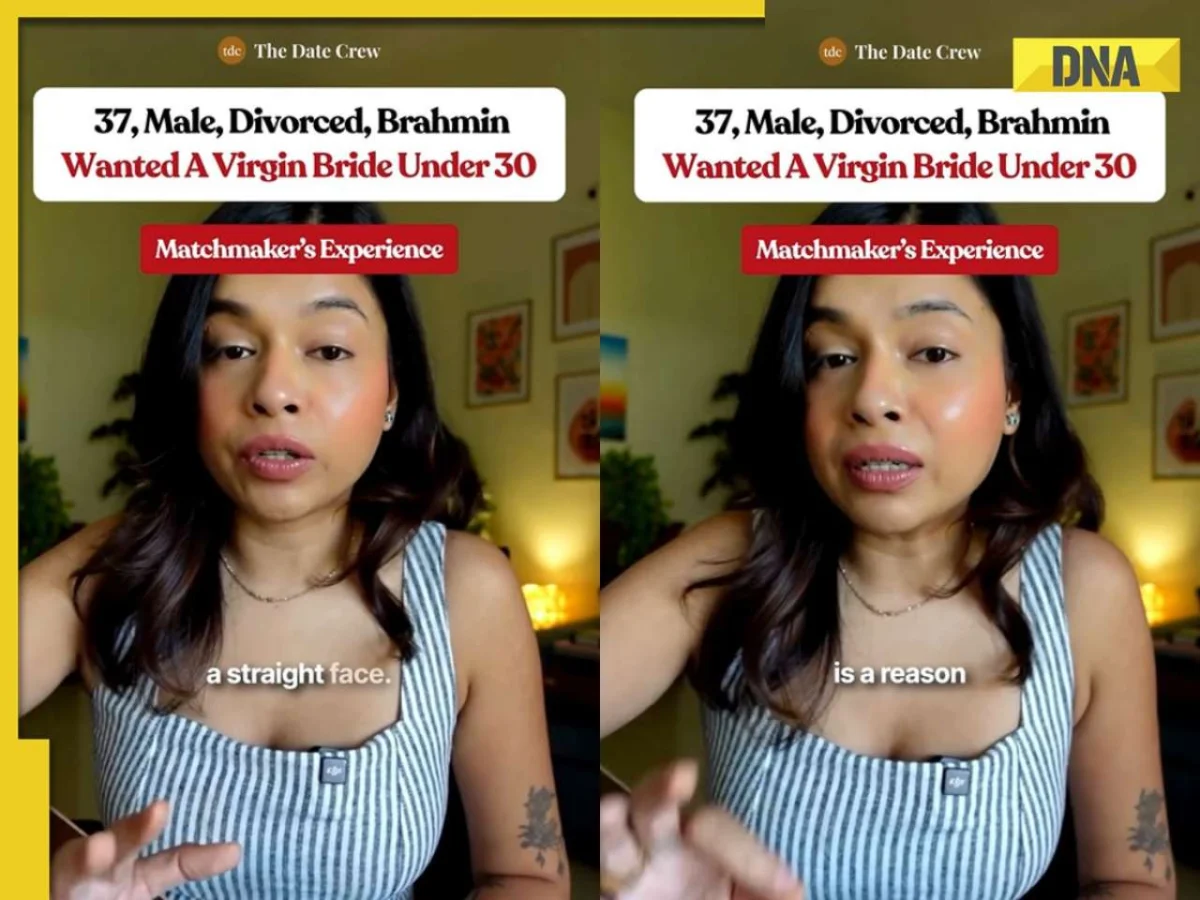
Mumbai, India – A recent viral post by prominent matchmaker Oendrila Kapoor has ignited a firestorm of discussion and controversy across social media platforms, bringing into sharp focus the often-unspoken expectations and perceived double standards prevalent in the Indian matchmaking landscape. The catalyst for this fervent debate is the stringent set of criteria outlined by a 37-year-old divorced IIT graduate for a prospective bride, which has been widely decried as both hypocritical and deeply regressive.
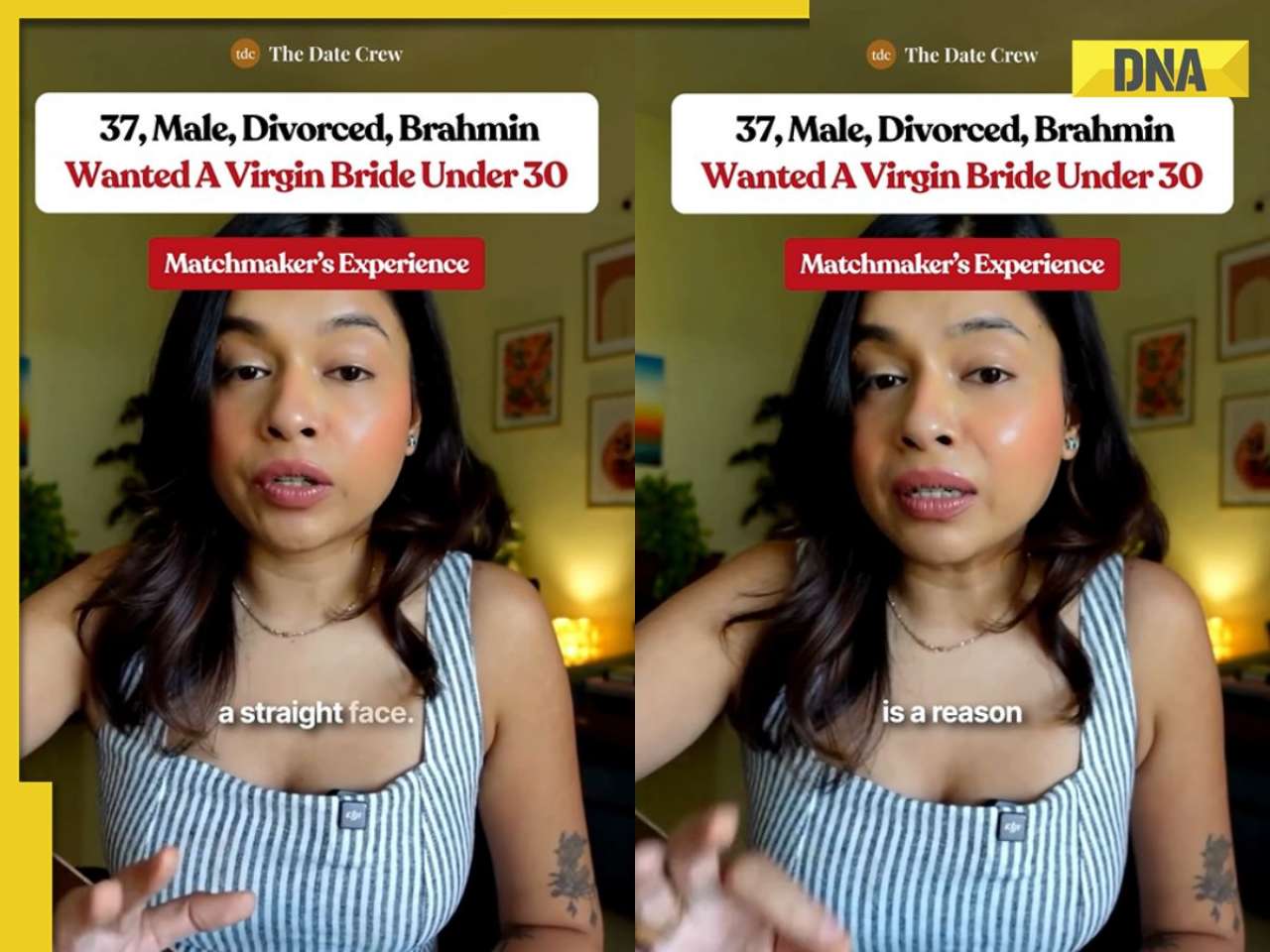
The groom-to-be, a highly educated professional reportedly holding a directorial position at a multi-billion-dollar corporation, presented a list of demands that have left many questioning the fairness and logic behind his search for a life partner. Kapoor, a respected figure in the dating and relationship coaching industry, shared the details of her interaction with the client, highlighting his insistence on a bride under the age of 30, belonging to the Brahmin community, and crucially, possessing no prior romantic entanglements or sexual history.
The Uncompromising Demands of a High-Achieving Professional
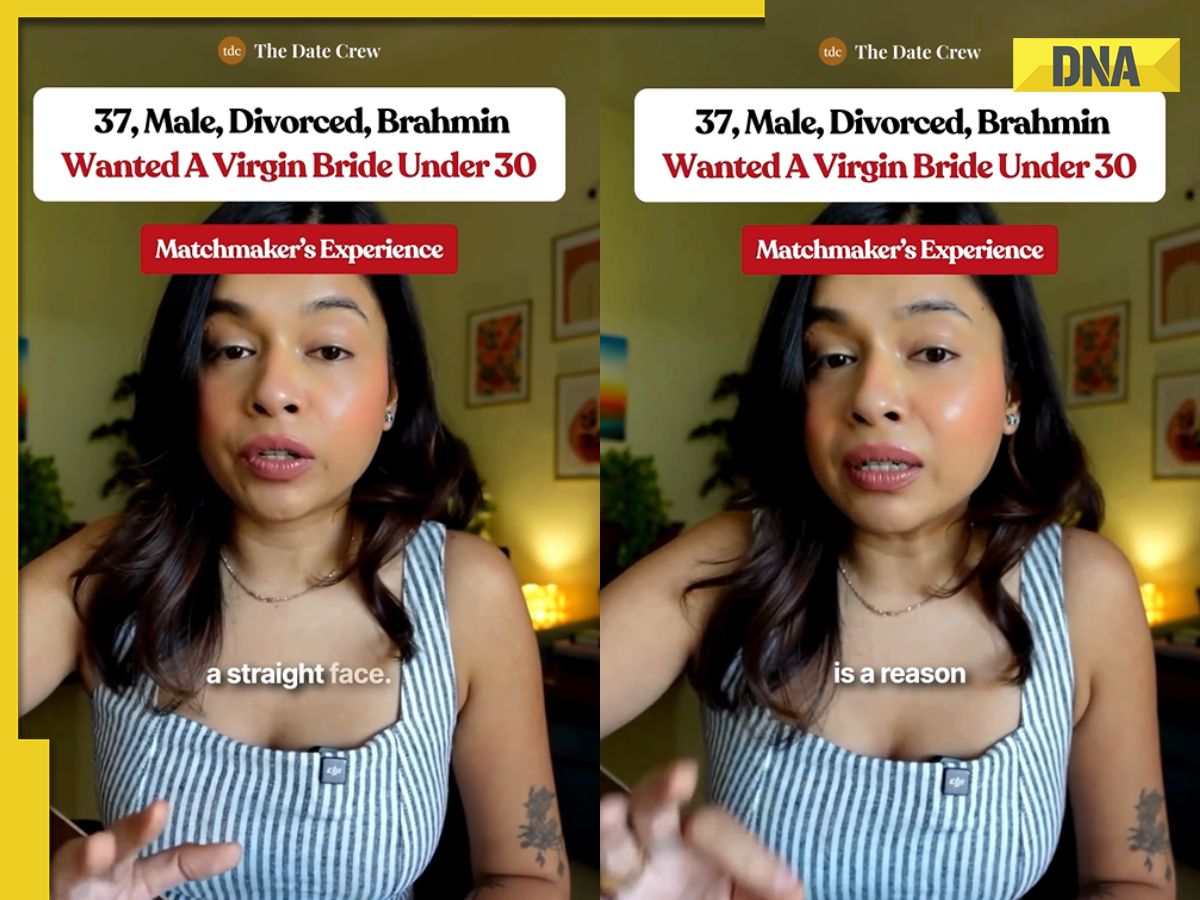
The core of the controversy lies in the stark contrast between the client’s own marital status and his exacting requirements for a future spouse. At 37, the man is divorced, a fact that, according to societal norms and increasingly, legal frameworks, signifies a past relationship experience. Yet, he explicitly sought a woman who is, in his words, "untouched" and has "no past relationships." This demand, shared by Kapoor on her social media channels, immediately struck a chord with a vast online audience, many of whom found it to be a clear manifestation of a deeply ingrained patriarchal mindset.
Kapoor detailed the conversation, where the client attempted to justify his stringent criteria by referencing what he claimed was "research" suggesting that women with multiple past relationships are more prone to infidelity. This assertion, presented without any verifiable evidence or academic backing, was met with skepticism by Kapoor and subsequently, by the online community. The matchmaker’s direct challenge to his reasoning – questioning whether the same logic should apply to him as a divorced individual – was reportedly met with a dismissive response.
)
The client’s alleged justification for this discrepancy further inflamed the situation. When asked to explain why his own divorce did not disqualify him under his purported "research," he is reported to have stated, "Because I am a man." This remark, interpreted as an open admission of gender-based privilege and a blatant double standard, became a focal point of criticism, amplifying the sense of injustice felt by many.
The Matchmaker’s Stance: Refusal and Reasoning
Oendrila Kapoor, in her capacity as a professional matchmaker, ultimately made the decision not to proceed with the client. Her refusal was rooted in her assessment of his underlying mindset, which she characterized as one of control rather than a genuine desire for a compatible partnership. She argued that his expectations were not only unrealistic but also harbored biases that would likely lead to an unhealthy and unequal relationship dynamic.

Kapoor further elaborated on the potential societal implications of such demands. She pointed out that a woman who would perfectly fit his criteria – young, Brahmin, and with no prior relationships – would likely hail from a highly traditional background. The challenge, she suggested, would be in bridging the gap between such a background and the acceptance of a partner with a prior divorce and such rigid, potentially judgmental, expectations. This highlights a significant societal disconnect where traditional values are selectively applied, often to the disadvantage of women.
A Social Media Uproar: Reactions and Repercussions
The viral post quickly snowballed into a widespread online discussion, with users from diverse backgrounds chiming in with their opinions and experiences. The overwhelming sentiment leaned towards strong condemnation of the client’s demands. Many commenters labeled the criteria as "outdated," "hypocritical," and a "clear double standard." The irony of a divorced man demanding a virgin bride was a recurring theme in the reactions.
)
Social media platforms, particularly Instagram and X (formerly Twitter), became virtual battlegrounds for these discussions. Users shared personal anecdotes of encountering similar expectations in their own families or through arranged marriage platforms, underscoring the pervasive nature of these biases. Hashtags related to gender inequality, patriarchal norms, and modern matchmaking trends gained traction as the debate intensified.
One common observation was the disconnect between the purported desire for a harmonious marriage and the imposition of such rigid, externally dictated conditions. Critics argued that a healthy relationship is built on mutual respect, understanding, and acceptance, qualities that seem to be absent in the client’s approach. The emphasis on virginity and lack of past relationships, especially for women, was seen as a relic of patriarchal control, aimed at ensuring perceived purity and obedience rather than fostering genuine companionship.
)
The incident also brought to the fore the role of matchmakers and matrimonial platforms in perpetuating or challenging these societal norms. Kapoor’s decision to publicly call out and refuse the client was lauded by many as a brave and responsible stance, setting a precedent for other professionals in the field. It raises questions about the ethical responsibilities of matchmakers to challenge problematic client demands and educate them on healthier relationship paradigms.
Underlying Issues: Gender Norms, Caste, and ‘Research’
Beyond the immediate outrage, the incident has spurred deeper reflections on several interconnected societal issues:
)
-
Gender Inequality and Double Standards: The most prominent critique revolves around the stark double standard. While the client’s divorce is presented as a non-issue for his own eligibility, he deems a woman’s past relationships as a disqualifier. This reflects a deeply ingrained societal bias that often holds women to a higher moral and sexual standard than men. The "because I am a man" justification is a stark admission of this prevailing inequality.
-
The Role of Caste: The explicit mention of the Brahmin community as a requirement introduces the enduring influence of caste in Indian matrimonial choices. While inter-caste marriages are becoming more common, the continued emphasis on caste, particularly by individuals from privileged backgrounds, highlights the persistent social stratification and the desire to maintain perceived purity and social standing. This demand, combined with the virginity clause, suggests a desire for a partner who aligns with a very specific, often traditional, and religiously sanctioned ideal.
)
-
The Misuse of ‘Research’: The client’s reliance on unsubstantiated "research" to justify his discriminatory views is a concerning trend. In an age of information, it is crucial to critically evaluate the sources and validity of claims, especially those used to perpetuate prejudice. This highlights a broader societal tendency to cherry-pick or misinterpret information to support pre-existing biases.
-
Evolving Relationship Expectations: The debate underscores a generational and societal shift in relationship expectations. While traditional values still hold sway for many, a growing segment of the population, particularly younger generations, is advocating for partnerships based on equality, mutual respect, and individual autonomy, rather than rigid societal dictates. The incident serves as a stark reminder that these evolving expectations are still met with significant resistance from more conservative viewpoints.
)
Broader Implications and the Path Forward
The viral post and the ensuing debate have far-reaching implications for the Indian matchmaking industry and societal discourse on relationships. It reinforces the need for:
-
Ethical Matchmaking Practices: Matchmakers and matrimonial services have a significant role to play in shaping expectations. They should actively challenge discriminatory or unrealistic demands and promote healthy relationship values. Transparency and education about evolving societal norms are crucial.
)
-
Challenging Patriarchal Mindsets: The incident is a potent example of the deep-seated patriarchal attitudes that still permeate society. Continuous dialogue, awareness campaigns, and education are essential to dismantle these entrenched biases.
-
Promoting Gender Equality: The emphasis on equal treatment and the dismantling of double standards in relationships and societal expectations remains a critical objective. Conversations around consent, mutual respect, and individual autonomy are vital.
)
-
Critical Evaluation of Information: Encouraging critical thinking and the responsible use of information is paramount to combatting the spread of unsubstantiated claims used to justify prejudice.
While the specific case of the divorced IIT graduate may be an extreme example, it taps into broader societal anxieties and prejudices that continue to shape matrimonial alliances in India. The passionate online response signals a growing collective desire for more equitable, respectful, and modern approaches to finding a life partner, one that transcends outdated notions of control and purity, and embraces the true spirit of partnership. The debate ignited by Oendrila Kapoor’s post serves as a potent reminder that the journey towards redefining societal expectations in relationships is ongoing, and such conversations, however uncomfortable, are vital for progress.
