

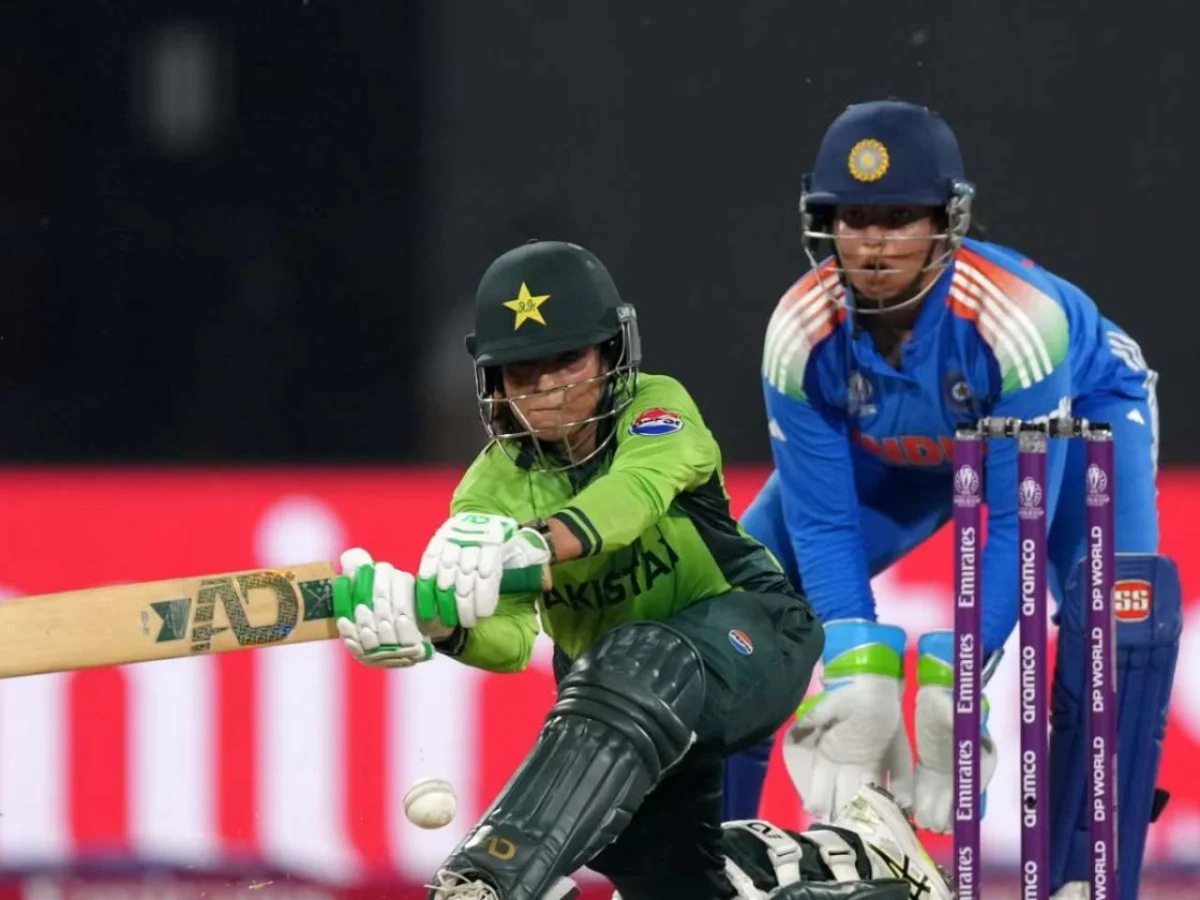
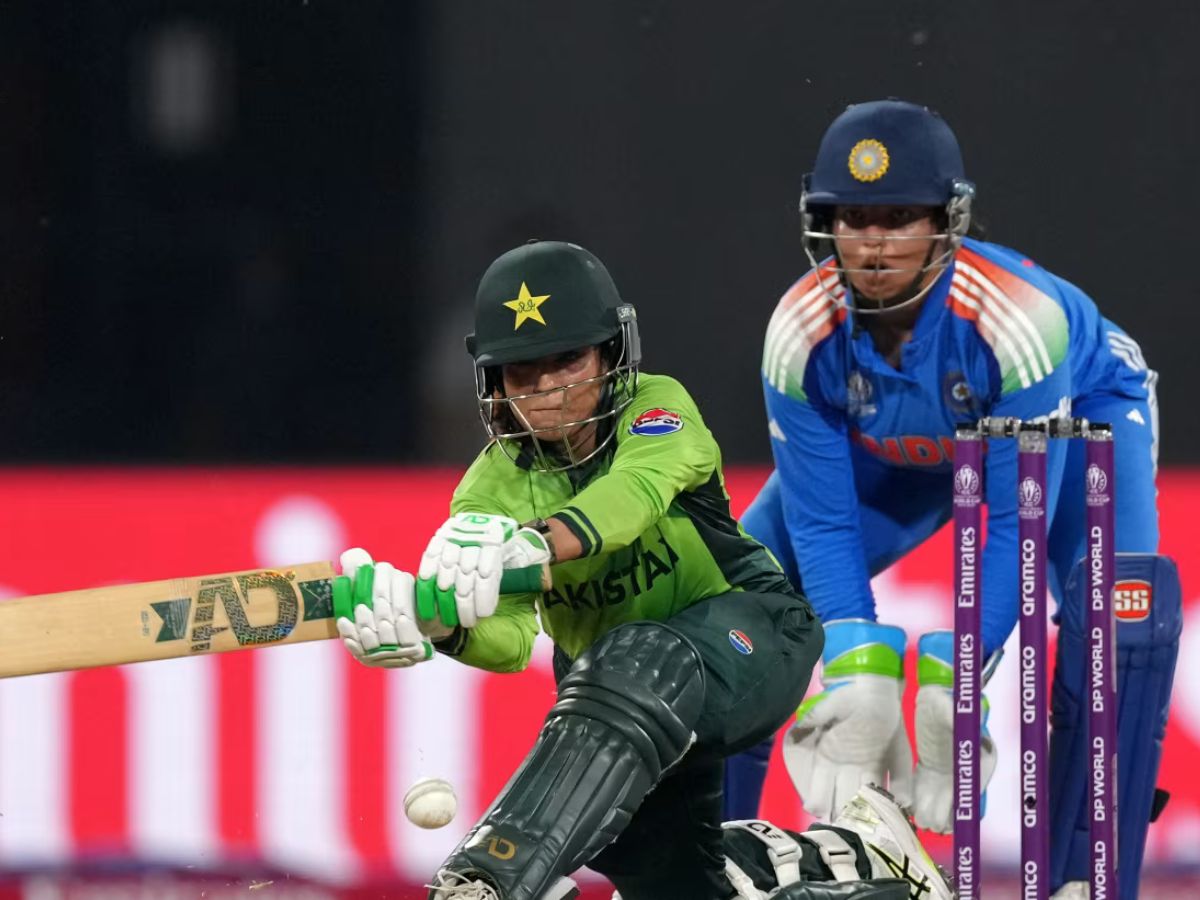
The cricketing world is abuzz with anticipation for the inaugural ICC Women’s Champions Trophy 2027, a significant milestone poised to further elevate the global profile of women’s cricket. Set to be hosted by India from February 14 to 28 next year, this six-team T20I tournament promises a thrilling display of skill and competition among the sport’s elite nations. However, amidst the excitement, a notable absence casts a discernible shadow: Pakistan, a country with a rich cricketing heritage and a dedicated fanbase, will not be among the contenders.
This exclusion has prompted a flurry of questions among fans and pundits alike, particularly given Pakistan’s status as a full member of the International Cricket Council (ICC). The reason, however, is purely based on performance and adherence to the stringent qualification criteria established by the ICC. As the tournament gears up to showcase the top-ranked sides in the T20I format, Pakistan’s current standing outside the top five has left them on the sidelines, sparking discussions about the evolving competitive landscape of women’s cricket and the implications for the Pakistan women’s team.
The tournament, featuring powerhouses like India, Australia, England, New Zealand, South Africa, and Sri Lanka, is designed to be a biennial event, providing a crucial platform for teams to test their mettle in the shortest format. While the focus remains firmly on the stellar line-up and the potential for captivating encounters across Mumbai and Vadodara, Pakistan’s absence serves as a stark reminder of the increasing competitiveness at the highest echelons of the women’s game.
The Maiden Edition: A Showcase of Elite Women’s Cricket
The decision by the International Cricket Council to introduce the Women’s Champions Trophy underscores a strategic commitment to expanding and professionalizing women’s cricket. This new tournament is not merely another event in the calendar; it is designed to be a premier competition, fostering intense rivalries and providing a critical pathway for the sport’s growth and visibility.
Tournament Overview and Significance
Scheduled to run for two weeks, from February 14 to 28, 2027, the inaugural Women’s Champions Trophy will feature a total of 16 matches played across two vibrant Indian cities: Mumbai and Vadodara. These venues, renowned for their cricketing infrastructure and passionate audiences, are expected to provide a fitting stage for the high-octane T20I format. The tournament structure will include a round-robin stage, where all six participating teams will play each other once, culminating in a grand final between the top two sides. This format ensures that every match carries significant weight, promising a highly engaging and competitive spectacle for fans worldwide.
The participating nations represent a formidable collection of cricketing talent. India, as the host nation, will naturally draw immense support and carry the hopes of a billion fans. They will be joined by Australia, the undisputed titans of women’s cricket; England, perennial contenders with a rich history; New Zealand, known for their aggressive brand of cricket; South Africa, an increasingly potent force; and Sri Lanka, who, despite their current ranking, were the original host nation and thus secured a spot. This line-up guarantees a high standard of cricket, showcasing the best athletes and strategic minds in the women’s game. The tournament is poised to generate significant viewership, attracting new fans and solidifying the sport’s commercial appeal, further validating the ICC’s investment in women’s cricket.
)
Unpacking the Qualification Conundrum
The qualification pathway for the inaugural Women’s Champions Trophy was meticulously defined by the ICC to ensure a merit-based system. The criteria stipulated that the tournament would feature the host nation, along with the five highest-ranked teams in the ICC Women’s T20I rankings as of July 6, 2026. This specific date was chosen strategically, coinciding with the conclusion of the ICC Women’s T20 World Cup 2026 final, making it a clear and unambiguous cut-off point.
Initially, Sri Lanka was designated as the host nation for this event. However, the hosting rights for the 2027 edition were subsequently awarded to India. Therefore, India automatically secured a berth in the tournament as the host. The remaining five slots were then allocated to the top-ranked teams in the ICC Women’s T20I rankings as of the stipulated cut-off date. These teams were Australia, England, New Zealand, South Africa, and Sri Lanka. While Sri Lanka initially qualified as the original host, their inclusion in the final six indicates they also met the ranking criteria or a special provision was made given their initial host status, ensuring the highest calibre of competition.
Pakistan’s predicament stems directly from this meritocratic system. Despite their aspirations and efforts, the Pakistan women’s cricket team found themselves ranked eighth globally at the critical juncture of July 6, 2026. This position, unfortunately, placed them outside the top five required for qualification. The ICC’s commitment to a performance-driven selection process means that historical reputation or geographic prominence does not override current form and ranking. This rigid adherence to the qualification rules underscores the competitive nature of international women’s cricket, where every match and every series contributes to a team’s global standing.

A Chronology of Qualification and Missed Opportunities
The road to any major ICC tournament is a journey fraught with challenges, requiring consistent performance, strategic planning, and a bit of luck. For the inaugural Women’s Champions Trophy, the timeline and the specific qualification criteria played a decisive role in shaping the final roster of teams.
The Road to the Champions Trophy
The ICC’s announcement of the Women’s Champions Trophy as a new biennial event was met with widespread enthusiasm, signaling a renewed focus on T20I cricket for women. Following the initial designation of Sri Lanka as the host, the hosting rights were later transferred to India, a nation with unparalleled cricketing infrastructure and fan engagement. This shift ensured that India would automatically qualify as the host.
The critical element for all other teams was their position in the ICC Women’s T20I rankings by July 6, 2026. This specific cut-off date, tied to the conclusion of the Women’s T20 World Cup 2026, meant that every T20I series and match played in the preceding years was a potential determinant of a team’s fate. Teams were acutely aware that strong performances against higher-ranked opponents, consistent victories against peers, and avoiding significant ranking drops were paramount. The pressure on teams to perform leading up to this deadline was immense, as even a marginal difference in rating points could mean the difference between qualification and exclusion. For nations like Pakistan, every fixture became a high-stakes encounter, crucial for accumulating points and climbing the fiercely competitive ladder.
)
Pakistan’s Ranking Dilemma
Pakistan’s current standing at eighth in the ICC Women’s T20I rankings directly explains their exclusion from the Champions Trophy. When compared to the qualifying teams – India (as host, and also a top-ranked team), Australia, England, New Zealand, South Africa, and Sri Lanka – Pakistan’s ranking reflects a gap in consistent high-level performance over the qualification period.
Historically, the Pakistan women’s team has shown flashes of brilliance, capable of upsetting stronger teams on their day. However, consistency, particularly against the top-tier nations, has been a recurring challenge. Factors contributing to their current ranking include a relatively limited number of international fixtures against higher-ranked teams, which restricts opportunities to earn significant ranking points. Furthermore, while the team possesses talented individuals, the overall depth and sustained collective performance required to regularly defeat top-five sides have been inconsistent.
In major ICC events for women, Pakistan has often been competitive but has struggled to advance beyond the group stages. Their journey in T20 World Cups and 50-over World Cups has seen them record memorable victories, but also suffer crucial losses that have prevented them from progressing deeper into tournaments. This pattern of performance, while showing potential, ultimately translated into their current ranking position. The qualification system, by design, rewards sustained excellence, and Pakistan, unfortunately, fell short of the mark during this critical window. This scenario underscores the urgent need for the Pakistan Cricket Board (PCB) to reassess strategies for player development, international exposure, and competitive readiness to ensure future participation in such prestigious events.
)
Supporting Data: The Global Landscape of Women’s Cricket
The sport of women’s cricket has undergone a transformative period over the last decade, evolving from a niche pursuit to a rapidly expanding global phenomenon. This growth is underpinned by increased investment, professionalization, and a burgeoning talent pool, all of which contribute to a fiercely competitive international arena.
The Ascendance of Women’s Cricket
The trajectory of women’s cricket has been nothing short of remarkable. What was once largely an amateur sport is now a professional endeavor, with many national boards offering central contracts, improved remuneration, and enhanced support structures for their female athletes. This professionalization has led to a significant uplift in the quality of play, fitness standards, and tactical sophistication across all formats.
The ICC, in conjunction with member boards, has been instrumental in driving this growth. Increased broadcast coverage, lucrative sponsorship deals, and dedicated marketing campaigns have brought women’s cricket into the mainstream, attracting new fans and investors. Major tournaments like the Women’s World Cup and T20 World Cup regularly break viewership records, demonstrating the sport’s burgeoning popularity. This surge in interest has also translated into stronger domestic leagues in countries like Australia (WBBL), England (The Hundred), and India (WPL), which serve as vital breeding grounds for talent and pathways for professional careers.
)
This heightened investment and visibility have also led to a narrowing of the gap between traditionally dominant teams and emerging cricketing nations. While Australia and England remain at the pinnacle, teams like South Africa, New Zealand, and India have consistently challenged their supremacy. The ranking system meticulously reflects this fierce competition, where every series win or loss can significantly impact a team’s standing. The entry of new teams and the strengthening of existing ones mean that competition for top spots is more intense than ever before, making qualification for elite tournaments like the Champions Trophy a true test of sustained excellence.
Pakistan Women’s Team: A Closer Look
The Pakistan women’s cricket team, despite its current ranking, possesses a unique blend of talent and potential. Historically, the team has been known for its strong spin contingent and resilient batting displays. Key players, often spearheaded by experienced campaigners, have shown the ability to perform under pressure. However, consistency across all three departments – batting, bowling, and fielding – remains an area requiring significant focus to compete with the world’s best.
Challenges faced by the Pakistan women’s team are multi-faceted. While the PCB has increased its investment in women’s cricket, issues such as the depth of the domestic structure, consistent access to top-tier coaching, and regular high-quality international fixtures against leading nations persist. The geopolitical climate also often impacts their ability to host or travel for bilateral series, which are crucial for team development and ranking points accumulation. Compared to nations like Australia or England, which boast robust domestic pathways and frequent exposure to international competition, Pakistan’s development pipeline faces unique hurdles.
)
For instance, the top-ranked teams often benefit from professional leagues that expose players to diverse conditions and high-pressure situations, accelerating their growth. While Pakistan has its domestic circuit, it may not yet offer the same level of intensity or competitive remuneration as those in other leading cricketing nations. Bridging this gap through enhanced infrastructure, increased funding for grassroots programs, and strategic scheduling of international series will be vital for the Pakistan women’s team to consistently climb the rankings and secure their spot in future elite competitions. Their journey is a testament to perseverance, but also a call for targeted strategic intervention to unlock their full potential on the global stage.
Official Responses and Stakeholder Perspectives
The absence of a major cricketing nation like Pakistan from an inaugural ICC event naturally elicits responses from various stakeholders, each offering a unique perspective on the situation. While specific quotes regarding Pakistan’s non-qualification are not yet widely published, we can infer the likely sentiments and official stances.
ICC’s Stance on Qualification
The International Cricket Council’s primary objective is to uphold the integrity and competitive spirit of global cricket. In situations like Pakistan’s non-qualification, the ICC’s stance would undoubtedly emphasize the merit-based nature of the selection process. An ICC spokesperson, if asked, would likely reiterate that the qualification criteria for the Women’s Champions Trophy were clearly communicated to all member boards well in advance.
)
"Our goal is to ensure that ICC global events feature the strongest and most in-form teams, fostering intense competition and showcasing the pinnacle of the sport," a hypothetical ICC official might state. "The qualification pathway, based on ICC T20I rankings as of a specific cut-off date, is a fair and transparent system that rewards consistent performance. While we understand the disappointment for any team that doesn’t qualify, these criteria apply equally to all nations, reinforcing the competitive standards we aim to maintain in women’s cricket." This position underscores the ICC’s commitment to a level playing field where performance, rather than historical standing or political considerations, dictates participation in flagship tournaments.
Pakistan Cricket Board (PCB)’s Reaction
For the Pakistan Cricket Board, the news of the women’s team missing out on the Champions Trophy would undoubtedly be met with a mix of disappointment and resolve. While acknowledging the competitive nature of international cricket, the PCB would likely express its commitment to improving the team’s standing.
A representative from the PCB might issue a statement along these lines: "We are naturally disappointed that our women’s team will not be participating in the inaugural ICC Women’s Champions Trophy. This is a clear indication that we need to redouble our efforts and focus on consistent performances in the T20I format. The PCB is fully committed to the development of women’s cricket, and we will be reviewing our strategies to ensure better preparation, enhanced domestic structures, and more opportunities for our players to compete against top-tier teams." Such a response would aim to reassure fans, motivate the players, and signal a proactive approach to addressing the underlying issues that led to the non-qualification. It would also likely highlight ongoing initiatives to scout new talent and invest in coaching programs.
)
Voices from the Dressing Room and Commentary Box
From within the Pakistan women’s team, the feeling would be one of profound disappointment but also renewed determination. The captain or a senior player might offer a reflective statement: "It’s tough to miss out on an inaugural tournament, especially one as significant as the Champions Trophy. We know we have the talent, but we haven’t been consistent enough in crucial matches to climb the rankings. This is a big motivation for us to work harder, improve our game, and ensure we qualify for every future ICC event on merit. We owe it to our fans and ourselves."
Cricket analysts and commentators would likely offer varied insights. Former Pakistan women’s captain, Sana Mir, might comment, "This is a wake-up call. The global standard of women’s cricket is rising rapidly. Teams can no longer rely on past reputation. Pakistan needs to play more competitive T20I cricket, especially against top nations, and develop a more aggressive, modern approach to the format. It’s a missed opportunity for exposure and experience, but it also presents a chance for the team to rebuild and come back stronger." International commentators might also weigh in on the implications for the tournament’s overall appeal, with some lamenting the absence of a potential India-Pakistan clash, while others would emphasize the high quality of cricket still on offer from the qualified teams.
Implications: Beyond the Boundary Ropes
Pakistan’s absence from the inaugural ICC Women’s Champions Trophy 2027 carries significant implications, not only for the team itself but also for the broader landscape of women’s cricket and the complex India-Pakistan cricketing relationship.
)
The Impact on Pakistan Women’s Cricket
For the Pakistan women’s team, missing out on such a prestigious and inaugural tournament is a considerable blow. Firstly, it means a lost opportunity for crucial international exposure. Playing against the world’s best teams in a high-stakes tournament provides invaluable experience, helping players adapt to pressure, refine their skills, and understand the demands of elite-level cricket. Without this, their development trajectory might be hampered.
Secondly, there’s a financial and reputational cost. Participation in ICC events often comes with prize money, match fees, and increased sponsorship opportunities, all of which are vital for a developing cricketing nation. The absence also affects team morale and fan engagement. A strong showing in a major tournament can inspire a new generation of cricketers and invigorate the fanbase. Missing out could lead to a dip in interest and support, creating a cycle that is challenging to break.
This situation undoubtedly places immense pressure on the PCB to undertake a comprehensive review of its women’s cricket program. There will be an urgent need to strategize on improving coaching methodologies, strengthening the domestic structure to produce more competitive players, and actively seeking bilateral series against higher-ranked nations to gain ranking points and experience. The team’s preparation for other future ICC events, such as the Women’s T20 World Cup, will now become even more critical, as they seek to regain their footing on the global stage.
)
No Hybrid Model: A Double-Edged Sword?
One significant consequence of Pakistan’s non-participation is the complete absence of the "hybrid model" complications that have become a contentious feature of India-Pakistan cricketing encounters in ICC events. For those unfamiliar, the hybrid model emerged as a solution to the ongoing political tensions between India and Pakistan, which prevent their national teams from traveling to each other’s countries for ICC tournaments.
This agreement, primarily driven by the Board of Control for Cricket in India (BCCI) and the Pakistan Cricket Board (PCB), dictates that if either India or Pakistan is the designated host of an ICC event, the other team’s matches involving them (and often all their matches) would be played at a neutral venue.
This model was notably implemented during the 2025 Men’s Champions Trophy, where Pakistan was the official host. However, the Indian team played all their matches, including their high-profile clash against Pakistan, in Dubai. When India qualified for the final, the championship match, originally slated for Lahore, had to be moved to a neutral venue, depriving Lahore of the opportunity to host the showpiece event. Similarly, for India’s hosting of the ICC Women’s World Cup 2025 and the Men’s T20 World Cup 2026, all of Pakistan’s matches, including any India-Pakistan encounters, were played in Colombo, Sri Lanka, predominantly at the Premadasa Stadium.
)
The absence of Pakistan from the Women’s Champions Trophy 2027 means that India can host all 16 matches without the logistical and diplomatic complexities of arranging a second host nation or neutral venues. This simplifies tournament planning, reduces costs, and allows for a more streamlined event. However, this simplification comes at a cost. While it resolves an immediate logistical challenge, it also underscores the deeper, unresolved political issues that continue to overshadow cricketing ties between the two nations. The fervent rivalry between India and Pakistan is a massive draw for any ICC tournament, and its absence, regardless of the reason, removes a significant element of excitement and potential viewership for many fans globally. It’s a double-edged sword: logistical ease versus a diminished spectacle for a segment of the cricketing audience.
The Broader Picture for Women’s Cricket
Despite Pakistan’s absence, the inaugural Women’s Champions Trophy is still poised to be a resounding success. It will showcase the exceptional talent and competitive spirit of the participating nations, further boosting the sport’s global appeal. The tournament serves as a critical step in the ICC’s vision for expanding women’s cricket, providing more high-profile events for players and fans.
However, the situation does prompt a broader reflection on representation and inclusivity. As women’s cricket continues its rapid growth, the ICC will face ongoing challenges in balancing competitive meritocracy with the desire for global participation. While performance-based qualification is essential for maintaining high standards, ensuring pathways and support for all member nations, including those like Pakistan, is equally crucial for the sport’s long-term health and widespread appeal. The Champions Trophy will undoubtedly deliver exhilarating cricket, but it also serves as a poignant reminder that the journey towards truly global and inclusive excellence is an ongoing one.
)
In conclusion, Pakistan’s non-qualification for the inaugural ICC Women’s Champions Trophy 2027 is a clear outcome of the ICC’s merit-based ranking system, rather than any political consideration. While disappointing for Pakistani fans and players, it highlights the increasingly competitive nature of women’s international cricket. The tournament in India promises to be a spectacular showcase of the sport’s elite, setting a new benchmark for women’s T20I cricket. For Pakistan, this absence serves as a powerful impetus to re-evaluate, rebuild, and re-strategize, aiming for a stronger comeback and consistent presence in future global tournaments, while the rest of the cricketing world eagerly anticipates the thrills of the maiden Women’s Champions Trophy.
