

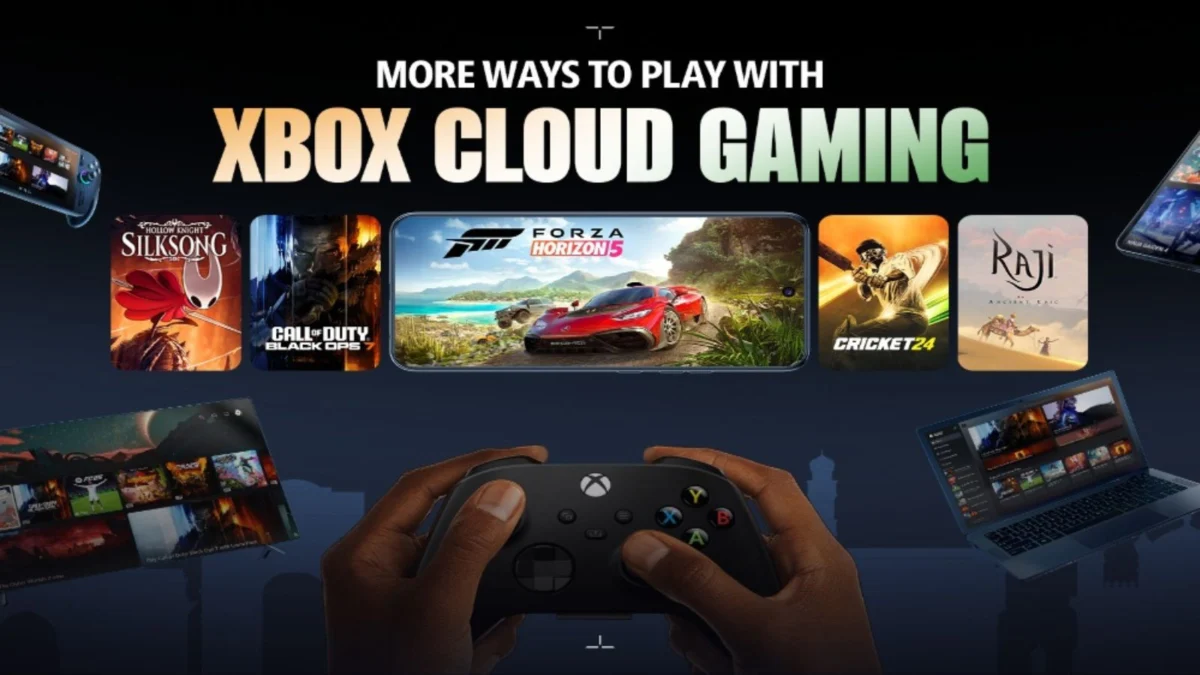
New Delhi, India – September 4, 2026 – Microsoft is poised to introduce a significant overhaul to its Xbox Cloud Gaming service, a move that promises both expanded accessibility for new users and potential limitations for its loyal Game Pass subscriber base. Announced on Thursday, September 3, the changes, slated to go live in November 2026, will see Xbox Cloud Gaming opening its doors to non-subscribers through a pay-as-you-go model, while simultaneously imposing monthly usage caps on all tiers of Xbox Game Pass subscribers. This strategic pivot signals a recalibration of Microsoft’s cloud gaming economics, balancing its ambitious growth targets with the escalating costs of delivering high-fidelity streaming experiences.
The decision has been met with a mix of anticipation and apprehension across the gaming community. For casual players or those primarily interested in specific titles, the ability to access cloud gaming without a recurring Game Pass commitment could lower the barrier to entry significantly. Conversely, existing subscribers, particularly those who heavily rely on the unlimited cloud play that has historically been a cornerstone of Game Pass, now face the prospect of either curtailing their streaming habits or incurring additional costs through hourly bundles. This delicate balancing act underscores the evolving landscape of digital entertainment and Microsoft’s ongoing efforts to solidify its position in the competitive cloud gaming arena.
Main Facts: A Dual-Edged Cloud Strategy Unveiled
The core of Microsoft’s announcement revolves around two pivotal changes scheduled for November 2026:
-
Open Access for Non-Subscribers: For the first time, individuals without an active Xbox Game Pass subscription will be able to purchase cloud playtime hours directly from the Xbox Store. This "pay-as-you-go" model will allow users to stream eligible games they own to supported devices, offering a flexible alternative for those who only occasionally wish to engage with cloud gaming or prefer not to commit to a monthly subscription fee (which starts at Rs 499 in India). This move is designed to broaden the appeal of Xbox Cloud Gaming beyond the existing subscriber ecosystem, tapping into a wider demographic of gamers.
-
Monthly Hour Limits for Game Pass Subscribers: In a significant departure from its previous "unlimited cloud gaming" promise, all tiers of Xbox Game Pass will now come with monthly hour caps for cloud play. The new limits are as follows:
- Xbox Game Pass Ultimate (Rs 1,089/month): Subscribers will be restricted to 15 hours of cloud gaming per month.
- Xbox Game Pass Premium: Subscribers will receive 10 hours of cloud gaming per month.
- Xbox Game Pass Essential (Rs 499/month): Subscribers will be limited to a mere 5 hours of cloud gaming per month.
Should subscribers exceed their allotted monthly hours, they will have the option to purchase additional cloud playtime in the form of hourly bundles via the Xbox Store. Microsoft has indicated that any unused hours will roll over to the subsequent month, providing some flexibility. However, specific pricing details for these hourly bundles are yet to be disclosed, leaving a critical unknown for many heavy cloud users.
These changes represent a fundamental shift in how Xbox Cloud Gaming is offered and consumed, moving from an all-inclusive benefit within Game Pass to a more tiered and monetized service. The company’s official communication acknowledges the "meaningful change," particularly for regular cloud gamers, but projects that it will impact only "four percent of Game Pass subscribers." This statistic suggests Microsoft believes the majority of its subscriber base either does not utilize cloud gaming extensively or will be unaffected by the new limits.
Chronology: Tracing the Evolution of Xbox Cloud Gaming
To fully appreciate the significance of these upcoming changes, it’s essential to understand the journey of Xbox Cloud Gaming (formerly xCloud) and its integration within the broader Xbox ecosystem.
- 2019-2020: Early Beginnings and Beta Launch: Microsoft officially unveiled its cloud gaming ambitions, initially under the codename "Project xCloud." After extensive internal testing, a public beta was launched in late 2019, allowing select users to stream Xbox games to mobile devices. This period focused on refining the underlying technology, minimizing latency, and ensuring a stable streaming experience.
- September 2020: Integration with Game Pass Ultimate: The service officially launched as "Xbox Cloud Gaming" and was bundled exclusively with Xbox Game Pass Ultimate. This move positioned cloud gaming as a premium perk, enhancing the value proposition of Microsoft’s highest-tier subscription. At this point, cloud gaming was synonymous with Game Pass Ultimate, offering unlimited streaming of a curated library of games.
- Late 2021: Expansion to PC and Consoles: Xbox Cloud Gaming expanded its reach beyond mobile devices, becoming accessible through web browsers on PCs and eventually integrating directly into Xbox consoles, allowing users to stream Game Pass titles without needing to download them. This further solidified cloud gaming as a versatile component of the Xbox experience.
- 2025: Broader Game Pass Access: In a strategic move to democratize cloud gaming, Microsoft first opened up access to its cloud gaming service beyond just Ultimate subscribers. In 2025, Xbox Game Pass Premium and Essential tiers also gained access to cloud gaming, making it a feature across all subscription levels. This expansion, however, maintained the "unlimited" usage model, laying the groundwork for widespread adoption among a larger subscriber base. It was during this period that many subscribers, previously without Ultimate, began to integrate cloud gaming into their regular play routines, enjoying the flexibility it offered.
- September 3, 2026: The Announcement: Microsoft officially announced the impending changes, detailing both the pay-as-you-go model for non-subscribers and the new monthly hour limits for all Game Pass tiers. This announcement, coming after a period of expanding cloud access, marks a significant shift from an "unlimited" to a "metered" service for subscribers.
- November 2026: Implementation: The new policies are set to take effect, ushering in a new era for Xbox Cloud Gaming. This date will be a critical juncture, as both new and existing users adapt to the revised access and usage models.
This chronological overview highlights a clear progression: from an exclusive, experimental feature to a widely available, yet increasingly monetized, component of the Xbox ecosystem. The current changes represent the most substantial alteration to the cloud gaming model since its inception, signaling a maturity in the service’s development and a re-evaluation of its financial sustainability.
Supporting Data: The Shifting Sands of Cloud Economics and Strategic Ambitions
Microsoft’s decision to implement these changes is not arbitrary; it stems from a confluence of economic realities and ambitious strategic objectives. The company explicitly stated in its blog post that the alterations are being made "because the cost of providing cloud gaming grows as more people use it and play for longer."
- The High Cost of Cloud Infrastructure: Delivering a high-quality cloud gaming experience is immensely resource-intensive. It requires vast networks of powerful servers, high-bandwidth internet infrastructure, and sophisticated data centers strategically located to minimize latency. Each user hour of streaming consumes significant computing power, network bandwidth, and energy. As the user base grows and average playtimes increase, so too do these operational expenses. Microsoft, as a leader in cloud services (Azure), understands these costs intimately. The unlimited model, while attractive, becomes increasingly unsustainable at scale if not properly subsidized or directly monetized.
- The 4% Impact: A Calculated Risk? Microsoft’s projection that only four percent of Game Pass subscribers will be impacted by the new limits is a critical piece of supporting data. This suggests that the vast majority of subscribers either do not use cloud gaming at all, or their usage falls well within the new monthly caps. If this projection holds true, Microsoft can implement the changes with minimal disruption to the broader subscriber base, while simultaneously addressing the cost burden imposed by the heaviest users. However, this statistic will likely be scrutinized, as "impact" can be subjective; even users within the limits might feel a psychological pressure to monitor their playtime, potentially diminishing the perceived value of their subscription.
- Asha Sharma’s Ambitious Vision: The changes also align with the broader strategic directives set forth by Asha Sharma, the new CEO of Xbox, who reportedly has an ambitious goal of boosting the gaming platform’s user base to a staggering billion people each day. Achieving such a massive scale necessitates diverse access points and flexible monetization models. The pay-as-you-go option directly addresses this by lowering the barrier for entry, potentially attracting a massive influx of casual or mobile-first gamers who might not be ready for a full Game Pass commitment.
- Mobile Gaming and Xbox Ecosystem Expansion: Microsoft has long explored avenues to expand its Xbox ecosystem beyond traditional consoles and PCs, with mobile gaming being a key frontier. The company has previously explored launching an Xbox mobile store, aiming to allow users to purchase games and immediately stream them to their devices. The pay-as-you-go cloud model fits perfectly into this strategy, offering a seamless way for mobile users to access high-quality console games without significant downloads or hardware investments. It’s a direct response to the dominance of mobile platforms and an attempt to bring Xbox content to a device in every pocket.
- Ad-Supported Cloud Gaming Trials: Further reinforcing its exploration of diverse monetization strategies, Microsoft is reportedly testing free, ad-supported cloud gaming for Xbox Insiders. This indicates a willingness to experiment with various revenue streams, moving beyond a purely subscription-based or direct-purchase model. An ad-supported tier could serve as another funnel for attracting new users, eventually converting some to paid options or simply expanding the overall reach of the Xbox brand.
These underlying factors reveal a company that is carefully navigating the complexities of a rapidly evolving gaming market. The move is not just about cost-cutting but about strategically positioning Xbox Cloud Gaming for long-term growth and profitability in a world increasingly moving towards streaming and mobile-first experiences.
Official Responses: Microsoft’s Justification and Reassurance
In its official blog post, the Xbox team articulated the rationale behind these significant adjustments, aiming to frame the changes as beneficial for some while acknowledging the disruption for others.
The primary justification, as reiterated, is the escalating operational cost: "We are making these changes because the cost of providing cloud gaming grows as more people use it and play for longer." This direct statement places the onus on the financial sustainability of the service, suggesting that the previous unlimited model, while appealing, was not viable in the long run as adoption rates increased.
Regarding the new pay-as-you-go option for non-subscribers, the company emphasized its role in broadening access: "Players will be able to purchase cloud playtime hours through the Xbox Store and stream eligible games they own on supported devices. This will provide another option for people who want occasional access to cloud gaming or do not want a recurring Game Pass subscription." This highlights the inclusive nature of the change, positioning it as a consumer-friendly move that caters to a previously underserved segment of the gaming market. It offers flexibility and choice, potentially attracting a new cohort of users into the Xbox ecosystem.
Concerning the introduction of monthly limits for Game Pass subscribers, Microsoft attempted to mitigate potential backlash by minimizing the perceived impact: "We recognize that introducing limits is a meaningful change, particularly for players who regularly spend more time gaming through the cloud. We expect this upcoming change to impact four percent of Game Pass subscribers." This statement is a delicate balancing act, acknowledging the inconvenience for a minority while implicitly reassuring the majority. The company is betting that the disruption will be contained to a small, albeit passionate, segment of its user base.
The mention of unused hours rolling over to the next month is a small but important detail in Microsoft’s official response. It demonstrates an attempt to add a layer of user-friendliness to the new limits, preventing immediate forfeiture of unused time and offering some flexibility for those whose gaming habits might fluctuate month-to-month. However, the lack of specific pricing for additional hourly bundles remains a significant unknown, which Microsoft will need to address transparently closer to the November 2026 implementation date.
Finally, the reported testing of free, ad-supported cloud gaming for Xbox Insiders further illustrates Microsoft’s multifaceted approach to cloud monetization. While not part of the immediate November 2026 rollout, it signals a long-term strategy of exploring various models to make cloud gaming accessible across different user segments, potentially offering a completely free (albeit ad-interrupted) entry point in the future. This demonstrates a willingness to innovate and adapt, potentially setting new industry standards for cloud service accessibility.
Implications: A New Era for Xbox Cloud Gaming and the Industry
The forthcoming changes to Xbox Cloud Gaming carry significant implications, not only for Microsoft and its subscribers but for the broader cloud gaming industry and the future of digital entertainment.
For Existing Game Pass Subscribers: Re-evaluating Value
For the millions of existing Xbox Game Pass subscribers, especially those who frequently leverage cloud gaming, these changes necessitate a re-evaluation of their subscription’s value proposition.
- The "Unlimited" Promise Broken: The loss of unlimited cloud gaming, particularly for Ultimate subscribers, could be perceived as a degradation of service. While Microsoft states only 4% will be impacted, the perception of reduced value might be more widespread. Many chose Game Pass Ultimate precisely for its comprehensive benefits, and cloud gaming was a significant draw.
- The Calculus of Cost: Heavy cloud users will now face a choice: adjust their play habits to stay within the new limits, or purchase additional hourly bundles. The pricing of these bundles will be crucial. If they are perceived as expensive, it could lead to frustration and potentially subscription downgrades or cancellations, particularly for those who primarily subscribe for cloud access to a wide library of games.
- Psychological Impact: Even if a subscriber typically stays within the 15-hour (Ultimate) limit, the mere existence of a cap can create a psychological burden. The freedom of "unlimited" play is replaced by a need to monitor usage, potentially detracting from the spontaneous joy of gaming.
- Tier Differentiation: The stark difference in cloud hours across the tiers (15 for Ultimate, 10 for Premium, 5 for Essential) further solidifies the tiered structure of Game Pass, pushing users towards higher-priced subscriptions if cloud gaming is a priority.
For Non-Subscribers and Casual Gamers: A Gateway to Xbox
Conversely, the introduction of a pay-as-you-go model presents a compelling opportunity for non-subscribers and casual gamers.
- Lower Barrier to Entry: Without the commitment of a monthly subscription, more players can experiment with cloud gaming, perhaps for a specific new release they own or to test out a game before committing to a purchase or subscription. This significantly broadens the potential user base for Xbox Cloud Gaming.
- Flexibility and Convenience: For those with irregular gaming habits or limited time, purchasing a few hours as needed offers unparalleled flexibility. It caters to the "Netflix model" of content consumption, allowing access on demand without long-term commitment.
- Attracting Mobile-First Users: This model is particularly attractive for the vast mobile gaming market. A user can stream a high-fidelity Xbox title on their phone or tablet for a short burst of play, paying only for the time consumed. This aligns perfectly with Asha Sharma’s vision for expanding the Xbox footprint into mobile.
- Testing the Waters: The pay-as-you-go option can serve as a trial for the Game Pass ecosystem. Users might try a few hours, enjoy the experience, and then consider a full subscription.
Microsoft’s Strategic Re-evaluation: Balancing Growth and Profitability
These changes reflect a mature phase in Microsoft’s cloud gaming strategy, shifting from pure market penetration to a more balanced approach that prioritizes profitability alongside growth.
- Optimizing Cloud Costs: By imposing limits, Microsoft directly addresses the escalating costs associated with heavy cloud usage. This allows them to allocate resources more efficiently and ensure the long-term sustainability of the service.
- Diversified Revenue Streams: The pay-as-you-go model, hourly bundles, and potential ad-supported tiers create multiple revenue streams beyond the flat subscription fee. This diversification makes the service more resilient to market fluctuations and provides more avenues for monetization.
- Competitive Positioning: In a market with rivals like Nvidia GeForce Now, Amazon Luna, and Sony’s PlayStation Plus Premium (which also offers cloud streaming), Microsoft is refining its offering. The pay-as-you-go model could differentiate it by offering greater flexibility than some competitors.
- Reinforcing the Xbox Ecosystem: Ultimately, all these moves are designed to draw more users into the broader Xbox ecosystem, whether through Game Pass subscriptions, direct game purchases, or simply engaging with Xbox content via cloud streaming. The billion-user goal is a testament to this overarching ambition.
The Broader Cloud Gaming Landscape: A Glimpse into the Future
Microsoft’s pivot will undoubtedly send ripples through the entire cloud gaming industry.
- Precedent for Metered Services: If Microsoft’s changes are successful, other cloud gaming providers might follow suit, introducing similar usage caps or tiered pricing models. The era of "unlimited" cloud gaming, especially for premium services, might be coming to an end.
- Focus on Hybrid Models: The combination of subscription, pay-as-you-go, and potentially ad-supported access points suggests a future where cloud gaming services offer highly customizable and flexible consumption models.
- Technological Advancement Pressure: As monetization becomes more granular, there will be increased pressure on cloud providers to optimize their infrastructure for cost-efficiency and deliver an even higher quality of service to justify the pricing.
- User Expectations: Gamers will become more accustomed to these hybrid models, and their expectations regarding pricing, flexibility, and performance will evolve. Transparency around costs and service quality will be paramount.
In conclusion, Microsoft’s forthcoming changes to Xbox Cloud Gaming represent a calculated gamble. While they offer unprecedented flexibility and accessibility for new users, they also introduce significant limitations and potential additional costs for its most loyal subscribers. This strategic re-evaluation underscores the inherent challenges and opportunities in scaling a premium cloud service, marking a definitive step towards a more nuanced and financially sustainable future for Xbox Cloud Gaming in the ever-expanding digital entertainment landscape. The success of this pivot will hinge on user reception, the competitive landscape, and Microsoft’s ability to communicate the long-term value of its evolving cloud offering.
