

CUPERTINO, CA – September 5, 2026 – The technology world is abuzz with anticipation as Apple Inc. prepares to host its marquee annual iPhone launch event on September 9. Dubbed "Surprise and Shine," the event is expected to be a pivotal moment for the Cupertino giant, heralding the introduction of the next generation of its flagship smartphones: the iPhone 18 Pro and iPhone 18 Pro Max. More significantly, industry analysts and fervent Apple enthusiasts are bracing for what could be the company’s most audacious product reveal in years – its first foray into the nascent, yet rapidly evolving, foldable smartphone market with the rumored "iPhone Fold."
Under the leadership of its new CEO, John Ternus, this year’s launch is projected to redefine Apple’s product strategy, showcasing a blend of refined excellence in its traditional lineup and a bold leap into innovative form factors. While Apple maintains its characteristic silence on specific details, leaks and insider reports paint a picture of higher price points, a radical new design aesthetic, substantial camera enhancements, and the debut of the formidable A20 Pro chip, solidifying Apple’s commitment to pushing the boundaries of mobile technology. The event, scheduled for 10:30 PM IST, will undoubtedly capture the global spotlight, setting the tone for the mobile industry for the coming year.
The Main Facts: A Glimpse into Apple’s Next Chapter
The core of Apple’s September 9 event revolves around three primary hardware introductions, each carrying significant implications for the market and consumer expectations.
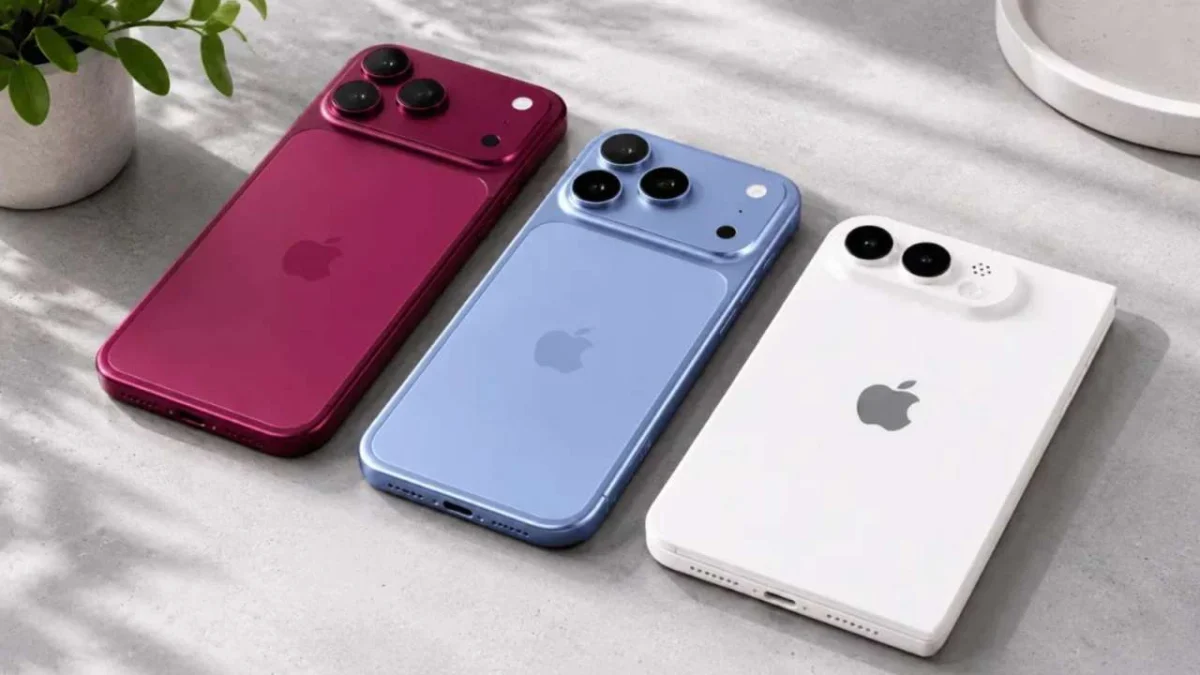
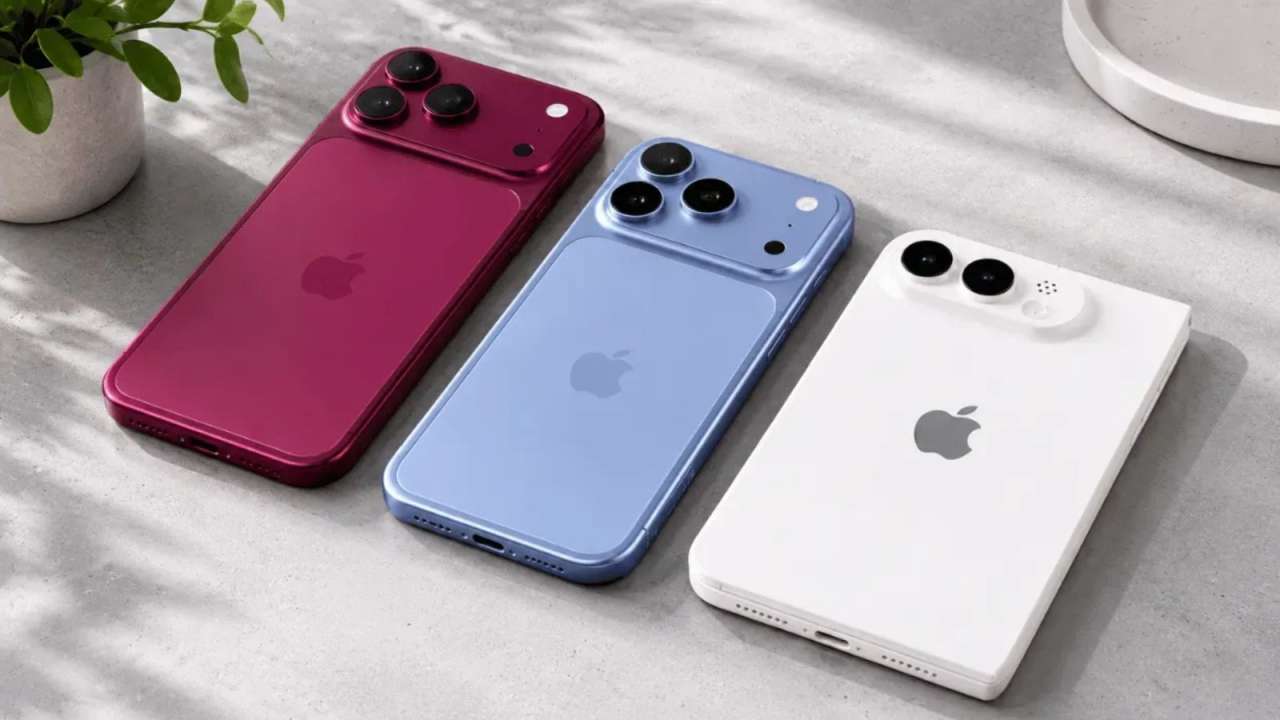
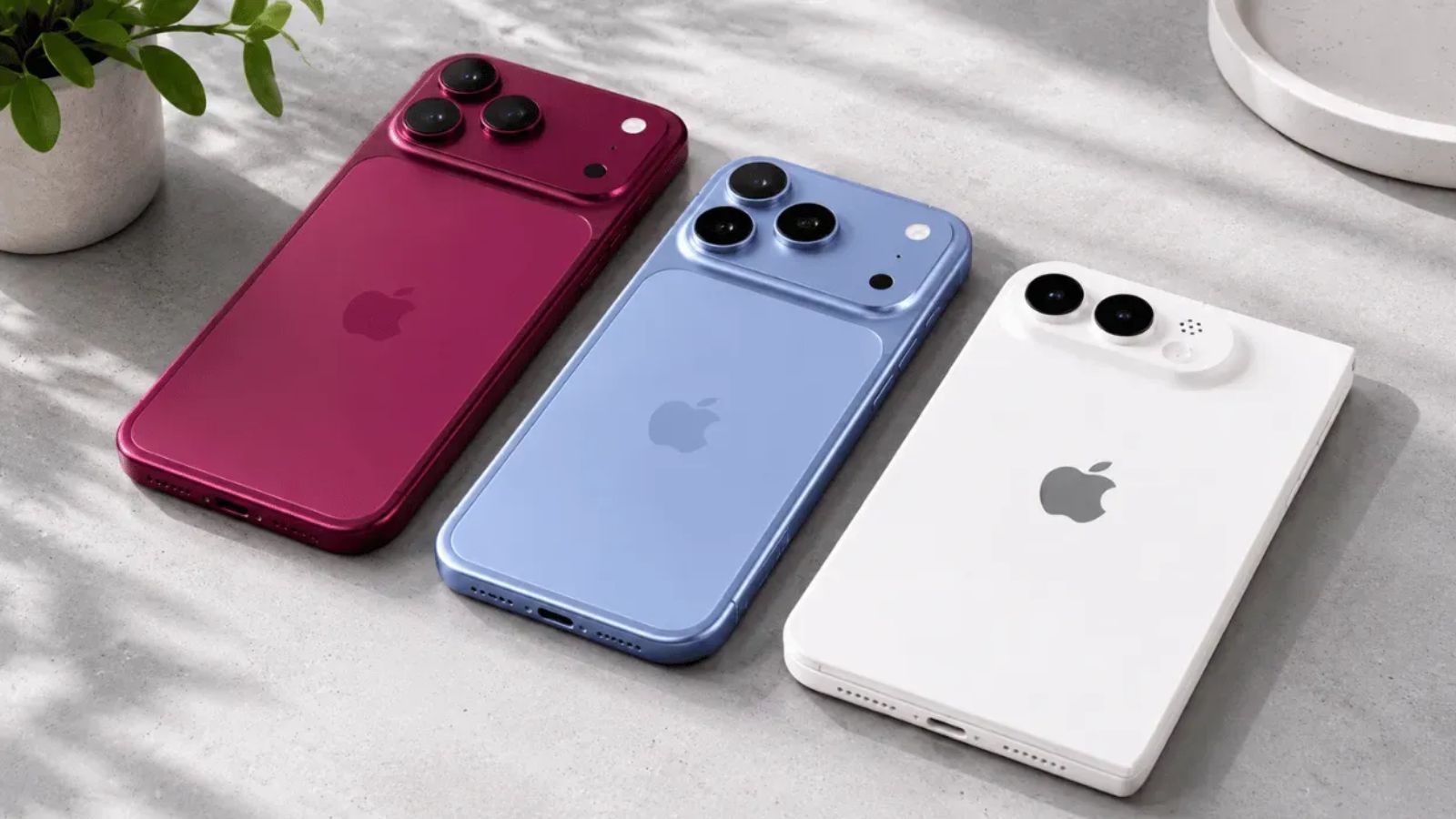
1. The iPhone 18 Pro and iPhone 18 Pro Max: These devices are expected to serve as the technological vanguard of Apple’s conventional smartphone offerings. Building upon the legacy of their predecessors, the Pro models are anticipated to feature significant upgrades across the board, from display technology and design refinements to groundbreaking camera systems and a next-generation processor. The "Pro" moniker continues to denote Apple’s commitment to delivering unparalleled performance and premium features for its most demanding users.
2. The iPhone Fold (Tentative Name): This is arguably the most anticipated announcement. After years of patents, rumors, and intense speculation, Apple is widely believed to finally unveil its first foldable smartphone. This entry into a category already populated by rivals like Samsung and Google signifies a strategic expansion, aiming to capture a segment of the market seeking innovative form factors and enhanced screen real estate. The iPhone Fold is poised to be a premium, high-end device, showcasing Apple’s unique approach to the engineering and software challenges inherent in foldable technology.
3. Strategic Pricing and Market Positioning: All three devices are expected to arrive with elevated price tags, reflecting increased component costs, advanced research and development, and Apple’s premium brand positioning. The iPhone Fold, in particular, is projected to be Apple’s most expensive smartphone to date, signaling a clear intent to target the ultra-luxury segment of the mobile market.
4. Core Technological Advancements: Beyond the form factor, the new iPhones are set to integrate cutting-edge technology. The A20 Pro chip, fabricated on an advanced 2nm process, promises unprecedented levels of performance and power efficiency. Camera systems are slated for substantial overhauls, focusing on professional-grade photography and videography. Design elements, such as a refined Dynamic Island and potential under-display Face ID, indicate a continuous push towards a more immersive, full-screen experience.
Chronology of Anticipation: The Road to September 9
The journey to Apple’s September event is a meticulously orchestrated dance between corporate secrecy and an increasingly sophisticated ecosystem of leaks and analytical predictions.
The Event Date and Theme: Apple officially confirmed September 9 as the date for its "Surprise and Shine" event. This title itself is a masterstroke of marketing, hinting at significant, perhaps unexpected, revelations without divulging any specifics. The choice of date aligns perfectly with Apple’s historical pattern of unveiling new iPhones in the first half of September, strategically positioning them for the crucial holiday shopping season. The 10:30 PM IST timing ensures global accessibility, catering to a vast international audience eager to witness the announcements live.
A New Era Under John Ternus: This year’s launch carries an additional layer of significance as it marks the first major iPhone introduction under the purported leadership of John Ternus as CEO. While Ternus has historically played a prominent role in Apple’s product announcements, particularly for hardware, stepping into the CEO role (as stated in the original article) for such a critical launch would symbolize a generational shift in leadership. His presence on stage would underscore a new chapter for Apple, potentially bringing a fresh perspective to product development and market strategy, even as the company’s core philosophy remains rooted in innovation and user experience. This contrasts with the long tenure of Tim Cook, who presided over an era of unprecedented growth and diversification for Apple. Ternus, known for his deep understanding of hardware engineering and product design, is seen by many as a natural fit to guide Apple through its next phase of technological evolution, especially with the introduction of complex new form factors like foldables.
The Evolving Launch Strategy: Reports suggest a notable shift in Apple’s traditional iPhone release cadence. While the premium iPhone 18 Pro and Pro Max are firmly slated for a September debut, the standard iPhone 18 model might be strategically delayed until 2027. This potential deferral could be a multifaceted decision. It might serve to further differentiate the Pro models, allowing them to command more attention and justify their premium pricing. Alternatively, it could be a reflection of supply chain challenges, component availability, or a deliberate move to streamline manufacturing resources towards the more complex foldable device. Such a strategy would mark a departure from Apple’s long-standing practice of launching all new generation iPhones concurrently, potentially signaling a more tiered approach to its product portfolio.
The Culture of Leaks and Rumors: For months leading up to any Apple event, the internet becomes a veritable melting pot of rumors, renders, and leaked specifications. These pre-event disclosures, often originating from supply chain sources, analyst reports, and prominent tech leakers, play a crucial role in building anticipation and shaping public perception. While Apple itself maintains a veil of secrecy, this unofficial flow of information has become an intrinsic part of the launch cycle, allowing consumers and investors to piece together a comprehensive picture of what to expect. From CAD drawings hinting at design changes to speculative performance benchmarks, these leaks fuel discussions, comparisons, and wish lists, effectively acting as an extended, crowd-sourced pre-launch marketing campaign.
Supporting Data: Deep Dive into the Specifications and Innovations
The detailed specifications emerging from various sources paint a compelling picture of the technological advancements packed into Apple’s upcoming devices.
The iPhone 18 Pro and iPhone 18 Pro Max: Redefining the Flagship Experience
Display Technology: Both Pro models are set to feature stunning OLED displays with a 120Hz ProMotion refresh rate, ensuring buttery-smooth scrolling and incredibly responsive interactions. The iPhone 18 Pro will boast a 6.3-inch panel, offering a slightly larger canvas than its predecessor, while the iPhone 18 Pro Max will push the boundaries with an expansive 6.9-inch display. These displays are not just larger; they are expected to offer enhanced brightness, superior color accuracy, and improved power efficiency, further solidifying Apple’s leadership in mobile screen technology. The integration of a 120Hz refresh rate, a feature now standard in premium smartphones, provides a significantly more fluid visual experience, crucial for gaming, video consumption, and general UI navigation.
Design and Aesthetics: Apple is rumored to be introducing significant design updates. The controversial Dynamic Island, introduced in recent generations, is expected to shrink considerably, hinting at a more integrated and less intrusive front-facing sensor housing. More radically, reports suggest the potential for under-display Face ID, a groundbreaking technology that would allow for a truly uninterrupted, full-screen experience by embedding the biometric authentication system directly beneath the display panel. This would mark a major milestone in smartphone design, moving closer to the ideal of a seamless glass slab. Expected color options include a sophisticated Sky Blue, a classic Pure Black, and a rich Burgundy, suggesting a refined palette that appeals to discerning tastes. Furthermore, speculation points towards the continued use of premium materials like aerospace-grade titanium, offering enhanced durability and a luxurious feel, possibly with new matte finishes that resist fingerprints. The overall design language is anticipated to be more streamlined, with flatter edges and possibly reduced bezels, maximizing the screen-to-body ratio.
Camera Systems: A Professional Photographer’s Dream: The camera systems on the iPhone 18 Pro and Pro Max are poised for a significant overhaul. Both models will likely feature a triple 48MP rear camera array, a substantial leap from previous generations. This configuration typically includes a wide-angle, ultra-wide-angle, and telephoto lens, each benefiting from the higher megapixel count for increased detail and flexibility. The front-facing camera is also expected to receive an upgrade to 24MP, promising sharper selfies and higher-quality video calls. A particularly intriguing rumor suggests that the main camera, potentially exclusive to the Pro Max, could offer a variable aperture. This technology, traditionally found in professional cameras, would allow the lens to adjust its aperture size, enabling better control over depth of field and significantly improving low-light performance by letting in more light. Coupled with Apple’s industry-leading computational photography, these hardware enhancements promise to deliver unprecedented image quality, rivaling dedicated mirrorless cameras in certain scenarios. Expect advancements in ProRAW capabilities, cinematic video modes with enhanced depth control, and improved macro photography.
Performance and Power: The A20 Pro Chip: At the heart of the new Pro models will be the A20 Pro chip, a testament to Apple’s unparalleled expertise in silicon design. This chip is rumored to be manufactured using cutting-edge 2nm technology, representing a significant leap forward in transistor density and efficiency. The transition to 2nm process technology will result in substantial gains in both performance and power efficiency, allowing for more complex computations with less battery drain. Reports indicate up to 12GB of RAM, a first for an iPhone, which will dramatically enhance multitasking capabilities, enable more demanding applications, and improve overall system responsiveness. An 18% boost in graphics performance is also expected, catering to high-fidelity gaming, augmented reality (AR) experiences, and professional-grade video editing on the device. The A20 Pro will also undoubtedly feature an enhanced Neural Engine, powering advanced on-device artificial intelligence (AI) features, from improved Siri interactions to more sophisticated image processing and predictive functionalities within iOS.
Battery Life and Charging: While specific battery capacities remain unconfirmed, the efficiency gains from the A20 Pro chip, coupled with optimized OLED displays and iOS, are expected to translate into improved battery life. Faster charging capabilities, both wired and wireless (MagSafe), are also anticipated, ensuring users spend less time tethered to an outlet.
The iPhone Fold: Apple’s Entry into the Foldable Frontier
Dual Display Innovation: The rumored iPhone Fold is set to feature a groundbreaking dual-display setup. When unfolded, it will reveal a spacious 7.8-inch inner display, offering a tablet-like experience for productivity, media consumption, and gaming. When closed, a convenient 5.5-inch cover display will provide easy access to notifications, calls, and quick interactions, maintaining the functionality of a traditional smartphone. This dual-display approach is designed to offer maximum versatility, seamlessly transitioning between a compact device and an expansive workspace.
Ultra-Slim Design and Engineering Marvel: One of the most impressive aspects of the iPhone Fold is its rumored slimness: an astonishing 4.5mm thickness when opened. Achieving such a svelte profile for a foldable device presents immense engineering challenges, particularly regarding the hinge mechanism and internal component layout. This ultra-thin design would set a new benchmark in the foldable market, showcasing Apple’s mastery of miniaturization and material science. The device is also expected to feature Touch ID, likely integrated into the power button or under the side bezel, given the complexity of embedding it under a foldable display.
Camera Configuration for Foldables: The iPhone Fold is anticipated to feature dual 48MP rear cameras. While this might be a slightly different configuration compared to the Pro models (perhaps omitting a dedicated telephoto lens due to space constraints), it still promises excellent photographic capabilities, optimized for the unique form factor and potentially leveraging the larger inner display as a viewfinder for creative shots.
Durability and Software Optimization: A key concern for foldable devices has been durability. Apple is expected to address this with advanced materials for the hinge and display, potentially incorporating ceramic shield technology for enhanced scratch resistance. Software optimization will be crucial; iOS will need to seamlessly adapt to the folding and unfolding actions, enabling intuitive multitasking, split-screen applications, and continuity features that allow apps to transition smoothly between the cover and inner displays.
Expected Pricing: The Cost of Innovation
The advanced technology and premium positioning of these new devices will undoubtedly come with higher price tags.
- iPhone 18 Pro: Expected to start around Rs 1.34 lakh in India.
- iPhone 18 Pro Max: Anticipated to range from Rs 1.55 lakh to Rs 1.70 lakh in India.
- iPhone Fold: Projected to be Apple’s most expensive device, with a global price of USD 2,000 to USD 2,500, potentially exceeding Rs 2 lakh in India.
These price increases reflect a combination of factors: rising global component costs, the significant investment in R&D for new technologies (especially the foldable display and hinge), inflation, and Apple’s strategic decision to position its Pro and foldable models as ultra-premium devices targeting specific market segments.
)
Other Potential Announcements: Expanding the Ecosystem
While iPhones will take center stage, Apple events often include complementary product updates. Speculation points to the possible launch of new Apple Watch models (perhaps a significant "Apple Watch X" or Series 10 with new health sensors or design changes) and updated AirPods models (potentially AirPods Pro 3 with enhanced audio quality, ANC, and battery life), further enriching Apple’s robust ecosystem of connected devices.
Official Responses: The Silence Before the Storm
In true Apple fashion, the company has maintained a complete and utter silence regarding the names, prices, and specifications of the devices expected to be unveiled on September 9. This deliberate lack of official confirmation is a cornerstone of Apple’s marketing strategy, designed to build unparalleled anticipation and ensure maximum impact at the moment of revelation.
Apple’s public communications typically consist of event invitations with cryptic taglines like "Surprise and Shine," leaving the details to speculation and fueling the rumor mill. This controlled narrative allows the company to manage expectations, highlight specific features during the keynote address, and deliver a cohesive product story without pre-empting the "wow" factor. The absence of official responses also underscores the journalistic challenge of reporting on Apple launches, where information is often pieced together from a variety of unofficial, yet often reliable, sources. The company’s stance reinforces its premium brand image and its unique relationship with its customer base, who are accustomed to this ritual of secrecy followed by grand unveilings.
Implications: Reshaping the Market and Consumer Landscape
The impending launch of the iPhone 18 Pro, Pro Max, and particularly the iPhone Fold, carries profound implications for the smartphone industry, Apple’s competitive standing, and consumer expectations.
Market Disruption and Innovation: Apple’s entry into the foldable smartphone market is a watershed moment. While companies like Samsung, Huawei, and Google have been iterating on foldables for several years, Apple’s endorsement of the form factor is expected to legitimize the category further and significantly accelerate its mainstream adoption. Apple’s reputation for refined user experience and robust software could address some of the lingering concerns about durability and software optimization that have plagued early foldable devices. This will undoubtedly intensify competition, forcing rivals to innovate more rapidly and potentially driving down prices in the long run as the technology matures.
Apple’s Strategic Pivot Towards Premiumization: The consistent upward trend in iPhone pricing, particularly for the Pro models and the anticipated iPhone Fold, signals a clear strategic pivot towards the ultra-premium segment of the market. By delaying the standard iPhone 18, Apple may be aiming to concentrate resources and marketing efforts on its higher-margin devices, reinforcing its position as a luxury tech brand. This strategy could mitigate the impact of slowing global smartphone sales by focusing on higher average selling prices (ASPs). It also suggests that Apple is confident in its ability to convince consumers that the value proposition of these advanced devices justifies their steep cost.
Competition Intensification: The foldable market, though niche, is becoming increasingly competitive. Samsung, with its long-standing Galaxy Z Fold and Z Flip series, currently dominates. Google recently entered the fray with the Pixel Fold, and Chinese manufacturers like Huawei, Xiaomi, and Oppo are pushing boundaries with their own innovative foldable designs. Apple’s entry will force these players to redouble their efforts in design, durability, and software integration. The battle for foldable market share will be fierce, ultimately benefiting consumers through accelerated innovation.
Consumer Expectations and Accessibility: While the technological advancements are exciting, the elevated price points raise questions about accessibility and market penetration. The iPhone Fold, especially, will be a luxury item, appealing to early adopters and high-end consumers. Apple will need to carefully balance innovation with perceived value to ensure that these premium devices do not alienate a significant portion of its broader customer base. The delayed standard iPhone 18 might be an attempt to manage this, offering a more accessible entry point into the new generation later. Consumers will be scrutinizing not just the raw specifications but also the real-world utility and reliability of these new, expensive devices.
Ecosystem Reinforcement: The launch of new iPhones, Apple Watches, and AirPods reinforces Apple’s powerful ecosystem. These devices are designed to work seamlessly together, offering a cohesive and intuitive user experience that locks consumers into the Apple environment. The iPhone Fold, with its unique form factor, will likely present new opportunities for app developers and service providers within this ecosystem, potentially unlocking new productivity and entertainment paradigms.
Challenges and Opportunities Ahead:
- Challenges: Apple will face challenges in scaling production for the complex foldable device, managing supply chain complexities amidst global economic uncertainties, and convincing a skeptical market about the long-term durability and practical benefits of a foldable phone compared to traditional slabs. Economic headwinds could also temper consumer spending on ultra-premium devices.
- Opportunities: Entering the foldable market opens up a significant new revenue stream and allows Apple to capture a segment of users looking for cutting-edge innovation. The A20 Pro chip further solidifies Apple’s lead in mobile silicon, providing a strong competitive advantage. The new design elements and camera enhancements will likely drive upgrades among existing iPhone users and attract new customers seeking the best-in-class mobile experience.
The Future of Smartphone Technology: The September 9 event is not just about new products; it’s about charting the course for the future of smartphone technology. The iPhone Fold, in particular, could serve as a blueprint for Apple’s long-term vision, hinting at a future where devices seamlessly adapt to various use cases, blurring the lines between smartphones, tablets, and perhaps even other computing form factors. As John Ternus steps into the spotlight, the world watches to see if Apple can truly "Surprise and Shine," once again redefining what a mobile device can be and setting new benchmarks for the industry for years to come.
