

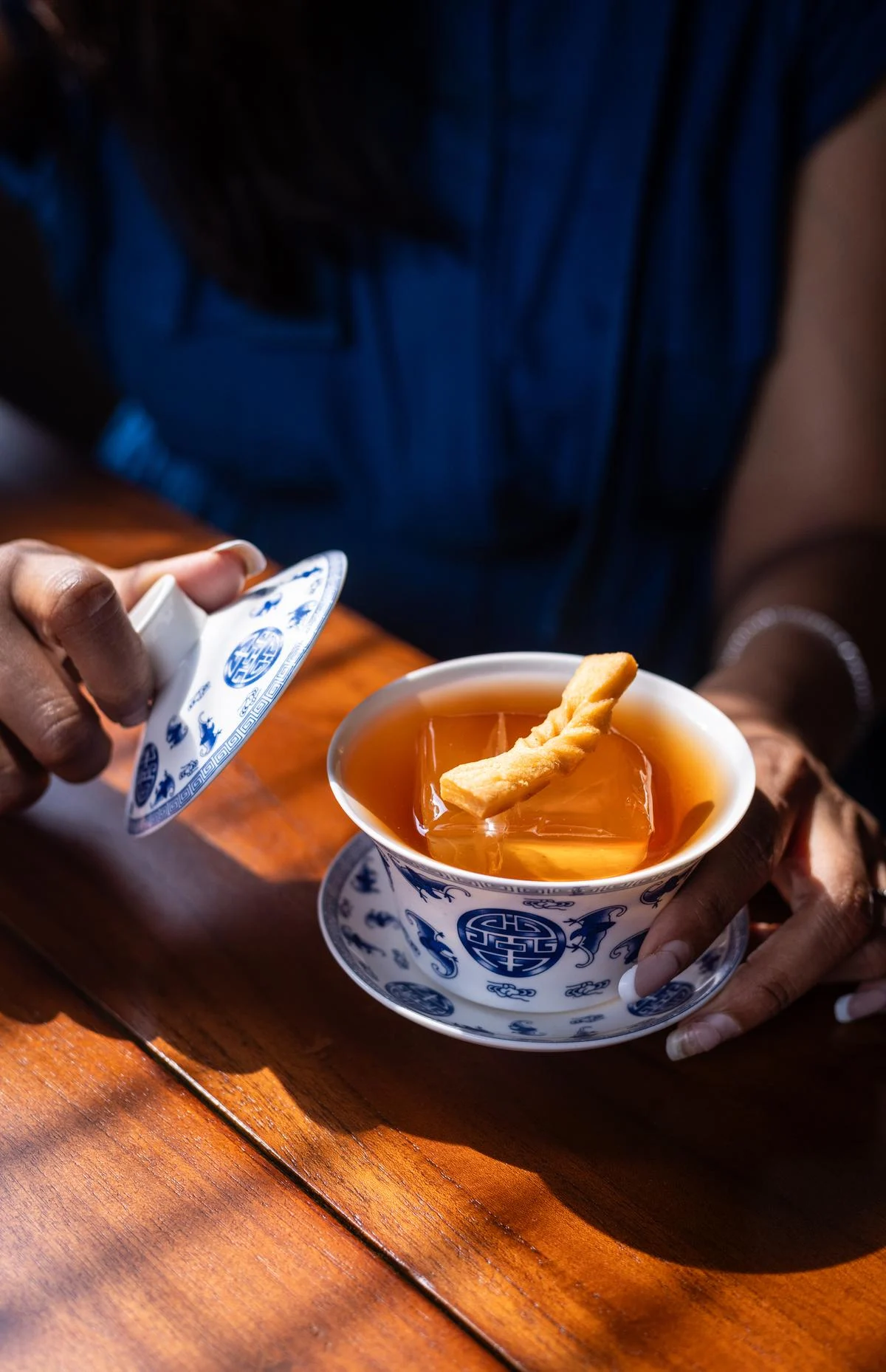
The arrival of the monsoon in India is more than a meteorological event; it is a profound sensory awakening. For generations, the first hint of petrichor—that intoxicating, earthy scent of rain hitting parched soil—has been the cue for kitchens to hum with the preparation of piping hot chai and crisp pakoras. However, a new wave of liquid cartography is emerging across the country’s premier bars. Today, bartenders and distillers are looking beyond the fryer, seeking to distill the very essence of the rainy season into high-concept cocktails.
From the fog-drenched hills of Meghalaya to the humid coastlines of Goa and Chennai, India’s mixology elite are leveraging indigenous ingredients to create a seasonal narrative. By utilizing piquant jamun, luscious jackfruit, warming ginger, and even rainwater itself, these artisans are redefining what it means to drink with the seasons.
Main Facts: The Seasonal Shift in Indian Mixology
The modern Indian bar scene is undergoing a radical shift toward hyper-regionality and "farm-to-glass" ethics. This monsoon, the focus has moved toward capturing ephemeral flavors that only appear during the high-rainfall months of June through September.

Key highlights of this movement include:
- The Use of "Rain-Sourced" Spirits: The emergence of spirits like Cherrapunji Eastern Craft Gin, which uses actual rainwater in its production process.
- Reimagining the Classics: Traditional cocktails like the Martini and the Dark ‘n Stormy are being deconstructed and rebuilt using local preserves, such as jackfruit jam and kokum dust.
- Indigenous Ingredient Focus: A concerted effort to highlight the "monsoon bounty," including custard apples, mulberries, gooseberries, and fermented tea.
- Sensory Storytelling: Creating "olfactory cocktails" that mimic the smell of wet earth (petrichor) using unconventional techniques like earthen pot hydrosols.
Chronology: From Summer Harvest to Peak Monsoon Libations
The transition from the sweltering heat of May to the deluge of July dictates the evolution of the bar menu. According to industry leaders, the "monsoon menu" is not a static entity but a progression that mirrors the harvest.
In the early weeks of the rains, menus often retain the last of the summer’s mangoes, but as the humidity rises, stone fruits and berries take center stage. Minakshi Singh, co-founder of Sidecar and Cocktails & Dreams Speakeasy in Delhi NCR, explains that the "monsoon bounty" dictates their robust seasonal offerings.

"We have mangoes in the summer, but as the monsoon settles in, we shift to litchi, jamun, mulberries, and gooseberries," Singh notes. This period also marks a shift in the "weight" of the drinks. While summer demands high-acid, thirst-quenching coolers, the monsoon invites a "woody warmth"—a bridge between the lightness of summer and the heavy, dark spirits traditionally reserved for winter.
By mid-August, ingredients like custard apple (sitaphal) begin to appear in markets, particularly in Maharashtra, offering a creamy, floral sweetness that pairs exceptionally well with agave spirits and earthy teas.
Supporting Data: The Flavor Profiles of a Rainy Landscape
To understand the complexity of these drinks, one must look at the specific flavor profiles being utilized to evoke the feeling of rain.

1. The Petrichor Profile
Bartenders are using "earthy" bases to mimic the smell of wet ground. Karan Dhanelia, winner of World Class India 2026, utilizes Don Julio Blanco for its inherent agave-driven earthiness. By pairing it with Hojicha (roasted Japanese green tea) and an aerated earthen pot hydrosol, he creates a liquid representation of the "first rain."
2. The High-Altitude Influence
In the North and East, the cooling temperatures of the hills inspire the use of tea and fats. The "Pho Cha" cocktail, for instance, utilizes ghee-washed vodka and tea wine—a sophisticated nod to the butter tea (Po Cha) consumed in Tibet and the Himalayan regions to combat damp chills.
3. The Preservation Technique
Because the monsoon window is short, preservation is key. In the South, jackfruit is turned into dense, aromatic jams. This allows the fruit’s deep, honeyed musk to be used in high-acid environments, such as a Whisky Sour or a Breakfast Martini, providing a structural backbone that fresh fruit often lacks.

Official Responses: Insights from the Pioneers
The architects of this movement view their work as a tribute to Indian biodiversity and cultural memory.
Minakshi Singh (Sidecar, Delhi NCR):
Singh challenges the traditional notion that the monsoon requires a switch to dark spirits. "When it comes to spirits, Indians like dark spirits for colder months, though we balance the white and dark. We have tequila, gin, and whisky on the monsoon menu. Tea is a big part of the monsoon in the hills, so we integrate fermented kombucha and Darjeeling tea second flush drinks to provide that necessary warmth."
Karl Fernandes (Roc-a-Coe, Chennai):
Fernandes emphasizes the nostalgic power of seasonal fruit. "Jackfruit has long been one of South India’s most generous fruits… sweet, aromatic, and deeply nostalgic. Turning it into a preserve not only captures its fleeting season but creates an ingredient that lends itself beautifully to cocktails."

Mayukh Hazarika (Cherrapunji Eastern Craft Gin):
Hazarika highlights the geographical authenticity of his craft. "Drinking the gin during the rains feels like experiencing the landscape in liquid form. The Burmese Coriander Smash showcases the freshness of local ingredients from Meghalaya… the fresh coriander adds a herbaceous lift, while the cocktail’s overall structure allows the gin’s subtle smoky finish to emerge."
Lolita Sarkar (Unusual Spirits, Goa):
Sarkar focuses on the "wild nature" of the monsoon. Her use of jaggery-based spirits and kokum dust in the "Monsoon Ember" is designed to reflect the rugged, untamed beauty of Goa during the rains, moving away from the "beach party" aesthetic toward something more grounded and "ember-like."
The Recipes: Bringing the Monsoon Home
For those looking to replicate these professional profiles, the following recipes offer a glimpse into the technical precision required for monsoon mixology.

The "Pehli Barish" (First Rain)
By Karan Dhanelia
- Ingredients: 50ml Don Julio Blanco, 20ml Hojicha tea cordial, 90ml aerated earthen pot hydrosol with custard apple.
- Method: Rim the glass with black pepper to simulate the "spice" of the air. Build ingredients over ice. Garnish with fresh greens to represent the sudden bloom of flora.
The "South Indian Breakfast Martini"
By Karl Fernandes
- The Base (Jackfruit Jam): 500g ripe jackfruit flesh, 500g castor sugar, 15ml lime juice, pinch of sea salt. Simmer for 20–30 minutes until glossy.
- The Cocktail: 60ml Gin (or Whisky for a Sour), 15ml fresh lime juice, 2 bar spoons of the jam.
- Method: Shake vigorously with ice and fine strain. Garnish with a rice wafer spread with jam.
The "Jamun Mint Fizz" (Zero ABV)
By MONIN India

- Ingredients: 20ml Spiced Jamun Syrup, 10ml Mojito Mint Syrup, 3 lemon wedges, 8 mint leaves, Soda water.
- Method: Muddle lemon and mint. Add syrups and ice. Top with soda. This drink highlights the "sweet-tart" profile of the iconic purple fruit that marks the peak of the season.
Implications: Sustainability, Economy, and the Future of the Bar
The move toward monsoon-specific mixology has broader implications for the Indian beverage industry.
1. Economic Support for Local Agriculture: By prioritizing fruits like jamun and jackfruit—which are often underutilized in commercial spirits—bars are creating a new market for local farmers. The demand for high-quality, seasonal produce encourages the preservation of indigenous orchards.
2. Sustainability and Terroir: Spirits like Cherrapunji Gin represent a milestone in sustainable distillation. By harvesting rainwater in one of the world’s wettest places, the brand reduces its environmental footprint while offering a "taste of place" that is scientifically unique.

3. Cultural Revival: The integration of "Raag Malhar" (a monsoon-themed raga) into the conceptualization of drinks like the Malhar Citrus Gin cocktail shows a desire to marry mixology with classical Indian arts. It elevates the act of drinking from a social pastime to a cultural experience.
4. The Rise of the Mindful Drinker: The inclusion of sophisticated "Zero ABV" (alcohol-free) options like the Jamun Mint Fizz caters to a growing demographic of health-conscious consumers who still want to participate in the sensory rituals of the season.
As the rain continues to lash against windows from Mumbai to Kolkata, the glass in hand is no longer just a vessel for alcohol. It is a distilled memory of the earth, a tribute to the harvest, and a sophisticated acknowledgment of the unique rhythm of the Indian monsoon. Through the clever use of tea, spice, and seasonal fruit, India’s bartenders have finally found a way to bottle the clouds.
