

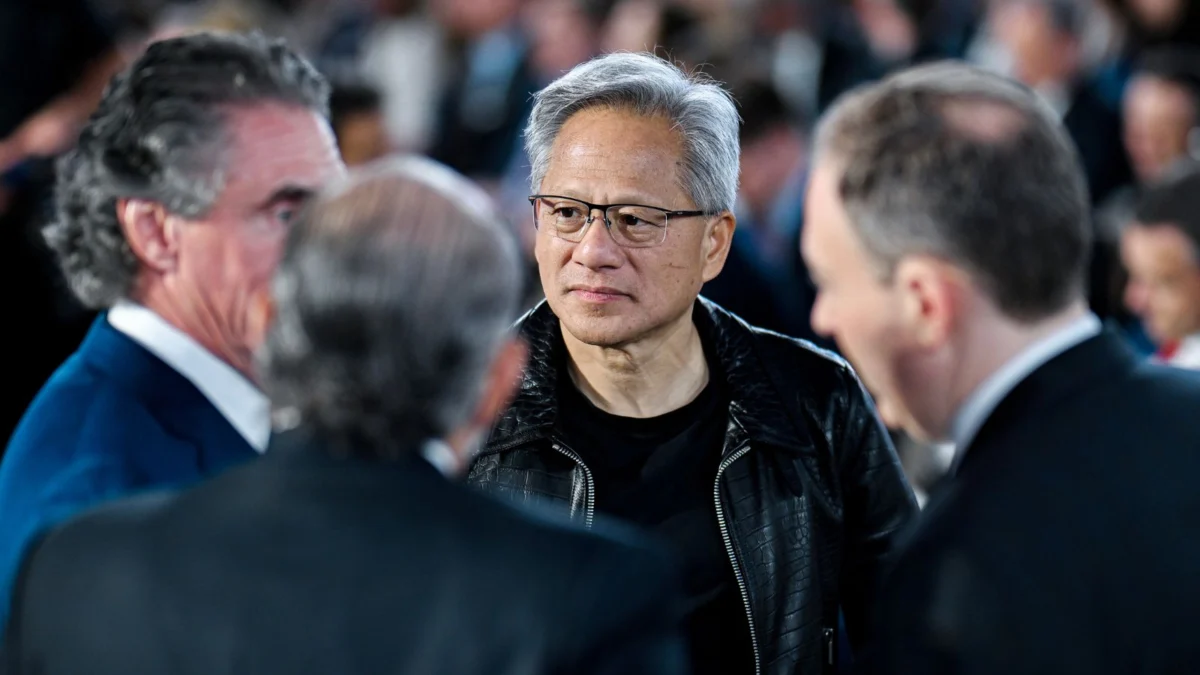
NEW DELHI – In a move poised to reshape the competitive dynamics of the artificial intelligence industry, U.S. chip manufacturing titan Nvidia has confirmed its agreement to acquire Hugging Face, the preeminent open-source AI repository, for a staggering $12.9 billion. The announcement, made on Thursday, September 3, 2026, solidifies Nvidia’s aggressive expansion beyond hardware into the very fabric of AI development, cementing its influence as a central architect in the burgeoning sector. This acquisition, significantly surpassing Hugging Face’s last valuation, is expected to draw immediate scrutiny from global regulators and spark apprehension among Nvidia’s rivals, who fear an unprecedented consolidation of power.
The deal, which follows initial reports of negotiations, positions Nvidia not just as the primary provider of the indispensable hardware powering AI, but also as a key custodian of the open-source models and tools that fuel innovation across the ecosystem. With Hugging Face hosting over three million open-weight AI models, along with an extensive array of datasets and development tools, its integration into Nvidia’s colossal enterprise could profoundly alter how AI is built, deployed, and monetized worldwide.
Main Facts: Nvidia Extends Its AI Dominion
Nvidia, already a trillion-dollar company and the undisputed leader in graphics processing units (GPUs) essential for AI computation, has made a strategic leap by absorbing Hugging Face. The acquisition price of $12.9 billion represents a substantial premium over Hugging Face’s last reported valuation of $4.5 billion in 2023, a funding round in which Nvidia itself was an investor. This premium underscores the immense strategic value Nvidia places on controlling a vital piece of the AI software infrastructure.
Hugging Face has emerged as a cornerstone of the AI developer community, boasting a user base of 18 million developers and serving over 200,000 companies globally. These entities leverage the platform daily to discover, evaluate, customize, and deploy AI models, making it an indispensable resource for both startups and established enterprises. By integrating Hugging Face, Nvidia gains a direct conduit to this vast developer network, potentially boosting the platform’s reach to an ambitious target of 100 million developers.
This acquisition transcends a mere financial transaction; it represents a calculated maneuver by Nvidia to deepen its integration into the AI value chain. While Nvidia CEO Jensen Huang has publicly assured that Hugging Face will maintain its commitment to open source, multi-cloud, and multi-accelerator development, allowing builders to utilize hardware and infrastructure of their choice, the underlying strategic implications are undeniable. The deal potentially affords Nvidia greater influence over which chips and computing frameworks developers ultimately adopt, despite Huang’s explicit statement that "Nvidia compute will not be required to build on or deploy through Hugging Face." Skeptics and industry commentators, however, quickly pointed out that Nvidia could subtly optimize AI models on Hugging Face to perform optimally on its own hardware, thereby gaining a significant competitive edge over rivals like Broadcom and AMD.
The immediate questions arising from this monumental deal are multifaceted: What truly motivates Nvidia to acquire such a platform? Will this translate into greater control over the entire AI ecosystem, potentially stifling competition? Or will it become yet another antitrust quagmire for the already dominant chipmaker? And perhaps most critically, what does this mean for the rapidly intensifying global race between open-source and closed-source AI development?
Chronology of a Consolidating Industry
The path to this landmark acquisition has been punctuated by several key developments, reflecting both Nvidia’s calculated ascent and the broader trend of consolidation within the AI sector.
The journey for Hugging Face, founded in 2016, saw it evolve from a chatbot startup into the "GitHub for machine learning," a critical hub for AI innovation. Its growth trajectory culminated in a significant funding round in 2023, which valued the company at $4.5 billion. Notably, Nvidia was among the investors in this round, indicating a prior strategic interest and a deeper understanding of Hugging Face’s integral role in the AI ecosystem. This early investment now appears to have been a precursor to a full-scale takeover, suggesting a long-term vision from Nvidia to integrate software and community platforms with its hardware dominance.
Reports of a potential deal between Nvidia and Hugging Face began circulating in the weeks leading up to the official announcement, creating a buzz within the tech community. Nvidia’s confirmation on Thursday, September 3, 2026, formalized these speculations, sending ripples across the industry and investor circles.
This acquisition also occurs amidst a backdrop of increasing distrust and strategic maneuvers among AI industry players. Just days prior, OpenAI announced that its models would no longer be available on AI coding startup Cursor from November 2026. This decision stemmed from concerns over Cursor’s recent acquisition by Anysphere, a company owned by Elon Musk-led SpaceX, for $60 billion in an all-stock deal. OpenAI expressed apprehension that SpaceX, a direct competitor in various technological domains, might violate contractual agreements or leverage access to its models in an untoward manner. This incident highlights the growing anxieties surrounding data control, platform neutrality, and competitive espionage in a rapidly consolidating industry.
For Nvidia, the path to market dominance has not been without regulatory scrutiny. In 2024, the U.S. Department of Justice launched an antitrust probe into the company, investigating allegations that Nvidia was pressuring cloud providers into purchasing multiple products, effectively leveraging its market dominance in GPUs. While this particular case appears to have languished, possibly due to the Trump administration’s broader focus on fostering AI progress rather than strict regulatory oversight, it underscores the ongoing concerns regarding Nvidia’s immense power. Furthermore, Nvidia has faced similar antitrust investigations in other significant markets, including France and China, indicating a global awareness of its monopolistic tendencies. The Hugging Face acquisition is almost certainly expected to reignite these regulatory concerns, particularly in Europe, where authorities have historically taken a more aggressive stance against market concentration.
Supporting Data: Quantifying Nvidia’s Unrivalled Position
The numbers behind this acquisition and Nvidia’s market standing paint a clear picture of its formidable influence. Hugging Face’s impressive growth metrics – its 18 million developers and 200,000 corporate users – underscore its central role in the AI development lifecycle. The platform’s ability to host over three million open-weight AI models makes it an unparalleled resource, a digital library and laboratory for the global AI community. Nvidia’s stated goal of expanding this user base to 100 million speaks volumes about the scale of its ambition and the potential reach it envisions for the integrated entity.
Nvidia’s own market capitalization as a "trillion-dollar company" is a testament to its unparalleled success. Its command of over 50% of the market for GPU chips, the computational backbone of modern AI, solidifies its position as a hardware kingmaker. This dominance provides Nvidia with significant leverage, as virtually every major AI development, from large language models to advanced scientific simulations, relies heavily on its proprietary technology.
The $12.9 billion price tag for Hugging Face, when contrasted with its 2023 valuation of $4.5 billion, highlights the intense competition for strategic AI assets and Nvidia’s willingness to pay a premium to secure its position. This valuation jump also reflects the rapid appreciation of AI-related companies in a booming market.
Beyond this latest acquisition, Nvidia’s history reveals a pattern of strategic investments and takeovers designed to bolster its ecosystem. Its largest acquisition to date remains the $20 billion assets deal with Groq, a designer of high-performance AI accelerator chips. This move, alongside the Hugging Face acquisition, demonstrates a multi-pronged strategy to dominate both the hardware and software layers of the AI stack. Furthermore, Nvidia has made substantial investments in various other critical AI entities. These include significant stakes in "neoclouds" such as CoreWeave and Nebius, which provide specialized GPU-accelerated cloud infrastructure, ensuring access to essential computing resources for AI development. Nvidia also holds stakes in leading AI firms like OpenAI and Anthropic, the very companies that rely heavily on its chips, as well as in SpaceX, further diversifying its influence across the AI landscape.
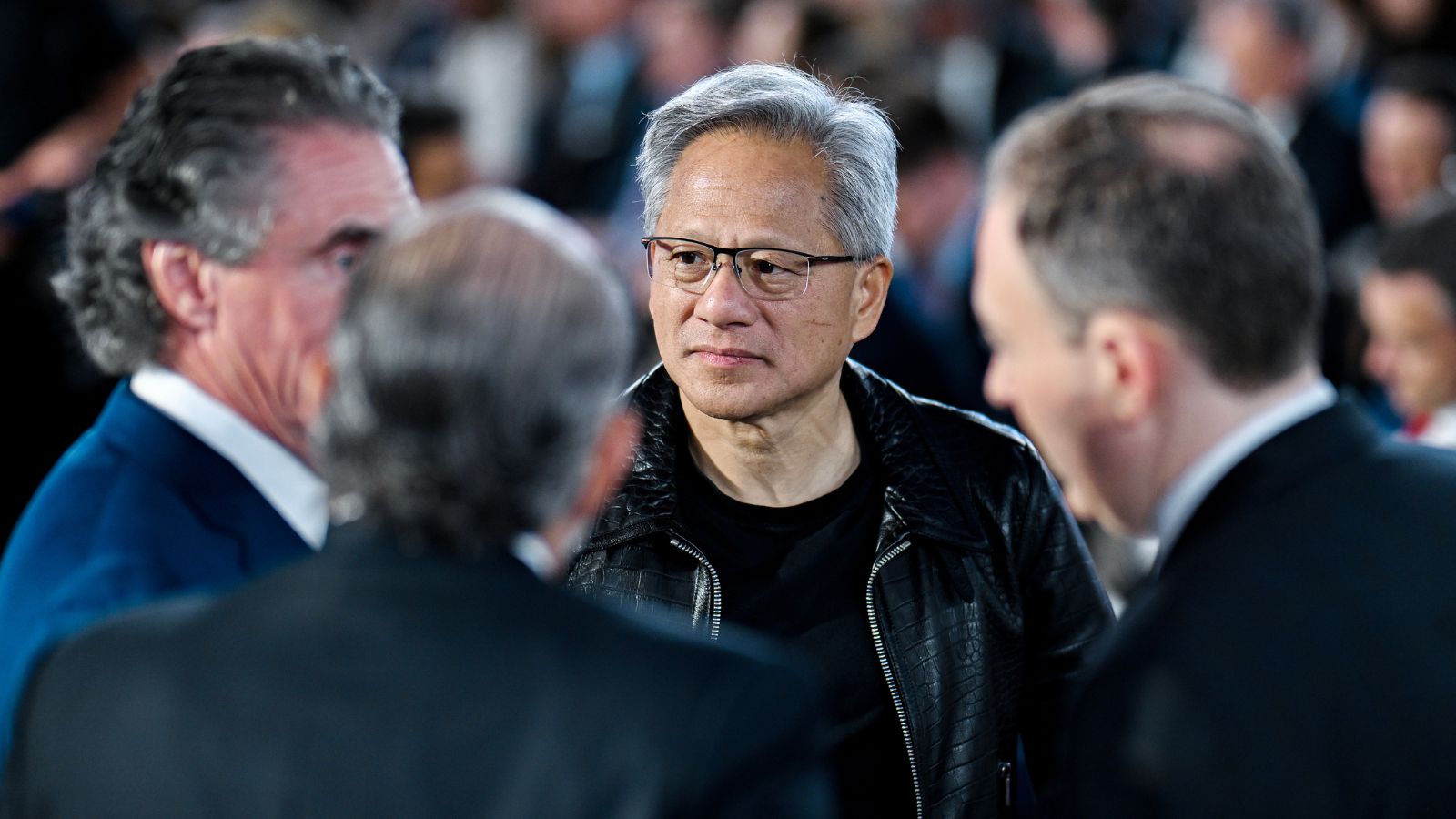
These investments and acquisitions are not merely financial plays; they are deeply strategic, designed to create a comprehensive, interconnected ecosystem where Nvidia’s hardware remains indispensable. The company has also directly invested billions of dollars in open-source AI developers, including Thinking Machines Lab, Poolside, and Reflection, explicitly to enable them to afford and utilize its expensive chips, thereby fostering innovation that ultimately drives demand for Nvidia products. This symbiotic relationship, where Nvidia funds the developers who then create demand for its hardware, is a cornerstone of its market strategy.
Official Responses: Assurances Amidst Apprehension
In the wake of the acquisition announcement, Nvidia CEO Jensen Huang moved swiftly to address potential concerns from the developer community and rivals, particularly regarding Hugging Face’s future neutrality and commitment to open source. In a blog post published on Thursday, Huang offered explicit assurances:
“Hugging Face will continue to support open source and open weight models from across the ecosystem, from every model builder. It will continue to support multi-cloud and multi-accelerator development and deployment, so builders can use the hardware and infrastructure that best fit their work,” Huang stated. He further emphasized, “Nvidia compute will not be required to build on or deploy through Hugging Face.”
These statements are clearly designed to assuage fears of a closed ecosystem and maintain developer trust. Huang’s position aligns with Nvidia’s broader public stance that open-weight AI is crucial for maintaining U.S. technological leadership and fostering innovation. He articulated this philosophy by saying, “Open weights broaden access to AI and help ensure that AI leadership is distributed across companies, institutions, and communities.” Nvidia itself is a significant contributor to Hugging Face, having uploaded over 500 models, including its in-house developed Nemotron family of open-weight models.
Despite these strong assurances, industry reactions have been mixed. Rivals, particularly other chip manufacturers like Broadcom and AMD, are likely to view the acquisition with deep skepticism. Hugging Face has become a vital platform for hardware designers to test, optimize, and distribute their computing power. These companies now face the dilemma of continuing to rely on a platform owned by their dominant competitor, raising concerns about potential data access, prioritization, or even subtle forms of sabotage. Social media discussions quickly highlighted the possibility that while Nvidia compute might not be "required," models optimized for Nvidia’s architecture could simply perform faster or more efficiently on Hugging Face, creating a de facto advantage.
Regulators, especially in the European Union, are expected to scrutinize the deal rigorously. Given Nvidia’s existing market dominance in GPUs, this vertical integration into a critical software layer of the AI stack could be seen as an anti-competitive move. The U.S. Department of Justice, which previously probed Nvidia in 2024, will likely review the deal, though the Trump administration’s pro-AI stance might temper the severity of any potential challenges. However, the outcome in Europe, where antitrust authorities have a track record of challenging large tech mergers, remains a significant unknown.
Implications: Reshaping the AI Future
The acquisition of Hugging Face by Nvidia carries profound implications across the AI landscape, influencing everything from market competition and regulatory oversight to the very nature of AI development itself.
Impact on AI Ecosystem and Competition:
Nvidia’s expanded footprint solidifies its role as the ultimate "kingmaker" in AI. By controlling both the foundational hardware and a pivotal software platform for model development and distribution, Nvidia gains unprecedented influence over the entire AI ecosystem. This vertical integration raises serious concerns about fair competition. Rivals, particularly other hardware manufacturers, may find themselves at a disadvantage, struggling to gain traction if Hugging Face subtly favors Nvidia’s architectures or makes it harder for competing hardware to integrate seamlessly. This could lead to a less diverse and potentially less innovative hardware market in the long run.
The deal also marks a significant moment of consolidation in the AI industry, where key infrastructure is increasingly being owned by a few powerful players. This trend could limit the options available to developers and startups, potentially stifling the democratic and decentralized spirit that open-source communities often champion.
The Open-Source vs. Closed-Source AI Debate:
Paradoxically, Nvidia positions itself as a champion of open-source AI, arguing that open weights are essential for distributed AI leadership and continued innovation, particularly in the face of rapidly advancing Chinese models like Moonshot AI’s Kimi K3. By acquiring Hugging Face, Nvidia is investing heavily in this philosophy, aiming to strengthen the U.S. open-source AI ecosystem. This move provides a counter-weight to closed AI model providers like Anthropic and OpenAI, who, despite relying on Nvidia’s chips, are actively working to reduce that dependence by developing their own custom silicon with partners like Broadcom. Nvidia’s strategy here is to ensure that even if these large players diversify their hardware, the broader developer community and the bulk of open-source innovation remain tethered to an Nvidia-owned platform. The question remains whether an open-source platform under the control of a dominant commercial entity can truly maintain its neutrality and independent spirit.
Regulatory Landscape and Antitrust Concerns:
The acquisition is almost certain to become a major antitrust headache. While the U.S. may be more lenient given the current administration’s focus on technological advancement, the European Union, with its robust antitrust framework, presents a formidable hurdle. Regulators will scrutinize whether this deal creates an unfair advantage, stifles innovation, or locks competitors out of essential infrastructure. The precedent of Nvidia’s past antitrust probes in various regions indicates that this is not an unfamiliar territory for the company, but the scale and strategic importance of Hugging Face make this a particularly high-stakes review. The outcome will set a critical precedent for future mergers in the rapidly evolving AI sector.
Future of Hugging Face:
For Hugging Face itself, the acquisition promises a massive infusion of capital, resources, and R&D capabilities from Nvidia. This could accelerate its growth, expand its functionalities, and significantly boost its developer base. The promise of reaching 100 million developers, while ambitious, becomes more plausible with Nvidia’s backing. However, the challenge for Hugging Face will be to maintain its perceived neutrality and foster an inclusive environment for all AI developers, irrespective of their hardware preferences. Its ability to navigate this delicate balance will be crucial for retaining the trust and engagement of its diverse community.
Broader Geopolitical Context:
Finally, the deal plays into the larger geopolitical competition for AI supremacy, particularly between the U.S. and China. Nvidia’s argument that strengthening the U.S. open-source AI ecosystem is vital for maintaining technological leadership underscores the strategic national interest inherent in this acquisition. By integrating Hugging Face, Nvidia aims to ensure that the core development tools and models that drive global AI innovation remain firmly within the U.S. sphere of influence, potentially shaping the future trajectory of AI development on a global scale.
In conclusion, Nvidia’s acquisition of Hugging Face is far more than a corporate takeover; it is a profound strategic play that could fundamentally redefine the power dynamics of the artificial intelligence industry. As the dust settles and the implications unfold, the world will watch closely to see if this consolidation ushers in an era of unprecedented innovation or one of stifled competition and increased regulatory oversight. The future of AI may well hinge on the answer.
© IE Online Media Services Pvt Ltd
