The world of high-end gastronomy has long been dominated by the vocabularies of oenology and distillation. Terms like "terroir," "vintage," "mouthfeel," and "aromatic finish" are traditionally reserved for the cellars of Bordeaux or the distilleries of the Scottish Highlands. However, a silent revolution is fermenting in the wooden barrels of Shodo Island, Japan—one that seeks to elevate the humble soy sauce from a kitchen staple to a complex, artisanal masterpiece.
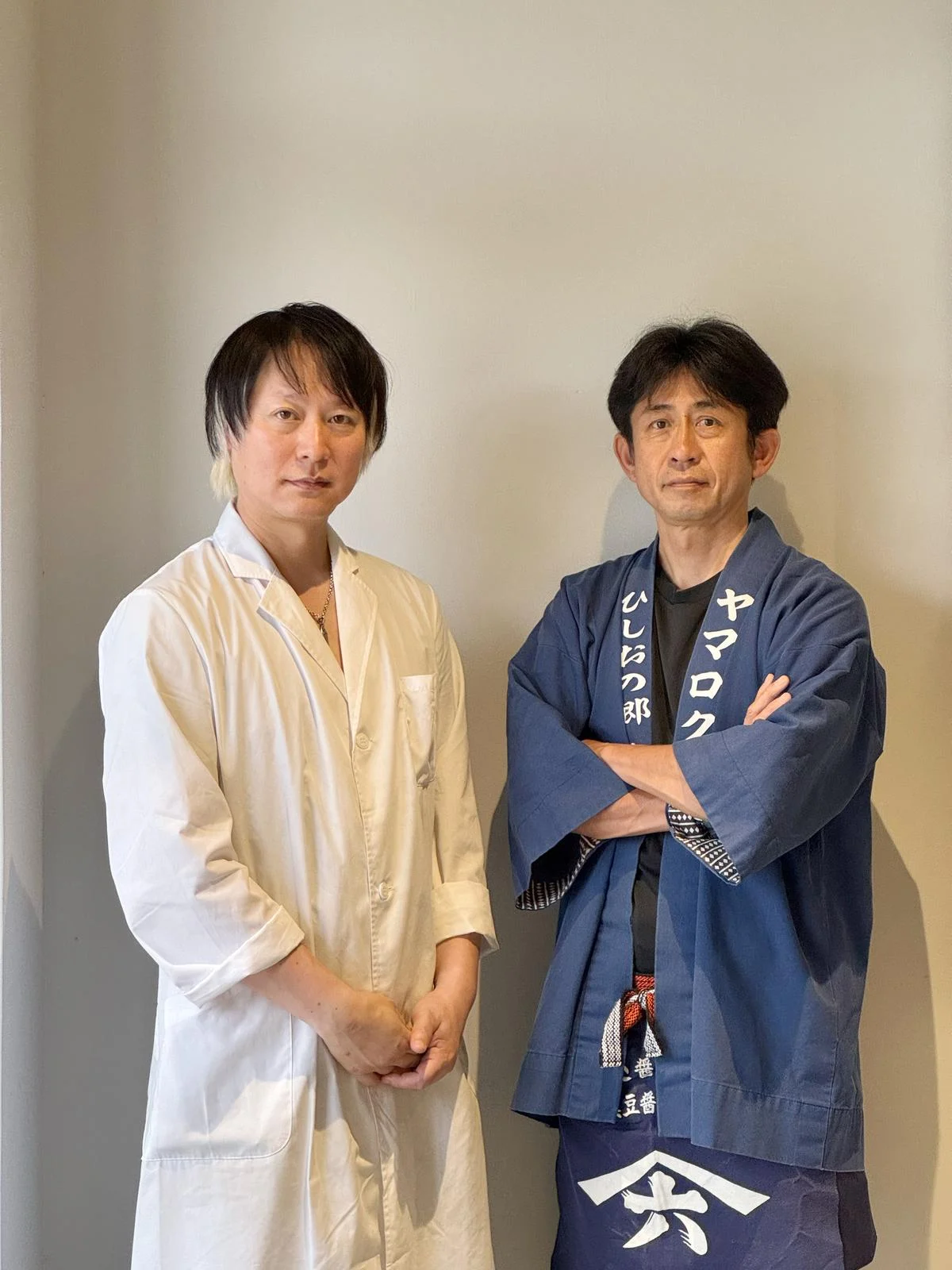
This August, the Indian culinary landscape is set to witness a rare intersection of history, craftsmanship, and flavor. In a collaborative effort titled Kioke Dojo, Oberoi Hotels in Bengaluru and Mumbai will host a series of exclusive dinners on August 22 and 24, respectively. These events will feature the legendary Yamaroku Shoyu, a 150-year-old brewery, and the culinary expertise of Chef Yoshifumi Tashima. By pairing aged, barrel-fermented soy sauces with a curated Japanese multi-course meal, the event aims to prove that soy sauce, much like a fine Cabernet Sauvignon or a single malt whisky, is a product of its environment, its history, and its keepers.
I. Main Facts: The Arrival of Kioke Dojo in India
The Kioke Dojo initiative is more than a mere tasting menu; it is a cultural bridge brought to India by SpicedLore, an online trade platform under the Tropical Trading Co. dedicated to "living crafts." The event marks a significant moment for Indian gourmands, as it introduces the concept of "soy sauce pairing"—a practice that remains niche even within Japan.
Event Logistics and Key Figures
The dinners are scheduled for:
August 22: Wabi Sabi at The Oberoi, Bengaluru.
August 24: Fenix at The Oberoi, Mumbai.
The price point—₹6,000 for vegetarians and ₹6,500 for non-vegetarians—reflects the rarity of the ingredients being showcased. The culinary direction is helmed by Chef Yoshifumi Tashima of the Tokyo-based restaurant Namida. To ground the experience in the Indian context, he is joined by Chef Randy Cultivo (Wabi Sabi) and Chef Richard Malone (Fenix).
At the heart of the event is Yasuo Yamamoto, the fifth-generation proprietor of Yamaroku Shoyu. Yamamoto is widely regarded as a guardian of the "Kioke" method—the traditional way of brewing soy sauce in massive cedar barrels. While 99% of modern soy sauce is produced in temperature-controlled stainless steel vats to ensure speed and consistency, Yamamoto’s brewery relies on the unpredictable, slow-moving hands of nature.
II. Chronology: 150 Years of Fermentation and Survival
To understand the depth of the liquid being poured at The Oberoi, one must look back to the Meiji Era (1868–1912). This was a period of rapid modernization in Japan, but on the island of Shodo, in the Seto Inland Sea, time moved differently.
The Birth of Yamaroku Shoyu
The Yamaroku brewing house was constructed over a century ago, at the dawn of the Meiji Era. For five generations, the Yamamoto family has maintained the same structure, which houses dozens of kioke—gigantic barrels made from Japanese cedar (sugi).
Historically, Shodo Island was a hub for soy sauce production due to its strategic location for salt trade and its unique "Mediterranean" climate—characterized by mild winters and hot, humid summers—which is ideal for the growth of fermentation microbes. However, the 20th century brought the advent of industrialization. Most breweries transitioned to steel tanks to cut costs and reduce the fermentation period from years to months.
The Crisis of the Kioke
By the early 2000s, the art of making the barrels themselves was dying. Only one workshop in Osaka remained that could produce the massive cedar hoops and staves required for kioke. Recognizing that his craft was physically tied to the survival of these barrels, Yasuo Yamamoto took the radical step of apprenticing as a cooper. Today, he not only brews sauce but also builds the barrels, ensuring that the 150-year-old lineage of Yamaroku continues.
III. Supporting Data: The Science of the "Living Ecosystem"
What makes kioke shoyu different from the bottles found on supermarket shelves? The answer lies in the microscopic world inhabiting the wood.
The Microbial Terroir
A kioke barrel is not just a container; it is a biological skyscraper. Over decades—and in Yamaroku’s case, over a century—the porous cedar wood becomes home to a unique ecosystem of over 100 types of microorganisms, including lactic acid bacteria and yeasts.
Aspergillus Oryzae (Koji): The mold that breaks down the proteins and starches in soybeans and wheat.
The Maturation Process: While industrial soy sauce is often "heat-accelerated," Yamaroku’s flagship Tsurubishio (double-brewed) sauce is aged for four years. This long duration allows the microbes to develop complex esters and phenols that produce notes of chocolate, dark fruits, and tobacco.
The Role of Geography
Shodo Island’s climate acts as a natural thermostat. The seasonal temperature fluctuations expand and contract the wooden staves, essentially "breathing" the mash (moromi) and allowing for a deeper integration of flavors. This is the essence of terroir—the idea that the final product is an inseparable reflection of the geography and the specific microbial flora of the brewery.
IV. Official Responses: Craftsmanship vs. Prescriptive Cooking
During the lead-up to the Kioke Dojo event, the architects of the experience shared insights into why this "living fermentation" cannot be replicated by modern science.
Yasuo Yamamoto on the Essence of Time:
"Ageing creates a depth that cannot be fully captured by scientific analysis or reduced to a number. It is the difference between simply making soy sauce and allowing a living fermentation to evolve. For us, that is the essence of kioke shoyu: wood, microorganisms, ingredients, craftsmanship, and time coming together to create something that cannot be hurried."
Chef Yoshifumi Tashima on the Art of Tasting:
Chef Tashima emphasizes that the dinner is designed to challenge the guest’s perception of soy sauce as merely "salty."
"When tasted by itself, soy sauce can initially seem intensely salty. But tasting it in its original form allows you to discover what lies beneath—the aroma, umami, acidity, sweetness, and finish. The question is not simply, ‘Which soy sauce goes with this dish?’ It is, ‘What do we want this dish to make you feel?’"
The Menu: A Study in Nuance
The collaborative menu is designed to showcase the versatility of different shoyu styles—from light-colored Usukuchi to the dense, syrupy Tamari and Tsurubishio.
Mizu no Hana: Featuring Hiramasa (Yellowtail Kingfish), where the sauce is used to enhance the fatty sweetness of the fish.
Chutoro Tuna with Tsurubishio Rice: A dish that highlights how double-brewed soy sauce can stand up to the rich, metallic notes of medium-fatty tuna.
Isobe Yaki: Grilled rice cakes that demonstrate how heat transforms the sugars in the soy sauce, creating a smoky, caramelized crust.
V. Implications: The Future of "Living Craft" in Global Dining
The Kioke Dojo event at Oberoi Hotels signifies a broader shift in the global luxury market. As consumers become increasingly wary of mass-produced, ultra-processed foods, there is a growing demand for "transparency" and "ancestry" in ingredients.
1. The Preservation of Intangible Heritage
By bringing Yasuo Yamamoto to India, SpicedLore is highlighting the precarious nature of traditional crafts. The event serves as a platform to fund and promote the survival of kioke construction. If the barrels disappear, the specific flavor profiles of Shodo Island disappear with them.
2. Elevating the Indian Palate
For the Indian diner, this event expands the understanding of Japanese cuisine beyond the ubiquitous sushi rolls and ramen. It introduces the concept of the "condiment as a protagonist." In a country with its own rich history of fermentation—from pickles to regional vinegars—the story of Yamaroku Shoyu resonates as a parallel narrative of preserving domestic traditions against the tide of globalization.
3. Experiential Tourism
SpicedLore has indicated that Kioke Dojo is just the beginning. The platform aims to branch out into experiential journeys, taking enthusiasts into rural Japan to witness these processes firsthand. This suggests a new frontier for the hospitality industry: "educational luxury," where the value of a meal is measured not just by the ingredients, but by the knowledge and history shared at the table.
Conclusion
As Bengaluru and Mumbai prepare to host this "Dojo" of flavor, the message is clear: the most profound tastes are often those that have been allowed to wait. In an era of instant gratification, the four-year-old droplets of Yamaroku soy sauce serve as a salty, umami-rich reminder that some things—like wood, microorganisms, and craftsmanship—simply cannot be rushed. The Kioke Dojo is not just a dinner; it is a masterclass in the patience of flavor.