

By Environmental Desk
Published – August 29, 2026
The arrival of the Indian monsoon is traditionally measured by meteorologists through atmospheric pressure gradients, wind speeds, and precipitation levels tracked by Doppler radars. However, for the natural world, the monsoon is not merely a weather pattern; it is a profound biological awakening. While the sky may remain a dusty grey, the true heralds of the season are often found in the subtle shifts of the landscape—the architectural labor of a weaver bird, the vibrant transformation of a bullfrog, and the sudden emergence of the subterranean fungal kingdom.
Contrary to the popular perception of the monsoon as a "biological starting gun" that triggers a simultaneous explosion of life, the reality is a complex, staggered choreography. Species respond with surgical precision to a myriad of environmental cues, including humidity thresholds, soil temperature, and fluctuating water levels. This intricate dance of life underscores the resilience and sensitivity of India’s biodiversity.
Main Facts: The Multisensory Indicators of Seasonal Change
The onset of the monsoon serves as the primary catalyst for life cycles across the Indian subcontinent. While human observers look for the first heavy downpour, the ecosystem begins its preparation weeks in advance.
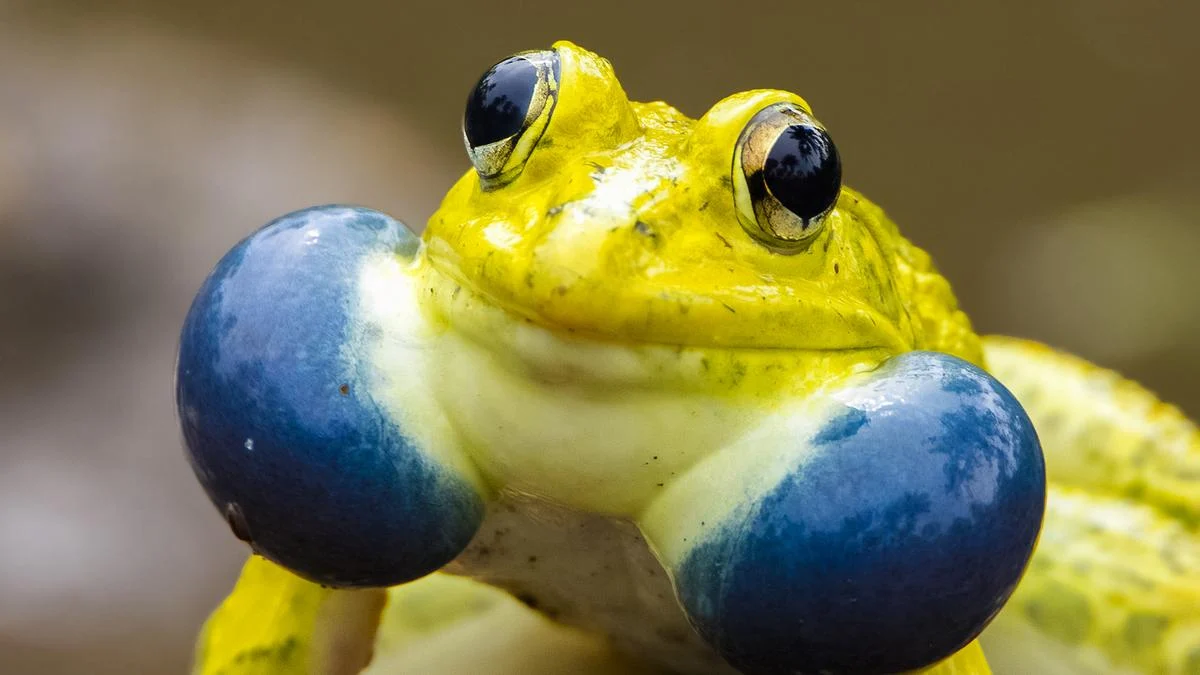
One of the most striking visual indicators is the Indian bullfrog (Hoplobatrachus tigerinus). During the dry months, these large amphibians remain largely inconspicuous, often aestivating in burrows to conserve moisture. However, with the first consistent rains, the males undergo a dramatic physiological transformation. Their olive-green skin turns a brilliant, neon yellow, and their vocal sacs expand into vibrant blue pouches. This is not merely a change in appearance but a high-stakes signal for mate attraction, turning ephemeral monsoon puddles into cacophonous breeding grounds.
Similarly, the Baya weaver (Ploceus philippinus) utilizes the pre-monsoon and early monsoon period to engage in one of nature’s most sophisticated construction projects. The male birds weave intricate, retort-shaped nests from strips of grass. These nests, often seen hanging from thorny trees or palm fronds overhanging water bodies, are timed to coincide with the abundance of insects that follow the rains—providing a protein-rich diet for their upcoming fledglings.
Beyond the visible fauna, the fungal kingdom plays a critical role. Fungi that have lived as invisible mycelial networks within the soil or decaying wood for most of the year respond to the sudden spike in humidity. They produce "fruiting bodies"—mushrooms—overnight. These structures are the reproductive organs of the fungi, designed to disperse spores in the damp air, ensuring the decomposition and nutrient cycling necessary for the forest’s health.
Chronology: From First Humidity to Peak Saturation
The biological response to the monsoon follows a distinct timeline, often referred to as "phenology"—the study of cyclic natural phenomena.
Phase I: The Pre-Monsoon Build-up (April – May)
As temperatures soar, the humidity begins to creep upward. This is the "preparation phase." Baya weavers begin scouting for nesting sites and gathering the first blades of fresh grass stimulated by pre-monsoon "mango showers." In the insect world, pupae that have remained dormant begin to sense the change in barometric pressure, preparing for a mass emergence.
Phase II: The Arrival (June)
The first "true" monsoon rains act as a trigger for amphibians. Within hours of a heavy downpour, Indian bullfrogs emerge in massive numbers. This phase is characterized by intense competition and vocalization. It is also the time when winged termites (alates) take to the air in nuptial flights, providing a sudden, massive food source for birds, lizards, and even mammals.
Phase III: The Growth Surge (July – August)
By mid-season, the landscape has undergone a total transformation. The brown, parched earth is replaced by a dense carpet of green. This is the period of maximum vegetative growth. Fungal activity peaks during this time, with mushrooms appearing on logs and forest floors following every significant rain event. For many species, this is the time of rearing young, as food availability (insects and seeds) is at its zenith.
Phase IV: The Recession (September)
As the monsoon begins its retreat, the biological activity shifts toward storage and preparation for the leaner months. Migratory birds begin to arrive from the north, taking advantage of the water-filled wetlands created by the season’s rains.
Supporting Data: The Science of Survival
Ecological studies conducted by the Wildlife Institute of India (WII) and various environmental NGOs highlight the critical nature of these seasonal triggers. Research into Hoplobatrachus tigerinus suggests that their breeding success is directly correlated with the "intensity" of the initial rainfall. A weak start to the monsoon can lead to "reproductive failure," where males do not fully transition to their breeding plumage, or eggs are laid in puddles that dry up before tadpoles can metamorphose.

Data regarding the Baya weaver shows a fascinating adaptation to the monsoon’s unpredictability. Studies indicate that males may build multiple "partial" nests. The female selects a mate based on the quality and location of the nest, specifically looking for stability against the high winds and heavy rains characteristic of July and August.
Furthermore, the role of fungi in the monsoon ecosystem cannot be overstated. According to mycological surveys, a single hectare of forest soil can contain kilometers of fungal mycelium. The "bloom" of mushrooms during the monsoon is essential for the nitrogen cycle. Without this seasonal surge in decomposition, the forest floor would become choked with organic debris, preventing new saplings from taking root.
Official Responses: Conservation and Monitoring
Environmental authorities and scientists have increasingly turned their attention to these "bio-indicators" to gauge the health of the Indian climate.
Dr. Arati Singh, a senior researcher specializing in herpetology, notes: "The Indian bullfrog is a sentinel species. When we see a delay in their color change or a decrease in their chorus, it tells us that the micro-climate of our wetlands is shifting. They are more sensitive to the ‘quality’ of the monsoon than our most advanced satellites."
The Ministry of Environment, Forest and Climate Change (MoEFCC) has recently emphasized the importance of protecting ephemeral wetlands—small, seasonal water bodies that appear only during the monsoon. Historically dismissed as "wastelands," these areas are now recognized as critical breeding sites for bullfrogs and foraging grounds for the Baya weaver.
Official statements from the Indian Meteorological Department (IMD) have also begun to acknowledge the "ecological monsoon." While the IMD focuses on rainfall data, they are increasingly collaborating with ecologists to understand how "breaks" in the monsoon (prolonged dry spells during the rainy season) impact the life cycles of these species.
Implications: A Changing Climate and the Future of the Pulse
The intricate synchronization between the monsoon and biology faces a growing threat: anthropogenic climate change. The "biological starting gun" is becoming erratic.
1. Phenological Mismatch
One of the greatest risks is "phenological mismatch." This occurs when the timing of a predator’s breeding no longer aligns with the peak availability of its prey. If Baya weavers hatch their chicks based on traditional seasonal cues, but a heatwave delays the emergence of insects, the survival rate of the fledglings drops precipitously.
2. Habitat Loss and Urbanization
The Indian bullfrog faces a dual threat from habitat loss and the "concrete heat island" effect. As seasonal ponds are filled for construction, these amphibians lose their only breeding grounds. Furthermore, the bright yellow and blue display that serves them well in a green meadow makes them highly visible and vulnerable in degraded, urbanized environments.
3. The Threat to Fungal Diversity
Erratic rainfall patterns—alternating between extreme deluges and long dry spells—disrupt the delicate moisture balance required for fungal fruiting. Since fungi are the "engine room" of the forest, a decline in fungal diversity could lead to slower nutrient cycling, affecting the health of India’s timber and fruit-bearing trees.
4. Agricultural Interdependence
The biological indicators of the monsoon are not just of interest to naturalists; they are vital for agriculture. The same insects that feed the Baya weaver are often pests that attack crops. A healthy population of birds and amphibians acts as a natural pesticide, keeping insect numbers in check. When the "monsoon pulse" is disrupted, farmers may find themselves more dependent on chemical interventions.
Conclusion
The Indian monsoon is a symphony, not a solo. While the rain provides the melody, the Baya weaver, the Indian bullfrog, and the silent fungi provide the rhythm and the harmony. As we move into an era of climatic uncertainty, observing these species becomes more than a hobby for naturalists—it becomes a vital act of environmental monitoring.
Understanding that the monsoon is a biological event as much as a meteorological one is the first step toward better conservation. To protect the monsoon is to protect the blue sacs of the bullfrog, the hanging cradles of the weaver bird, and the hidden networks of the soil. Their survival is the most accurate barometer we have for the health of our planet.
