

In an era where vacations are often curated by Instagram algorithms and travel success is measured by the precision of a geotag, Nisha Vikram, founder of the design studio CraftCanvas, is advocating for a different kind of journey. To her eight-year-old daughter, Vikram’s travel choices—ranging from the remote villages of Jharkhand to the rain-soaked trails of the Western Ghats—might seem like the antithesis of "cool." While the child’s peers return from South Korea with anime collectibles or post photos from Parisian cafés, Vikram is planning a trip to Hazaribagh to witness artisans painting cave-inspired murals on their mud walls.
However, what may seem like "woe" to a child is actually a sophisticated approach to "slow travel"—a movement that prioritizes cultural immersion and serendipity over check-list tourism. For Vikram, travel is not merely a leisure activity; it is the foundational pillar of her professional life and a philosophical stance against the commodification of the travel experience.
Chronology: From Corporate Resignation to Craft Advocacy
The evolution of Vikram’s travel philosophy can be traced back to 2008, a year that marked her departure from the corporate world and the beginning of a life-long pursuit of the "unpredictable."
2008: Chasing the Monsoon
Vikram’s journey began with a leap of faith. Inspired by Alexander Frater’s seminal travelogue, Chasing the Monsoon: A Modern Pilgrimage Through India, she joined a group of strangers on a rail and road trip from Mumbai to Goa. The objective was simple yet eccentric: to follow the arrival of the Indian monsoon.
This trip was characterized by physical hardship and spontaneous joy—trekking through the muck to reach the Yana caves in Karnataka, sleeping in dormitories, and experiencing the raw power of the Indian rains. Crucially, this trip provided the social and financial catalyst for her future. The strangers she met on that rain-drenched journey became her closest confidants and the initial investors in her dream: CraftCanvas.

2009–2011: The Era of ‘Handmade in India’
By 2009, Vikram had begun her systematic exploration of India’s artisanal heartlands. In an age before the ubiquity of Google Maps or Instagram, her primary navigational tool was the book Handmade in India, edited by Aditi and M.P. Ranjan.
In 2011, this methodology led her to Shivarapatna in Karnataka’s Kolar district. Armed with only a printed page from the book and a failing Nokia GPS, Vikram relied on the local knowledge of a tea-shop owner and a village boy to locate the town’s renowned stone carvers. This period solidified her "unscheduled" approach: arriving in a village, finding the local tea stall, and letting the community guide her to the craft.
2015–2017: High Altitudes and High Stakes
As her expertise grew, so did the ambition of her scouting trips. In 2015, Vikram travelled to Upper Kinnaur, Himachal Pradesh. Arriving late and without a schedule, her group stumbled into an annual temple festival. They witnessed a rare sight: every married woman in the village wearing hand-woven bridal attire and traditional jewelry, a living museum of textile heritage that no guidebook could have predicted.
In 2017, despite being in her third trimester of pregnancy, Vikram traveled to Chamba. The trip was physically grueling, involving stays in remote hotels and meetings conducted while resting on the couch of Padma Shri Lalita Vakil, a master of the Chamba Rumal (embroidery) tradition. These experiences reinforced the idea that the most valuable cultural "treasures" often require a degree of physical and logistical discomfort to access.
Supporting Data: The Socio-Economic Weight of Indian Crafts
Vikram’s personal anecdotes sit atop a massive, often undervalued economic sector. According to the Fourth All India Handloom Census and various reports from the Ministry of Textiles, the handicraft and handloom sector is the second-largest employer in rural India, following agriculture.

- Employment: The sector employs over 7 million artisans across the country.
- Export Value: India is one of the world’s largest exporters of handicrafts, with exports reaching approximately $3.5 billion annually.
- Digital Shift: A 2022 study on rural digitalization indicated that nearly 60% of rural artisanal clusters now have at least one member using a smartphone for business, a significant shift from the "information asymmetry" Vikram encountered in 2011.
The murals of Hazaribagh—the Soarai and Khovar art—that Vikram’s daughter finds so "uncool," are actually part of a heritage that received a Geographical Indication (GI) tag in 2020. This legal recognition highlights the global value of the very murals Vikram travels to see, transforming "cave-inspired paintings" into recognized intellectual property.
Expert Perspectives: The Shift from Tourism to "Experience"
While Vikram’s approach is personal, it aligns with a broader shift in the global travel industry. Travel experts distinguish between "Tourism"—the consumption of sights—and "Travel"—the engagement with a place.
The "Instagram Effect"
Social media has created a "crisis of discovery." When a location is "pinned" and "Reeled," it often loses the very quietude that made it special. However, industry analysts note a positive flip side. "Digital footprints are a double-edged sword," says Dr. Arati Singh, a cultural heritage consultant. "While they might ruin the ‘secret’ for the romantic traveler, they provide a direct-to-consumer link for the artisan. A WhatsApp number in a remote village in Kolar means that stone carver is no longer dependent on a middleman or a lucky encounter with a scout."
The Philosophy of "Slow Travel"
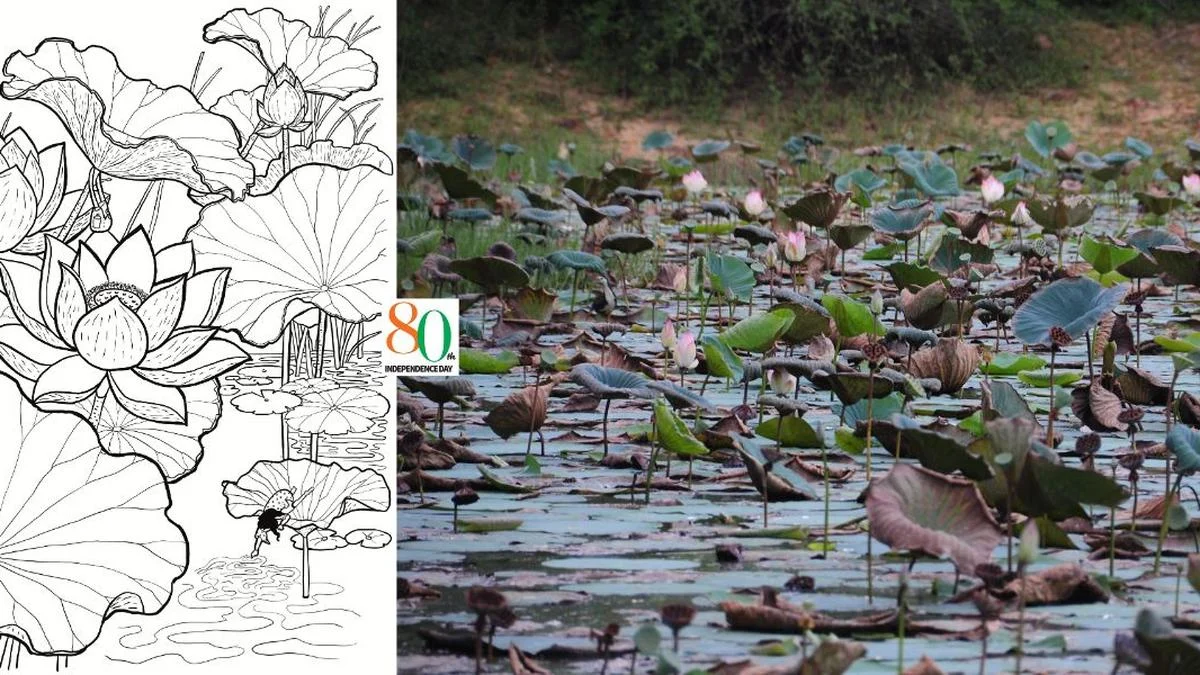
Vikram’s life anthem, "Nazare bhi humse mile" (The sights will come to meet you), is a localized version of the Slow Travel movement. This philosophy suggests that by reducing the number of destinations and increasing the time spent in one place, travelers can forge deeper connections with local cultures. Vikram’s willingness to "stop the auto" to discover a hidden lotus pond in Tamil Nadu is the quintessential example of this practice.
Implications: The Future of Discovery in a Mapped World
The transition from the "Nokia GPS" era to the "Zomato-rated tea stall" era has profound implications for the future of rural India and the nature of exploration.

1. Economic Empowerment vs. Cultural Dilution
The "information asymmetry" that Vikram describes was often detrimental to the artisan. Today, with Instagram pages and digital catalogs, artisans have more agency. However, the pressure to create "Instagrammable" moments can lead to the homogenization of craft. There is a risk that artisans may begin to produce what "looks good on a screen" rather than what is traditionally significant.
2. The Death of Serendipity?
As every corner of the globe is mapped, the "chance encounter" becomes a luxury. Vikram acknowledges that the "harder" days of travel were often more rewarding. For the modern traveler, the challenge is no longer finding a destination, but ignoring the destination’s online reputation long enough to have an original experience.
3. The Generational Bridge
Vikram’s daughter represents the new generation of travelers who are born into a world where "everything is known." The tension between the child’s desire for "cool" global trends and the mother’s quest for "authentic" local roots reflects a broader cultural dialogue in India. As the country urbanizes, the "trip to the village" is increasingly seen as a chore by the youth, yet it remains the source of the country’s unique global identity.
Conclusion: Being Part of Something Larger
For Nisha Vikram, the goal of travel is to be reminded of one’s place in a larger narrative. Whether it is sharing a meal of aloo posto and fish with a weaver in Bengal or watching the sunrise over a river in Chamba, these moments offer a sense of scale that a curated "Instagrammable" vacation cannot provide.
The work of CraftCanvas—bringing artisanal work into contemporary corporate and residential spaces—is the professional manifestation of these journeys. By choosing the unscheduled road, Vikram hasn’t just found "products" for her studio; she has built a family of artisans and a repository of stories.

As she prepares for her next trip to Hazaribagh, she remains a romantic in a digital age. Her methodology remains unchanged: arrive without expectations, remain genuinely curious, and trust that the sights will come to meet you. Her daughter may not understand the "chill" of a mud-walled village today, but in the silence of a hidden lotus pond or the rhythmic chisel of a stone carver, Vikram is betting that the child will eventually find a version of the world that no location pin can ever truly capture.
