

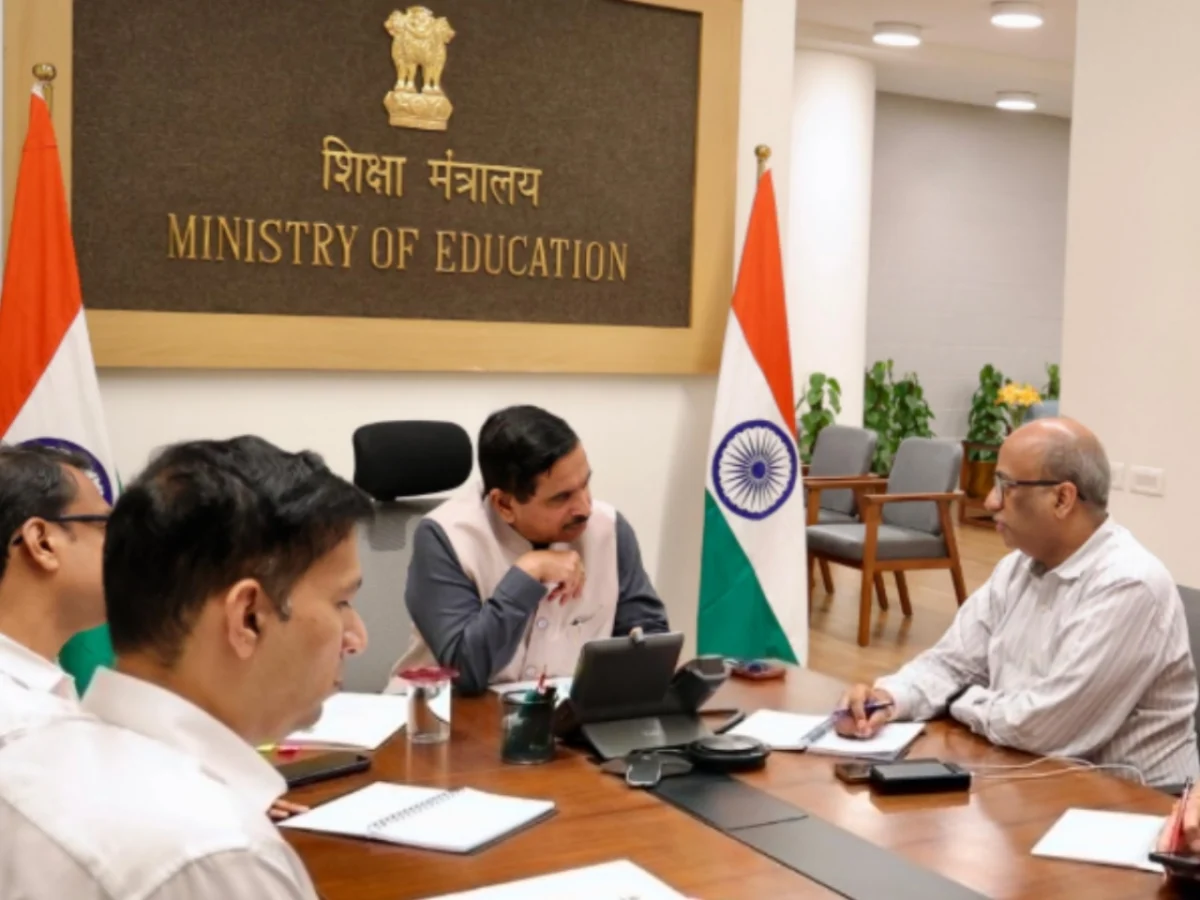
New Delhi: In a decisive move to bolster the integrity and reliability of national-level examinations, the National Testing Agency (NTA) is implementing a comprehensive overhaul of its operational framework. Following a high-level review meeting with Union Education Minister Pralhad Joshi, the agency is set to introduce a rigorous four-tier question paper checking system and has initiated a significant restructuring of its expert pool, removing approximately 600 individuals to enhance efficiency and reduce potential vulnerabilities. These measures come in the wake of persistent concerns regarding examination security and the need for greater accountability within the NTA.
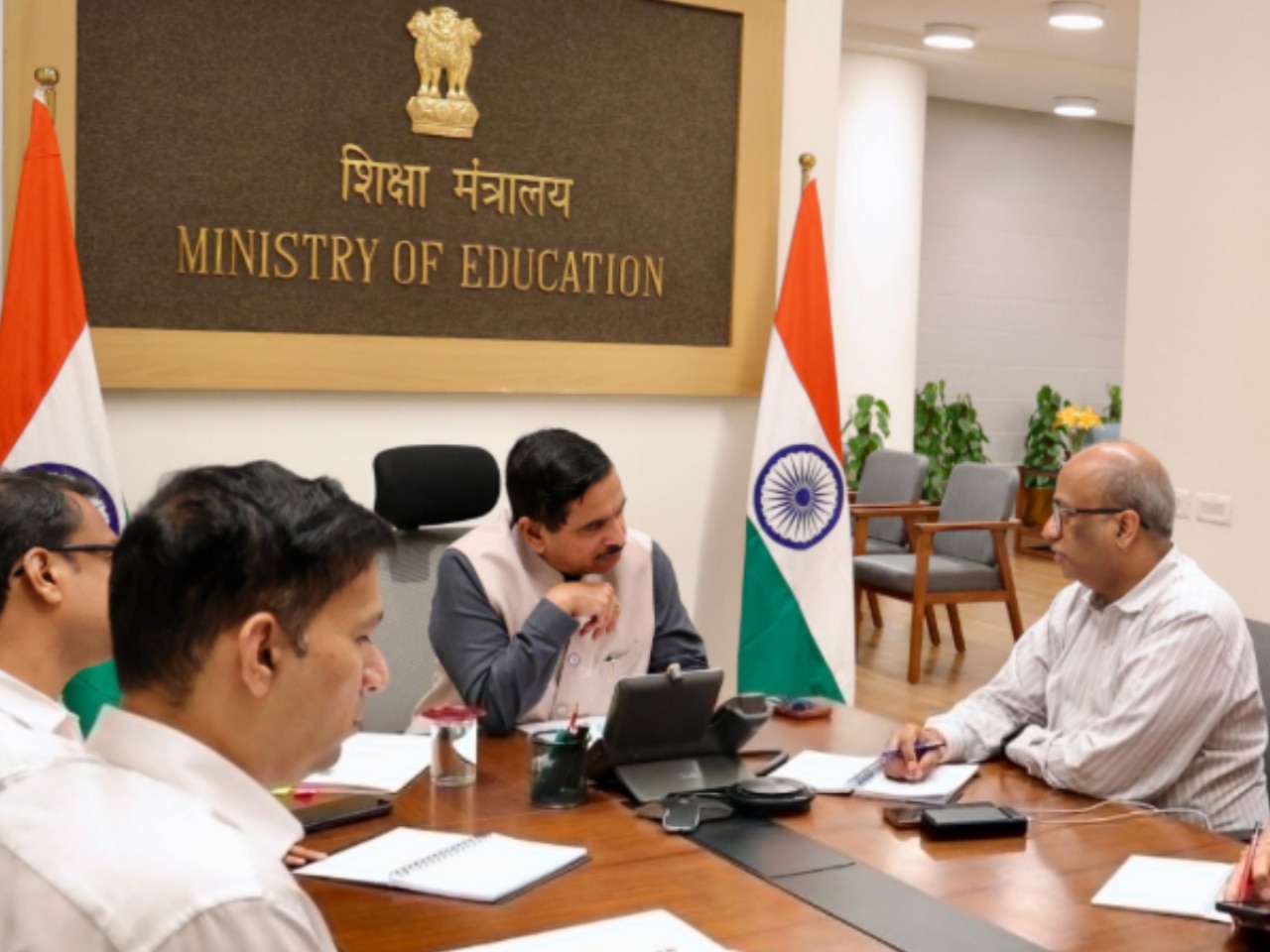
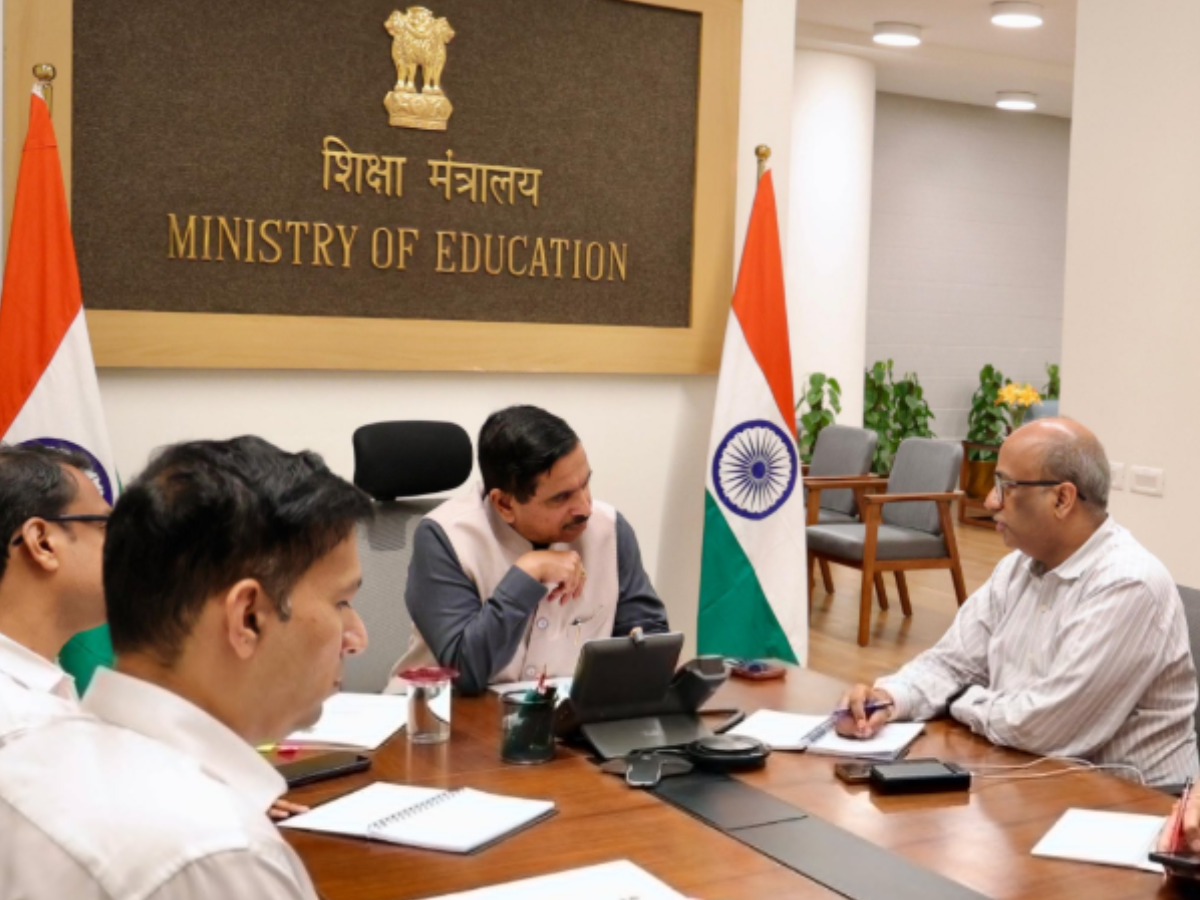
The directive from Minister Joshi emphasizes the paramount importance of ensuring all necessary security measures and robust infrastructure are meticulously in place for the seamless and secure conduct of examinations. This initiative signals a proactive approach to address past challenges and build public confidence in the fairness and accuracy of the NTA’s examination processes.
)
I. The Core of the Overhaul: Enhanced Scrutiny and Expert Reconfiguration
The most significant structural change announced is the introduction of a four-tier question paper checking system. This multi-layered approach is designed to significantly strengthen the scrutiny process, aiming to proactively identify and rectify any potential errors or discrepancies before question papers are finalized and disseminated. The objective is to minimize the possibility of errors, thereby ensuring a level playing field for all candidates and preventing the disruptions that can arise from paper-related issues.

Alongside this enhanced scrutiny, the NTA has undertaken a substantial revamp of its examination team. The Director General of NTA briefed Minister Joshi on the actions taken, confirming the removal of around 600 experts from the agency’s roster. This move is not about arbitrary dismissal but a strategic recalibration aimed at onboarding fresh talent and ensuring that the existing expert pool is both competent and aligned with the agency’s renewed focus on security and accuracy. The agency plans to onboard new experts and induct 20-25 officials over the next two to three weeks, signaling a commitment to continuous improvement and the infusion of new perspectives into its operations.
)
II. Chronology of Reform: A Response to Growing Concerns
The recent surge in reforms within the NTA can be traced back to a period of intense scrutiny and public outcry, particularly following the NEET-UG examination controversies.
)
- Prior to the Current Reforms: The NTA has been under considerable pressure due to alleged irregularities and paper leaks in various national examinations. These incidents led to widespread student protests and calls for accountability.
- Ministerial Directives: Union Education Minister Pralhad Joshi, who assumed his portfolio following the NEET-UG controversy, has been actively engaged in reviewing the NTA’s functioning. His directive for a "complete overhaul of Confidential Operations (CONOPS) architecture" was a significant early step. This included the implementation of measures like secluded rooms, air-gapped systems, and strict device-deposit protocols, to be executed "on a war footing."
- Review Meeting and Announcement of Reforms: The recent meeting with Minister Joshi served as a platform to consolidate these directives and announce the tangible reforms, including the four-tier checking system and the expert removal. The emphasis on "smooth and secure conduct of examinations" underscores the immediate priority.
- Ongoing Recruitment and Relocation: The NTA’s commitment to strengthening its infrastructure is also evident in its plan to shift offices to new premises "on a war footing." The reinforcement of security at these new locations with the deployment of Central Industrial Security Force (CISF) teams further highlights the agency’s resolve to enhance its physical and operational security.
III. Supporting Data and Infrastructure Enhancements
While specific data on the exact criteria for the removal of the 600 experts has not been publicly detailed, the rationale is clearly linked to strengthening the examination process. The recruitment of new experts and the induction of additional officials are aimed at injecting dynamism and ensuring that the NTA is equipped with the best available talent.
)
The introduction of the four-tier question paper checking system is a crucial procedural enhancement. This system is likely to involve multiple stages of review by different sets of experts, ensuring that each component of the question paper – from the question itself, to its relevance, difficulty level, language, and the accuracy of the answer key – is thoroughly vetted. This could potentially include:
)
- Subject Matter Expert Review: Initial vetting of the academic content and accuracy by specialists in the respective fields.
- Editorial and Language Review: Ensuring clarity, grammatical correctness, and unambiguous phrasing.
- Psychometric and Difficulty Level Assessment: Evaluating the question’s design to ensure it accurately assesses the intended learning outcomes and maintains appropriate difficulty levels.
- Final Pre-Dispatch Verification: A last-minute check for any overlooked errors or inconsistencies before the paper is sealed and distributed.
Furthermore, the emphasis on "air-gapped systems" and "device-deposit protocols" indicates a move towards more robust digital security. Air-gapped systems, which are physically isolated from other networks, significantly reduce the risk of data breaches and unauthorized access. Strict device-deposit protocols ensure that no unauthorized electronic devices are present during sensitive stages of examination preparation and administration.
)
The relocation of offices and the deployment of CISF personnel are not merely logistical changes but strategic decisions to enhance the physical security of NTA’s operations. This includes safeguarding sensitive documents, data, and infrastructure from external threats.
)
IV. Official Responses and Statements
The official communications from the Ministry of Education and the NTA underscore the seriousness with which these reforms are being approached.
)
A post on X (formerly Twitter) from the Ministry of Education (@EduMinOfIndia) highlighted the Minister’s directive: "As a follow up meeting on NTA, Union Education Minister Shri @JoshiPralhad directed that all necessary security and related infrastructural facilities should be put in place for the smooth conduct of examinations. Following directions from the Minister, DG, NTA apprised on the…" accompanied by a visual that likely detailed the ongoing reforms.
)
The Ministry’s earlier statement regarding the CONOPS overhaul also emphasized the need for "strict compliance" with established exam protocols and directed a "thorough audit of all exam processes and submit a report on corrective action taken." This indicates a systematic approach to identifying weaknesses and implementing targeted solutions.
)
The Director General of NTA, in their briefing to the Minister, confirmed the proactive steps being taken, including the significant overhaul of the examination team and the upcoming recruitment drive. This dual approach of streamlining existing resources and bringing in new talent demonstrates a commitment to both efficiency and innovation.
)
V. Implications and Future Outlook
The sweeping reforms undertaken by the NTA carry significant implications for the future of national-level examinations in India.
)
- Enhanced Credibility: The introduction of a four-tier checking system and the overhaul of the expert pool are expected to significantly enhance the credibility and trustworthiness of NTA-conducted examinations. This will benefit students who have often faced uncertainty and anxiety due to past issues.
- Reduced Discrepancies: The primary goal of these reforms is to minimize errors and discrepancies in examination papers, leading to a fairer and more transparent examination process. This could translate into fewer re-examinations, cancellations, or legal challenges.
- Strengthened Security: The emphasis on physical and digital security measures, including air-gapped systems and CISF deployment, signals a robust commitment to preventing malpractices and ensuring the confidentiality of examination materials.
- Public Confidence: By demonstrating a willingness to undertake significant changes and address public concerns, the NTA aims to rebuild public confidence in its capabilities. This is crucial for the smooth functioning of the education system and the career aspirations of millions of students.
- Accountability Framework: The reforms suggest a move towards a more robust accountability framework within the NTA. The focus on audits and corrective actions indicates a commitment to continuous improvement and learning from past experiences.
However, the success of these reforms will ultimately be judged by their practical implementation and their long-term impact on the integrity of examinations. Continuous monitoring, periodic audits, and an open channel for feedback from stakeholders, including students and educators, will be vital to ensure that the NTA remains a reliable custodian of national-level examinations. The journey towards a completely foolproof examination system is ongoing, and these significant structural changes represent a crucial step in the right direction. The commitment to "war footing" implementation for critical security enhancements suggests that the NTA is acutely aware of the urgency and the stakes involved in restoring faith in its examination processes.
