

Introduction: The "Terra Nullius" of the Mineral Belt
In the corporate boardrooms and environmental impact assessments of multinational mining giants, the Sijimali Hills of Odisha are often described in terms of absence. To a Vedanta official questioned for a recent documentary, the region is a barren landscape, almost devoid of life. “In the mine lease area, there is no natural water source cited,” the official stated, adding that a tree enumeration report found “hardly 2933 trees” across the vast expanse.
The implication is clear: the project is ecologically benign because there is supposedly nothing there to save. This narrative of “terra nullius”—a space without humans or ecological value—is a familiar one in the history of the Eastern Ghats. It was the same language used by Utkal Alumina International Limited (UAIL) to describe the neighboring Baphlimali hills before mining commenced in 2013: “only rugged terrain with small valleys where some ragi and grass grew.”
However, for the Adivasi and Dalit communities who have inhabited these hills for millennia, Sijimali is anything but empty. It is a "living hill," a hydrological sponge that feeds perennial streams, a source of diverse forest produce, and a sacred landscape where deities reside. As Vedanta pushes to expand its bauxite extraction footprint, the region is once again becoming a flashpoint for one of India’s longest-running conflicts between industrial "development" and indigenous survival.
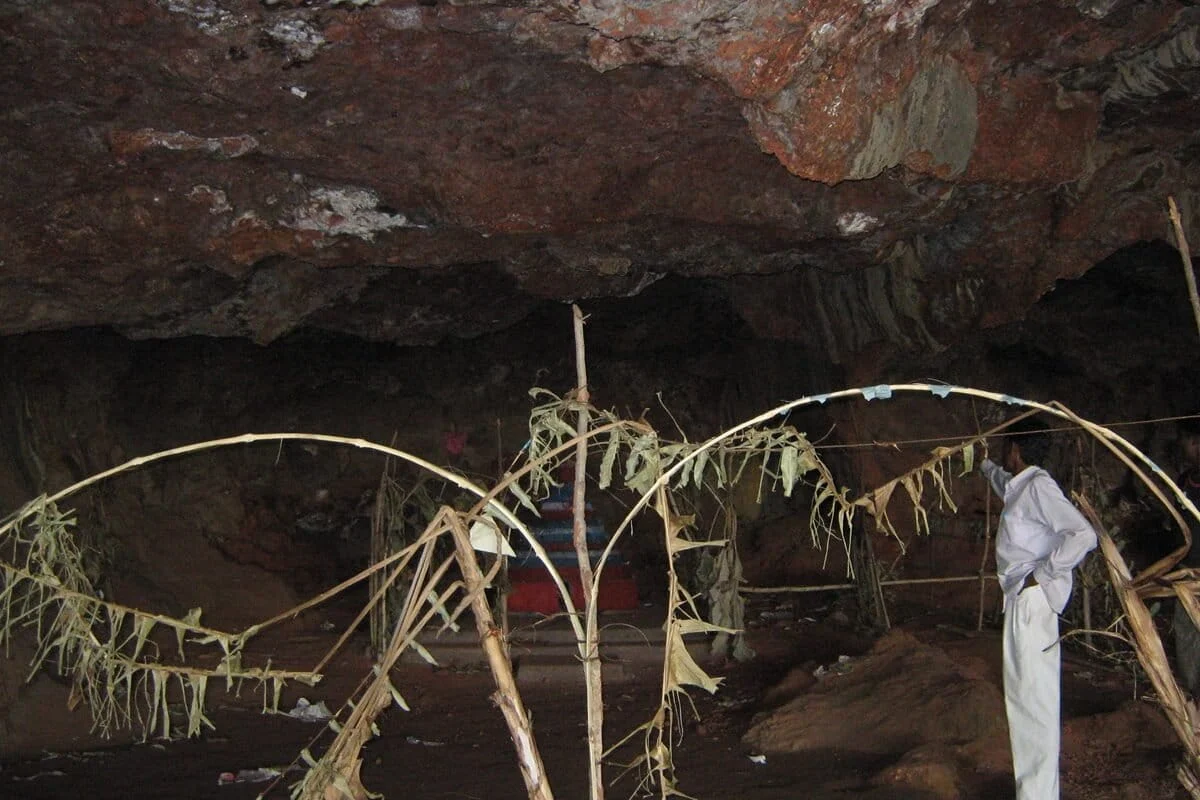
![Bauxite mining transforms living hills into emptiness [Commentary]](https://imgs.mongabay.com/wp-content/uploads/sites/30/2026/09/07095452/site-of-workship-of-baphlibudhi-matriarch-in-a-cave-in-Baphlimali-hills-1200x800.jpg)
Main Facts: The Sijimali Mining Proposal
The Sijimali Hills, situated across the Rayagada and Kalahandi districts of Odisha, represent one of the largest untapped bauxite deposits in Eastern India. Bauxite, the primary ore for aluminum, is found here in a unique geomorphological setting. Unlike other minerals that require deep subterranean shafts, the bauxite in this region forms the very bedrock of the flat-topped plateaus.
The Project Scope:
The proposed mining project, led by Vedanta Resources, seeks to extract millions of tonnes of bauxite to feed its nearby refineries. The company’s environmental clearance documents lean heavily on technical definitions that limit the "impact zone" to the immediate lease boundaries. By focusing on the low tree density on the plateau tops, the company frames the project as a low-risk venture that could even "improve" the environment through compensatory afforestation.
The Local Resistance:
Since the proposal gained momentum, over 44 villages nestled in the foothills have voiced fierce opposition. The resistance is led primarily by the Kondh (including Kutia and Desia Kondh) and Jhodia Adivasis, alongside Dalit communities. Their concerns are not merely environmental but existential, as the mining threatens to dismantle a complex socio-ecological system that sustains their livelihoods.
Chronology: A History of Resource Struggles (1980–2026)
The conflict in Sijimali is the latest chapter in a forty-year history of resistance against hilltop mining in the Eastern Ghats.
- The 1980s: The Gandhamardhan Movement: One of the earliest victories for indigenous and environmental activists, where a massive grassroots movement forced the government to scrap a public-sector bauxite project to save the sacred Gandhamardhan hills.
- The 1990s: Privatization and Global Entrants: Following India’s economic liberalization, the mining sector was opened to private and international giants. Companies like Tata, Norsk Hydro, and Vedanta began eyeing the "bauxite belt."
- December 2000: The Maikanch Tragedy: During a protest against the UAIL project in Kashipur, police opened fire on Adivasi demonstrators, killing three. This event remains a symbol of the state’s use of force to facilitate mining.
- 2013: The Niyamgiri Landmark: In a historic decision, the Supreme Court of India ruled that the Gram Sabhas (village councils) of the Dongria Kondh had the right to decide if mining should be allowed on their sacred hills. The councils unanimously rejected Vedanta’s project, leading to a global victory for indigenous rights.
- 2013–Present: The Baphlimali Transformation: While Niyamgiri was saved, the Baphlimali hills were not. Mining began here in 2013. In the decade since, the region has seen a dramatic decline in air and water quality, serving as a cautionary tale for Sijimali residents.
- April 2026: The Sijimali Crackdown: Tensions reached a boiling point in early 2026. Residents of Kantamal and other villages reported midnight police raids and the arrest of activists. This period has been marked by an atmosphere of secrecy, with journalists and independent observers facing restricted access to the region.
Supporting Data: The Ecological and Cultural Reality
The corporate claim that the Sijimali Hills are "ecologically insignificant" is contradicted by both hydrological science and traditional knowledge systems.
![Bauxite mining transforms living hills into emptiness [Commentary]](https://imgs.mongabay.com/wp-content/uploads/sites/30/2026/09/07095854/a-typical-Kondh-village-in-the-foothills-of-Kodingamali.jpg)
1. The Hydrological "Sponge" Effect
While the tops of the bauxite hills may lack dense canopy cover, they perform a vital hydrological function. Hydrologists note that these flat-topped plateaus act as massive sponges. During the heavy monsoon rains characteristic of Odisha, the porous bauxite layer absorbs water, which then percolates slowly through the mountain, emerging as perennial streams at the foothills. These streams are the lifeblood of the valley, providing water for drinking, irrigation, and fishing throughout the parched summer months. Mining the "cap" of the hill effectively destroys this natural reservoir.
2. Biodiversity and Minor Forest Produce (MFP)
The "hardly 2933 trees" cited by officials refers only to the plateau top. However, the hillslopes are covered in rich Sal (Shorea robusta) forests. The communities depend on these for Minor Forest Produce, which forms a significant portion of their non-cash income:
- Tendu and Chironji: Seasonal fruits and seeds collected for sale.
- Medicinal Herbs: A vast array of grasses and plants used in traditional healing.
- Podu Farming: The traditional practice of hillslope cultivation that sustains local food security.
3. The Sacred Geography
To the Kondh and Dalit communities, the hills are not inert deposits of aluminum oxide; they are living ancestors.
- Tiji Raja: The presiding deity of Sijimali, believed to be a benevolent lord who ensures the welfare of the people.
- Kinship Ties: Local folklore describes the hills as being interconnected through matrimonial and social alliances. For instance, the goddess Baphlibudhi of the Baphlimali hills is considered the aunt of the Maikanch village deity.
To the locals, destroying the hill is equivalent to deicide and the erasure of their cultural identity—they refer to themselves as "worms of the soil," signifying their inseparable bond with the land.
Official Responses and Corporate Stance
The official response from both the state government of Odisha and the involved mining companies has remained focused on economic growth and technical mitigation.
The Economic Argument:
The government argues that the bauxite reserves are essential for India’s industrial self-reliance and the "Make in India" initiative. Aluminum is a "green metal" necessary for the energy transition (used in electric vehicles and solar panels), and officials argue that the revenue generated will fund local development, schools, and hospitals.
![Bauxite mining transforms living hills into emptiness [Commentary]](https://imgs.mongabay.com/wp-content/uploads/sites/30/2026/09/07100132/patrik-2-gandhamardan-hillslope-view.jpeg)
Engineering Solutions:
Vedanta and other promoters emphasize that modern mining techniques can minimize dust and noise. They point to "compensatory afforestation" as a way to replace any lost vegetation. However, critics argue that a mono-culture plantation of commercial trees cannot replace the complex, multi-layered ecosystem of an ancient forest and grassland.
The Security Response:
In response to the "disquiet" in Sijimali, the state has frequently deployed security forces. The official stance often frames protestors as being "misled" by outside activists or "anti-development" elements, justifying the use of Section 144 and other restrictive measures to maintain order during public hearings.
Implications: A Travesty of Development?
The unfolding situation in the Sijimali Hills carries profound implications for the future of environmental governance in India.
1. The Erosion of Democratic Consent:
The landmark Niyamgiri judgment established the primacy of the Gram Sabha. However, the recent events in Sijimali suggest a shift toward "contested consent," where public hearings are conducted under heavy security presence, and dissenting voices are marginalized or criminalized. If the Sijimali project proceeds despite widespread local opposition, it may signal the end of the "Niyamgiri era" of indigenous veto power.
2. The Baphlimali Legacy:
The environmental fallout in Baphlimali—red mud spills, fly ash accumulation on farmlands, and the rise in respiratory infections among villagers—serves as a grim blueprint for Sijimali. The loss of perennial streams in Baphlimali has already forced many Adivasis to abandon farming and migrate for low-wage labor, effectively turning self-sufficient communities into "environmental refugees."
![Bauxite mining transforms living hills into emptiness [Commentary]](https://imgs.mongabay.com/wp-content/uploads/sites/30/2026/09/07102124/IMG_1036-1200x800-1.jpg)
3. Long-term Ecological Stability:
By viewing the hills as mere containers for ore, the mining model ignores the long-term stability of the Eastern Ghats. The destruction of these "water towers" could lead to a permanent hydrological drought in the region, affecting not just the immediate villages but the larger river basins downstream.
Conclusion
The struggle for Sijimali is more than a dispute over land; it is a clash of worldviews. On one side is a vision of the earth as a resource to be extracted, processed, and sold on the global market. On the other is a vision of the earth as a sacred, interconnected system that sustains life across generations.
As bulldozers wait at the base of the hills and the "disquiet" grows in the villages of Rayagada, the fate of Sijimali remains a litmus test for India’s commitment to its most marginalized citizens. To take away these fragile resources in the name of progress is, as the local communities argue, not development—it is a travesty that threatens to turn living hills into a permanent emptiness.
