

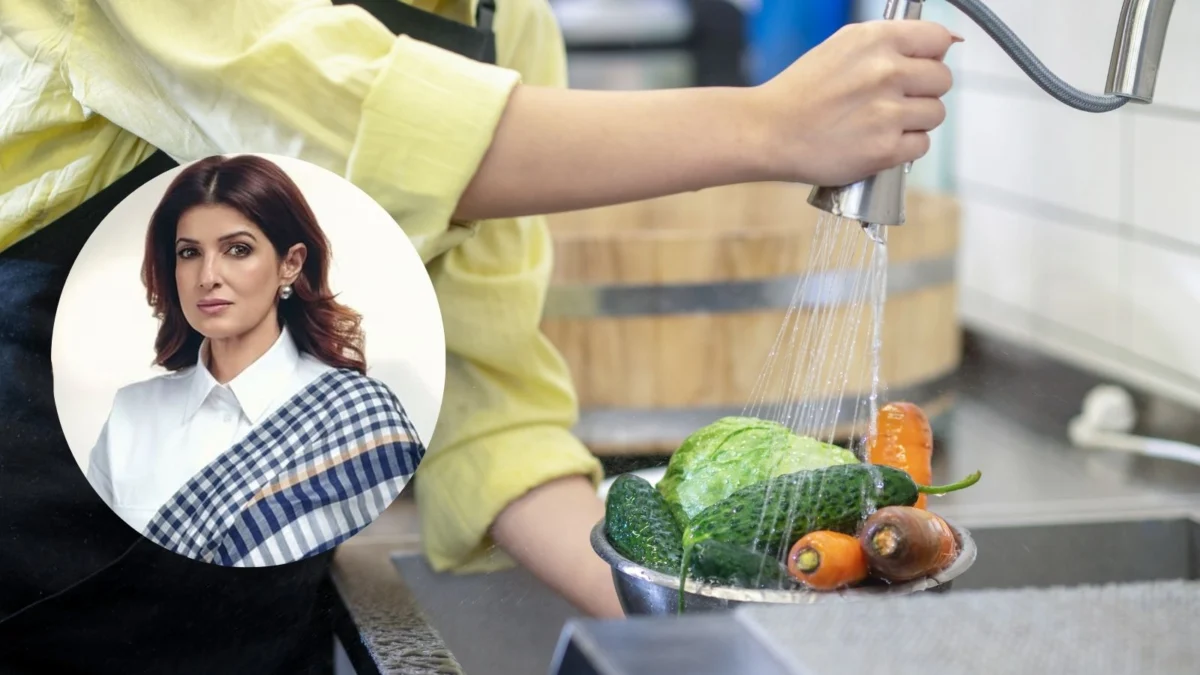
New Delhi, September 7, 2026 – In a world increasingly conscious of food safety and the potential lingering residues on our produce, a seemingly simple hack shared by author and entrepreneur Twinkle Khanna has sparked renewed interest in how we prepare our vegetables. Khanna, known for her candid observations and practical advice, revealed her go-to method for washing fruits and vegetables on an episode of Spacelift by Tweak India, a platform she helms. Her technique, which involves a solution of baking soda, vinegar, and water, aims to mitigate the risks associated with bacterial contamination and pesticide residue, common concerns for consumers navigating the bustling sabzi markets.
The author’s approach, shared via an Instagram video, suggests soaking produce in this concoction for 5-10 minutes, followed by gentle scrubbing and thorough rinsing. "Baking soda isn’t just for cakes," Khanna quipped, highlighting its multi-purpose utility. "I use this solution to try and wash off pesticides. Clean your fruits and vegetables in this baking soda, vinegar and water liquid for 5-10 minutes, scrub gently with hands, and then rinse thoroughly and dry well." This personal anecdote, while relatable and seemingly straightforward, prompts a deeper dive into the efficacy of such methods and the broader landscape of produce safety.
The Ubiquitous Lauki and the Lurking Concerns
The humble lauki, or bottle gourd, often a staple in Indian kitchens, serves as a potent symbol for Khanna’s concern. The unspoken question – what invisible hitchhikers might have hitched a ride from the market to our kitchens – resonates with many. This everyday anxiety underscores the critical importance of understanding how to properly clean and prepare fresh produce. Bacterial contamination, often stemming from inadequate washing, can lead to a range of unpleasant and potentially serious gastrointestinal issues. Experts warn of pathogens like Cyclospora, which can manifest as nausea, vomiting, watery diarrhea, and in severe cases, dehydration.
A Chronology of Culinary Caution: From Market to Plate
The journey of a vegetable from the bustling agricultural fields or vibrant local markets to our dining tables is a complex one, fraught with potential points of contamination. Understanding this chronology is key to appreciating the significance of thorough washing practices.
1. Cultivation and Harvesting: During growth, crops are exposed to soil, water, and the environment, which can harbor bacteria and other contaminants. Pesticides and fertilizers are also applied during this stage, with residues potentially remaining on the produce.
2. Post-Harvest Handling: After harvesting, vegetables are transported, sorted, and packaged. This process involves human contact, exposure to various surfaces, and potential contamination from equipment, storage facilities, and transportation vehicles.
3. Market Exposure: In the marketplace, produce is handled by multiple vendors and consumers, increasing the risk of cross-contamination. Display conditions, such as open-air settings or proximity to other items, can also contribute to contamination.
4. Home Preparation: The final stage, and arguably the most critical for the consumer, is the preparation in the home kitchen. This is where adequate washing and cleaning techniques play a paramount role in ensuring food safety.
Deconstructing the Hack: Expert Opinions on Baking Soda and Vinegar
The crux of Twinkle Khanna’s advice lies in the potent combination of baking soda and vinegar. To ascertain the scientific validity of this popular home remedy, we consulted with health experts.
Dr. Aishwarya R, a Consultant in Infectious Diseases at Aster Whitefield Hospital, Bengaluru, emphasizes the undeniable necessity of washing fresh produce thoroughly. She corroborates the risk of bacterial contamination, stating, "Not washing vegetables and fresh produce thoroughly can lead to bacterial contamination like Cyclospora, which can cause symptoms like nausea, vomiting, watery diarrhoea, and multiple episodes that may lead to dehydration. Therefore, washing fresh produce is crucial."
Regarding the efficacy of baking soda and vinegar, Dr. Aishwarya offers a nuanced perspective. "Pesticides can be eliminated from some vegetables by soaking them in a vinegar or baking soda solution," she explains. She further elaborates on the physical removal of contaminants: "Peeling fruits and vegetables can help remove the outer layer, which may have more pesticides, if at all possible. In order to remove dirt and pesticides from fruits and vegetables with tough skins, you can also use a vegetable brush."
This suggests that while the chemical properties of baking soda and vinegar may contribute to breaking down certain residues and inhibiting microbial growth, the physical act of scrubbing and rinsing remains indispensable. The gentle abrasion provided by a brush or even hands, combined with the flushing action of water, plays a significant role in dislodging dirt, bacteria, and pesticide particles from the surface of the produce.
Supporting Data: The Science Behind Produce Washing
Numerous studies have investigated the effectiveness of various washing methods for fruits and vegetables. While tap water rinsing alone removes a significant portion of surface contaminants, the addition of mild cleaning agents can enhance this effect.
Research published in journals such as the Journal of Agricultural and Food Chemistry has explored the impact of different solutions on pesticide residues. Some studies indicate that soaking in a baking soda solution (typically 1% to 2%) for a period can be more effective than plain water in removing certain types of pesticides, particularly those that are more water-soluble. The alkaline nature of baking soda may aid in breaking down some chemical bonds.
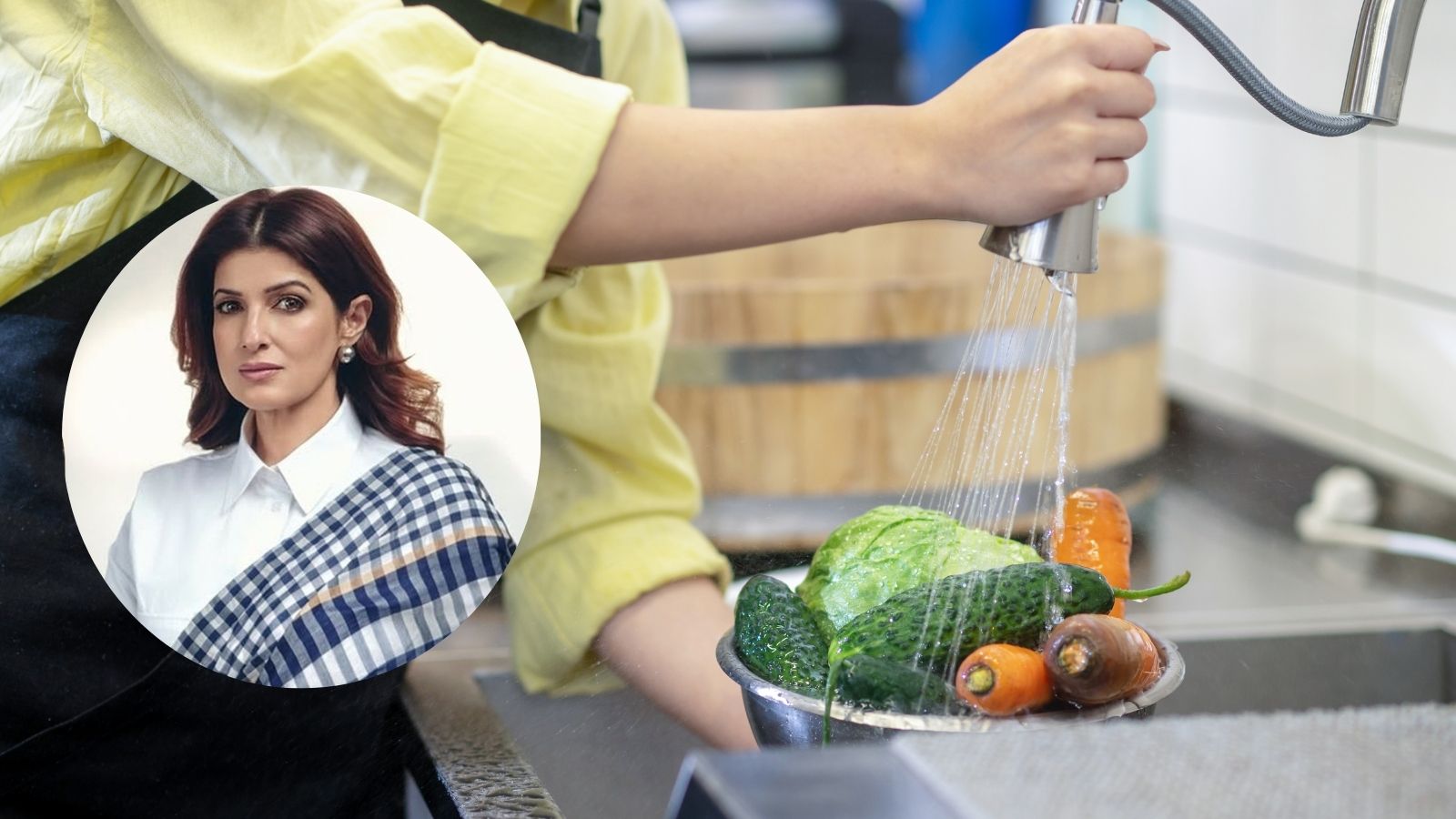
Vinegar, an acidic solution, has also been studied for its antimicrobial properties. Its acidity can help to kill certain bacteria and fungi on the surface of produce. However, the concentration and duration of exposure are crucial factors, and excessive acidity could potentially affect the texture or taste of some delicate fruits and vegetables.
The synergistic effect of combining baking soda and vinegar, as proposed by Khanna, is a topic that warrants further scientific investigation. While both have demonstrated some individual benefits, their combined action and optimal ratios for maximum efficacy are not as extensively documented. It is plausible that the effervescence created by mixing an acid (vinegar) with a base (baking soda) could contribute to a more vigorous physical removal of contaminants.
However, it’s crucial to note that these home remedies are primarily effective against surface-level contamination. They are not designed to penetrate the flesh of fruits and vegetables or to neutralize all potential chemical residues. Furthermore, the effectiveness can vary depending on the type of produce, the nature of the contaminant, and the specific washing protocol followed.
Official Responses and Recommendations
Leading health organizations globally, including the World Health Organization (WHO) and the U.S. Food and Drug Administration (FDA), consistently advocate for basic, yet fundamental, food safety practices. Their primary recommendations for washing fruits and vegetables include:
- Rinse under running water: Always wash produce under cool, running tap water.
- Rub firm produce: For firm fruits and vegetables like apples, potatoes, and cucumbers, gently rub the surface with a clean vegetable brush or your hands while rinsing.
- Wash leafy greens: Separate the leaves of lettuce, spinach, and other leafy greens and rinse them thoroughly, even if they are pre-packaged.
- Dry thoroughly: After washing, dry produce with a clean cloth or paper towel. This helps remove any remaining bacteria.
- Avoid soap or detergent: Health authorities generally advise against using soap or commercial detergents for washing produce, as they can leave residues that are harmful if ingested.
While official guidelines may not explicitly endorse baking soda or vinegar solutions for everyday use, they do not negate the potential benefits. The emphasis remains on thorough washing and physical removal of contaminants. The key takeaway from experts is that these methods should be considered supplementary to, rather than replacements for, standard washing practices.
Implications for Consumers and the Food Industry
Twinkle Khanna’s popularization of the baking soda and vinegar hack has significant implications for both consumers and the broader food industry.
For Consumers:
The widespread adoption of such simple, accessible home remedies can empower individuals to take proactive steps towards ensuring the safety of their food. It raises awareness about the importance of washing produce and encourages a more mindful approach to meal preparation. However, it also highlights the need for consumers to be discerning and to rely on evidence-based information. Misinformation or overreliance on unverified "hacks" could lead to a false sense of security or even unintended consequences if not applied correctly.
For the Food Industry:
The growing consumer concern about pesticide residues and bacterial contamination puts pressure on the agricultural and food processing industries to adopt and maintain stringent safety standards. This includes responsible pesticide management, improved post-harvest handling protocols, and transparent labeling regarding product sourcing and safety measures. Innovations in produce washing technologies and antimicrobial treatments are also likely to gain traction as the demand for safer food options intensifies.
Mistakes to Avoid: Beyond the Wash Cycle
While focusing on washing techniques, it’s equally important to address common mistakes that can compromise the safety and freshness of vegetables. Dt Amreen Sheikh, Chief Dietitian at KIMS Hospitals, Thane, points out several pitfalls:
- Improper Storage: A significant error is storing all vegetables together without considering their individual needs. Different vegetables have varying ethylene gas production rates and sensitivities, which can lead to premature spoilage if stored incorrectly.
- Overcrowding the Refrigerator: Storing too many items in the refrigerator reduces air circulation, hindering the maintenance of optimal temperature and humidity levels. This can affect the freshness and longevity of produce.
- Ignoring Damaged Produce: Leaving damaged or spoiled vegetables alongside fresh ones is a recipe for disaster. One contaminated item can quickly spread bacteria and mold to others, leading to widespread spoilage and potential health risks.
Dt Sheikh advocates for viewing vegetables as "fresh produce, and not shelf items." She emphasizes that "a few small habits, such as removing excess moisture, storing them correctly, and using them on time, can help preserve quality, reduce food waste, and support food safety." These seemingly minor adjustments can have a profound impact on the overall integrity of our food supply chain, from our kitchens to our health.
Conclusion: A Balanced Approach to Produce Safety
Twinkle Khanna’s popular vegetable-washing hack serves as a valuable catalyst for a broader conversation about food safety. While the baking soda and vinegar solution may offer some benefits in terms of removing surface contaminants, it is crucial to integrate it within a comprehensive approach to produce safety. This includes rigorous washing under running water, gentle scrubbing, thorough drying, and proper storage.
As consumers, we are increasingly empowered by accessible information, but this empowerment must be coupled with a commitment to evidence-based practices. By understanding the science behind food safety, heeding expert advice, and adopting mindful habits in our kitchens, we can continue to enjoy the bounty of fresh produce with greater confidence and well-being. The humble lauki, it seems, can indeed be a gateway to a more informed and safer culinary journey.
DISCLAIMER: This article is based on information from the public domain and/or the experts we spoke to. Always consult your health practitioner before starting any routine.
