


A recent query on the popular Q&A platform Quora highlighted a common concern among individuals managing diabetes: the struggle to lower an elevated HbA1c level of 10.6%. This reading signifies consistently high blood sugar over the preceding two to three months, prompting questions about the efficacy of lifestyle changes and "natural" remedies alongside prescribed medications.
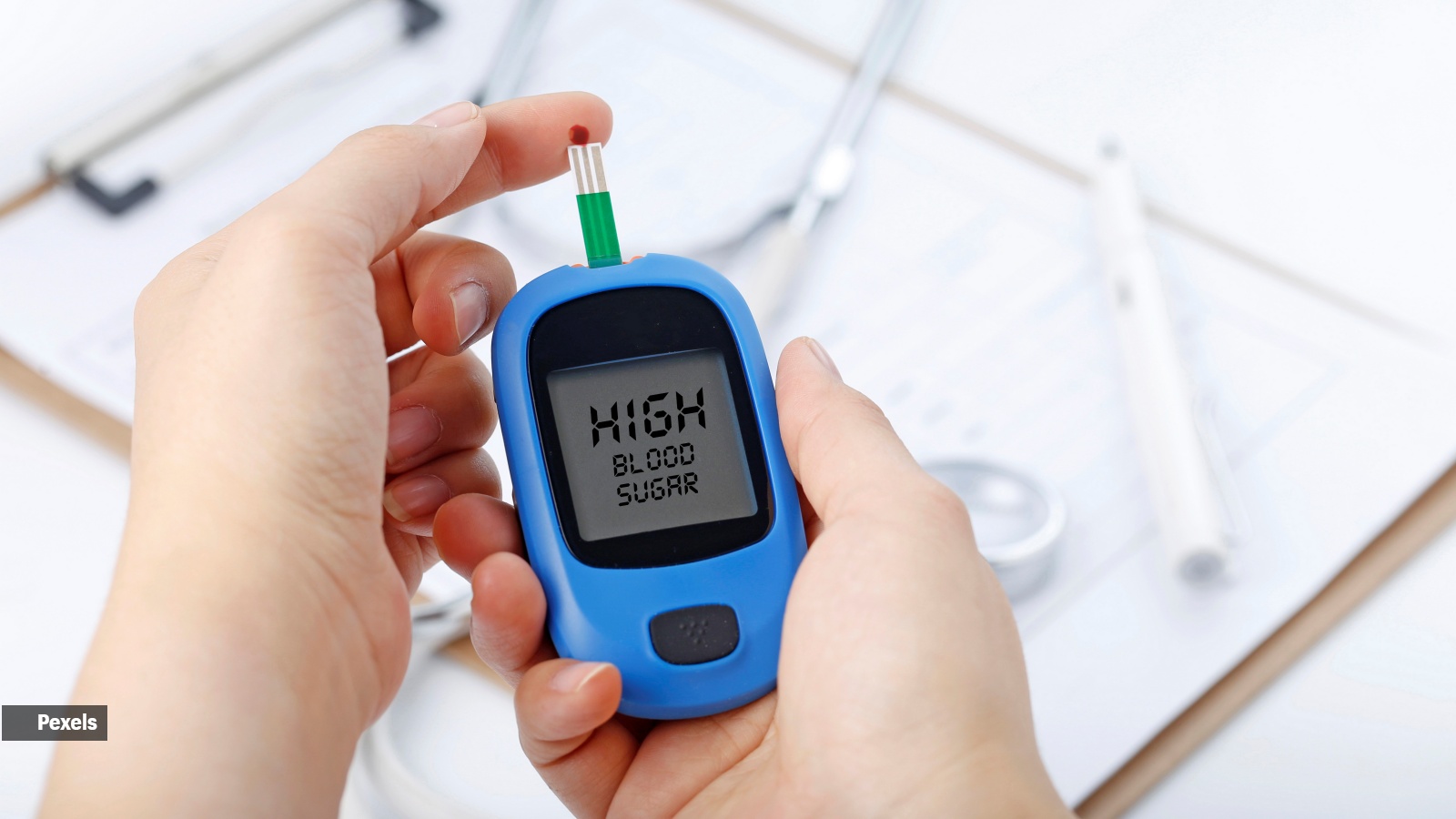
An HbA1c of 10.6% is a stark indicator of poorly controlled diabetes, translating to an average blood glucose level of approximately 258 mg/dL over a sustained period. This elevated glucose exposure poses significant risks to long-term health, potentially impacting vital organs and increasing the likelihood of serious complications. While medication forms the cornerstone of diabetes management, the question remains: what role can lifestyle modifications play, and are they sufficient on their own when HbA1c reaches such critical levels?
This in-depth analysis, drawing on expert insights from Dr. Rajiv Kovil, a Diabetes & Obesity Specialist at Zandra Healthcare, delves into the meaning of a 10.6% HbA1c, explores actionable strategies beyond medication, and addresses the concept of "natural" interventions in diabetes care. It emphasizes that a comprehensive approach, treating the individual holistically rather than just the number on a lab report, is paramount.
The Alarming Significance of an HbA1c of 10.6%
An HbA1c reading reflects the percentage of hemoglobin in red blood cells that is coated with sugar. This value provides a three-month average of blood glucose levels, offering a crucial snapshot of long-term glycemic control. An HbA1c of 10.6% falls into the severely elevated category, far exceeding the generally recommended target of below 7% for most individuals with diabetes.
"An HbA1c of 10.6% is significantly high and indicates poorly controlled diabetes," Dr. Kovil explains. "It corresponds roughly to an average glucose level of 258 mg/dL over the preceding two to three months." This sustained hyperglycemia can have detrimental effects on the body’s systems, contributing to damage in blood vessels, nerves, and organs over time.
However, it’s crucial to understand that HbA1c is just one piece of the diagnostic puzzle. While it quantifies glucose exposure, it doesn’t directly reveal the extent to which this high blood sugar has already impacted other organs. The duration of diabetes is another critical factor; the longer an individual has lived with the condition, the greater the cumulative risk of developing complications.
At this level, Dr. Kovil stresses the need for proactive intervention. "Treatment needs active reassessment, rather than simply waiting for the next HbA1c test," he advises. This reassessment involves a thorough evaluation of multiple factors contributing to the elevated readings. Doctors must scrutinize fasting and post-meal glucose levels, assess medication adherence, review dietary habits, evaluate weight and body composition, examine physical activity levels, and consider the impact of sleep patterns and other lifestyle elements that could be exacerbating high blood sugar.
Beyond the Pill: Synergistic Lifestyle Interventions
The desire to find "natural" ways to manage diabetes is understandable, especially when facing a challenging HbA1c. However, it’s vital to distinguish between evidence-based lifestyle changes and unproven remedies. The consensus among medical professionals is that lifestyle interventions and medication are not mutually exclusive but rather complementary partners in effective diabetes management.
"Medication and lifestyle are partners, not alternatives," Dr. Kovil emphasizes. This partnership approach is crucial when HbA1c levels are as high as 10.6%.
Dietary Strategies for Enhanced Glycemic Control:
The adage "you are what you eat" holds profound truth in diabetes management. For individuals with an HbA1c of 10.6%, a meticulous review of dietary habits is imperative.
- Timing and Composition of Meals: Paying close attention to when and what is consumed, particularly in the evening, can make a significant difference. An earlier, lighter dinner, minimizing late-night caloric intake, can support better metabolic regulation. Adequate and regular sleep also plays a vital role in hormonal balance and glucose metabolism.
- Building Balanced Plates: Meals should be constructed around nutrient-dense components. Prioritizing protein, non-starchy vegetables, and fiber forms the foundation of a diabetes-friendly diet. Conversely, reducing the intake of refined carbohydrates, sugary drinks, and highly processed foods is essential.
- The "Carb-Last" Approach: Dr. Kovil advocates for a strategic meal sequencing, termed the "carb-last" strategy. This involves consuming vegetables and fiber-rich foods, followed by protein, before introducing carbohydrates towards the end of the meal. This approach can help to moderate the post-meal blood sugar spike.
- Resistant Starch and Smart Carbohydrate Choices: Incorporating foods rich in resistant starch, such as appropriately cooled and reheated rice or potatoes, can modestly improve post-meal glucose responses. Choosing complex carbohydrates with a lower glycemic index over refined options is also a key strategy.
The Power of Regular Physical Activity:
Exercise is an indispensable component of a comprehensive diabetes management plan, and its benefits extend far beyond weight management.
- Combining Aerobic and Resistance Training: A well-rounded exercise regimen should ideally incorporate both aerobic activities (like brisk walking, swimming, or cycling) and resistance training (weightlifting or bodyweight exercises). This combination enhances cardiovascular fitness while simultaneously preserving and building muscle mass, which is crucial for glucose uptake.
- Post-Meal Walks for Immediate Impact: Even a short 10-15 minute walk after meals can have a tangible effect on blunting post-meal blood sugar spikes. This simple habit can contribute to better overall glycemic control throughout the day.
Weight Management and Holistic Well-being:
For individuals carrying excess weight, strategic weight loss can be a powerful lever in improving insulin sensitivity and glycemic control. Beyond weight, other lifestyle factors play a crucial role:
- Stress Management: Chronic stress can elevate blood glucose levels through the release of stress hormones. Implementing stress-reduction techniques, such as mindfulness, meditation, or yoga, can be beneficial.
- Consistent Sleep: Poor sleep quality or insufficient sleep disrupts hormonal balance and can negatively impact glucose metabolism. Prioritizing 7-9 hours of quality sleep per night is vital.
Demystifying "Natural" Diabetes Remedies
The term "natural" often conjures images of herbal remedies and supplements promising miraculous cures. However, in the context of diabetes management, "natural" should ideally refer to evidence-based lifestyle interventions.
"Yes – but ‘natural’ should mean evidence-based lifestyle changes, not replacing diabetes treatment with herbs or supplements," Dr. Kovil clarifies. The market is unfortunately rife with products making unsubstantiated claims about curing or significantly lowering diabetes.
The truly powerful "natural" interventions, as identified by Dr. Kovil, are deeply rooted in healthy living:

- Reducing Visceral Fat: This type of fat, stored around the abdominal organs, is particularly metabolically active and contributes significantly to insulin resistance.
- Improving Muscle Mass and Fitness: Increased muscle mass enhances the body’s ability to utilize glucose.
- Consuming Minimally Processed Foods: A diet centered on whole, unprocessed foods is rich in nutrients and fiber, supporting better glycemic control.
- Increasing Fiber Intake: Fiber slows down the absorption of sugar into the bloodstream.
- Choosing Quality Carbohydrates: Opting for whole grains, fruits, and vegetables over refined grains and sugary products.
- Ensuring Adequate Protein: Protein helps with satiety and can moderate blood sugar responses.
- Regular Exercise and Quality Sleep: As previously discussed, these are fundamental pillars of health.
While some dietary strategies, like incorporating resistant starch and practicing meal sequencing, can offer modest benefits, they are unlikely to be sufficient on their own to bring a severely elevated HbA1c like 10.6% into the target range.
"Medication should be reviewed and potentially intensified by the treating clinician," Dr. Kovil asserts. The idea that herbs, juices, or supplements can substitute for medically prescribed diabetes therapy is a dangerous misconception.
Beyond the Number: A Holistic Health Assessment
An HbA1c reading of 10.6% serves as a critical alarm bell, not just for blood sugar control but for a broader assessment of overall health. Diabetes is a complex, systemic condition that impacts multiple bodily systems.
"Diabetes is not merely a blood-sugar disease; it is a multisystem metabolic and vascular disorder," Dr. Kovil underscores. This perspective necessitates a comprehensive evaluation that extends beyond the HbA1c value.
Key areas for assessment include:
- Kidney Function: Evaluating kidney function through tests like the urine albumin-creatinine ratio is crucial, as diabetes can lead to diabetic nephropathy.
- Retinal Health: Regular eye examinations are essential to detect and manage diabetic retinopathy, a leading cause of blindness.
- Cardiovascular Health: Blood pressure and cholesterol (lipid profile) monitoring are vital for assessing cardiovascular risk, a significant concern for individuals with diabetes.
- Liver Health: Assessing liver function and screening for non-alcoholic fatty liver disease (NAFLD) is important, as diabetes and metabolic dysfunction are closely linked to liver health.
- Body Composition: Beyond just weight, assessing body composition – the ratio of fat to lean muscle mass – provides valuable insights into metabolic health. Waist circumference is also a key indicator of visceral fat accumulation.
- Foot Health: Regular foot examinations are critical to detect early signs of neuropathy (nerve damage) and poor circulation, which can lead to serious complications like ulcers and amputations.
- Cardiovascular Risk Assessment: A thorough evaluation of cardiovascular risk factors, including a cardiac evaluation when clinically indicated, is paramount.
The ultimate goal of managing diabetes, especially with an elevated HbA1c, is not solely to achieve a specific number but to mitigate the long-term risks of complications affecting the heart, kidneys, eyes, nerves, liver, and feet. It’s about enhancing overall fitness, improving sleep quality, and ultimately, elevating the quality of life.
As Dr. Kovil eloquently puts it, "Treat the person with diabetes, not merely the HbA1c." This patient-centered approach, integrating medical expertise with empowered lifestyle choices, is the most effective pathway to navigating the challenges of a high HbA1c and fostering long-term well-being.
Disclaimer: This article is based on information from the public domain and expert insights. It is intended for informational purposes only and does not constitute medical advice. Always consult with your qualified healthcare practitioner before making any decisions related to your health or treatment.
