

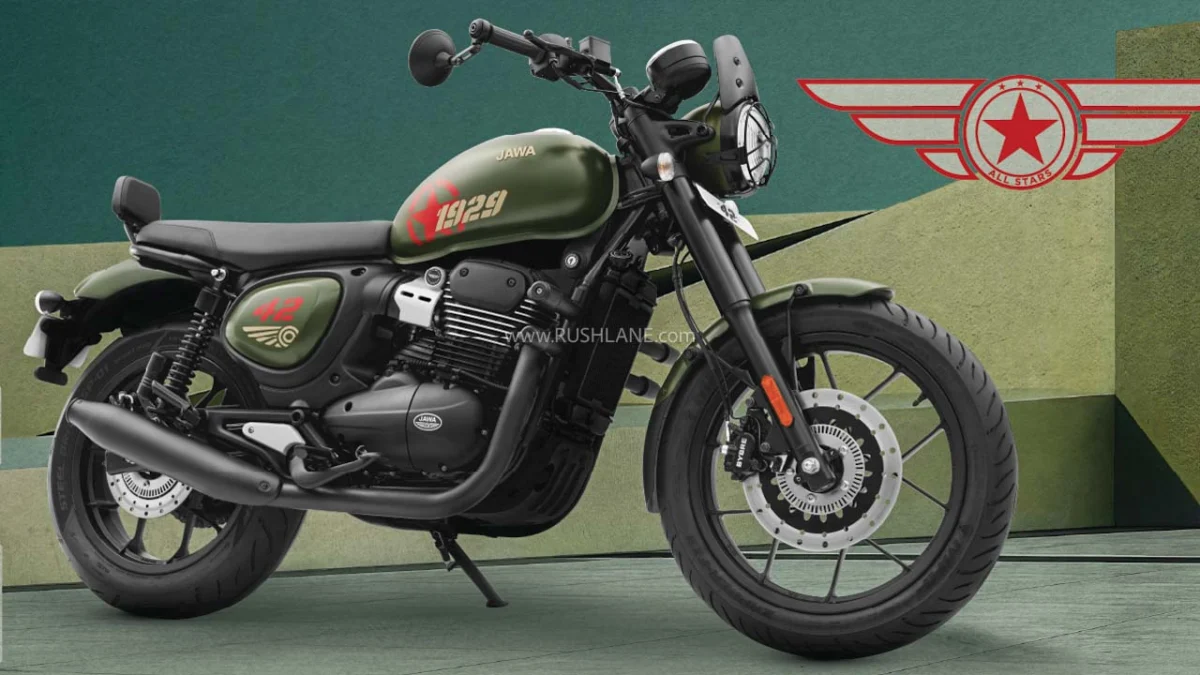
In a strategic move to solidify its presence in the highly competitive mid-capacity modern-classic motorcycle segment, Classic Legends has officially launched the Jawa 42 All Stars. This launch marks the final chapter of the brand’s "All Stars" campaign, following the recent introductions of the Jawa 42 FJ (dubbed the "First Strike") and the Jawa 42 Bobber ("Second Strike"). With a starting price of Rs 1.85 lakh (ex-showroom), the new Jawa 42 All Stars arrives with significant mechanical refinements, aesthetic overhauls, and a mission to challenge the long-standing dominance of rivals like Royal Enfield and Honda.
Main Facts: Pricing, Variants, and Immediate Availability
The Jawa 42 All Stars is positioned as a premium yet accessible offering within the brand’s updated portfolio. Classic Legends has structured the pricing to reflect the exclusivity of the new color palettes and the extensive list of upgrades integrated into this version.
Pricing Structure
The pricing for the Jawa 42 All Stars is tiered based on the chosen color scheme, reflecting the manufacturing complexity and premium finish of certain shades:
- Base All Stars Range: Starts at Rs 1.85 lakh (ex-showroom).
- Premium All Stars Black: Positioned as the flagship color, priced at Rs 1.9 lakh (ex-showroom).
- Standard Jawa 42: For those seeking a more traditional look, the non-All Stars version remains available in Black and Ivory at a lower entry point of Rs 1.8 lakh (ex-showroom).
Color Palette
The All Stars edition introduces five distinct, heritage-inspired yet modern colors:

- All Stars Ivory
- All Stars Moss Grey
- All Stars Battle Green
- All Stars Nebula Blue
- All Stars Black
Key Specifications at a Glance
- Engine: 294cc "J-Panther" single-cylinder, liquid-cooled, DOHC.
- Transmission: 6-speed constant mesh.
- Safety: Dual-channel ABS as standard.
- Chassis: Revised frame with a 150-section rear tire.
- Weight: 175 kg (Kerb).
- Fuel Capacity: 13.2 Liters.
Classic Legends has confirmed that bookings are now open across all authorized dealerships. In a bid to capitalize on the high-demand period of the Indian festive season, deliveries are scheduled to commence on September 14th.
Chronology: The Road to the All Stars Trilogy
The launch of the Jawa 42 All Stars is not an isolated event but the culmination of a broader product offensive designed to revitalize the brand’s image in India.
2018: The Rebirth
Classic Legends, backed by the Mahindra Group, resurrected the Jawa brand in late 2018. The Jawa 42 was the "edgier" sibling to the traditional Jawa Classic, aimed at a younger demographic that appreciated retro aesthetics but demanded modern performance.
2021–2023: Incremental Refinement
Over the years, the Jawa 42 underwent several updates, including the introduction of the "Version 2.1," which brought alloy wheels and a more refined engine. However, the market became increasingly crowded with the arrival of the Royal Enfield Hunter 350 and the Honda CB350RS.

Late 2024: The "All Stars" Offensive
Recognizing the need for a more aggressive stance, Classic Legends initiated the All Stars series:
- The First Strike (Jawa 42 FJ): Launched to showcase a more muscular, neo-retro design language with a larger engine displacement option.
- The Second Strike (Jawa 42 Bobber): Targeted the niche lifestyle segment with a factory-custom bobber look.
- The Final Chapter (Jawa 42 All Stars): Today’s launch completes the circle, bringing the most comprehensive set of upgrades to the core "42" platform to ensure it remains the volume driver for the company.
Supporting Data: Engineering and Design Enhancements
Classic Legends claims that the Jawa 42 All Stars features over 60 enhancements compared to its predecessor. These changes are not merely cosmetic; they address rider feedback regarding engine NVH (Noise, Vibration, and Harshness) levels, heat management, and road presence.
The J-Panther Powerplant
At the heart of the All Stars 42 lies the "J-Panther" engine. This 294cc unit is a marvel of modern engineering within a retro shell. Unlike many of its air-cooled competitors, the Jawa utilizes a liquid-cooling system and a Double Over Head Camshaft (DOHC) 4-valve head. This allows for better high-end performance and sustained cruising speeds without the engine feeling strained. The 6-speed gearbox provides an extra overdrive gear compared to the 5-speed units found in most classic rivals, aiding in fuel efficiency and smoother highway riding.
Aesthetics and Stance
The "bolder, sportier, and more muscular" description provided by the company is backed by tangible hardware changes:

- Rear Section Overhaul: The motorcycle features a wider rear fender that accommodates a new 150-section rear tire. This not only improves the "big bike" look from the rear but also increases the contact patch for better grip and stability.
- Upswept Exhausts: The dual exhaust pipes, a signature Jawa trait, have been redesigned with a more pronounced upswept angle. This improves ground clearance and gives the bike a more aggressive profile.
- Alloy Wheels and Tubeless Tires: Moving away from the high-maintenance spoke wheels of the past, the All Stars comes standard with alloy wheels. This allows for the use of tubeless tires, a critical feature for touring riders who want to avoid the ordeal of tube repairs on the road.
Ergonomics and Weight
Maintaining a kerb weight of 175 kg makes the Jawa 42 one of the lightest motorcycles in its class. When paired with the 18-inch front wheel, the bike promises nimble handling in city traffic—a key selling point for the urban "All Star" rider.
Official Responses: The Philosophy of the Modern Classic
The launch was accompanied by a statement from Anupam Thareja, Co-founder of Classic Legends, who shed light on the brand’s vision for the Jawa community and the rationale behind the new model.
"The most interesting communities are built by people who share a way of conducting themselves even when there is no audience," Thareja remarked. "That is what we have come to understand about the Jawa rider. The codes of character, conduct, and courage we see in places as different as defense and sports."
Thareja emphasized that the Jawa 42 was a pioneer in India’s modern classic category and that the All Stars edition is a natural evolution rather than a departure. "The All Stars 42 carries that same instinct forward, not by abandoning what made the Jawa 42, but by asking what it should mean to the rider of today."

This official stance suggests that Classic Legends is moving away from purely selling "nostalgia" and is instead focusing on "character" and "modernity," aiming to capture riders who want a bike that reflects their personal identity and values.
Implications: A Shift in the Mid-Capacity Landscape
The introduction of the Jawa 42 All Stars has several far-reaching implications for the Indian motorcycle market and the competitive dynamics of the 300cc–400cc segment.
1. Direct Challenge to the Royal Enfield Hunter 350
The Hunter 350 has been a runaway success for Royal Enfield, primarily due to its accessible pricing and nimble handling. With the Jawa 42 All Stars starting at Rs 1.85 lakh, Classic Legends is positioning itself directly in the Hunter’s crosshairs. The Jawa offers a more sophisticated engine (liquid-cooled vs. air-cooled) and a 6-speed gearbox, which could entice tech-savvy buyers who find the RE platform too "old-school."
2. The Premiumization of the "Commuter-Classic"
By offering over 60 enhancements and premium color ways, Jawa is signaling a shift toward premiumization. Riders are no longer satisfied with just a "retro look"; they demand modern features like dual-channel ABS, tubeless tires, and refined engines. This launch forces other manufacturers to either upgrade their existing lineups or risk losing market share to more modern "classics."

3. Festive Season Dynamics
The timing of the launch—with deliveries starting in mid-September—is calculated to ride the wave of festive spending in India. The period between Ganesh Chaturthi and Diwali typically accounts for a significant portion of annual automotive sales. By refreshing its core model just before this window, Classic Legends is maximizing its chances for a high-volume quarter.
4. Brand Consolidation
The completion of the "All Stars" trilogy helps Classic Legends streamline its marketing message. By categorizing the FJ, the Bobber, and the 42 under one umbrella, the company creates a cohesive brand story that is easier for consumers to navigate. It presents Jawa not just as a single bike manufacturer, but as a lifestyle brand offering diverse formats (Street, Bobber, and Classic) for different types of riders.
5. Reliability and Service: The Final Frontier
While the product upgrades are impressive on paper, the long-term implication for Jawa’s success will depend on its service network and perceived reliability. The "60+ enhancements" are a clear attempt to address past criticisms regarding build quality. If these improvements translate to a hassle-free ownership experience, the Jawa 42 All Stars could very well become the definitive choice for the modern Indian motorcyclist who values both heritage and high-tech performance.
In conclusion, the Jawa 42 All Stars is more than just a new coat of paint. It is a comprehensive mechanical and aesthetic refinement of a motorcycle that helped define a segment. As it hits the showrooms this September, it carries the weight of a brand’s legacy and the ambition of its future.
