

VISAKHAPATNAM — As the monsoon clouds begin to retreat and the vibrant spirit of harvest takes over, the coastal city of Visakhapatnam is gearing up to transform into a "Mini-Kerala." This year’s Onam festivities, marking the homecoming of the legendary King Mahabali, are set to be a grand affair, blending centuries-old traditions with the cosmopolitan hospitality of Andhra Pradesh’s executive capital.
From the aromatic kitchens of five-star luxury hotels to the community-driven halls of cultural associations, the city is preparing a multi-sensory experience. Residents and the significant Malayali diaspora in Visakhapatnam are looking forward to a series of events characterized by the intricate Pookkalam (floral carpets), the graceful Thiruvathira dance, and, most importantly, the Onam Sadya—the grand vegetarian feast that serves as the centerpiece of the celebrations.
Main Facts: A City-Wide Gastronomic and Cultural Extravaganza
The 2026 Onam season in Visakhapatnam is defined by four major hubs of celebration, each offering a unique perspective on the festival. The festivities are primarily concentrated around August 26, coinciding with the peak of the harvest festival, with a secondary community-led celebration scheduled for early September.
The Culinary Highlights
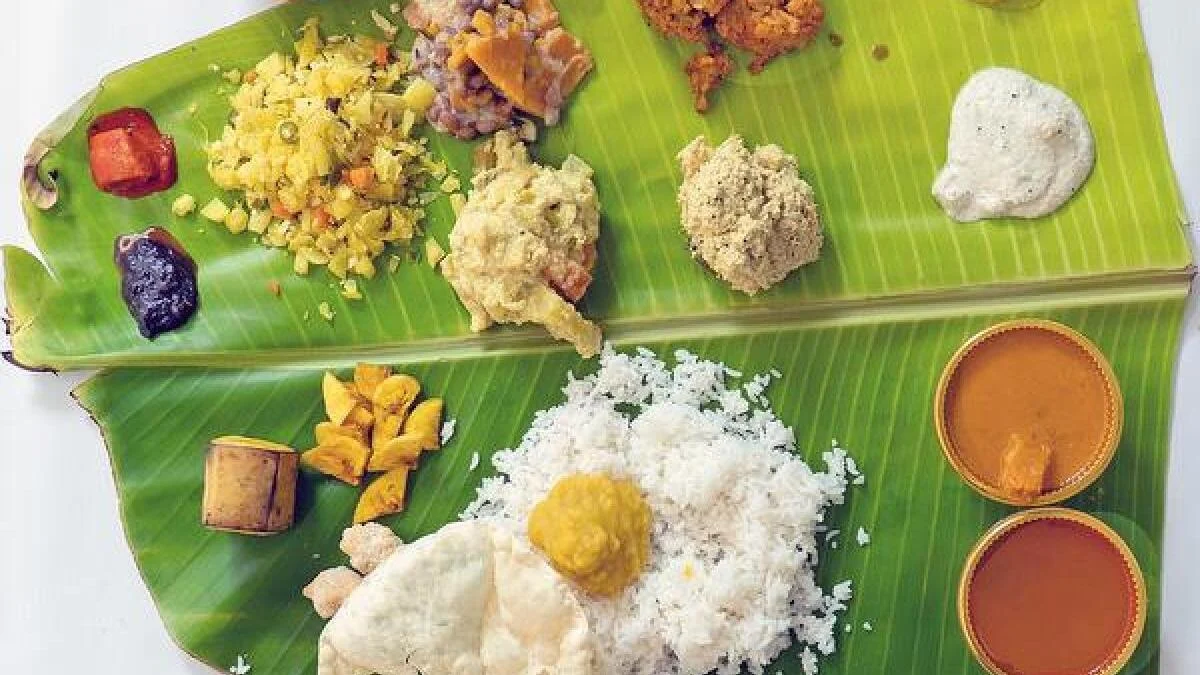
At the heart of the celebration is the Onam Sadya, a traditional banquet served on a banana leaf. This year, the city sees a competitive and diverse offering:
- Novotel Visakhapatnam Varun Beach is positioning itself as the epicenter of authenticity by flying in Chef Rima Kalarikkal Raju from Kerala to curate a specialized menu.
- Four Points by Sheraton is focusing on a high-volume, inclusive buffet approach, offering both lunch and dinner options to accommodate the city’s working professionals.
- Mushu’s Food Wagon provides an intimate, boutique experience, focusing on limited-seating "slots" to ensure the quality of every Inchi Puli and Avial served.
The Cultural Pulse
While the hotels focus on the palate, the Kerala Kala Samithi remains the guardian of the festival’s soul. Their event, scheduled for September 6, moves beyond the plate to include competitive floral arrangements and traditional performing arts, ensuring that the younger generation of Malayalis living in Vizag remains connected to their roots.
Chronology: A Timeline of the Festivities
The Onam calendar in Visakhapatnam is strategically spread out to allow enthusiasts to partake in multiple celebrations.
August 26, 2026: The Peak of the Harvest
The majority of the city’s commercial celebrations are concentrated on this day, which aligns with the auspicious timing of Thiruvonam.
- 12:00 PM – 3:30 PM (Novotel Varun Beach): The "Nautica" venue hosts a premium lunch session. This window is designed for families seeking a traditional sit-down experience overlooking the Bay of Bengal.
- 12:00 PM – 1:45 PM (Mushu’s Food Wagon): A tightly managed schedule with two specific 45-minute slots (12:00 PM and 1:00 PM). This staggered timing is a logistical response to the high demand for authentic, home-style Sadya in a more casual setting.
- Lunch & Dinner (Four Points by Sheraton): Unlike other venues that focus solely on the afternoon feast, Sheraton extends the celebration into the evening, offering a dinner buffet for those unable to join during work hours.
September 6, 2026: The Community Grand Finale
Recognizing that many families celebrate privately on the actual day of Onam, the Kerala Kala Samithi has scheduled their public celebration for September 6.

- 10:00 AM onwards: The day begins at the Kala Keralam Auditorium with the Pookkalam (floral rangoli) competition.
- Midday: The serving of the traditional Sadya to hundreds of members and guests.
- Afternoon: Cultural performances including Thiruvathira (a traditional dance performed by women) and a musical show to conclude the festivities.
Supporting Data: Anatomy of the Onam Sadya
To understand the scale of these celebrations, one must look at the complexity of the Onam Sadya. A traditional Sadya can consist of anywhere from 24 to 30 individual dishes, each with a specific placement on the banana leaf.
The Essential Components
The menus being prepared across Visakhapatnam venues typically include:
- Parippu: A thick lentil dish served with ghee.
- Sambar: A vegetable stew cooked in a tamarind and lentil base.
- Avial: A thick mixture of vegetables and coconut, seasoned with coconut oil and curry leaves.
- Olan: A subtle dish of ash gourd and black-eyed peas in coconut milk.
- Thoran: Finely chopped vegetables sautéed with grated coconut.
- Kalan: A yogurt-based curry with plantains or yams.
- Inchi Puli: A dark brown ginger and tamarind ginger pickle—often called the "king of the Sadya" for its digestive properties.
- Payasam: The dessert, usually of two varieties—Palada Prathaman (milk-based) and a jaggery-based version.
Pricing and Accessibility
The economic data for this year’s Onam shows a range of price points catering to different demographics:
- Budget-Friendly/Boutique: Mushu’s Food Wagon offers the feast at ₹999 (Dine-in) and ₹1,149 (Parcel), targeting small families and students.
- Mid-Range Luxury: Four Points by Sheraton prices its lunch at ₹1,399 and dinner at ₹1,599 (plus taxes), appealing to corporate groups and hotel guests.
- Premium Experience: Novotel Varun Beach utilizes a guest chef model, where the pricing reflects the artisanal nature of the curated spread.
Official Responses: Organizers and Experts Speak
The preparation for Onam in a city outside of Kerala requires meticulous planning. Organizers have highlighted the logistical efforts involved in maintaining authenticity.
Chef Rima Kalarikkal Raju, curator for Novotel, emphasized the importance of ingredient sourcing. "An authentic Sadya cannot be replicated without the right coconut oil and the specific variety of Matta rice found in Kerala. We are ensuring that every spice blend is prepared traditionally to give the people of Vizag a true taste of my home state," she stated.
A representative from the Kerala Kala Samithi remarked on the cultural significance of the September 6 event: "Onam is a time of equality and prosperity. Our Samithi has been the bridge between Kerala and Visakhapatnam for decades. By organizing the Pookkalam competition and the Thiruvathira, we aren’t just serving food; we are preserving a heritage for the Malayali children born and raised in Andhra Pradesh."
Management at Mushu’s Food Wagon noted the overwhelming demand: "By limiting our slots to 20 people each, we ensure that the Sadya is served fresh and with the personal touch it deserves. The response from the Vizag crowd—not just the Malayali community, but locals as well—has been phenomenal."
Implications: Cultural Integration and Economic Impact
The growing scale of Onam celebrations in Visakhapatnam carries several broader implications for the city’s social and economic fabric.

1. Cultural Fusion and Cosmopolitanism
Visakhapatnam’s embrace of Onam is a testament to its evolving cosmopolitan nature. The festival has transcended linguistic barriers, with many non-Malayali residents participating in the feasts. This "soft power" of Kerala’s culture helps foster a sense of unity and shared identity within the city.
2. The "Festival Economy"
The hospitality sector in Vizag sees a significant seasonal boost during Onam. Hotels and local vendors report a surge in the procurement of flowers (mostly marigolds and jasmine from neighboring districts), vegetables, and specialized dairy products. The "parcel" or takeaway model, as seen with Mushu’s Food Wagon, also highlights a growing market for festive home-delivery services.
3. Culinary Tourism
By bringing in specialized chefs like Rima Kalarikkal Raju, hotels are tapping into "culinary tourism." Residents who cannot travel to Kerala during the holidays are willing to pay a premium for an authentic experience locally. This trend encourages hotels to diversify their offerings beyond the standard buffet, leading to a richer food culture in the city.
4. Preservation of Folk Arts
The inclusion of Thiruvathira and traditional music by the Kerala Kala Samithi ensures that folk arts remain viable. These performances provide a platform for local artists and keep the aesthetic traditions of the South alive in an increasingly digital world.
Conclusion
As August 26 approaches, the air in Visakhapatnam is thick with the anticipation of festive cheer. Whether it is the rhythmic claps of the Thiruvathira dancers at the Kala Keralam Auditorium or the steam rising from a fresh pot of Palada Payasam at the beachside hotels, Onam 2026 promises to be a landmark celebration. It stands as a vibrant reminder that while geography may separate regions, the universal values of gratitude, harvest, and community—served on a humble banana leaf—can bring an entire city together.
For those looking to join the festivities, early reservations are highly recommended as slots are filling up rapidly across all major venues.
