

In the volatile landscape of the Indian automotive market, the midsize sedan segment has recently undergone a dramatic transformation. For the better part of the last three years, the narrative has been dominated by the "German twins"—the Volkswagen Virtus and the Skoda Slavia. These vehicles, with their punchy turbocharged engines and rigid European driving dynamics, successfully captured the imagination of driving enthusiasts, momentarily pushing the long-standing segment leader, the Honda City, into the periphery of the conversation.
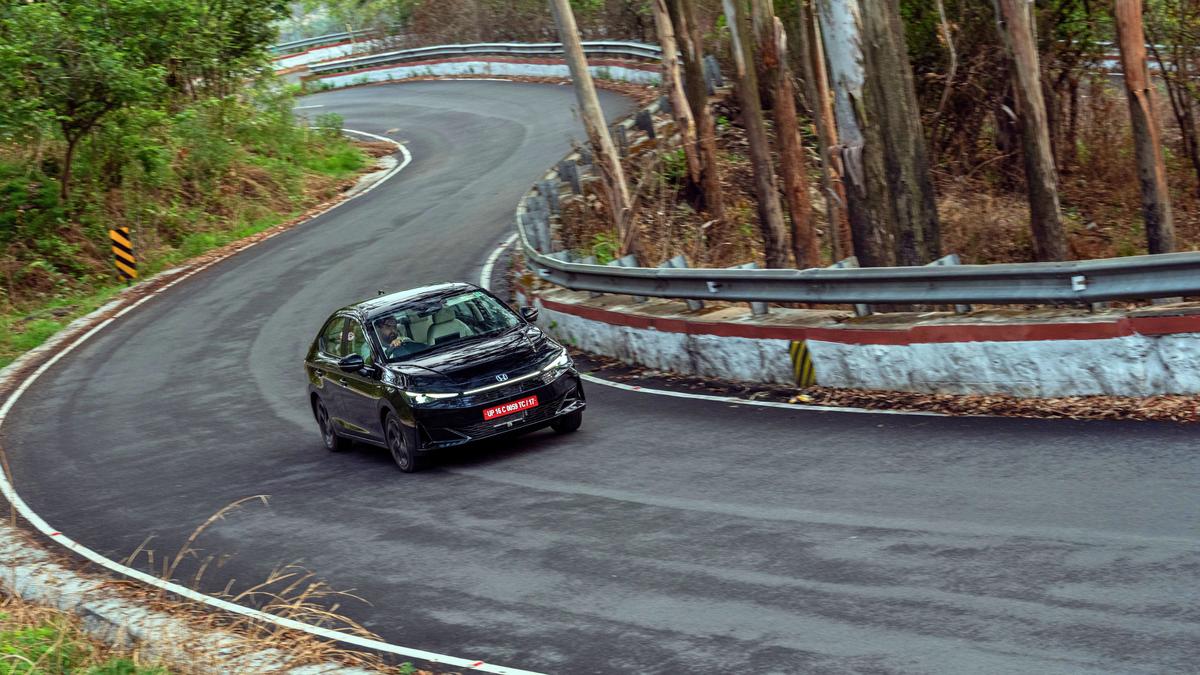
However, the 2026 Honda City has arrived not with a roar of aggressive styling, but with the quiet confidence of a veteran athlete who has spent time in the gym. With a refreshed aesthetic, a significantly bolstered feature list, and a sophisticated strong-hybrid powertrain, Honda’s iconic nameplate is making a definitive play to reclaim its throne. After an extensive test drive through the diverse terrain of Bengaluru’s outskirts—stretching from high-speed expressways to the sinuous, demanding climbs of Nandi Hills—it is evident that the City is no longer just a "default" choice; it is once again a benchmark.
Main Facts: The Evolution of an Icon
The 2026 Honda City enters the market with a pricing strategy ranging from INR 11.99 lakh to 20 lakh (ex-showroom). While the base variants continue to offer the reliable 1.5-litre i-VTEC petrol engine, the spotlight is firmly fixed on the e:HEV strong-hybrid variant.
Technical Specifications and Performance
The centerpiece of the 2026 update is the self-charging hybrid system. It pairs a 1.5-litre Atkinson-cycle i-VTEC petrol engine with two electric motors and a high-voltage lithium-ion battery pack.
- Combined Power Output: 126 PS
- Maximum Torque: 253 Nm (available instantly via the electric motor)
- Transmission: e-CVT (Electronically controlled Continuously Variable Transmission)
- Acceleration: 0-100 km/h in approximately 7.9 seconds
- Fuel Efficiency: An ARAI-certified figure that translates to a remarkable real-world return of 23.5 km/l under mixed driving conditions.
Dimensions and Presence
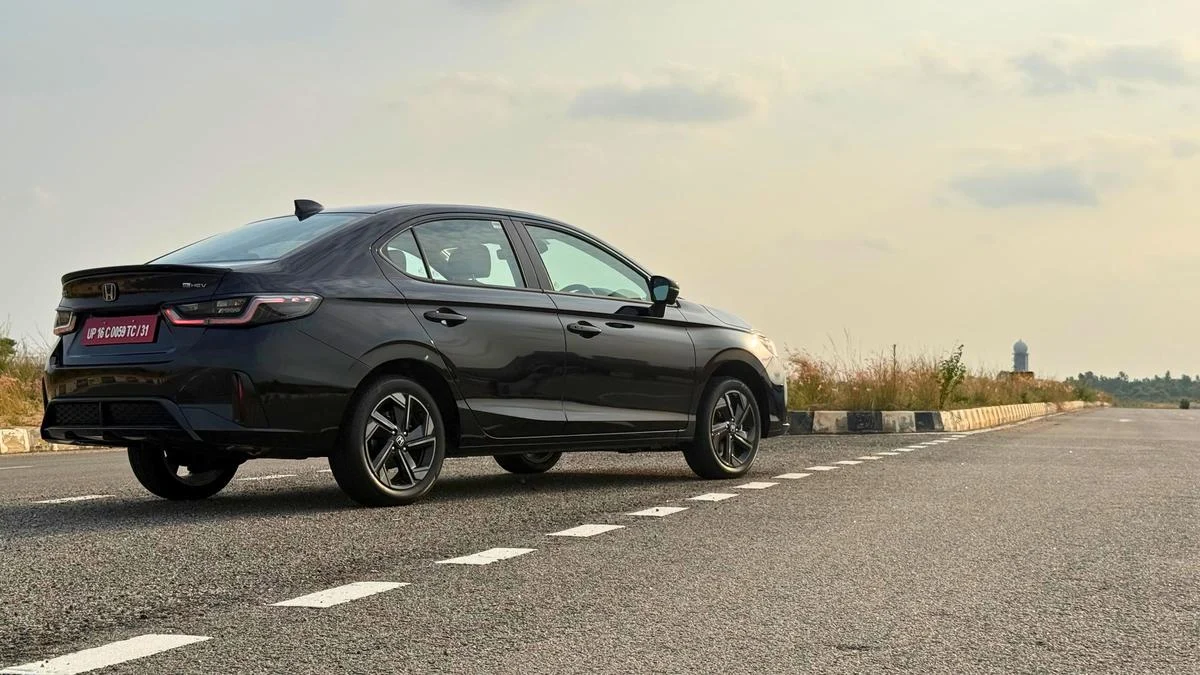
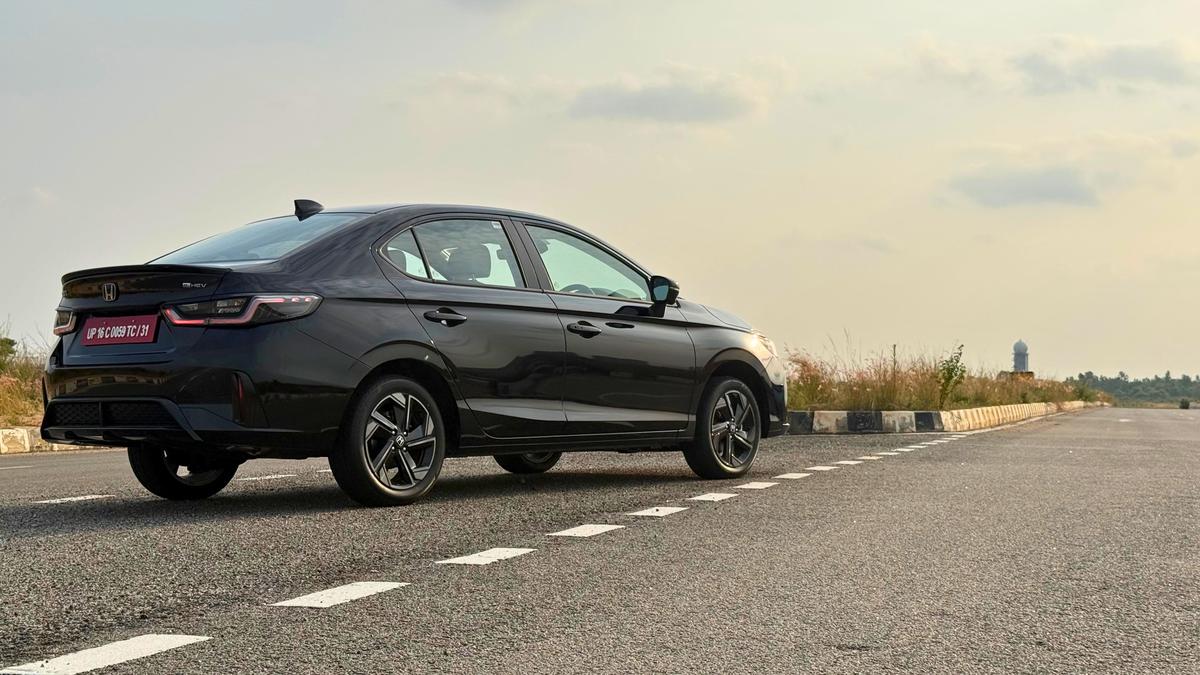
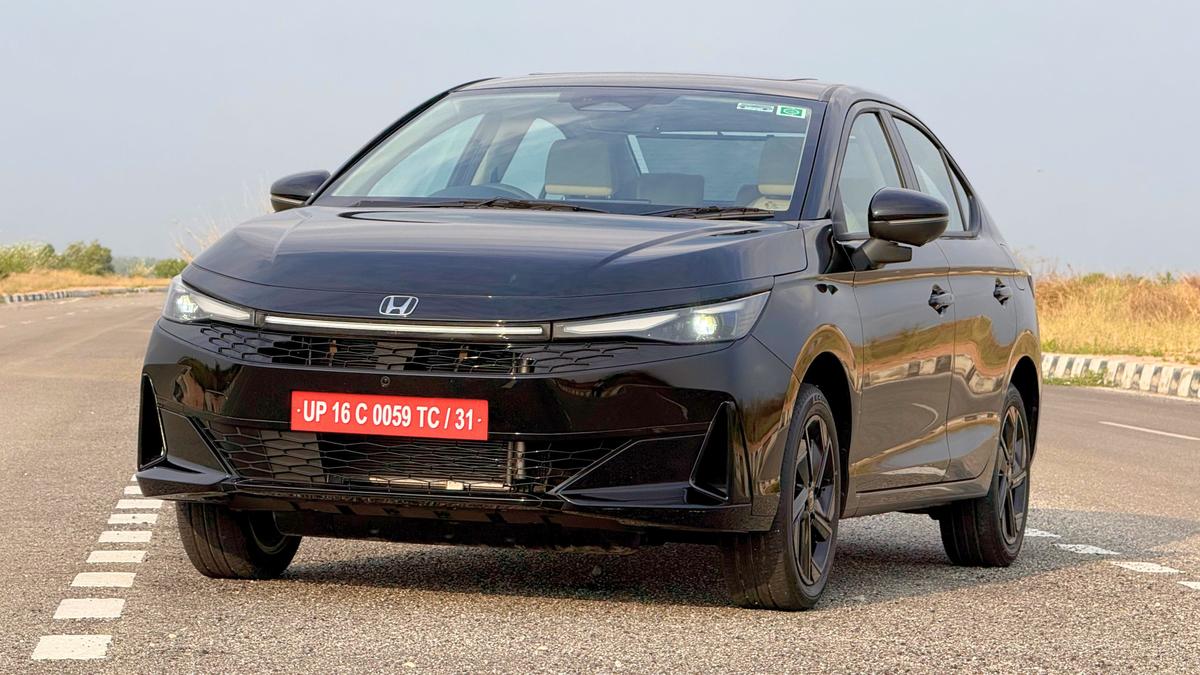
At 4,594 mm in length, the City remains one of the most substantial vehicles in its class. Honda has opted for a "sophisticated evolution" rather than a "radical revolution" in design. The 2026 model introduces slimmer "Blade-Eye" LED headlamps, a redesigned front grille with a cleaner mesh pattern, and a connected light bar at the rear. New alloy wheel designs provide a contemporary touch, ensuring the car appeals to a younger demographic without alienating its traditional, mature buyer base.
Chronology: The Road to the 2026 Refresh
The journey of the Honda City in India spans over 25 years, across five generations. Each iteration has defined the "executive sedan" experience for Indian families.
- The Early 2020s: As the fifth-generation City settled into the market, the global shift toward electrification began to influence Honda’s regional strategy.
- 2022-2023: The introduction of the e:HEV (Hybrid) variant marked Honda’s first major step toward mass-market electrification in India, though it remained a niche, high-priced offering.
- 2024-2025: Competitors like the Volkswagen Virtus and Skoda Slavia gained significant ground, capitalizing on the "enthusiast" market with 1.5 TSI engines. Meanwhile, the Hyundai Verna introduced a futuristic, albeit polarizing, design language.
- 2026 Launch: Honda responds by democratizing the hybrid technology and refining the City’s luxury credentials. The 2026 model represents the culmination of these efforts, blending the traditional strengths of the City—space and comfort—with futuristic efficiency and modern safety tech.
Supporting Data: Comfort, Tech, and Safety
The interior of the 2026 Honda City remains its strongest USP (Unique Selling Proposition). In a segment where some rivals have prioritized dashboard "bling" over ergonomics, Honda has doubled down on cabin usability and passenger well-being.
The "Man Maximum, Machine Minimum" Philosophy
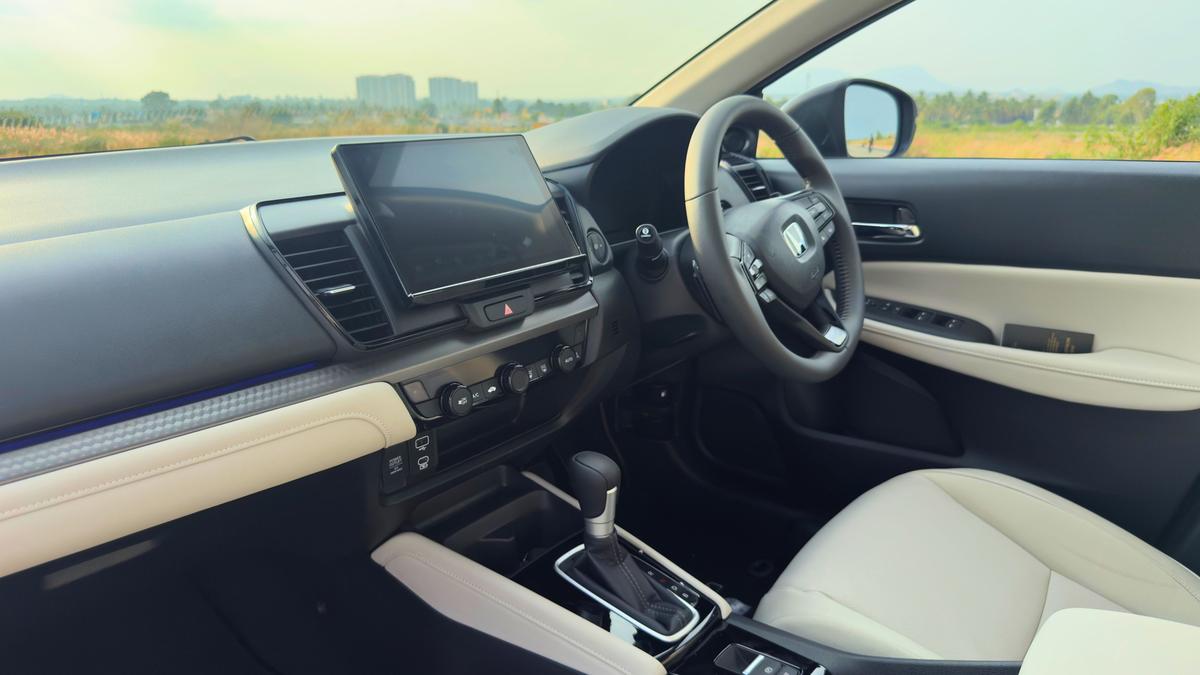
The cabin continues to utilize an ivory-and-black color scheme, which significantly enhances the sense of airiness. The legroom for rear passengers remains the best in class, rivaling entry-level luxury sedans from brands like BMW or Audi.
Key Interior Features include:
- Connectivity: A larger 8-inch touchscreen infotainment system now supports wireless Apple CarPlay and Android Auto.
- Convenience: The inclusion of ventilated front seats, a wireless charging pad, and USB-C charging ports addresses the needs of the modern, tech-savvy user.
- Utility: The petrol variants boast a massive 506-litre boot. While the hybrid version loses some space to accommodate the battery pack, it remains sufficiently practical for family weekend trips.
Safety: The Honda Sensing Suite
Safety is no longer an optional extra for Honda. The 2026 City comes standard with six airbags. More impressively, the Honda Sensing ADAS (Advanced Driver Assistance Systems) suite has been refined. This includes:
- Adaptive Cruise Control (ACC) with Low-Speed Follow: Allowing the car to maintain distance even in stop-and-go traffic.
- Lane Keep Assist System (LKAS): Gently steering the car back if it drifts out of its lane.
- Collision Mitigation Braking System (CMBS): Automatically applying brakes if a frontal collision is imminent.
- Auto High Beam: Automatically toggling between high and low beams based on oncoming traffic.
Official Strategy: Refinement Over Reinvention
While Honda officials have remained tight-lipped about specific future sales targets, the company’s strategy with the 2026 City is clear: Product Maturity.
Honda’s approach with this update reflects a belief that the midsize sedan buyer is looking for a "complete" car rather than a specialized one. While the Virtus and Slavia are marketed toward the "driving enthusiast," Honda is positioning the City as the "intelligent enthusiast’s" choice. By focusing on the Atkinson-cycle engine and the e:HEV system, Honda is signaling that it views hybrid technology—not just pure EVs or high-displacement turbos—as the most viable solution for the current Indian infrastructure and fuel price climate.
The refinement of the NVH (Noise, Vibration, and Harshness) levels is a testament to this official focus. During the climb to Nandi Hills, the transition between electric power and the internal combustion engine was nearly imperceptible, a feat of engineering that requires significant investment in software calibration and sound dampening.
Implications: The Future of the Midsize Sedan
The arrival of the 2026 Honda City has significant implications for the Indian automotive industry and the consumer.
1. The Hybrid vs. Turbo Debate
The City Hybrid’s ability to deliver 23.5 km/l while still clocking a sub-8-second 0-100 km/h time poses a challenge to the "Turbo-only" philosophy. It proves that efficiency does not have to come at the cost of performance. As fuel prices remain high, the total cost of ownership (TCO) for the City Hybrid becomes much more attractive than its turbocharged rivals, despite a potentially higher initial purchase price.
2. The Resurgence of the Sedan
In an era where SUVs (Compact and Midsize) dominate nearly 50% of the market, the 2026 Honda City makes a compelling case for the sedan body style. Its superior ride quality—which absorbs road imperfections with more composure than many high-riding SUVs—reminds buyers that a lower center of gravity and a well-tuned suspension still offer the best travel experience for families.
3. Technological Democratization
By making the Honda Sensing suite more accessible across variants, Honda is forcing other manufacturers to standardize ADAS features. This "safety arms race" is a net positive for the Indian consumer, leading to safer roads and higher manufacturing standards across the board.
4. Market Positioning
The 2026 City finds itself in a unique "sweet spot." It is more sophisticated and spacious than the Hyundai Verna, and more fuel-efficient and comfortable than the Volkswagen Virtus. While it may not be the "loudest" car in the segment in terms of marketing or exhaust notes, its balance of attributes makes it the most "rational" premium purchase available.
Conclusion
The 2026 Honda City is a reminder that longevity in the automotive world is earned, not given. By refusing to chase fleeting design trends and instead focusing on the core pillars of the sedan experience—ride quality, space, and innovative efficiency—Honda has produced a vehicle that feels both timeless and futuristic.
The Virtus and Slavia will undoubtedly continue to hold the hearts of those who seek raw, mechanical engagement. However, for the buyer who wants a car that understands the complexities of modern Indian driving—the need for effortless power on the highway and incredible frugality in the city—the 2026 Honda City stands alone. It is, quite possibly, the smartest car in its class.
This report was produced by Motorscribes, in association with The Hindu. For more updates on the automotive sector, follow Motorscribes on Instagram.
