

Mumbai, September 15, 2026, 10:19 AM IST – In the relentless pursuit of sporting excellence, India’s rowing contingent stands on the cusp of a new era. Far from the glamour of more celebrated sports, the nation’s oarsmen have consistently carved out a niche, bringing home a quiet but steady stream of medals from prestigious international events, most notably the Asian Games. This success, often forged through sheer physical endurance and an unyielding spirit, is now being supercharged by a sophisticated blend of geographical advantage, cutting-edge technology, and meticulous psychological preparation. As the next major international challenge looms, the story of Indian rowing is not just one of muscle and sweat, but of strategic innovation designed to turn battle scars into golden triumphs.
Main Facts: The Geographic Anomaly and Its Athletic Yield
At the heart of India’s remarkable prowess in men’s rowing lies an intriguing geographical phenomenon. A distinct "wonder-belt" stretching across the 27th to 29th North latitudes of the country consistently produces the lion’s share of India’s top-medalling male rowers. Towns like Mansa in Punjab, Sikar and Churu in Rajasthan, Roorkee in Uttarakhand, and Bulandshahr and Bareilly in Uttar Pradesh are not just points on a map; they are fertile grounds for athletic talent, particularly suited for the demanding sport of rowing.
This observation is no mere coincidence. Historically, this region, predominantly an agrarian belt, has been a rich source of recruits for the Indian armed forces, particularly the Army and Navy. Military recruiters, with their keen eye for physical aptitude, have long identified young men from these areas possessing strong, durable frames – bodies hardened by generations of agricultural labour and a lifestyle that naturally fosters resilience. These individuals, initially scouted for military service, often find their way into the structured and disciplined environment of army or navy sports programs, where their latent potential for rowing is recognized and rigorously trained. The inherent strength, stamina, and mental toughness cultivated through their upbringing provide an unparalleled foundation for the arduous demands of wielding an oar for hours on end.
However, even with such a robust physical base, the sport of rowing has traditionally been synonymous with a brutal physical toll. Ask any seasoned rower, and they will recount tales of their first calluses, the dried, near-bleeding blisters that were an inevitable badge of honour. These "battle scars" were worn with pride, a testament to the immense pain endured in the pursuit of speed and synchronization. Despite the quiet nature of its medals, often overshadowed by more popular sports, rowing has consistently contributed to India’s tally, making its unsung heroes vital contributors to the nation’s sporting narrative. The upcoming Asian Games, where India aims for gold, particularly in men’s Lightweight Doubles Sculls and Quadruple Sculls, will be a true test of how this confluence of natural talent and advanced preparation translates into definitive victories.
A Chronicle of Calluses: The Evolution of a Rower’s Hand
The journey of an Indian rower has long been defined by the intimate, often agonizing, relationship between their hands and the oar. This narrative has seen a significant transformation, moving from an era of raw endurance to one augmented by skin-friendly technology.
The Era of "Mazdoor ka Hath": Enduring the Brutality of the Oar
For decades, the repetitive friction generated by clutching the oar’s shaft handle was a rower’s constant companion, and often, their tormentor. The standard equipment, durable and easy-to-clean green rubber grips, while functional, offered little respite to the palms. As rowers settled into the demanding rhythm of the stroke, training on water for two to three hours daily, blisters were not an exception but a certainty. These initially soft tissue injuries would quickly rupture, bleed, and then harden into thick, crusty calluses. Champions of yesteryear, from the legendary Bajrang Lal Takhar to the more recent duo of Arvind and Arjun who medalled at the last Asiad in Hangzhou, all share a common thread: vivid tales of hands that bore the marks of their dedication.
Subedar Tejas Shirke, a coach and equipment expert at the Army Rowing Node, aptly described these hands: "It’s like a farmer’s hand. Ya mazdoor ka hath [or a labourer’s hand]." He elaborates that the primary concern wasn’t just the pain, though it was considerable. "The efficiency of the stroke would go down due to blisters," Shirke explained. The raw skin, the discomfort, and the fear of exacerbating injuries inevitably led to a cautious grip or a slight alteration in technique, however minuscule, which collectively chipped away at peak performance. It was a testament to their mental fortitude that these athletes pushed through such physical agony, wearing their hardened palms as symbols of their unwavering commitment to the sport, even as the "no-fuss medals" they earned were often "gently forgotten" in the broader sporting landscape. The period of recovery for these hands was significant, often taking up to three years for the skin to soften back to a semblance of normalcy after a competitive career.
The Dawn of Comfort: Microfiber Suede Grips Revolutionize Training
A pivotal technological intervention began to shift this paradigm around 2018-2019. Concept2, the renowned Vermont-based American oar-makers, embarked on extensive research into adjustable composite grips. Their efforts culminated in the introduction of microfiber suede grips, a game-changer with a noticeably softer texture designed to replace the aggravating rubber.
While Subedar Shirke acknowledges that "the blisters don’t entirely go away – we are rowers after all," he emphatically states that this innovation represented "the biggest tech change that helped improve efficiency and timings. You could call it skin-friendly." The softer material significantly reduces the severity and frequency of skin tears, allowing rowers to maintain a consistent, powerful grip for longer durations. This not only mitigates the debilitating effect of blisters on stroke efficiency but also enables more intense and prolonged training sessions. Athletes can now focus more on technique, power output, and endurance, rather than constantly managing painful hand injuries. This seemingly minor change has had a profound impact, translating directly into faster timings and a more consistent performance trajectory, fundamentally enhancing the training experience and competitive readiness of India’s elite rowers.
Supporting Data and Technological Edge: Precision, Power, and Performance
Modern rowing is as much about meticulous science and engineering as it is about raw human power. India’s success is increasingly underpinned by a sophisticated understanding and application of cutting-edge technology, from the very oars they hold to the boats they propel.
The Alchemy of Oar Adjustments: A Coach’s Intuition and Engineering
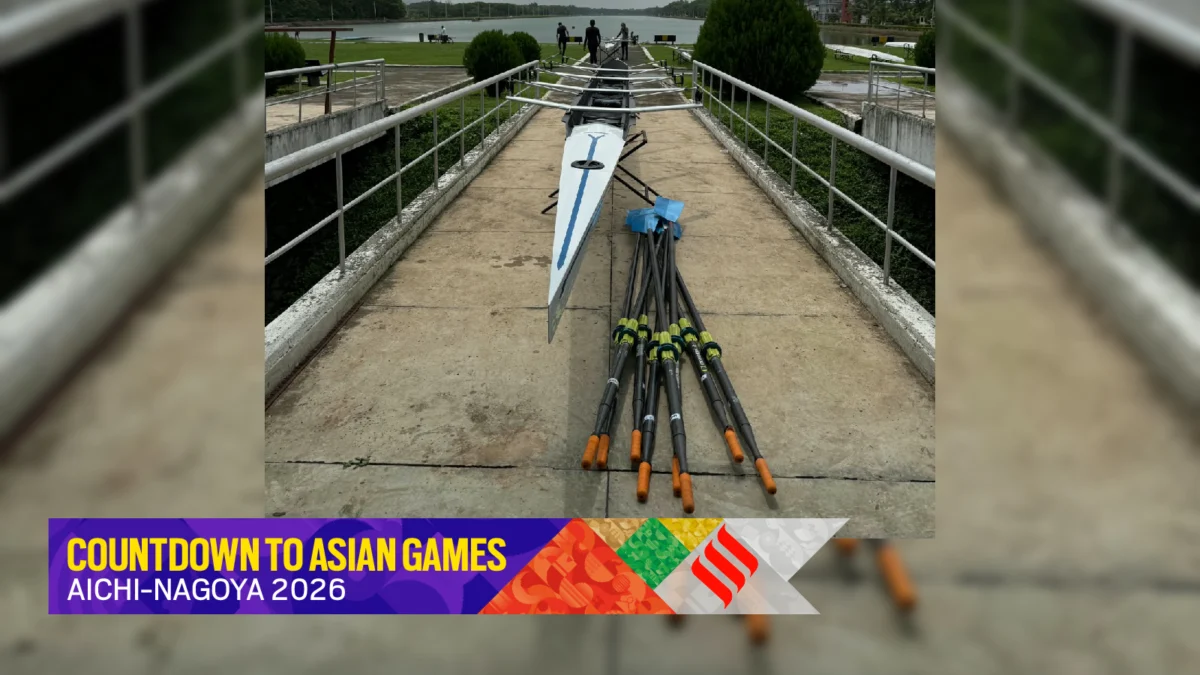
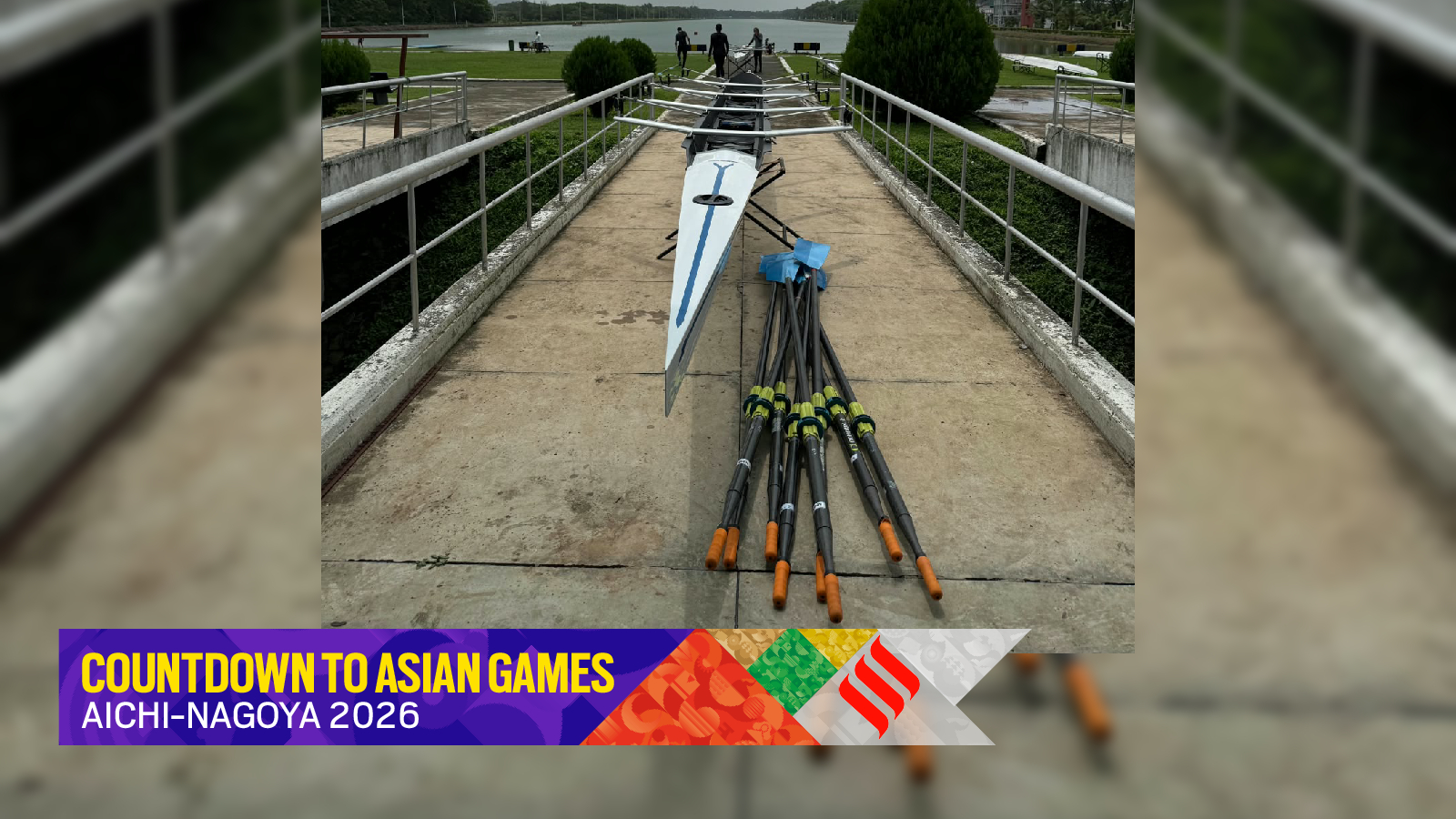
Oars are far from simple paddles; they are highly specialized instruments, often described as "wand-like" in their responsiveness to minute adjustments. Coaches, particularly those with years of experience, possess an almost alchemical intuition, akin to Diagon Alley’s wandmaker Olivander, when it comes to fine-tuning these crucial tools. These critical adjustments – encompassing the length of the shaft, the angle of the blade, and the precise positioning of tiny hexagonal screws (as small as 13 mm in diameter) – are typically made just two days before a race. This meticulous process occurs even after the specialized tool box and India’s iconic white and blue Fillipi boats have already reached the competition venue, such as Nagoya for the upcoming Asian Games.
The variables influencing these adjustments are numerous and complex. They include external factors like weather conditions and water density, as well as internal factors such as the individual rower’s strength and their current training phase. A coach’s instinct plays a vital role in determining the optimal stiffness of the shaft. Blade angles, typically adjusted within a narrow 0° to 4° range, are critical for maximizing propulsion. Furthermore, the positioning of the lock – the point where the oar clasps the boat (inboard and outboard) – is finely calibrated to suit the rower’s biomechanics and the race strategy.
Indian rowing has also embraced the latest advancements in blade design. The adoption of the "Plain Edge" hatchet-shaped blade, a significant upgrade, exemplifies this commitment to marginal gains. This newer design features a smoother, curved top edge and a wider tip, which collectively lead to a "softer catch" – meaning the blade engages with the water more efficiently and moves a greater volume of water with less splash and turbulence. This translates directly into more effective propulsion and reduced energy expenditure for the rower. Beyond the blade, oar technology itself has evolved dramatically. While some nations, notably Australia, still champion traditional wooden oars for their unique feel, India’s elite rowers have largely transitioned to the new carbon fibre "Ultralight" oars. These offer superior elasticity, allowing for a more dynamic and powerful stroke while minimizing the overall weight, further enhancing speed and efficiency.
The Science of Water: Unseen Variables, Measured Advantage
The pursuit of excellence in rowing extends even to the properties of the very water the athletes compete on. Indian coaches travel equipped with specialized tools, including string pendulums, which are dipped into competition waters to measure key parameters such as thickness, gravity, pH, and density. This might seem like an esoteric detail, but its impact on performance can be significant.
The density of the water, for instance, directly influences how the oar blade interacts with it. If the water is heavier (denser), a slightly bigger angle is imparted to the blade to ensure optimal purchase and propulsion. Conversely, for lighter water, a lesser angle is applied. This scientific approach allows coaches to make precise, data-driven adjustments to the oars, optimizing every stroke for the specific conditions of the racecourse. In a sport where races are often decided by fractions of a second, such meticulous attention to unseen variables provides a crucial competitive edge. This level of environmental analysis underscores the comprehensive strategy India employs, leaving no stone unturned in their quest for peak performance.
The Italian Craftsmanship: Fillipi Boats – A Legacy of Excellence
Complementing the advanced oar technology are the boats themselves, and here, India places its trust in a renowned Italian brand: Fillipi. Carved from a factory floor overlooking Napoleon’s Elba retreat in Livorno, Italy, Fillipi boats represent the pinnacle of rowing craftsmanship and aerodynamic design. While they come at a higher cost, approximately Rs 19 lakh per boat, their value is consistently demonstrated on the international stage.
Fillipi’s commitment to research and development (R&D) is unparalleled, and their boats have consistently delivered Asiad medals for India. Their advanced hydrodynamics and lightweight yet robust construction ensure that every ounce of power generated by the rowers is efficiently translated into forward momentum. These iconic white and blue vessels are not merely modes of transport; they are precision instruments designed to give India’s rowers the best possible platform for success. While the oars are sourced from Vermont, the synergy between the world-class boats and the sophisticated oar technology creates a powerful combination, reflecting India’s strategic investment in top-tier equipment.
Official Responses and Strategic Implications: Beyond the Physical Grind
The journey of Indian rowers, particularly those from the "wonder-belt," is a testament to a multifaceted approach that extends beyond physical training and equipment. It encompasses strategic talent identification, psychological conditioning, and a clear, ambitious mandate.
The Military’s Role: A Pipeline of Raw Talent
The Indian Army and Navy play an indispensable role as the primary scouting mechanism for rowing talent. The military’s extensive recruitment drives, particularly in the agrarian regions of the 27th-29th North latitudes, funnel a consistent supply of physically robust young men into structured sporting environments. This symbiotic relationship offers mutual benefits: the armed forces gain strong, disciplined recruits, while Indian rowing gains access to a vast, untapped talent pool.
This system provides a crucial pathway for athletes from rural backgrounds, offering them opportunities and resources that might otherwise be unavailable. It transforms individuals accustomed to the physical demands of farming into disciplined, high-performance athletes. The military’s rigorous training regimes, combined with its established sports infrastructure, create an ideal ecosystem for nurturing rowing champions. This institutional support ensures a steady stream of talent, providing stability and continuity to India’s rowing programs. It is a fundamental pillar upon which the sport’s consistent medal haul has been built, bridging the gap between raw potential and international competitive readiness.
The Mental Game: Psychologists and the Pursuit of Peak Performance
Recognizing that elite sports demand more than just physical prowess, Indian rowing has strategically integrated elite psychologists into its preparation regimen. Rowing is an inherently "exhausting sport," characterized by sustained periods of intense physical exertion and mental strain. The "strength crunching stroke" requires not only immense power but also unwavering focus and composure.
Psychologists work with rowers to develop mental resilience, teaching techniques to manage stress, maintain concentration, and perform under pressure. This includes strategies for staying calm during the most grueling phases of a race, visualization exercises to enhance performance, and methods for coping with fatigue and discomfort. This mental conditioning is particularly vital now, as technological advancements like microfiber grips reduce physical aggravations. With the hands less burdened, the mental game becomes even more critical in distinguishing champions. By optimizing their psychological state, rowers can fully leverage their physical training and technological advantages, ensuring they remain composed and effective when it matters most. This holistic approach acknowledges that the mind is as crucial an instrument as the oar itself.
The "India, Row for Gold" Mandate: Learning from the Past, Targeting the Future
The collective ambition within the Indian rowing contingent is palpable, encapsulated in their huddle warcry: "India, Row for Gold." This is more than just a slogan; it reflects a clear, unequivocal mandate for excellence. The memory of the previous Asian Games, where China secured gold in double sculls, serves as a powerful motivator, fueling a determination to surpass past performances and claim the top spot.
The comprehensive approach now in place – integrating geographical scouting, cutting-edge technology, rigorous physical training, and sophisticated psychological support – is all geared towards achieving this golden objective. The heightened expectations are met with a systematic and strategic deployment of resources, ensuring that no aspect of preparation is overlooked. This focus on gold signifies India’s growing ambition in the sport, moving beyond merely securing medals to dominating specific categories. The "India, Row for Gold" mandate is a declaration of intent, signaling a new chapter where India aims not just to compete, but to conquer.
Broader Implications: Elevating Indian Rowing on the Global Stage
The systematic improvements and heightened ambitions in Indian rowing carry significant broader implications, poised to elevate the sport’s standing both domestically and internationally.
Firstly, consistent success, particularly gold medals at events like the Asian Games, will inevitably bring greater recognition and increased funding. Rowing, traditionally an under-the-radar sport in India, could finally gain the public and corporate attention it deserves. This, in turn, could lead to better infrastructure, more sophisticated training facilities, and enhanced support systems for athletes, creating a virtuous cycle of improvement.
Secondly, the proven model of talent development, particularly leveraging the "wonder-belt" and military recruitment, offers a blueprint for other regions. Expanding the scouting network or replicating similar programs could uncover even more raw talent, broadening the national pool of rowers. This could also inspire youth engagement, encouraging a new generation to take up rowing as a viable and rewarding athletic pursuit. As the sport gains visibility, more aspiring athletes might see a clear path from local ponds to international podiums.
Thirdly, every medal, and especially every gold, contributes significantly to India’s overall sporting narrative. It reinforces the nation’s growing presence on the global sports stage and instills a sense of national pride. The "unsung heroes" of rowing could finally receive the widespread acclaim they merit, transforming the perception of the sport from "gently forgotten" to a source of national celebration. This increased recognition could also attract more media coverage, bringing the intense drama and inspiring stories of rowers to a wider audience.
Finally, the current strategic and holistic approach, with its emphasis on technological edge, mental fortitude, and targeted goals, sets the stage for future Olympic aspirations. While the Asian Games are an immediate focus, the lessons learned and the systems perfected are invaluable stepping stones towards the ultimate goal of Olympic medals. With blisters less of a hindrance and efficiency at an all-time high, Indian rowing is not just preparing for the next competition; it is charting a course towards sustained excellence on the world’s most prestigious sporting platforms. The confluence of geography, grit, and gutsy innovation is indeed propelling Indian rowing into a golden era.
