

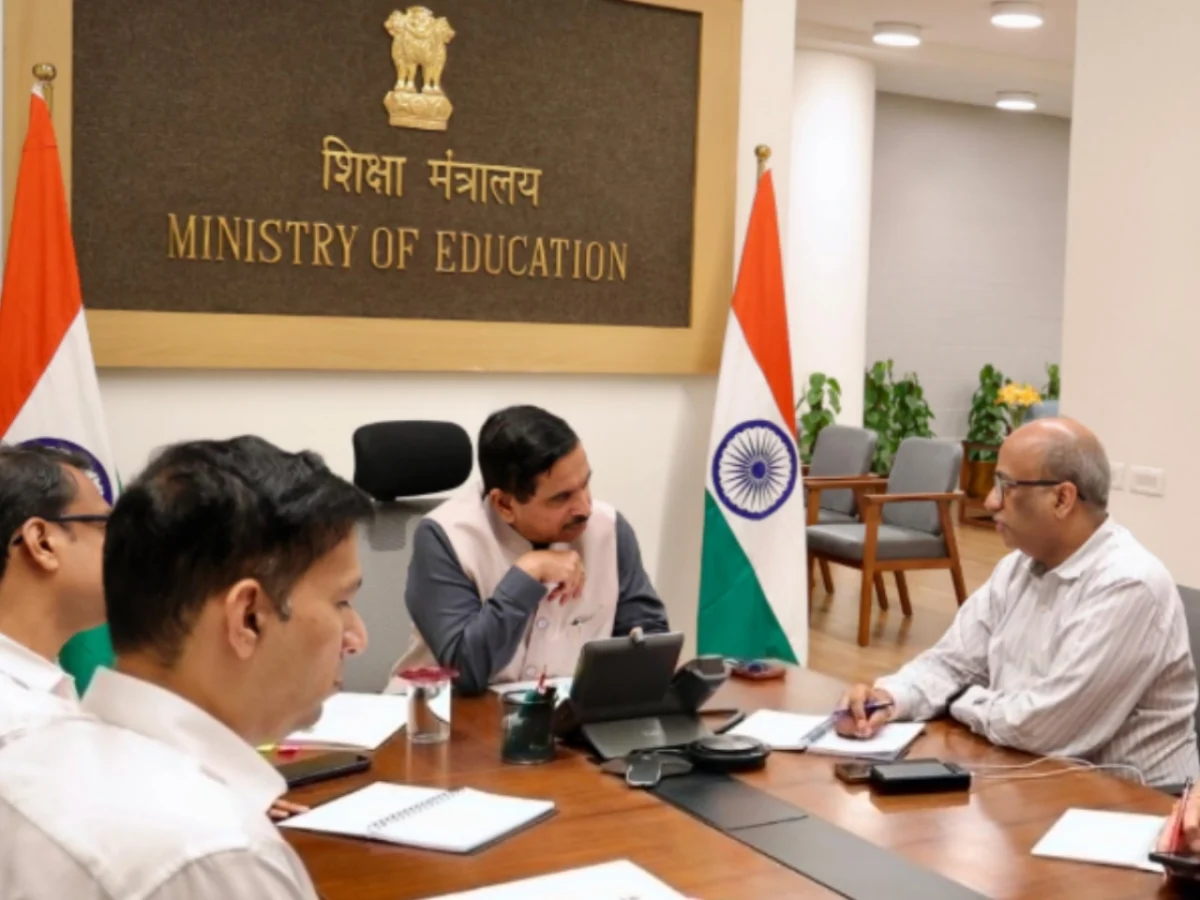
New Delhi, India – In a significant move to bolster the integrity and reliability of national-level examinations, the National Testing Agency (NTA) is implementing a comprehensive overhaul of its security infrastructure and operational protocols. The sweeping reforms, announced following a high-level review meeting with Union Education Minister Pralhad Joshi, include the introduction of a rigorous four-tier question paper checking system and a substantial restructuring of its expert panel. These measures are designed to address recent concerns and restore public confidence in the examination process, which is critical for the academic and career trajectories of millions of students across India.
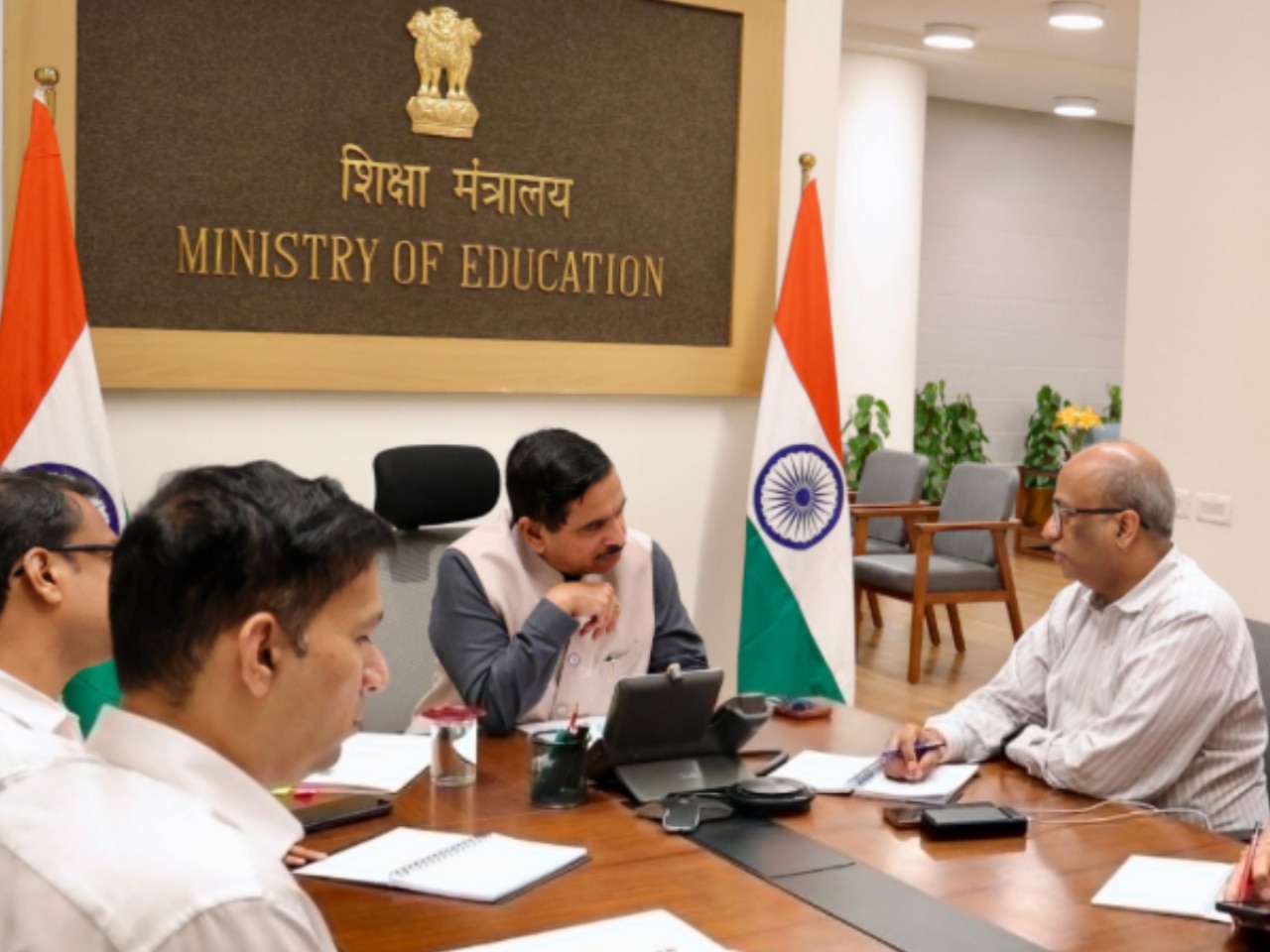
The urgency for these reforms stems from persistent criticisms and widespread student protests, particularly in the wake of alleged irregularities in recent high-stakes examinations. The NTA, responsible for conducting a multitude of entrance and recruitment tests, has come under intense scrutiny for perceived lapses that have led to significant disruptions and distress for candidates. The new initiatives aim to create a more robust, error-free, and secure examination environment, ensuring that merit and fairness remain at the forefront of the selection process.
)
Key Reforms: A Multi-Layered Approach to Examination Integrity
The cornerstone of the NTA’s revamped security strategy is the introduction of a four-tier question paper checking system. This multi-stage scrutiny process is intended to meticulously identify and rectify any potential errors, ambiguities, or security vulnerabilities within examination papers before they are administered to candidates. Each tier of the checking system will be handled by a distinct set of experts, ensuring a comprehensive review from multiple perspectives.

- Tier 1: Subject Matter Expert Review: The initial stage will involve subject matter experts meticulously reviewing the content for accuracy, relevance, and adherence to the prescribed syllabus. This ensures that the questions are pedagogically sound and accurately test the intended knowledge and skills.
- Tier 2: Linguistic and Typographical Review: A dedicated team will focus on identifying and correcting any linguistic errors, grammatical mistakes, or typographical blunders. Such errors, even if minor, can lead to confusion and misinterpretation by students, potentially impacting their performance.
- Tier 3: Security and Confidentiality Audit: This crucial tier will involve a specialized team tasked with scrutinizing the question papers for any potential security breaches or leaks. They will assess the paper’s vulnerability to unauthorized access and ensure that all confidentiality protocols are strictly followed.
- Tier 4: Final Compliance and Cross-Verification: The final stage will involve a senior editorial board or committee that will conduct a comprehensive cross-verification of all previous checks. This tier ensures that all previous stages have been completed effectively and that the question paper is ready for secure dissemination.
This layered approach is expected to significantly reduce the incidence of errors in question papers, thereby minimizing the chances of disputes and re-examinations. By strengthening the pre-examination phase, the NTA aims to preempt many of the issues that have plagued its past examinations.
)
Expertise Overhaul: Strengthening the Human Element
In tandem with the procedural enhancements, the NTA is also undertaking a significant restructuring of its expert pool. The agency has reportedly removed approximately 600 experts who were previously involved in the examination process. This decision, while substantial, is framed as a necessary step to infuse new talent and ensure a higher standard of expertise and commitment.
)
The Director General of the NTA briefed Union Education Minister Pralhad Joshi on the actions taken, emphasizing that this is part of a broader effort to strengthen the examination process. The agency is actively engaged in onboarding new experts to fill the gaps and enhance the overall quality of its human resources. Furthermore, the NTA plans to induct 20-25 new officials in the coming two to three weeks, further bolstering its operational capacity and expertise. The agency’s recruitment and induction plan was a key point of discussion during the review meeting, underscoring the importance placed on having a skilled and dedicated team.
)
This strategic reshuffling of experts is intended to bring in individuals with fresh perspectives, updated knowledge, and a renewed commitment to the principles of fair and secure examination conduct. The emphasis is on building a team that is not only technically proficient but also acutely aware of the responsibilities associated with safeguarding the integrity of national examinations.
)
Operational Enhancements: Shifting to Secure Premises
Beyond the immediate procedural and personnel changes, the NTA is also embarking on a critical move to new office premises. This relocation is being treated with urgency, described as an effort to be undertaken "on a war footing." The new offices will be equipped with reinforced security arrangements, including the deployment of Central Industrial Security Force (CISF) teams.
)
This move is symbolic of the NTA’s commitment to establishing a secure operational base. The CISF’s involvement signifies a heightened level of security, mirroring the protocols followed in sensitive government facilities. The decision to relocate and bolster security at its physical infrastructure underscores the agency’s recognition that robust physical security is as vital as procedural safeguards in preventing leaks and ensuring confidentiality.
)
Ministerial Directives: A Call for Unwavering Vigilance
The reforms are a direct response to directives issued by Union Education Minister Pralhad Joshi. Following a review meeting, officials were explicitly instructed to ensure that "all necessary security measures and infrastructure are put in place for the smooth and secure conduct of examinations."
)
Earlier, Minister Joshi had emphasized the need for a "complete overhaul of the Confidential Operations (CONOPS) architecture." This included mandates for implementing secluded rooms, air-gapped systems (systems not connected to any other network), and robust device-deposit protocols "on a war footing." The Minister stressed the importance of "strict compliance" with established exam protocols and directed the NTA to conduct a "thorough audit of all exam processes and submit a report on corrective action taken."
)
The inclusion of air-gapped systems and secluded rooms points towards a strategy to create a highly controlled and isolated environment for the handling of sensitive examination materials. This aims to minimize the risk of digital and physical breaches, ensuring that question papers remain confidential from creation to distribution.
)
Contextualizing the Reforms: Addressing Past Challenges
The current overhaul by the NTA is taking place against a backdrop of significant public outcry and political pressure. The agency has faced intense criticism from opposition parties and various student organizations, who have called for its disbandment due to "repeated lapses" that have allegedly jeopardized students’ academic and career prospects.
)
The timing of these reforms is particularly noteworthy, as Union Education Minister Pralhad Joshi assumed his portfolio following widespread student protests over a paper leak in the NEET-UG exam. The previous minister, Dharmendra Pradhan, faced considerable pressure, leading to the reshuffle. The current meeting with senior officials, including the Secretary in the Department of Higher Education and the NTA Director General, was a crucial step in addressing the immediate concerns and charting a path forward.
)
The NEET-UG controversy, in particular, brought to the forefront the vulnerabilities within the examination system and the profound impact these can have on the lives of aspiring students. The allegations of paper leaks and other irregularities have eroded trust, and the NTA’s current initiatives are a direct attempt to rebuild that trust.
)
Implications for Students and the Future of Examinations
The comprehensive reforms introduced by the NTA carry significant implications for students who rely on these examinations for their future. The enhanced security measures and the four-tier checking system are designed to ensure a fairer and more equitable playing field.
)
- Increased Confidence: Students can expect a greater sense of confidence in the examination process, knowing that rigorous checks are in place to prevent errors and leaks. This can alleviate the anxiety associated with the possibility of discrepancies affecting their results.
- Reduced Discrepancies: The focus on error reduction in question papers will likely lead to fewer instances of confusion, ambiguity, and subsequent disputes. This means fewer re-examinations and a smoother examination experience overall.
- Strengthened Meritocracy: By reinforcing the integrity of the system, the NTA aims to ensure that selection is based purely on merit, providing a more accurate reflection of students’ capabilities.
- Potential for Improved Efficiency: While the initial implementation may involve some adjustment periods, the long-term goal of these reforms is to streamline processes and reduce the disruptions that have plagued previous examination cycles.
However, the effectiveness of these reforms will ultimately depend on their meticulous implementation and continuous monitoring. The NTA will need to remain vigilant, adapt to evolving threats, and maintain transparency throughout the process. The commitment to periodic audits and the integration of new technologies will be crucial in sustaining these improvements.
)
The NTA’s decision to implement such a robust set of reforms signals a turning point in its operational philosophy. By prioritizing security, accuracy, and expert oversight, the agency is taking a proactive stance to address past shortcomings and rebuild its credibility. The success of these initiatives will not only benefit the millions of students who participate in these examinations annually but also contribute to the overall health and integrity of India’s higher education and employment selection systems. The coming months will be critical in observing how these ambitious plans translate into tangible improvements on the ground, ultimately determining whether the NTA can truly restore faith in the examination process.
