

PERSONAL FINANCE
New Delhi, India – As the global economy continues its dynamic recalibration and domestic festivities draw near, the Indian precious metals market remains a pivotal barometer of both international financial sentiment and intrinsic cultural value. On September 16, 2026, gold and silver prices in India exhibited a nuanced interplay of global market trends, evolving local demand patterns, and the persistent influence of currency rate fluctuations. This comprehensive analysis delves into the day’s pricing, dissects the underlying factors, and explores the broader implications for consumers, investors, and the Indian economy.
Main Facts: A Snapshot of Today’s Market
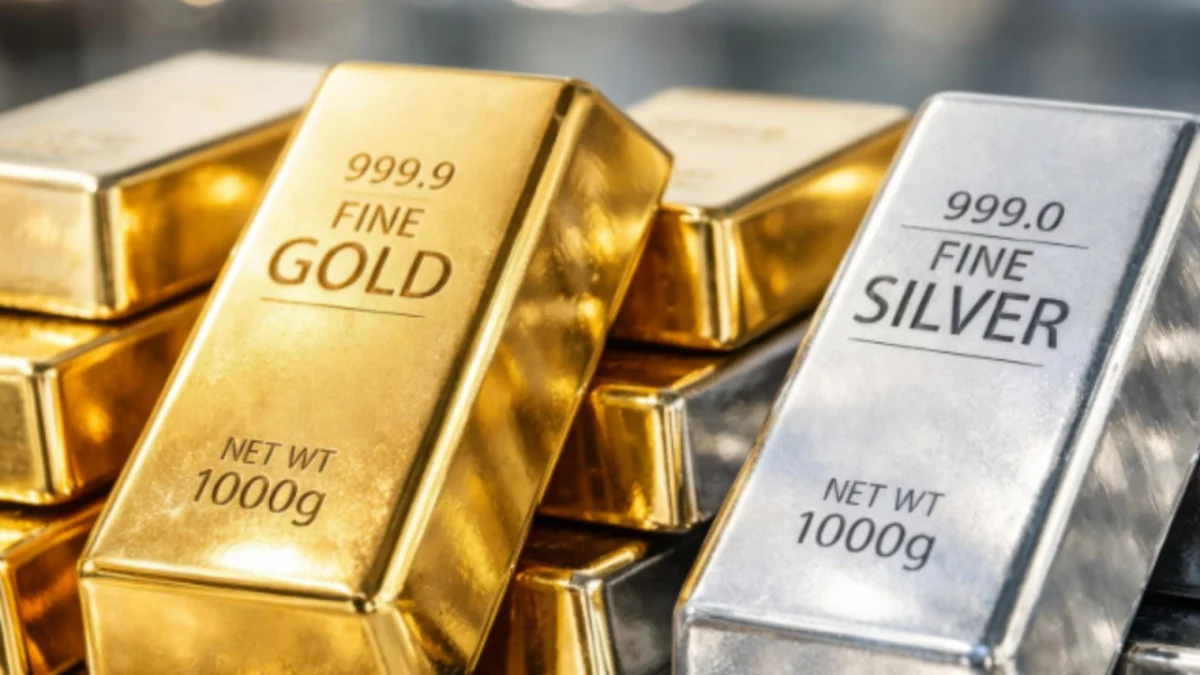
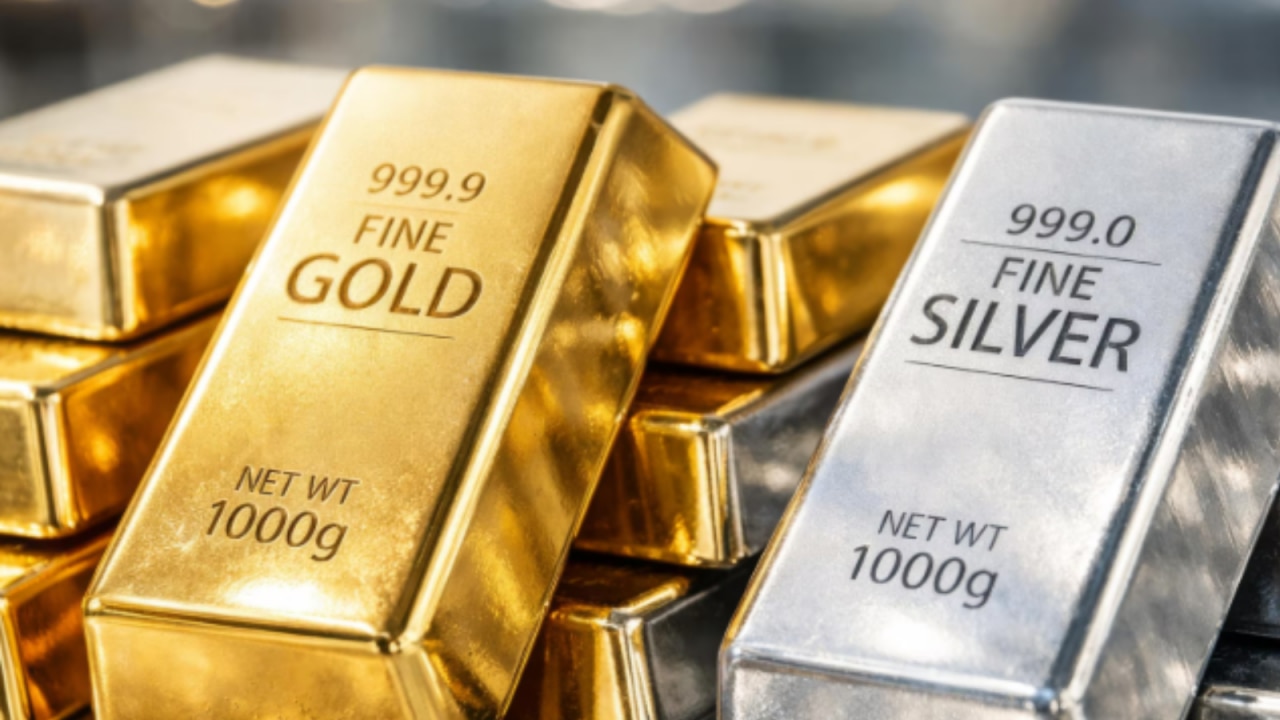
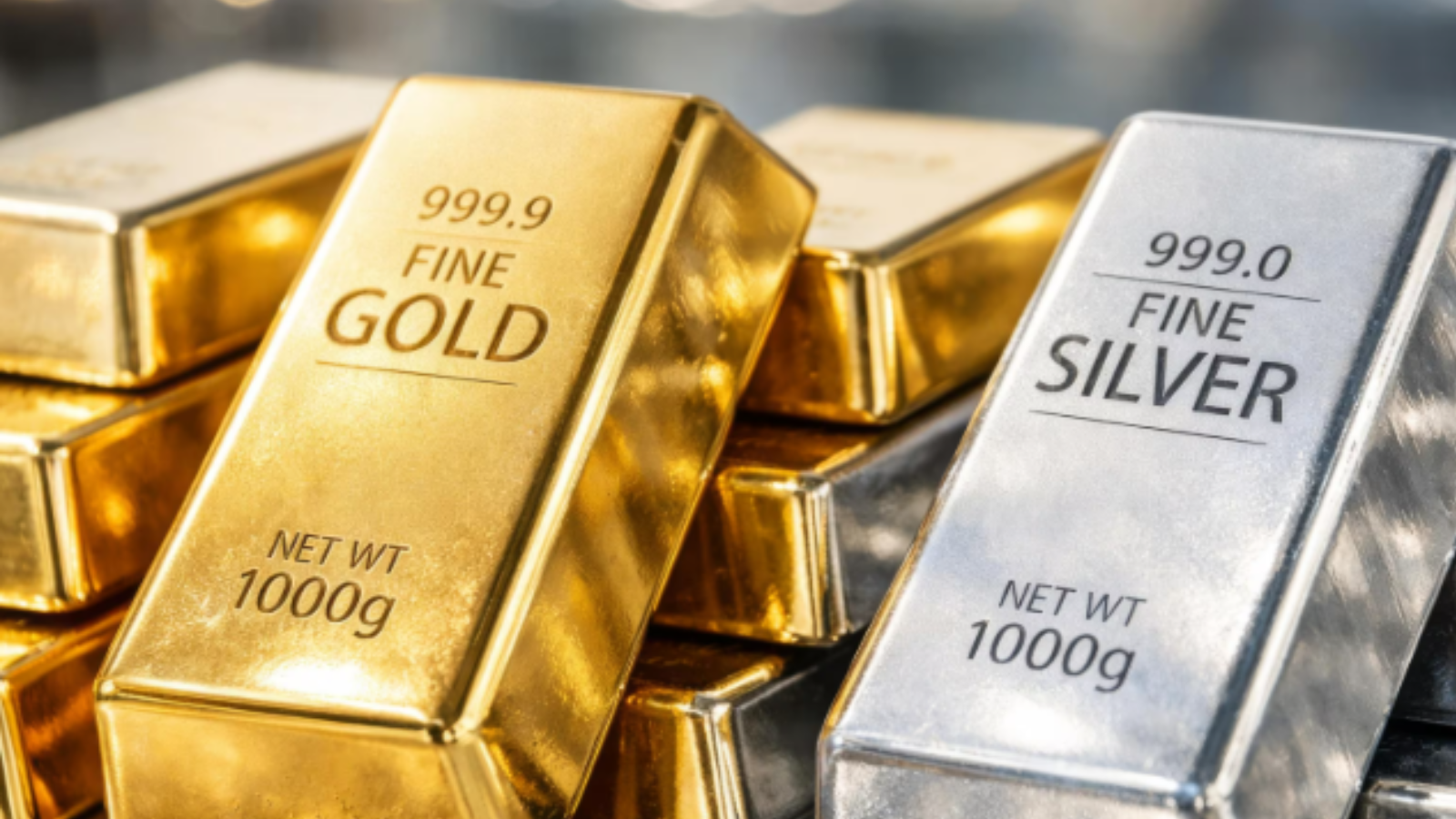
Today, September 16, 2026, witnessed a slight uptick in gold prices, largely attributed to sustained global demand and persistent inflationary pressures across major economies. The benchmark 24K gold (999 purity) was priced at ₹15,316 per gram nationally, while 22K gold, favoured for jewellery, stood at ₹14,039 per gram. Silver, a dual-purpose metal driven by both investment and industrial demand, saw its 999 purity variant settle at approximately ₹2,44,900 per kilogram. These figures underscore the precious metals’ enduring role as a hedge against economic uncertainty and a significant component of household wealth in India.
The city-wise breakdown revealed minor regional variations, reflecting localised supply-demand dynamics and logistical costs. Delhi, for instance, showed slightly higher gold rates compared to Mumbai, Kolkata, and Chennai, a common occurrence influenced by factors such as premium for purity and local taxes. Silver prices, however, maintained a relatively uniform national average, with Chennai registering a minor deviation.
)
Chronology: Tracing the Path to Current Prices
The current pricing structure for gold and silver on September 16, 2026, is not an isolated event but rather the culmination of several months of evolving market forces. Following a period of relative stability in late 2025, the precious metals market began to show signs of renewed bullish sentiment in early 2026. This resurgence was primarily fueled by escalating geopolitical tensions in Eastern Europe and parts of the Middle East, which traditionally drive investors towards safe-haven assets like gold.
By the second quarter of 2026, concerns over global inflationary trends, exacerbated by lingering supply chain disruptions and elevated energy prices, became a dominant theme. Central banks worldwide, including the Reserve Bank of India (RBI), found themselves in a delicate balancing act, attempting to curb inflation without stifling economic growth. This environment of sustained inflation expectations provided a strong tailwind for gold, reinforcing its status as an inflation hedge.

Silver, often referred to as "poor man’s gold," also tracked gold’s upward trajectory but with added volatility stemming from its significant industrial applications. A robust recovery in global manufacturing sectors, particularly in electronics, solar energy, and electric vehicle production throughout 2025 and into 2026, substantially boosted industrial demand for silver. However, this demand was occasionally offset by short-term speculative selling, leading to more pronounced price swings compared to gold.
The Indian rupee’s performance against the US dollar also played a critical role. A strengthening dollar, driven by higher US interest rates or global risk aversion, typically makes dollar-denominated gold more expensive for Indian buyers, acting as a natural brake on local demand. Conversely, a weakening rupee can amplify the local price appreciation of gold. Leading up to September 2026, the rupee has experienced moderate volatility, oscillating between periods of strength and weakness, which has directly translated into fluctuations in local precious metal prices. The approach of the Indian festive season, starting with Ganesh Chaturthi and culminating in Diwali and wedding season, has historically provided a predictable surge in domestic demand, a factor that began to subtly influence market sentiment from late August onwards.
)
Supporting Data: Deconstructing the Influencing Factors
The intricate web of factors influencing gold and silver prices on September 16, 2026, can be categorised into global macroeconomic indicators, domestic market specifics, and currency dynamics.
Global Market Trends: The Dominant Narrative
- Geopolitical Stability and Risk Aversion: Persistent geopolitical hotspots continue to fuel uncertainty, prompting institutional investors and central banks to increase their gold reserves. Gold, universally recognized as a safe haven, benefits immensely during periods of global instability. Recent reports indicate several central banks have continued their gold accumulation, bolstering demand at the sovereign level.
- Inflationary Pressures: Global inflation rates, though showing signs of moderation in some economies, remain elevated compared to pre-pandemic levels. The cost of living, energy prices, and supply chain inefficiencies continue to contribute to this trend. Gold’s historical ability to preserve purchasing power during inflationary periods makes it an attractive asset.
- Interest Rate Expectations: Central banks’ monetary policies, particularly regarding interest rates, exert a strong influence. Higher interest rates typically increase the opportunity cost of holding non-yielding assets like gold, making other investments more attractive. However, in an environment where real interest rates (nominal rates minus inflation) remain low or negative, gold’s appeal as a store of value is enhanced. Analysts suggest that despite some tightening, real rates are still supportive of gold.
- Global Economic Growth Outlook: Mixed signals on global economic growth—with some regions experiencing robust expansion while others face recessionary fears—create an environment conducive to gold investment. Economic slowdowns often lead to increased demand for safe assets.
- Commodity Market Dynamics: Gold and silver are part of a broader commodity complex. Fluctuations in energy prices, industrial metals, and agricultural commodities can indirectly impact precious metals through their effect on inflation and investor sentiment.
Local Demand Dynamics: India’s Unique Contribution
- Festive and Wedding Season Demand: India’s cultural affinity for gold and silver, especially during the upcoming festive season (Dussehra, Diwali, Dhanteras) and wedding season, is a perennial driver of demand. This period typically witnesses a surge in purchases for gifting, investment, and bridal jewellery. This seasonal demand often creates a premium on local prices.
- Cultural Significance and Traditional Investment: Gold and silver hold deep cultural and religious significance in India, passed down through generations. They are not merely commodities but integral parts of family wealth, tradition, and social status. This inherent demand provides a strong floor for prices, even during global downturns.
- Rural Demand: A significant portion of India’s gold and silver demand emanates from rural areas, heavily influenced by monsoon performance and agricultural income. A good harvest typically translates into increased purchasing power and higher demand for precious metals.
- Investment Diversification: Indian households view gold and silver as essential components of their investment portfolios, offering diversification away from equities and real estate, and providing a hedge against currency devaluation and inflation.
Currency Rates: The US Dollar-Rupee Nexus
- USD-INR Exchange Rate: The exchange rate between the Indian Rupee (INR) and the US Dollar (USD) is a critical determinant of local precious metal prices. International gold prices are typically quoted in USD. A depreciation of the INR against the USD makes imported gold more expensive in local currency terms, even if the international dollar price remains constant. Conversely, an appreciation of the rupee can temper local price increases. The volatility in the USD-INR pair in recent months has added an additional layer of complexity for Indian buyers.
- Impact on Import Costs: India is one of the largest importers of gold globally. Currency fluctuations directly impact the cost of these imports, subsequently affecting retail prices.
Official Responses and Expert Insights
While specific "official responses" from government bodies regarding daily price fluctuations are rare, the broader economic policies and statements from financial authorities implicitly influence the precious metals market.
)
- Reserve Bank of India (RBI): The RBI consistently monitors inflation and currency stability, both of which are critical to the precious metals market. Its monetary policy statements, interest rate decisions, and foreign exchange interventions indirectly shape the environment for gold and silver. For September 2026, the RBI’s hawkish stance on inflation, aimed at keeping it within target bands, could theoretically temper the need for gold as an inflation hedge. However, persistent global pressures mean gold’s appeal remains robust. The RBI’s own gold reserves also play a role, signaling confidence in the metal as a store of value.
- Ministry of Finance: The Ministry of Finance’s broader economic outlook, fiscal policies, and trade policies (including import duties on gold and silver) directly impact the domestic market. Any adjustments to import duties, though not announced today, could significantly alter local pricing dynamics. The Ministry’s emphasis on fostering domestic manufacturing and economic stability contributes to overall market sentiment.
Expert Commentary:
"The slight increase in gold prices on September 16, 2026, is a clear reflection of the enduring safe-haven demand amidst continued global uncertainties and sticky inflation," states Dr. Anjali Sharma, Chief Economist at Zenith Capital Research. "Investors are increasingly looking at gold not just as a hedge, but as a core component of a resilient portfolio, especially given the unpredictable nature of equity markets and bond yields."
)
Mr. Rajesh Kumar, Head of Commodities Research at Bharat Wealth Management, adds, "Silver’s performance, while mirroring gold’s general trend, also highlights its unique position. The robust demand from industrial sectors, particularly in green technologies, provides a fundamental floor for its price. However, its higher volatility compared to gold makes it more suitable for investors with a greater risk appetite. The upcoming festive season in India will undoubtedly provide strong domestic support for both metals."
Analysts are also closely watching the trajectory of the US dollar. "Any significant strengthening of the dollar could put a cap on gold’s upward momentum in local currency terms, despite strong international demand," notes Ms. Priya Singh, Currency Strategist at Global Forex Insights. "Conversely, if the dollar loses steam, we could see an accelerated rise in rupee-denominated gold prices."
)
Implications: Far-Reaching Effects Across the Economy
The current pricing of gold and silver has significant implications for various stakeholders within the Indian economy.
For Consumers: Navigating Purchases and Investments
- Jewellery Buyers: The upward trend in gold prices means consumers planning for weddings or festive purchases will face higher costs. This could lead to a shift towards lighter jewellery, silver ornaments, or a re-evaluation of budgets. The cultural imperative to buy gold during certain festivals may also mean continued demand despite higher prices.
- Small-Scale Investors: For individuals looking to invest in physical gold or silver, today’s prices present a continued opportunity to hedge against inflation and currency depreciation. However, the decision to buy requires careful consideration of personal financial goals and market outlook. Digital gold, gold ETFs, and sovereign gold bonds offer alternatives to physical metal, providing liquidity and often lower transaction costs.
- Loan Against Gold: Higher gold prices can be beneficial for those taking loans against gold, as the underlying collateral value increases. However, it also means a higher cost for those looking to buy back their pledged gold.
For Investors: Portfolio Strategy and Diversification
- Diversification: Precious metals continue to serve as a crucial diversification tool, offering a counterbalance to other asset classes during periods of market stress.
- Inflation Hedge: For investors concerned about the erosion of purchasing power due to inflation, gold and silver remain primary choices.
- Short-Term vs. Long-Term: Short-term traders might capitalize on daily fluctuations, while long-term investors often hold precious metals as a generational asset, less concerned with immediate price movements.
- Commodity Funds: Investment in commodity-focused mutual funds or exchange-traded funds (ETFs) that track gold and silver indices offers an avenue for broader market exposure without the complexities of physical storage.
For the Jewellery Industry: Managing Costs and Demand
- Input Costs: Higher gold and silver prices directly translate into increased input costs for jewellery manufacturers and retailers. This pressure can squeeze profit margins if not effectively managed through hedging strategies or by passing costs onto consumers.
- Pricing Strategies: Retailers must carefully balance competitive pricing with maintaining profitability. Transparent pricing mechanisms and value-added services become crucial.
- Design Trends: There might be an increased focus on innovative designs that use less gold or incorporate more silver and precious stones to offer more affordable options to consumers.
- Artisanal Livelihoods: The industry supports millions of artisans. Fluctuations in demand due to price changes can impact their livelihoods, necessitating adaptive strategies from manufacturers.
For the Indian Economy: Trade Balance and Forex Reserves
- Import Bill: As a major importer, higher gold prices increase India’s import bill, potentially widening the current account deficit. This puts pressure on the country’s foreign exchange reserves.
- Smuggling: Elevated domestic prices, especially if significantly higher than international rates due to taxes or currency depreciation, can incentivize gold smuggling, posing challenges for customs authorities.
- Remittances: The demand for gold is often met by remittances from non-resident Indians (NRIs), particularly during festive seasons, which can positively impact the balance of payments.
Outlook and Future Projections
Looking ahead, the trajectory of gold and silver prices in India for the remainder of 2026 and into early 2027 will largely depend on the evolution of the aforementioned factors.
)
- Global Macroeconomic Stability: A de-escalation of geopolitical tensions and a clearer path for global economic growth could potentially temper safe-haven demand. Conversely, sustained uncertainty will likely keep precious metals well-bid.
- Central Bank Policies: Future interest rate decisions by major central banks, particularly the US Federal Reserve and the RBI, will be critical. Any shifts towards more accommodative or aggressive monetary policies will send ripples through the market.
- Inflationary Trajectory: Whether inflation proves to be transient or more persistent will significantly influence gold’s appeal as a hedge.
- Domestic Demand: The strength of the upcoming festive and wedding seasons will be a key determinant of local demand. A good monsoon and robust agricultural output could further boost rural purchasing power.
- Currency Dynamics: The stability of the Indian rupee against the US dollar will continue to play a crucial role in shaping local price movements.
Market analysts broadly anticipate continued volatility but with an underlying supportive trend for gold, given the persistent global uncertainties. Silver’s future will be a fascinating watch, as its industrial demand component adds an extra layer of complexity, potentially allowing it to outperform gold if the global manufacturing sector maintains its strong momentum.
Conclusion
On September 16, 2026, gold and silver in India stand at a fascinating juncture, their prices meticulously reflecting a complex interplay of global economic anxieties, geopolitical realignments, and deep-seated domestic cultural significance. While the day’s slight price increases underscore the metals’ enduring appeal as hedges against inflation and uncertainty, they also highlight the dynamic nature of a market that is constantly recalibrating. For Indian consumers and investors, staying informed about these multifaceted influences remains paramount to making prudent financial decisions in a landscape where precious metals continue to shine as both a symbol of tradition and a strategic investment.
)
Find your daily dose of All Latest News including Sports News, Entertainment News, Lifestyle News, explainers & more. Stay updated, Stay informed- Follow DNA on WhatsApp.
