

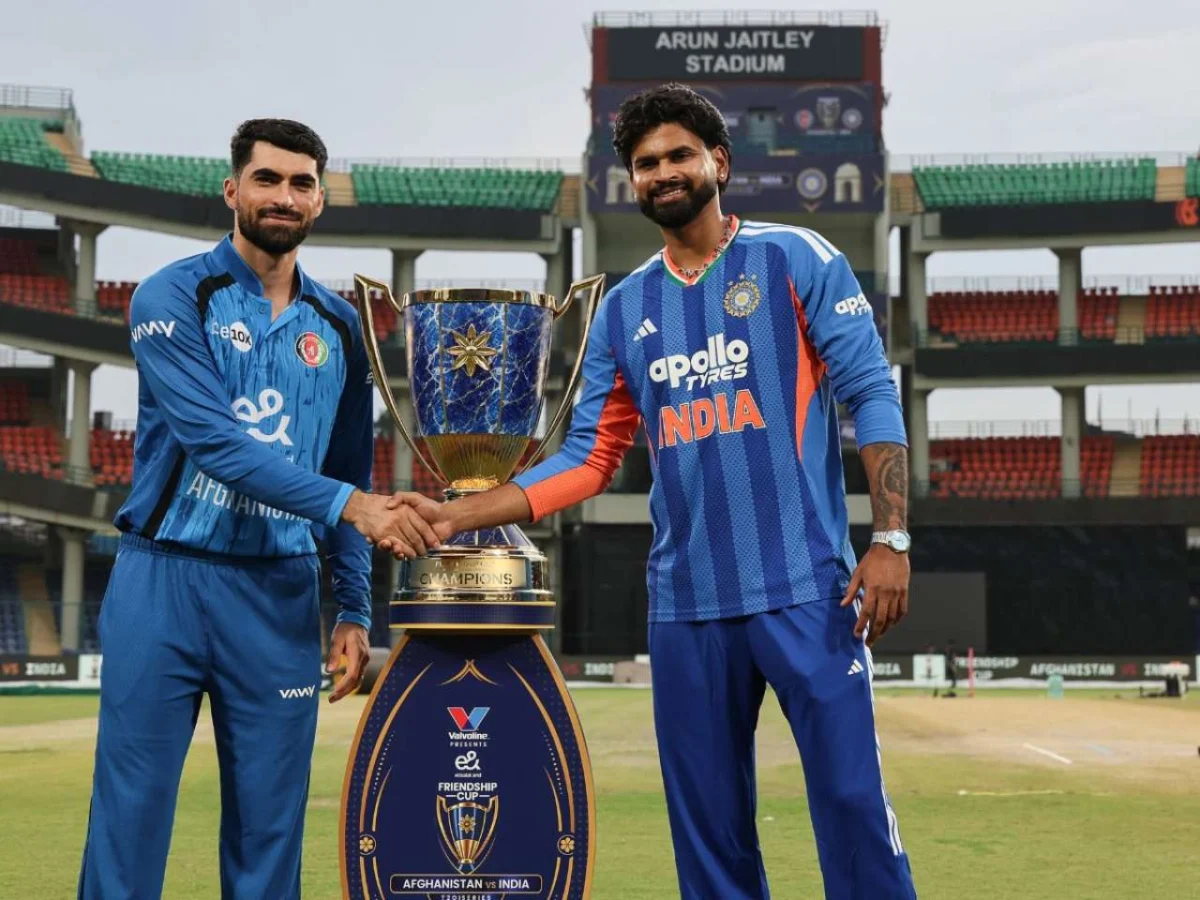
New Delhi, India – The cricketing world turns its gaze to the Arun Jaitley Stadium as India prepares to face Afghanistan in the third and final T20 International of their three-match series. With the series already sealed in their favour with a commanding 2-0 lead, Shreyas Iyer’s Indian squad will be aiming for a comprehensive clean sweep against Ibrahim Zadran’s Afghanistan on Thursday, September 17. This encounter, while a formality in terms of series outcome for India, carries significant weight for both sides: India seeks to maintain its dominant momentum and potentially experiment with its bench strength, while Afghanistan desperately hunts for a consolation victory to salvage pride and demonstrate their T20 prowess.
Fans eager to witness the climax of this bilateral series will find all necessary details here, including the precise match timings, official television broadcast channels, and online live-streaming options. The action is scheduled to commence at 7:30 PM IST, promising an evening of high-octane T20 cricket under the Delhi lights.
Main Facts: India vs. Afghanistan 3rd T20I
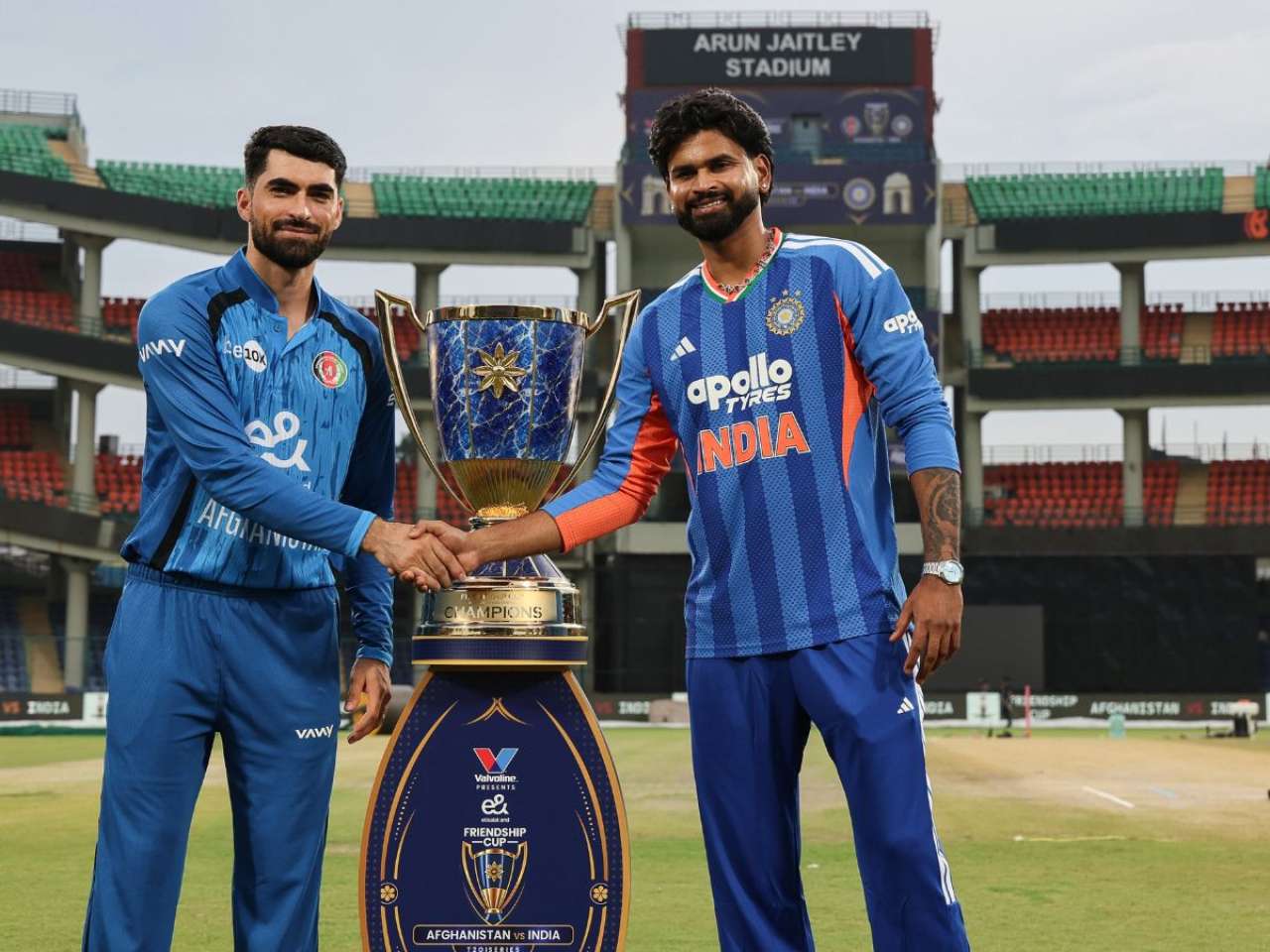
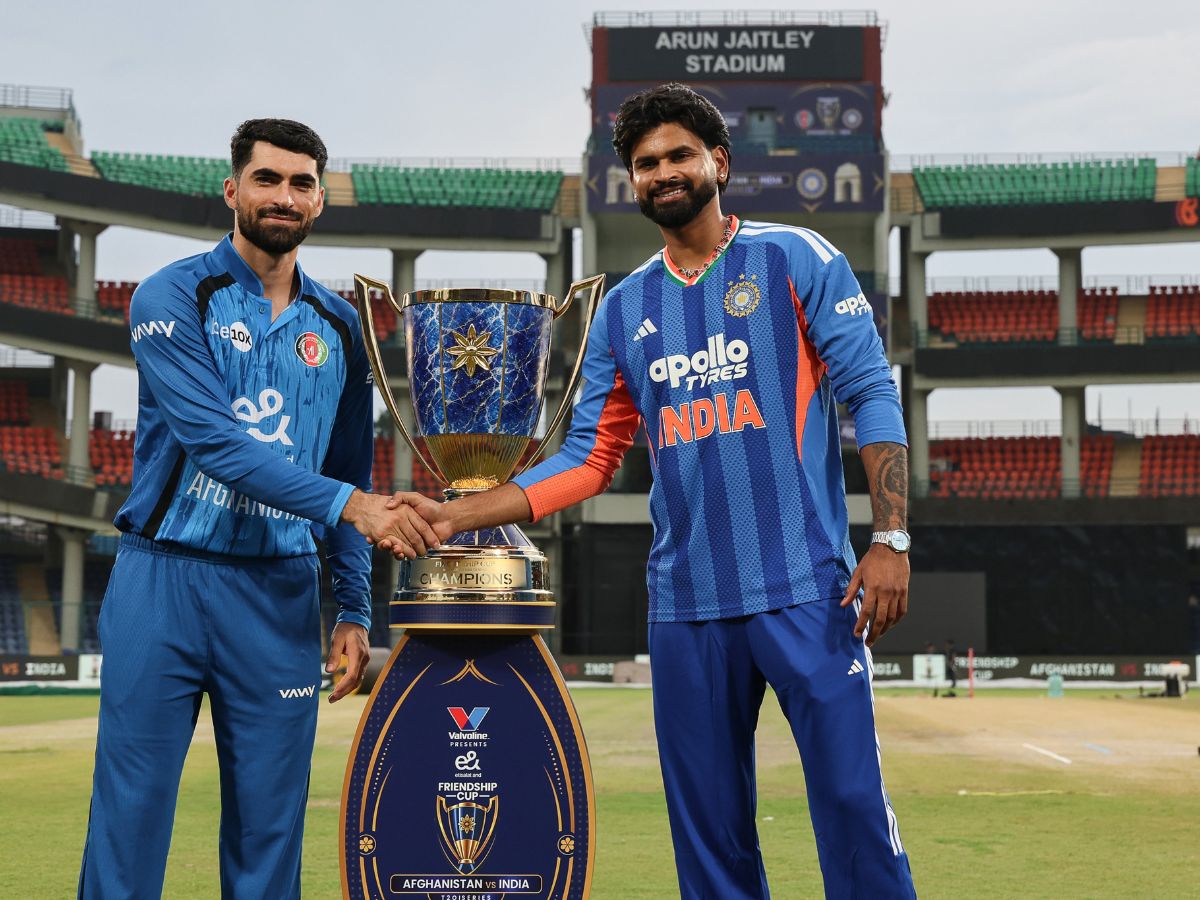
The stage is set at the historic Arun Jaitley Stadium in New Delhi for the third and final T20 International between India and Afghanistan. This match, slated for Thursday, September 17, at 7:30 PM IST, marks the conclusion of a series that has seen India assert its dominance with two consecutive victories. Having already secured the series with a 2-0 lead, the Men in Blue, led by Shreyas Iyer, will be looking to complete a whitewash, a testament to their exceptional form across both batting and bowling departments.
For Afghanistan, captained by Ibrahim Zadran, this match represents their last opportunity to register a win on the tour, offering a chance to restore some confidence and demonstrate their capabilities against a top-tier cricketing nation. Their previous performances have been marred by frequent wicket collapses and an inability to build substantial partnerships, alongside a bowling attack that has struggled to contain India’s aggressive batsmen. The conditions at the Arun Jaitley Stadium are typically conducive to batting, suggesting that Afghanistan will need a vastly improved performance in all facets of the game to challenge the hosts.
)
The highly anticipated clash will be broadcast live on the Sony Sports Network’s television channels across India. For those preferring to watch on the go or through digital platforms, the match will be live-streamed on the FanCode app and website, ensuring comprehensive coverage for all cricket enthusiasts from 7:30 PM IST onwards. With India’s eyes set on a clinical finish and Afghanistan battling for redemption, the third T20I promises to be an intriguing contest.
Chronology: A Series of Dominance and Disappointment
The journey to this third T20I has been a tale of two contrasting performances, largely dominated by India’s superior execution and Afghanistan’s struggle for consistency.

Series So Far: A Dominant Indian Display
The series began with India asserting its authority from the outset. In the first T20I, India secured a convincing victory, laying down a marker for the series. While their batting lineup displayed its characteristic flair, there were initial murmurs about the efficacy of the fifth bowler’s role. However, these concerns were quickly addressed and emphatically silenced in the subsequent match.
The second T20I saw India elevate their performance even further, securing an impressive seven-wicket victory on Tuesday. This win not only sealed the series but also highlighted India’s depth and adaptability. A significant turning point in the second game was the outstanding three-wicket performance by Nitish Kumar Reddy, who stepped up to fill the void and provided crucial breakthroughs, effectively quashing any doubts regarding India’s bowling options. The batting lineup, a hallmark of this Indian side, continued its remarkable consistency, chasing down targets with ease and showcasing a blend of aggressive strokeplay and calculated precision. The top order has consistently provided solid foundations, allowing the middle order to capitalize and finish games efficiently.
)
Conversely, Afghanistan’s campaign has been plagued by a series of unfortunate repetitions of errors from their opening encounter. Their primary struggle has been the inability to establish meaningful partnerships, leading to regular and costly wicket collapses. Despite playing on pitches in Delhi that are generally favorable for batting, Afghanistan has consistently posted underwhelming totals. Their batters have failed to convert starts into substantial scores, often succumbing to pressure or ill-advised shots. Defensively, their bowling attack has appeared uncertain and largely ineffective. They have struggled to contain India’s aggressive batters, failing to protect their modest scores and conceding boundaries at crucial junctures. The lack of a consistent wicket-taking threat and an inability to bowl economically have been major factors in their consecutive defeats.
The Road to New Delhi: Team Preparations and Mindsets
As both teams converge in New Delhi for the series finale, their preparations and mindsets reflect their current positions in the series.
)
For India, the mood is undoubtedly upbeat. Having clinched the series, the team now faces a strategic decision: whether to maintain the winning combination to ensure a clean sweep or to provide opportunities to players warming the bench. Given the upcoming international assignments and the constant quest to identify and nurture talent, it is highly probable that India might opt for some experimentation. This could mean giving game time to players like Vaibhav Sooryavanshi, Yash Thakur, or even allowing Abhishek Sharma a longer run. The focus will be on maintaining intensity and professionalism, regardless of the personnel changes, ensuring that the team’s winning habit is reinforced. The coaching staff will likely emphasize sticking to core strategies while allowing individual players to express themselves.
Afghanistan, on the other hand, finds itself in a challenging position. The consecutive losses have undoubtedly impacted team morale, but the third T20I offers a chance for redemption. Their approach will be one of desperation and a concerted effort to correct the mistakes that have plagued them throughout the series. Captain Ibrahim Zadran and the coaching staff will have spent considerable time analyzing their batting collapses and the ineffectiveness of their bowling. The focus will be on identifying specific weaknesses in their game, particularly in terms of shot selection, building partnerships, and bowling consistent lines and lengths. Psychologically, a win, even a consolation one, would be invaluable. It would not only boost their confidence but also provide a much-needed morale lift for future assignments, proving that they can compete against the best. The team will be aiming to play fearless cricket, leaving no stone unturned in their pursuit of a victory.
)
Supporting Data: Deep Dive into Form, Venue, and History
To truly appreciate the dynamics of the upcoming match, a closer look at player performances, the venue’s characteristics, and the historical context is essential.
Player Performances and Form Guide
India’s Key Players to Watch:
India’s success has been a collective effort, but several individuals have stood out. Shreyas Iyer, leading the side, has not only demonstrated astute captaincy but has also been a crucial anchor in the middle order, providing stability and acceleration when needed. His form with the bat will be vital for a strong finish. The wicketkeeping-batting duo of Sanju Samson and Ishan Kishan provides flexibility, and whichever one gets the nod will be expected to contribute briskly. Tilak Varma has shown maturity beyond his years, capable of building innings and accelerating in the death overs. Shivam Dube continues to impress with his power-hitting capabilities and useful medium-pace, making him a valuable all-round asset. The emergence of Nitish Kumar Reddy as a potent bowling option, particularly after his three-wicket haul, adds significant depth to India’s attack. The spin duo of Axar Patel and Washington Sundar offers control and wicket-taking ability, especially on potentially turning tracks. In the pace department, the experience and precision of Jasprit Bumrah (if he plays, given potential rotation) combined with the death-bowling expertise of Arshdeep Singh make for a formidable attack. Ravi Bishnoi and Varun Chakaravarthy offer further spin variations.
)
Afghanistan’s Hopes and Challenges:
For Afghanistan, the pressure is on their key players to deliver. Ibrahim Zadran, as captain, carries the dual responsibility of leading the team and anchoring the batting. His ability to construct an innings will be crucial. Rahmanullah Gurbaz remains their most explosive opener, capable of tearing apart any bowling attack on his day, and Afghanistan will rely heavily on him for a rapid start. The experience of Mohammad Nabi as an all-rounder is invaluable; his ability to score quick runs and pick up vital wickets will be critical. The presence of Rashid Khan in the squad is a significant boost; his world-class leg-spin and handy lower-order hitting can turn the game on its head. Despite the team’s struggles, his impact, whether through economical spells or crucial breakthroughs, cannot be underestimated. Mujeeb Ur Rahman offers another quality spin option in the powerplay. In the pace department, Fazal Haq Farooqi has shown glimpses of potential, and his ability to swing the new ball will be key to troubling the Indian openers. Others like Azmatullah Omarzai and Gulbadin Naib need to step up with both bat and ball to support the mainstays.
Venue Analysis: Arun Jaitley Stadium, New Delhi
The Arun Jaitley Stadium (formerly Feroz Shah Kotla) is steeped in cricketing history and known for its distinctive characteristics.
)
- Pitch Conditions: Traditionally, the pitch at Arun Jaitley Stadium has been a batting paradise, offering good bounce and consistent pace, which allows batsmen to play their shots freely. However, as the game progresses, especially in the later stages of T20 matches, the pitch can start to offer some assistance to spinners, making wrist-spinners and finger-spinners with variations particularly effective. The surface tends to get slower and lower as the match wears on, which could make chasing slightly tricky if a high target is set.
- Historical T20I Data: The venue has hosted numerous T20Is, with scores often exceeding 170-180. The chasing team has historically enjoyed a slight advantage, partly due to the dew factor and partly due to the nature of the pitch easing out in the second innings. Average first innings scores hover around 160-170, but high-scoring thrillers are not uncommon. Boundary dimensions are relatively standard, allowing for both power hitting and clever placement.
- Impact of Dew: Given that this is a night game scheduled for 7:30 PM IST, the dew factor is almost certainly going to play a role. As the evening progresses, dew settles on the outfield, making it challenging for bowlers to grip the ball, especially spinners. This often prompts captains to prefer chasing after winning the toss, as batting second becomes considerably easier with a wet ball and faster outfield. Teams will need to factor this into their strategy, both in terms of team selection (perhaps an extra spinner or a bowler adept at bowling with a wet ball) and game plan.
Head-to-Head Statistics
Prior to this series, India and Afghanistan have had limited encounters in T20I cricket. India’s dominant 2-0 lead in this series further solidifies their superior head-to-head record against Afghanistan in this format. While Afghanistan has emerged as a formidable T20 side in recent years, particularly in global tournaments, they have consistently found it challenging to overcome the full might of the Indian team in bilateral series. The significance of India’s 2-0 lead cannot be overstated; it underscores the gap in experience and execution between the two sides, especially when India fields a strong contingent. For Afghanistan, this series has been a stark reminder of the level required to consistently compete and win against top-ranked teams.
Official Responses: Leadership and Vision
The culmination of a series invariably brings forth reflections and forward-looking statements from the teams’ leadership.
)
Captain’s Corner: Pre-Match Statements and Expectations
While no official pre-match press conference excerpts are available at this moment, hypothetical statements from the captains would likely reflect their current positions.
Shreyas Iyer (India Captain): "We are incredibly pleased with how the team has performed throughout the series. To have clinched it 2-0 is a testament to the hard work and collective effort of every player. Going into the third T20I, the focus will be on maintaining our intensity and aiming for a clean sweep. It’s important to finish strong. We might look at giving some opportunities to players who haven’t had game time, but the objective remains the same: to play aggressive, smart cricket and execute our plans effectively. We want to carry this winning momentum forward into our next assignments." This statement would highlight satisfaction with the series win, a desire for a clean sweep, and the possibility of bench strength rotation.
)
Ibrahim Zadran (Afghanistan Captain): "It has been a tough series for us, and we acknowledge that we haven’t performed to our potential. We’ve made some costly mistakes, particularly with our batting and partnerships. However, this last match is a crucial opportunity for us to learn from our errors and show what we are truly capable of. We are committed to fighting hard for a consolation win. It’s about playing fearless cricket, focusing on our individual roles, and executing our plans against a very strong Indian side. We want to end the series on a positive note and take those learnings into our future tournaments." This would convey an acknowledgment of struggles, a commitment to fight, and a focus on learning and individual improvement.
Coaching Staff Insights
The coaching staff from both sides will have been deeply involved in strategic planning and player management throughout the series. For India’s coach, the emphasis would be on fine-tuning combinations, providing feedback to individual players, and ensuring that the team remains hungry despite having won the series. There would be a focus on maintaining high standards of fielding and fitness. For Afghanistan’s coach, the primary task would be psychological: to lift the team’s spirits, instill belief, and simplify game plans to reduce pressure on the players. They would be working on specific technical adjustments for the batsmen to counter India’s bowlers and for the bowlers to find more consistent lines and lengths. The focus would be on encouraging players to trust their natural game and play with freedom in this final encounter.
)
Implications: Beyond the Boundary
The outcome of this final T20I, regardless of the series result, carries significant implications for both teams, impacting their future strategies, player development, and overall standing in the cricketing world.
For India: Momentum, Bench Strength, and World Cup Preparations
A clean sweep for India would be more than just a statistical achievement; it would significantly boost their confidence and affirm the effectiveness of their current T20 squad composition. It demonstrates a strong bench strength, as even without some of their biggest names, the team has performed admirably. This series provides a valuable platform for testing combinations and assessing the depth of talent, particularly for players vying for spots in upcoming major tournaments, including potential future T20 World Cups. Players like Nitish Kumar Reddy, who have seized their opportunities, will have strengthened their claim for future selections. The series win also contributes to building a winning culture and momentum that can be carried into more challenging assignments. It allows the team management to experiment with different tactical approaches, identify versatile players, and ensure that the core squad is robust and adaptable. The competition for spots within the team will intensify, pushing individuals to perform at their peak consistently.
)
For Afghanistan: Learning Curve and Future Prospects
For Afghanistan, this series, despite the losses, serves as an invaluable learning curve. Playing against a top-ranked team like India, especially in their home conditions, exposes areas where Afghanistan needs to improve significantly. The repeated batting collapses highlight the need for greater resilience, better shot selection under pressure, and the development of batsmen who can anchor an innings. The bowling attack’s struggle to contain aggressive batsmen points towards the need for more tactical variations, improved death bowling, and perhaps greater depth in their pace department. While a consolation win would provide immediate relief and confidence, the long-term implications lie in the lessons learned. The team needs to identify specific weaknesses, work on developing consistent performances across all three departments, and foster mental toughness. This experience, albeit challenging, is crucial for their development as a competitive force in international cricket and for preparing them for future ICC events, where they will face similar high-pressure situations.
Fan Engagement and Series Legacy
For Indian fans, a clean sweep would be a cause for celebration, reinforcing their team’s dominance and providing optimism for future campaigns. It would further solidify the fan base’s belief in the team’s depth and talent pool. Even with a younger squad, the team has delivered, promising an exciting future. For Afghan fans, while the losses are disappointing, a strong performance in the final game or a consolation win would offer a glimmer of hope and pride. It shows that their team is capable of competing and provides encouragement for their continued support.
)
Overall, this series, regardless of the final scoreline, adds another chapter to bilateral cricket between these two nations. It provides crucial match practice, allows for the identification of rising stars, and offers valuable insights for both teams as they continue their respective journeys in the dynamic world of T20 cricket. The final match is not just about the result; it’s about the lessons learned, the performances delivered, and the trajectory set for the future.
