

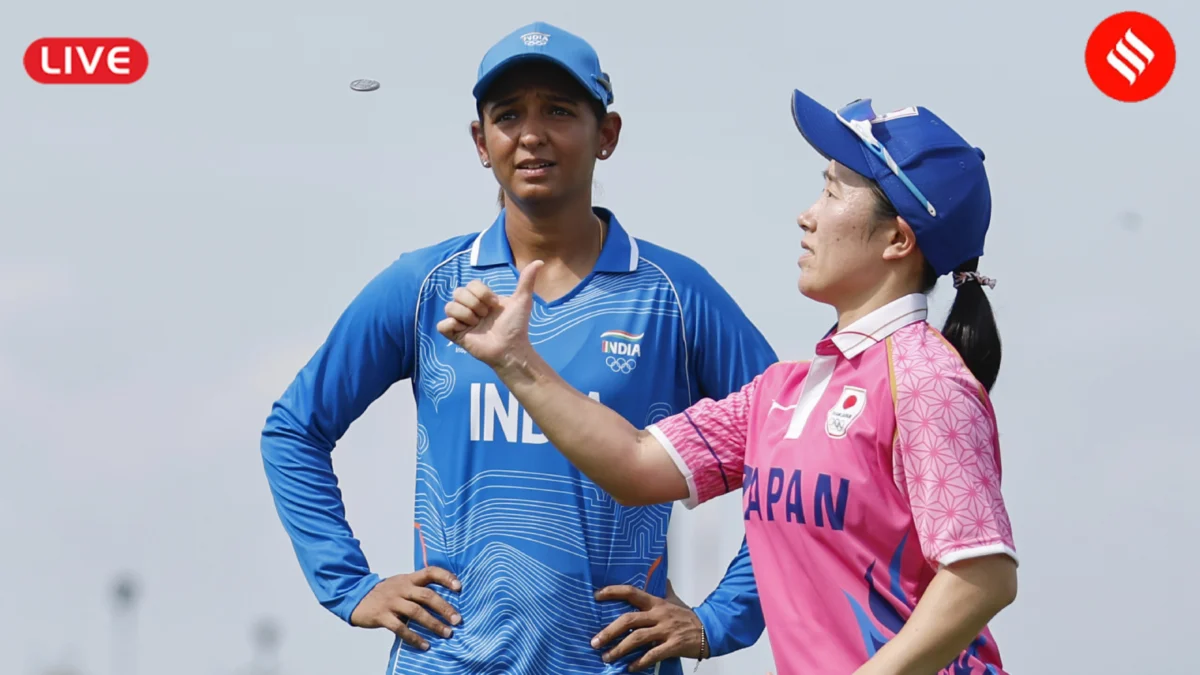
Aichi-Nagoya, Japan – The glittering prospect of a gold medal at the Asian Games 2026 looms large for the Indian Women’s T20I cricket team as they commence their campaign today. Led by the formidable Harmanpreet Kaur, the defending champions are set to face hosts Japan in a pivotal quarter-final clash at the Korogi Sports Park in Nisshin. While questions surrounding the team’s transition and a somewhat wobbly middle order persist, the unwavering focus remains on securing India’s second consecutive Asian Games title in women’s cricket.
The Indian contingent arrives in Aichi-Nagoya as overwhelming favourites, a status reinforced by their recent triumph in the Asia Cup, where they clinched their eighth continental title against familiar rivals Sri Lanka in the United Arab Emirates. This dominant regional performance sets a high benchmark, but the unique pressures of a multi-sport event like the Asian Games, coupled with the inherent unpredictability of T20 cricket, demand unwavering concentration. For now, Captain Kaur and her squad are fully immersed in their "process," meticulously preparing to navigate each hurdle on their path to glory.
The Road to Aichi-Nagoya: A Chronology of Indian Cricket’s Ascent
The Indian Women’s T20I team has, over the past few years, cemented its position as a powerhouse in the global cricketing landscape, particularly within the Asian circuit. Their journey to the 2026 Asian Games in Aichi-Nagoya is a testament to consistent performance, strategic development, and a growing pool of talent.
Reigning Champions and Regional Dominance
India’s pedigree in the Asian Games is not just recent; it’s a legacy that continues to be built. Four years ago, at the Hangzhou 2022 Asian Games (held in 2023), the Indian women’s team etched their name in history by securing the inaugural cricket gold medal. Their comprehensive victory over Sri Lanka in that final was a defining moment, showcasing their superiority and setting a precedent for future editions. That triumph was not merely a win; it was a powerful statement about the growing strength and professionalism of women’s cricket in India. It demonstrated the team’s ability to perform under pressure on a multi-sport international stage, bringing immense pride to the nation.
Building on this foundational success, the team’s recent performance in the Asia Cup further solidified their status as regional titans. Their eighth Asia Cup title, secured just last week against Sri Lanka in the UAE, was another exhibition of their tactical acumen, individual brilliance, and collective strength. This victory, achieved in challenging conditions, underscored their adaptability and reinforced their reputation as the team to beat in continental competitions. Such back-to-back triumphs have instilled a deep sense of confidence within the squad, yet also a profound understanding that past laurels do not guarantee future success without continued effort and focus.
Preparations and Pre-Tournament Buzz
The preparation for an event as significant as the Asian Games is a multifaceted endeavour, involving rigorous training, strategic planning, and careful squad management. The Indian team’s journey to Aichi-Nagoya has been characterized by intense training camps, fitness assessments, and a series of preparatory matches designed to fine-tune their skills and test various combinations. The coaching staff has meticulously worked on addressing identified areas for improvement, particularly focusing on bolstering the middle order and ensuring that every player is in peak physical and mental condition.
Captain Harmanpreet Kaur, a veteran campaigner and a player known for her powerful hitting and astute leadership, has consistently emphasized the importance of focusing on the "process" rather than being solely outcome-driven. This philosophical approach aims to instill a sense of calm and clarity within the squad, encouraging players to concentrate on executing their roles effectively, irrespective of the opponent or the magnitude of the occasion. The pre-tournament buzz around the team has been overwhelmingly positive, with experts and fans alike predicting another strong showing. However, there’s also an acknowledgment of the inherent challenges, including acclimatization to local conditions in Japan and managing the expectations that come with being defending champions and top seeds.
The Quarter-Final Clash: India vs. Japan
Today’s quarter-final match against host nation Japan is more than just a gateway to the semi-finals; it’s the official kick-off of India’s gold medal quest. While the disparity in cricketing experience and rankings between the two sides is considerable, India is expected to approach the game with utmost professionalism, respecting their opponents and executing their game plan without complacency.
India’s Strengths and Strategic Imperatives
The Indian team boasts a formidable array of talent across all departments. Their batting lineup, spearheaded by explosive openers like Smriti Mandhana and Shafali Verma, is capable of posting daunting totals or chasing down challenging targets with aggressive intent. Mandhana’s elegant stroke play combined with Verma’s fearless hitting provides a potent opening combination that can dismantle opposition bowling attacks early in the innings. While concerns about the "wobbly middle order" have been voiced, the depth of talent, including experienced campaigners like Jemimah Rodrigues and Richa Ghosh, suggests that the team possesses the firepower to overcome any potential collapses.
The bowling attack is equally potent, offering a blend of pace and spin that can stifle opponents on any surface. The likes of Renuka Singh Thakur and Pooja Vastrakar provide crucial early breakthroughs with their pace and swing, while the spin trio of Deepti Sharma, Radha Yadav, and Sneh Rana are adept at controlling the middle overs and picking up crucial wickets. Deepti Sharma, in particular, offers invaluable all-round capabilities, contributing significantly with both bat and ball. Harmanpreet Kaur’s leadership will be crucial in deploying these resources effectively, adapting to match situations, and maintaining high energy levels throughout the game. The strategic imperative for India will be to dominate from the outset, establish a strong run rate, and exploit Japan’s relative inexperience.
Japan’s Challenge: Hosts’ Hopes Against a Giant
For the Japanese women’s cricket team, this quarter-final clash against India represents a momentous occasion and a significant milestone in their cricketing journey. While they are undoubtedly the underdogs, playing on home soil, with the support of local fans, will provide a unique motivation. Japanese cricket, particularly women’s cricket, is an emerging sport, steadily gaining traction and developing its infrastructure. Teams like Japan view such high-profile matches not just as competitive encounters but as invaluable learning experiences and platforms to showcase their progress.
Their journey to the quarter-finals, likely involving successful navigation of preliminary rounds or benefiting from the tournament structure as hosts, speaks to their dedication and improvement. Japan’s strategy will likely revolve around disciplined bowling, aiming to restrict India’s aggressive batters, and tenacious fielding to save crucial runs. With the bat, they will need to play fearless cricket, focusing on rotating the strike, finding boundaries when opportunities arise, and building partnerships. An upset would be monumental, and while statistically improbable, the magic of sport often lies in its capacity for the unexpected. Their primary goal will be to compete hard, gain exposure, and inspire a new generation of cricketers in Japan.
The Venue: Korogi Sports Park, Nisshin
The Korogi Sports Park in Nisshin, part of the wider Aichi-Nagoya region, is set to host this crucial encounter. Cricket pitches in Japan are typically well-maintained, offering a fair contest between bat and ball. Expect conditions that are generally conducive to batting, but with enough assistance for spinners as the game progresses. The weather conditions in September in Aichi-Nagoya are usually pleasant, though the article alludes to the possibility of "inclement weather." The tournament regulations are clear on this: in case of a washout, the team with the higher seeding (or better net run rate from previous stages, if applicable) advances. Given India’s top seeding and dominant track record, even adverse weather is unlikely to halt their progression to the semi-finals, a testament to their established superiority in the region.
Supporting Data and Performance Metrics
A closer examination of India’s recent form provides further context to their status as favourites, while also highlighting the areas they aim to refine during the Asian Games.
India’s Recent Form: A Closer Look
While India’s overall performance has been stellar, the "wobbly middle order" has been a topic of discussion among cricket analysts. This concern often stems from instances where the top order has failed to fire, exposing a perceived fragility in the subsequent batting positions. The transition phase, involving the integration of new talent and the fine-tuning of roles, can sometimes lead to inconsistent performances from specific players. For instance, while Harmanpreet Kaur is a match-winner on her day, her "dipping form" in certain recent series has added to this narrative. Her scores, while not alarming, might not have consistently reached the high standards she has set for herself, leading to increased pressure on other middle-order batters to stabilize innings.
However, it is crucial to view these issues in perspective. Even with these minor concerns, the Indian batting lineup remains robust and capable of producing match-winning performances. Against a team like Japan, these "frailties" are unlikely to unravel significantly. The depth of the squad means that even if one or two players aren’t at their absolute best, others are capable of stepping up and delivering. The Asian Games environment provides an excellent opportunity for the middle order to gain confidence and for Harmanpreet Kaur to find her rhythm, setting the stage for more challenging encounters in the later stages of the tournament.
Historical Context and Head-to-Head
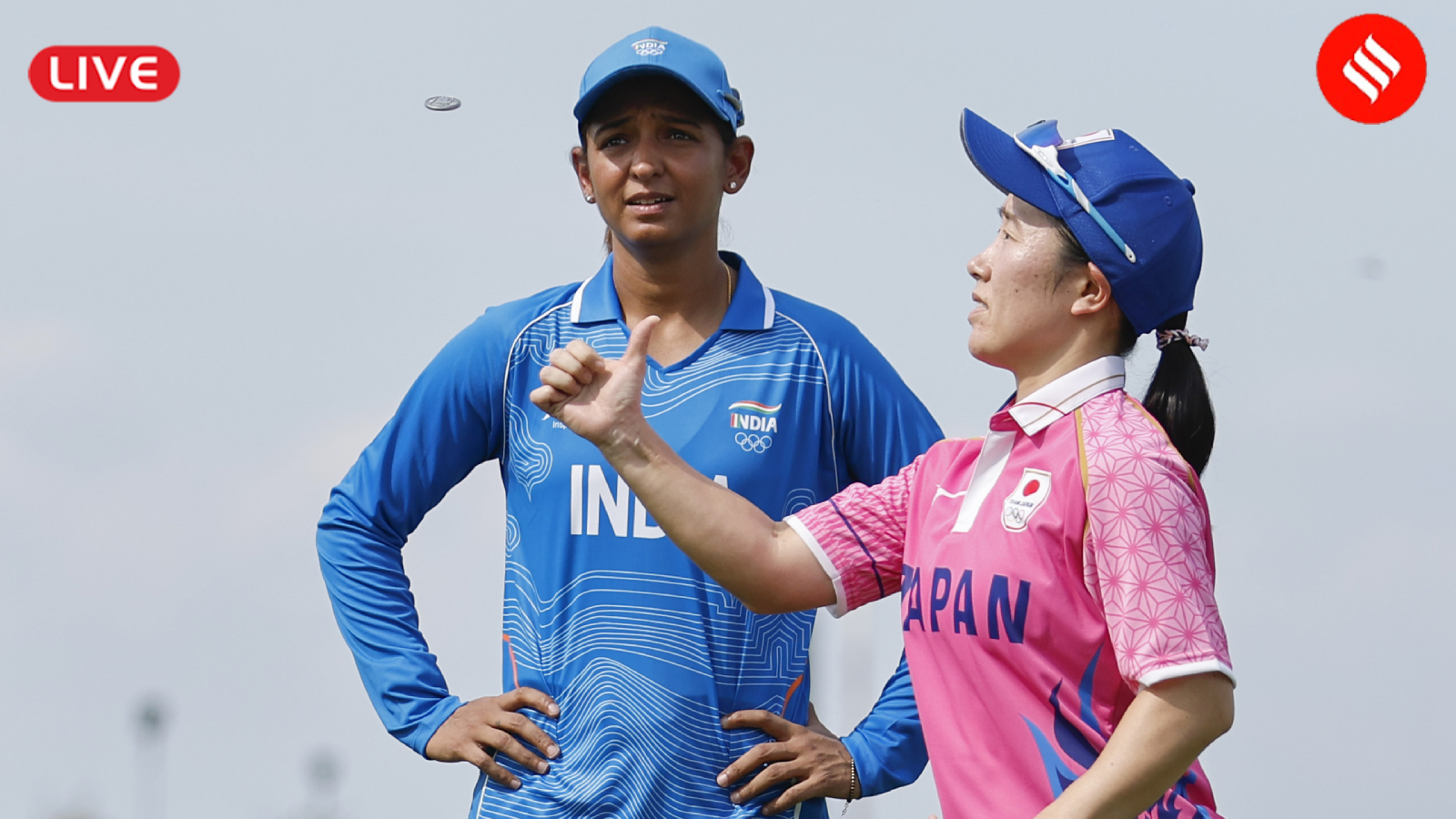
In the realm of international women’s T20I cricket, matches between India and Japan are exceedingly rare, if not non-existent, in official records. This lack of a head-to-head history further underscores the vast difference in experience and exposure between the two cricketing nations. India regularly competes against top-tier teams from around the world, participating in ICC tournaments, bilateral series, and leagues. Japan, on the other hand, is still developing its international cricket program, primarily competing in regional qualifying tournaments and against fellow emerging nations.
This disparity means that India will be walking into largely uncharted territory regarding the specific strengths and weaknesses of the Japanese squad. However, their professional approach dictates that they will rely on their own strengths, execute their core skills, and adapt to any unexpected challenges posed by the opposition. For Japan, the opportunity to play against a cricketing giant like India is an unparalleled learning experience, offering insights into the highest level of the game.
Official Responses and Team Statements
The lead-up to any major tournament is often characterized by carefully crafted statements from team captains and coaching staff, aimed at managing expectations, building team morale, and projecting confidence.
Harmanpreet Kaur’s Perspective
Harmanpreet Kaur, a leader known for her steely resolve, has consistently reiterated the team’s commitment to the "process." Speaking before the tournament, she emphasized, "Our focus is entirely on the process. We’ve had excellent preparations, and the team is gelling well. The gold medal is our ultimate goal, but we understand that we need to take it one game at a time, execute our plans, and play to our strengths. We respect every opponent, and Japan will be no different. We will go out there and give our absolute best." Her calm demeanour and emphasis on collective effort are designed to alleviate individual pressure and foster a unified approach. Regarding her own form, she would likely stress that individual performances are secondary to team success, and that she is confident in her abilities to contribute when it matters most.
Coaching Staff Insights
The Indian coaching staff, led by a strategic head coach, would undoubtedly echo Harmanpreet’s sentiments while providing a deeper tactical outlook. A hypothetical statement from the coach might include, "We’ve analyzed all potential scenarios and prepared for various challenges. The team is in a good space, both physically and mentally. Our aim is to maintain consistency, maximize our powerplay performance, and ensure our bowlers are hitting their marks. We’ve worked on specific areas, including middle-order stability, and we’re confident that the hard work will pay off. The Asian Games is a fantastic platform, and we are here to make our country proud." Such statements underscore the meticulous planning and strategic thinking that goes into preparing a top-tier international cricket team.
Japanese Team’s Outlook
For the Japanese team, the narrative would be one of immense pride, excitement, and a desire to learn and compete. Their captain or coach might articulate, "This is an incredible opportunity for Japanese cricket. To play against a team of India’s caliber in front of our home crowd at the Asian Games is a dream come true for our players. We know it will be a tough challenge, but we are determined to play fearless cricket, execute our basic skills well, and give our absolute best. We want to show the world the potential of Japanese cricket and inspire young athletes in our country." These statements would highlight their underdog spirit and their focus on growth and exposure rather than solely on the outcome.
Broader Implications: India’s Sporting Ambitions at Aichi-Nagoya 2026
The Asian Games is not just a stage for individual sporting achievements; it’s a barometer of national sporting prowess and ambition. For India, the quest for a gold medal in women’s cricket at Aichi-Nagoya 2026 holds significance far beyond the boundaries of the cricket pitch.
Cricket’s Role in India’s Medal Tally
India’s historical medal tally at the Asian Games, standing at 778 medals to date from 19 editions, with 183 gold, pales in comparison to sporting giants like China, who boast an astounding 3,570 medals, including 1,674 gold, from just 14 outings. This stark contrast often fuels the debate about India’s status as a "sporting superpower." However, the inclusion of cricket in multi-sport events like the Asian Games offers a unique opportunity for India to significantly bolster its medal count. Cricket, particularly women’s cricket, is a sport where India has established a clear dominance within Asia, making it a strong and reliable gold medal prospect.
A gold medal from the women’s cricket team would not only add a valuable gold to the national tally but also underscore the importance of investing in sports where India has a genuine chance of international success. It would contribute to the broader narrative of India making its presence felt on the continental sporting stage, slowly but surely chipping away at the perception of being an underperforming sporting nation relative to its population size.
The ‘Portion Control’ Metaphor and Realistic Expectations
The article’s poignant reference to the small, fist-sized sauce-plate, a Japanese trick for "portion control," serves as a powerful metaphor for India’s medal expectations at the Asian Games. It suggests a need for realistic assessment, avoiding the tendency to overwhelm the "dish" of national ambition with an "over-dip" of unrealistic hopes. While India aims for a record medal haul, the diverse nature of the Asian Games, encompassing numerous sports where other nations hold significant advantages, necessitates a balanced perspective.
A gold in women’s cricket, while highly anticipated, should be viewed as a significant achievement within a larger, more complex medal table. It’s about celebrating individual victories and collective efforts, understanding that each medal, regardless of colour, is a testament to years of dedication and sacrifice. This ‘portion control’ philosophy encourages a focus on consistent improvement across all sports, rather than solely on the grand total, fostering sustainable growth in India’s sporting ecosystem.
The Future of Women’s Cricket in Asia
The Asian Games serves as an invaluable platform for the promotion and growth of women’s cricket across the continent. For established teams like India, it’s an opportunity to showcase their dominance and inspire millions. For emerging cricketing nations like Japan, it’s a crucial stepping stone. Participating in such a prestigious event, and especially playing against a world-class team, provides unparalleled exposure, boosts local interest, and helps in the development of infrastructure and talent pathways.
The increasing popularity and professionalism of women’s cricket globally mean that tournaments like the Asian Games play a vital role in expanding the sport’s footprint. The visibility gained from being part of a major multi-sport event can attract new fans, sponsors, and aspiring athletes, ensuring a vibrant future for women’s cricket in Asia and beyond. India’s pursuit of gold, therefore, is not just for national glory but also contributes to the broader narrative of cricket’s expanding global reach.
Conclusion: A Golden Horizon
As the Indian Women’s T20I team steps onto the field at Korogi Sports Park today, the air will be thick with anticipation and the weight of national expectations. Their quarter-final clash against hosts Japan marks the beginning of what promises to be an exhilarating journey towards defending their Asian Games gold medal. While challenges in the form of a developing middle order and the ever-present pressures of elite sport exist, India’s formidable talent, recent successes, and unwavering focus on the "process" position them as the undisputed favourites.
The path to Aichi-Nagoya 2026 gold will undoubtedly present its own set of trials, but for Harmanpreet Kaur and her team, the horizon is distinctly golden. With professional dedication, strategic execution, and the collective spirit that defines this squad, India is poised not just to compete, but to dominate, leaving an indelible mark on the Asian Games and further solidifying their legacy in the annals of women’s cricket.
© IE Online Media Services Pvt Ltd
