

NEW DELHI, September 18, 2026 – Five months since Supreme Court-ordered appellate tribunals began functioning in West Bengal, tasked with addressing a monumental backlog of electoral roll grievances, the Election Commission of India (ECI) has revealed a deeply concerning reality: only a minuscule fraction of the 38.20 lakh appeals have been resolved. In a counter-affidavit submitted to the Supreme Court on Thursday, the ECI stated that a mere 1.02 lakh appeals concerning the deletion and inclusion of electors in the state’s Special Intensive Revision (SIR) of electoral rolls have been disposed of, leaving over 37 lakh cases in limbo.
Compounding the gravity of the situation, the ECI’s affidavit notably failed to provide a detailed break-up of these appeals, specifically omitting how many were filed by citizens seeking re-inclusion after their names were deleted, or by the poll panel itself challenging the inclusion of names. This omission comes despite a clear directive from the Supreme Court, raising questions about transparency and the ECI’s capacity to manage the crisis effectively.
The saga of West Bengal’s electoral rolls has become a significant test of democratic processes and administrative efficiency. Triggered by a perceived "trust deficit" between the ECI and the state’s Trinamool Congress (TMC) government, the Supreme Court took the unprecedented step of mandating judicial officers to adjudicate voter eligibility, followed by the establishment of appellate tribunals. The current figures paint a stark picture of a system struggling under immense pressure, with millions of citizens potentially disenfranchised or facing uncertainty ahead of future elections.
The Unfolding Crisis: A Glimpse into the Staggering Numbers
The ECI’s submission to the Supreme Court confirms the alarming scale of the pending appeals. Of the 38,20,683 appeals lodged against the SIR exercise, a staggering 37,18,452 remain unresolved. This translates to an abysmal disposal rate of just 2.67% since the appellate tribunals commenced operations on April 13, 2026. The sheer volume of pending cases underscores a critical bottleneck in the adjudication process, threatening the integrity and credibility of the electoral roll.
The Special Intensive Revision (SIR) in West Bengal saw significant turbulence. Initially, 27.16 lakh names were ordered for deletion by the judicial officers appointed by the Supreme Court, while 32.9 lakh names were ordered for inclusion. This volatile movement of millions of voters on and off the rolls generated the massive wave of appeals now overwhelming the system. Many of these deleted electors, who had been on the rolls for years, found themselves suddenly removed, leading to widespread anxiety and a rush to file appeals for re-inclusion.
A Crucial Omission: The EC’s Affidavit and SC’s Directive
A central point of contention emerging from the ECI’s counter-affidavit is its failure to segment the appeal data. The petition, filed by West Bengal Congress leader Prasenjit Bose, specifically sought detailed information on the nature of these appeals – whether they pertained to inclusion or exclusion.
During a hearing on August 25, 2026, on a clutch of petitions related to the West Bengal SIR, Justice Joymalya Bagchi, part of a bench headed by Chief Justice of India Surya Kant, had explicitly instructed Senior Advocate D S Naidu, appearing for the ECI, to provide this very breakdown. Justice Bagchi had stated, “Get your data, the nature of the appeals that are filed, whether it is for inclusion or for exclusion. And then we will take a call as to whether we prioritise the exclusion and then inclusion because an inclusion is not affecting an individual right, but an exclusion is denuding a voting right. It will require some prioritisation. Nonetheless, it will bring down the burden (on the tribunals) to some extent.”
The ECI’s non-compliance with this directive is significant. Without this granular data, the Supreme Court’s ability to guide the tribunals in prioritising appeals – particularly those concerning the fundamental right to vote – is severely hampered. The distinction is vital: an appeal for inclusion, while important, does not carry the immediate threat of disenfranchisement that an appeal against deletion does. The absence of this information makes it difficult for both the judiciary and the public to ascertain the true extent of potential voter disenfranchisement.
Chronology of Intervention: The Supreme Court’s Unprecedented Role
The intricate and often contentious process of electoral roll revision in West Bengal has been under intense judicial scrutiny for nearly a year. The Supreme Court’s direct intervention marks an extraordinary chapter in India’s electoral history, born out of a perceived breakdown of trust and efficacy.
- October 2025: The Special Intensive Revision (SIR) of electoral rolls commenced in West Bengal, alongside eight other states and three Union Territories. This exercise was intended to cleanse and update the voter lists.
- October 27, 2025: The SIR was formally announced in West Bengal, setting the stage for the revision process.
- December 17, 2025: The draft electoral roll for West Bengal, a product of the initial SIR exercise, was published. This draft immediately sparked controversy due to the significant number of deletions, estimated at 58.20 lakh.
- February 20, 2026: In a landmark decision, the Supreme Court, acknowledging a "trust deficit" between the ECI and the then-ruling TMC government in West Bengal regarding the electoral roll revision, took the unprecedented step of ordering the adjudication of eligibility of electors by judicial officers. Approximately 700 such officers were deployed across the state. Their mandate was to review the cases of 60.06 lakh electors marked "under adjudication" by the ECI. This move bypassed the traditional administrative channels, reflecting the judiciary’s deep concern over the fairness and transparency of the process.
- February 28, 2026: Following the adjudication by judicial officers, the final SIR roll was published. This revision led to the deletion of 27.16 lakh names and the inclusion of 32.9 lakh names. While many celebrated the inclusion of new voters, the deletions raised significant alarm among political parties and civil society groups, leading to calls for an appellate mechanism.
- March 10, 2026: Recognizing the potential for grievances arising from the judicial officers’ decisions, the Supreme Court ordered the establishment of an appellate mechanism. This was to provide aggrieved citizens a crucial avenue to challenge the orders and seek redress.
- March 20, 2026: The Election Commission of India, acting on the Supreme Court’s directive, formally notified the creation of 19 appellate tribunals. Each tribunal was mandated to comprise a single retired High Court judge, underscoring the seriousness of the judicial review required.
- April 13, 2026: The 19 appellate tribunals officially began functioning, marking the commencement of the current phase of appeal adjudication.
- July 17, 2026: The Supreme Court issued a notice on a petition filed by West Bengal Congress leader Prasenjit Bose, seeking details of pending appeals, as well as additions and deletions to the rolls.
- September 18, 2026: The ECI submits its counter-affidavit, revealing the slow pace of appeal disposals and the omission of crucial data segmentation, triggering renewed concerns.
Deep Dive into Electoral Data: Gender and EP Ratios
Beyond the sheer numbers of appeals, the ECI’s data also offers insights into demographic shifts within the electoral roll, raising further questions about the thoroughness and impact of the SIR exercise.
The gender ratio of the electoral roll – the number of female voters per 1,000 male voters – fluctuated significantly during the SIR process.
- As of January 1, 2025, the gender ratio stood at 969.
- It slightly increased to 970 on October 27, 2025, the day the SIR was announced.
- However, a sharp drop was observed in the draft electoral roll published on December 16, 2025, where the ratio plummeted to 956. This significant dip during the initial phase of the SIR suggests that a disproportionate number of female voters might have been removed or faced hurdles in registration.
- The final SIR roll, published on February 28, 2026, showed a slight recovery to 964, but it still remained lower than the pre-SIR figures. This decline, even if marginal, warrants closer examination, as it could indicate systemic issues in how female voters are identified and registered, or potential errors in the deletion process.
Furthermore, the Electors to Population (EP) ratio – a key indicator of the health and completeness of an electoral roll – for West Bengal also presents an interesting picture. With a projected population of 10.40 crore as of January 1, 2026, and 6.44 crore electors, the EP ratio stands at 0.62, or 62 electors per 100 population. This figure is notably lower than the national EP ratio of 66.76 (electors per 100 population) recorded during the 2024 Lok Sabha elections.
A lower EP ratio in West Bengal could imply several things: either a significant portion of the eligible adult population is not registered to vote, or there are continued discrepancies in the population projection data used. While a perfect match is never expected, a notable divergence from the national average, especially after an intensive revision exercise, raises questions about the comprehensiveness of the voter list. It might suggest that despite the SIR, a considerable number of eligible citizens remain outside the electoral framework, or that the process of deletion was overly aggressive.
Administrative Hurdles and Procedural Bottlenecks
The ECI’s data on Form 6 (voter registration) and Form 7 (voter deletion) further highlights the immense administrative burden and potential procedural bottlenecks.
- From December 17, 2025, to August 7, 2026, a total of 34.13 lakh Form 6 applications were filed. These applications would encompass new voters as well as those from the 58.20 lakh electors initially deleted in the draft stage, attempting to regain their voting rights. Out of these, a significant 4.86 lakh forms remained unprocessed, and 7.26 lakh forms for enrolment were rejected, with only a paltry 14,079 accepted. The high rejection and unprocessed rates for Form 6 are particularly concerning, as they represent lost opportunities for eligible citizens to register.
- Concurrently, 6.39 lakh Form 7 applications for deletion were filed. Of these, 14,506 were rejected, and 3,355 were accepted. While the acceptance rate for Form 7 is relatively low, the sheer volume of forms processed indicates the ongoing dynamic nature of electoral roll management.
The disparity between the number of forms filed and the number accepted or even processed, particularly for inclusion, points to potential systemic inefficiencies. This could be due to a shortage of trained personnel, inadequate infrastructure, or overly stringent verification processes. Regardless of the cause, these figures indicate a system struggling to cope with the demands of an intensive revision exercise, leaving many citizens frustrated and unheard.
Voices from the Ground: The Human Impact
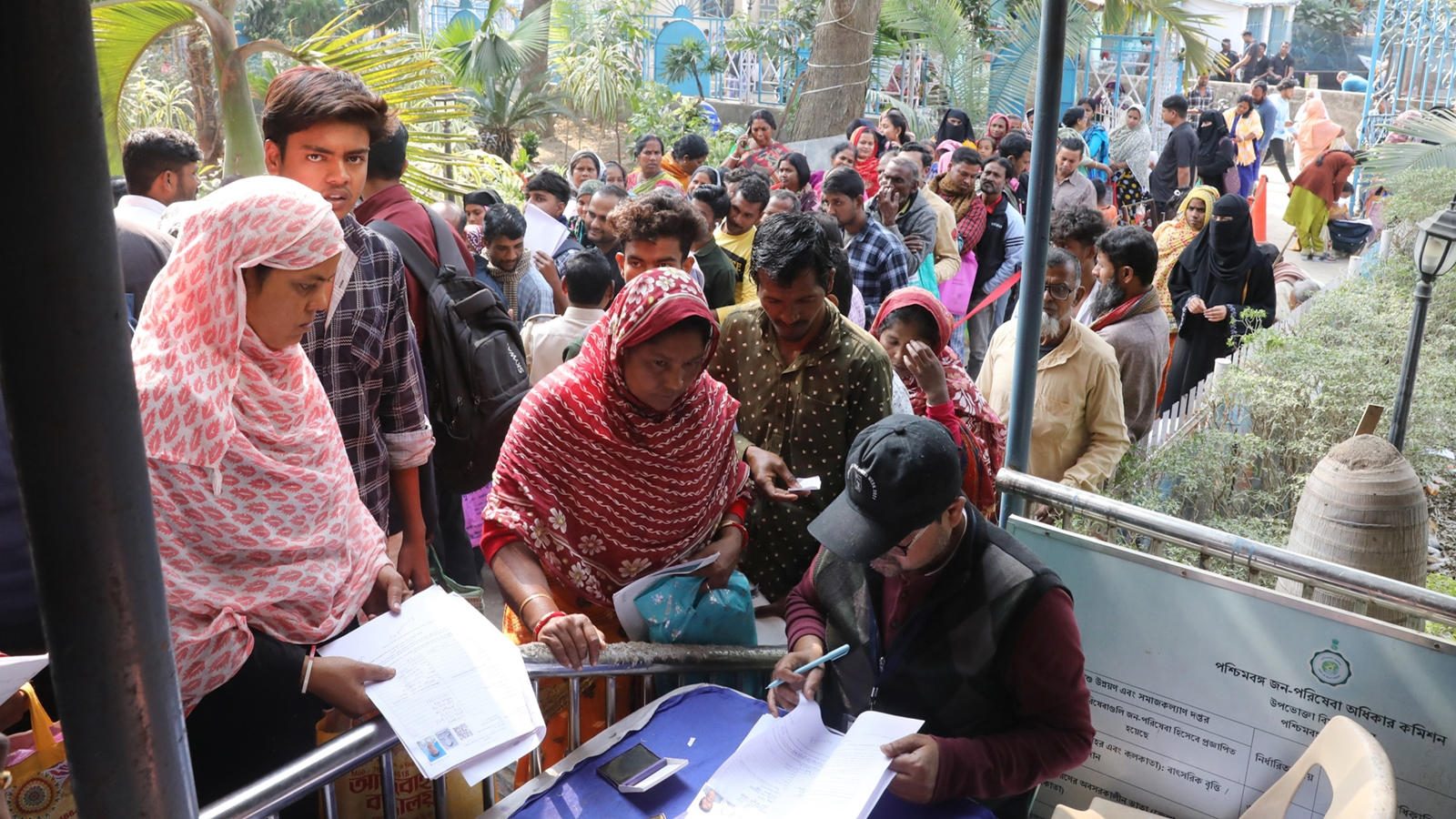
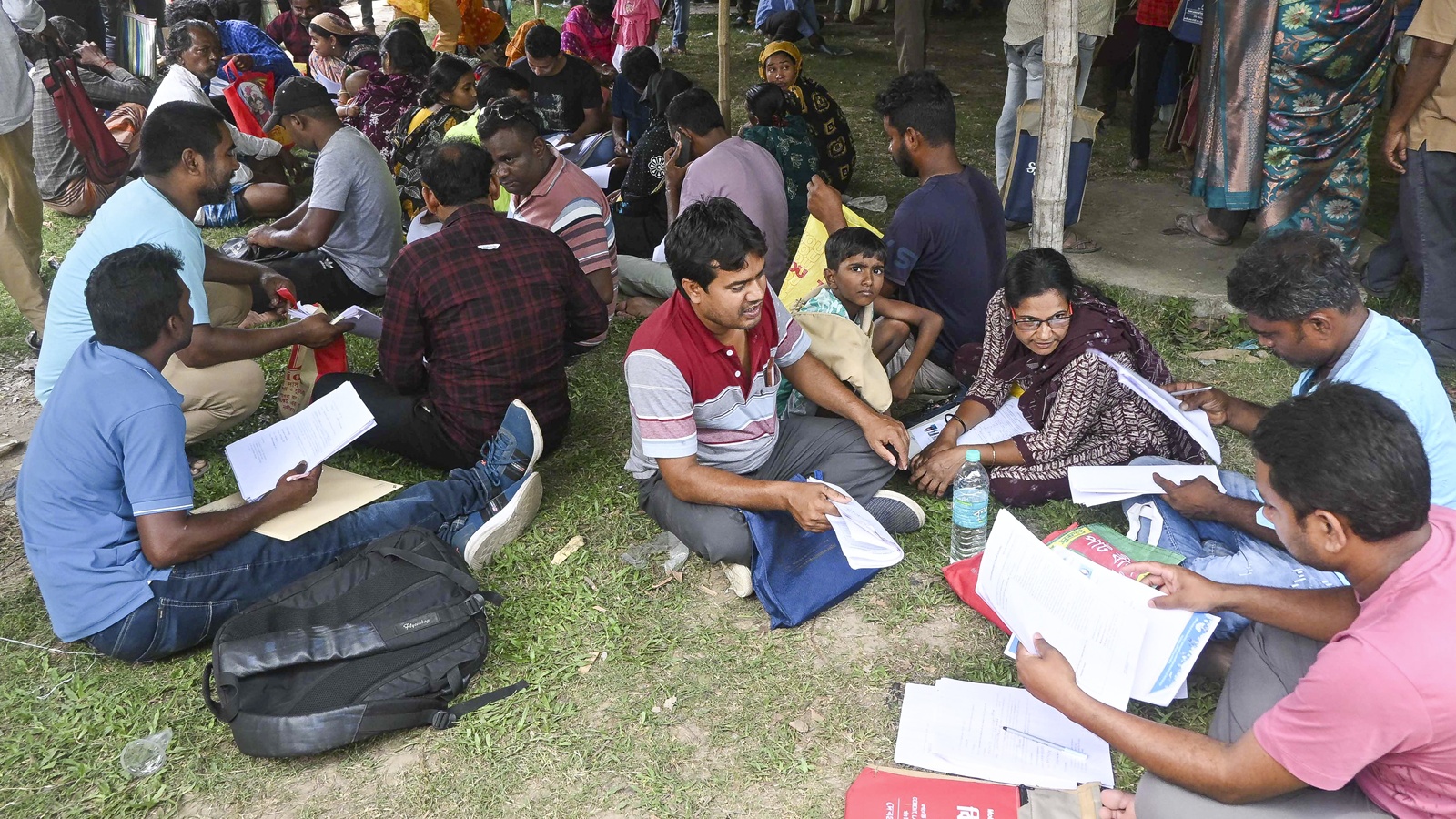
Behind these cold statistics are millions of individuals whose fundamental right to vote hangs in the balance. The image of people queuing up before a tribunal in Nadia district, whose names were deleted from the SIR in West Bengal, is a poignant reminder of the human cost of administrative delays and procedural complexities. Many of these citizens, often from marginalized communities, lack the resources, time, or legal expertise to navigate a prolonged and complicated appeals process. For them, every trip to a tribunal, every document required, and every day of waiting represents a significant burden, potentially eroding their faith in democratic institutions.
"The process has been incredibly difficult," recounted a 65-year-old resident of Murshidabad, who wished to remain anonymous, outside a tribunal hearing. "My name was on the list for decades, then suddenly it was gone. I’ve had to take days off work, travel long distances, just to prove I am who I am. It’s exhausting, and I just hope my vote will be restored." Such testimonies underscore the tangible impact of the ECI’s administrative challenges on the lives of ordinary citizens.
Expert Perspectives on Electoral Integrity
Legal and electoral experts have voiced concerns over the slow pace and the ECI’s failure to provide comprehensive data. "The Supreme Court’s intervention was meant to fast-track the resolution of disputes and restore confidence," stated Dr. Alok Ranjan, a leading constitutional law expert. "However, the current disposal rate of appeals is deeply worrying. It suggests that the appellate mechanism, despite being headed by retired High Court judges, is simply overwhelmed or not adequately resourced. The ECI’s failure to provide the requested data breakdown is also problematic, as it hinders judicial oversight and the ability to address the most critical cases of disenfranchisement."
Ranjan further elaborated, "The very purpose of a Special Intensive Revision is to ensure a clean and accurate electoral roll. But if the appeal mechanism fails to deliver timely justice, the integrity of the entire exercise comes into question. This could have significant ramifications for voter confidence and political stability in West Bengal."
An election watchdog representative, who preferred not to be named given the sensitivity of the matter, added, "The ‘trust deficit’ that the Supreme Court identified is precisely what is exacerbated when such a massive number of appeals remain pending and critical data is withheld. Transparency is paramount in electoral processes. Without it, allegations of bias or inefficiency will inevitably surface, regardless of the ECI’s intentions."
Political Repercussions and the Road Ahead
The ongoing voter list crisis is likely to become a hot-button political issue in West Bengal. Opposition parties are expected to seize upon the ECI’s affidavit as evidence of administrative failure and potential disenfranchisement of voters, particularly ahead of any upcoming local or state elections. The ruling TMC, while initially at odds with the ECI, will also be keenly watching the process, as the final electoral roll will directly impact their political fortunes.
The Supreme Court is now faced with a complex challenge. Given the ECI’s limited progress and the lack of specific data, the bench may need to issue further, more stringent directives. Potential actions could include:
- Setting strict deadlines for appeal disposal: Mandating a timeframe for the tribunals to clear the backlog.
- Demanding immediate data segmentation: Insisting on the break-up of appeals for inclusion vs. exclusion to enable prioritisation.
- Increasing the capacity of tribunals: Exploring options to augment the number of judges or support staff if the current 19 tribunals are insufficient.
- Monitoring the process more closely: Appointing an independent body or special officer to oversee the appeal adjudication.
The resolution of these pending appeals is not merely an administrative task; it is a fundamental democratic imperative. The right to vote is the cornerstone of any democracy, and ensuring that every eligible citizen is on the electoral roll and has the opportunity to exercise that right is paramount. The current situation in West Bengal demands urgent and decisive action from all stakeholders to uphold the sanctity of the electoral process.
Conclusion
The latest revelations from the Election Commission of India paint a grim picture of the electoral roll revision in West Bengal. With over 37 lakh appeals still pending and crucial data conspicuously absent from its affidavit, the ECI faces mounting pressure to expedite the adjudication process and enhance transparency. The Supreme Court’s unprecedented intervention set a high bar for electoral integrity, but the administrative machinery appears to be struggling to keep pace. As millions of citizens await clarity on their voting rights, the unfolding crisis in West Bengal serves as a critical reminder of the intricate challenges in managing the world’s largest democracy and the enduring importance of ensuring every vote counts. The coming months will be crucial in determining whether the electoral system can deliver justice to those whose democratic voice currently remains unheard.
