

For centuries, the image of paan in the Indian collective consciousness was bifurcated. On one hand, it was the nostalgic, domestic ritual of a grandmother opening her gleaming brass paan daan, carefully layering lime and catechu on a fresh leaf. On the other, it was the gritty reality of the neighborhood street corner—a small wooden shack where a paanwala deftly folded betel leaves for a few rupees, an experience often marred by the unsightly aftermath of public spitting and red-stained pavements.
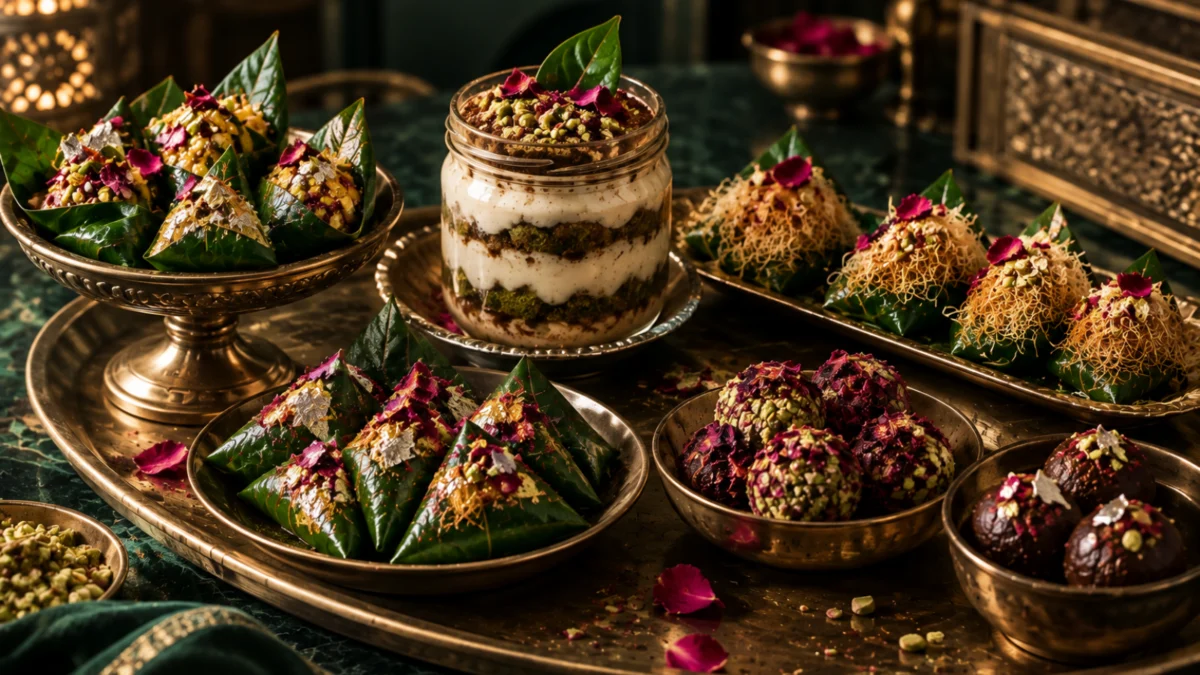
Today, that narrative is being aggressively rewritten. The humble betel leaf has migrated from the roadside kiosk to the white-tablecloth environments of fine-dining restaurants and the high-stakes world of billionaire weddings. No longer just a post-meal digestive, paan has been reimagined as a premium botanical ingredient, an artisanal gift, and a high-status culinary experience.
Main Facts: The Industrialization of an Ancient Ritual
The transformation of paan is not merely aesthetic; it is a structural shift in the food and beverage industry. What was once a fragmented, unorganized sector is now seeing the rise of branded retail chains like Mast Banarasi Paan, Paan Casa, and The Paan Company. These entities are applying modern business principles—hygiene standards, standardized supply chains, and digital marketing—to a tradition that remained unchanged for generations.
The market has bifurcated into three distinct tiers:
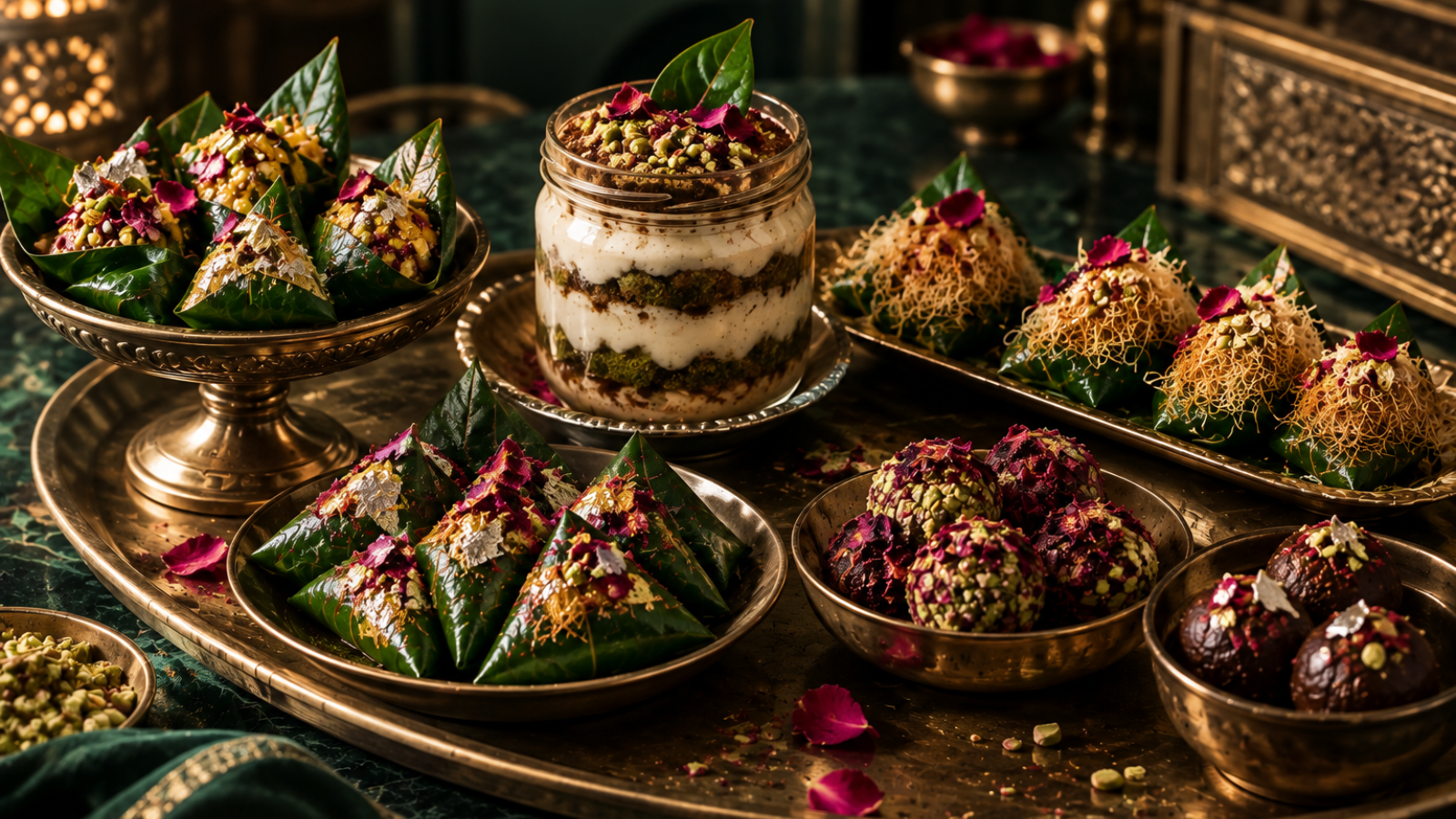
- Organized Retail: Branded outlets offering standardized, hygienic paan variations starting at approximately ₹150.
- Culinary Integration: High-end chefs incorporating betel leaf elements into savory dishes and deconstructed desserts.
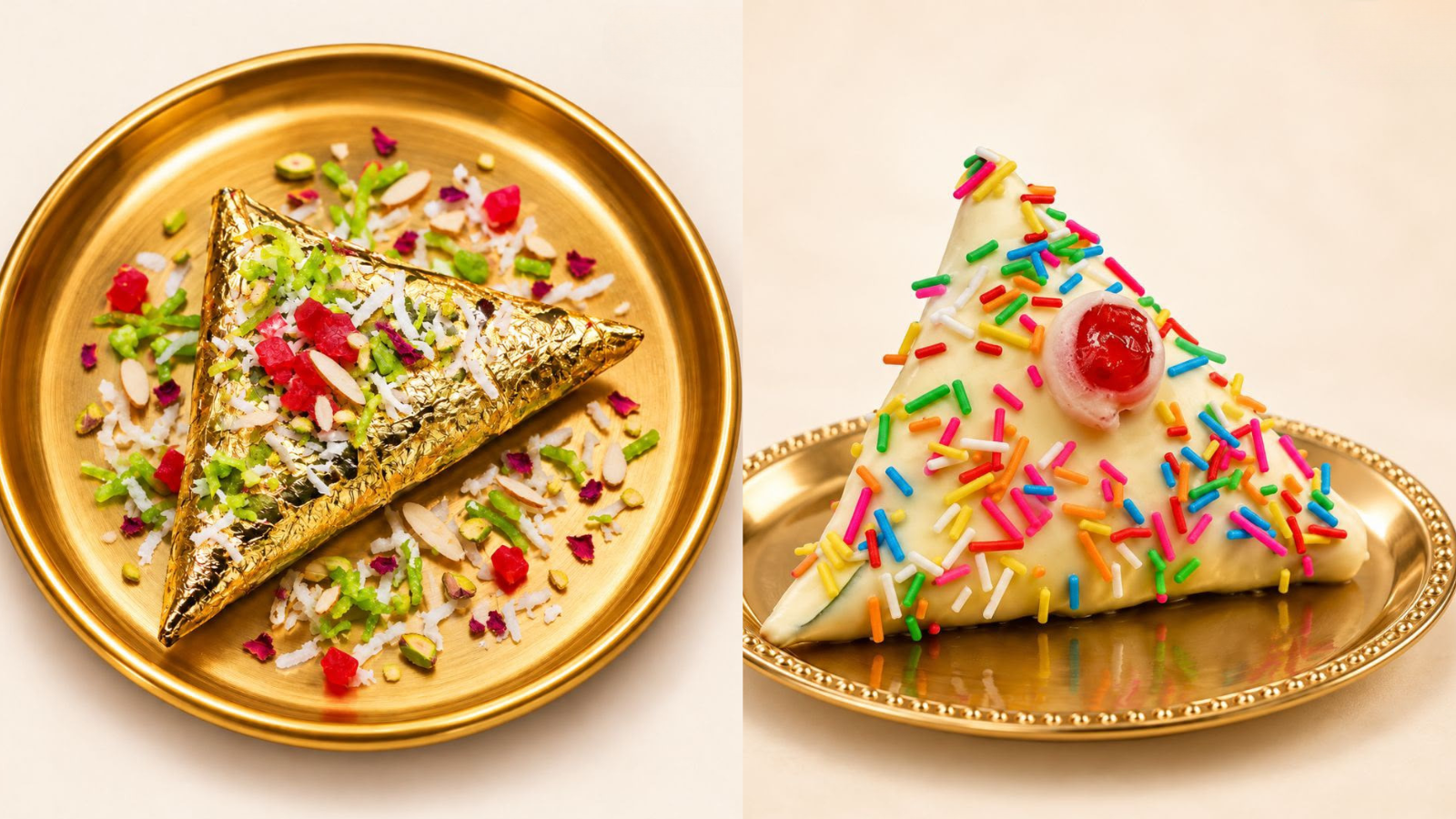
- Ultra-Luxury Bespoke: Customized experiences for weddings and corporate events where a single paan can be gilded in edible gold, or a live counter can cost upwards of ₹70,000.
Experts suggest that this "premiumization" is a deliberate attempt to decouple the betel leaf from its historical stigmas and align it with the global luxury market, similar to how artisanal chocolate or fine wine is marketed.
Chronology: From Tradition to Gimmick to Gourmet
The evolution of paan over the last few decades can be traced through four distinct phases:
Phase 1: The Domestic Ritual (Pre-1990s)
Paan was a staple of Indian hospitality. The paan daan (a compartmentalized silver or brass box) was a fixture in aristocratic and middle-class homes alike. It represented a "slow, meditative ritual," as described by culinarian Dr. Malini Saba. Consumption was intimate, shared across generations after family meals.
Phase 2: The Street-Side Commodity (1990s–2010s)
As urbanization accelerated, the domestic ritual faded, replaced by the ubiquitous roadside paan shop. While convenient, this phase associated paan with tobacco-based additives (gutka) and poor public hygiene. The leaf became a commodity, sold for nominal prices, and lost its status as a refined culinary art.
Phase 3: The "Novelty" Wave (2010s–2020)
To attract a younger demographic, vendors began experimenting with "gimmick" paans. This era saw the rise of the "Fire Paan," "Ice Paan," and the "Chocolate Paan" filled with commercial syrups and candy. While these went viral on social media, purists like Dr. Saba argued they "suffocated the natural, earthy pepperiness of the betel."
Phase 4: The Gourmet Era (2021–Present)
The current phase is characterized by a return to the botanical roots of the leaf, but with a modern, "architectural" approach. Chefs and entrepreneurs are focusing on the terroir of the leaf, the purity of ingredients like gulkand (rose petal jam), and sophisticated presentation techniques.
Supporting Data: The Economics of the Premium Leaf
The pricing of paan in the modern market reflects its new status. While a traditional meetha paan at a local shop might still cost ₹20 to ₹30, the luxury segment operates on an entirely different scale.
- Retail Premium: Branded outlets like Paan Casa offer signature varieties ranging from ₹300 to ₹800.
- The Aphrodisiac Segment: In Delhi, Mast Banarasi Paan offers a specialized "aphrodisiac" paan priced at ₹5,100, targeting a niche luxury consumer.
- The Wedding Economy: For destination weddings and elite celebrations (including those of the Ambani and Adani families), the paan experience is sold as a package. Live premium counters for weddings range from ₹15,000 for small setups to ₹70,000 for elaborate, customized installations.
- The Gold Standard: Brands like Banaaras have introduced the "Banaaras Special Paan," wrapped in edible gold leaf and priced at ₹799, positioning it as "affordable luxury" for gifting.
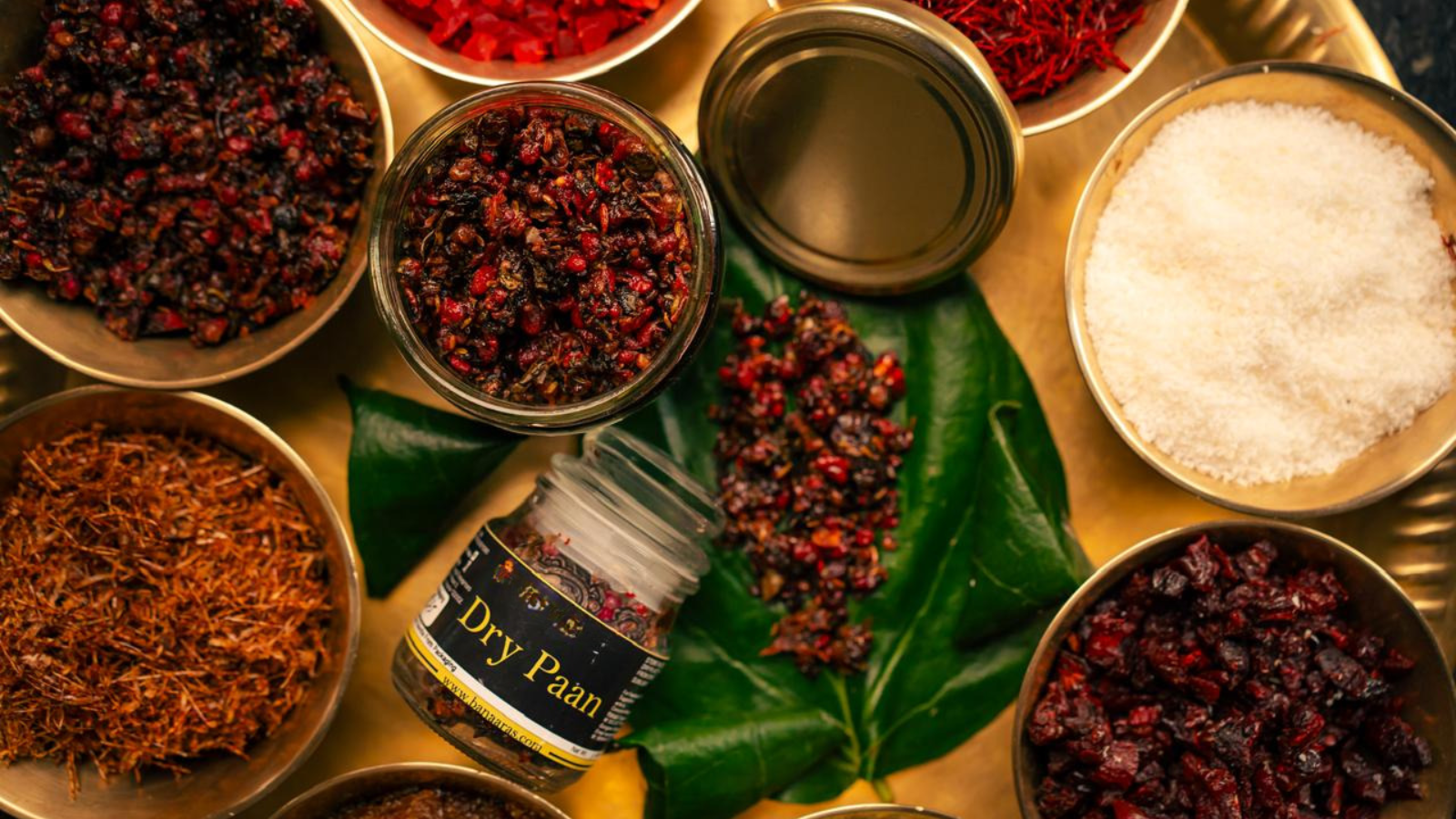
- Shelf Life Innovation: Traditional fresh paan lasts roughly 72 hours. However, the development of "dry paan"—a dehydrated, artisanal version—has extended the shelf life to eight months, opening doors for international shipping and luxury hampers.
Official Responses: Insights from the Architects of the Trend
The shift toward premiumization is being driven by a new class of "paan-preneurs" and culinary experts who view the betel leaf through a professional lens.
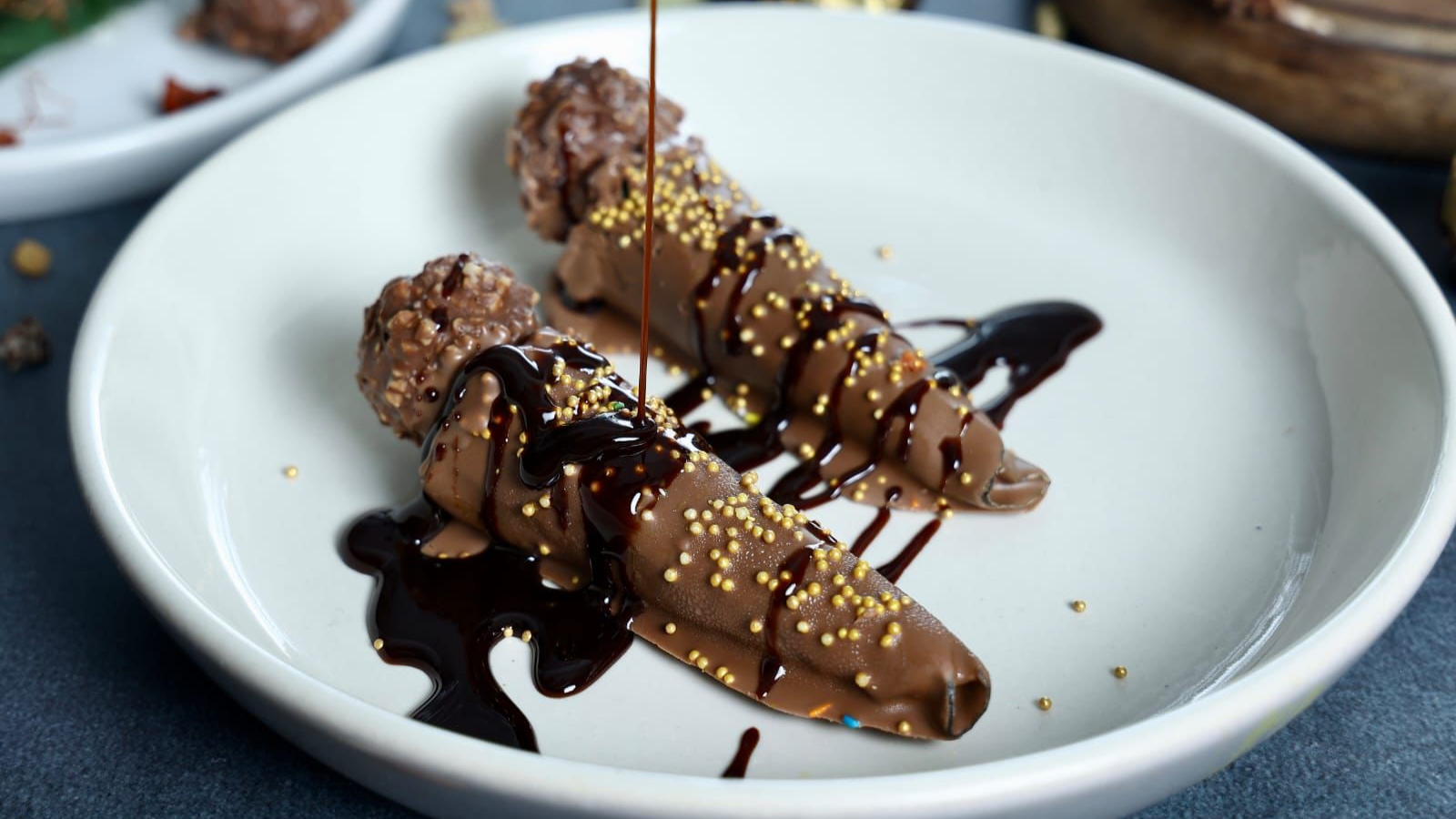
Siddharth Gupta, Founder of The Paan Company, emphasizes that luxury is defined by the "completeness of the experience." Having designed paan experiences for India’s wealthiest families, Gupta notes that the leaf is no longer just a wrapper; it is the centerpiece of a curated event. "In weddings, paan is now an experience in itself… we’re seeing strong interest in paan-inspired gifting, including DIY kits and truffles," he says.
Dr. Malini Saba, Culinarian and Author, views the trend as a "deliberate, almost architectural shift." She argues that the industry is finally giving the betel leaf the "culinary respect we give to fine chocolate or artisanal cheese." For Saba, the move away from gimmicky chocolate toppings toward understanding the "botanical terroir" of the leaf is the true mark of gourmet evolution.
Mehul Patel, CEO of Mr Paanwala and Paan Casa, highlights the importance of variety. He points out that different leaves—Maghai, Calcutta Meetha, and Kapoori—offer different profiles. "Kapoori allows flavours such as mango, rose, berries, chocolate, and saffron to come through," Patel explains, indicating that the choice of leaf is now as critical as the choice of a grape variety in winemaking.
Rishab Thukral, Founder of Banaaras, focuses on the sensory psychology of the consumer. "Paan is consumed first with the eyes, then with the nose, and finally with the tongue," Thukral says. This philosophy has led to a focus on packaging that signals hygiene, craftsmanship, and exclusivity, making the act of opening a paan box akin to opening a box of high-end confectionery.
Implications: Cultural Reclamation and Global Potential
The premiumization of paan carries significant implications for Indian culture and the global food market.
1. Cultural De-stigmatization
By moving paan into hygienic, upscale environments, the industry is effectively scrubbing away the "dusty" and "unsightly" associations of the past. This allows younger, urban Indians to engage with their heritage without the baggage of traditional street-side consumption. As Dr. Saba notes, when young Indians see paan reimagined with sleek design, it becomes a "sophisticated lifestyle choice" rather than a "frozen-in-amber" obligation to the past.
2. Culinary Innovation
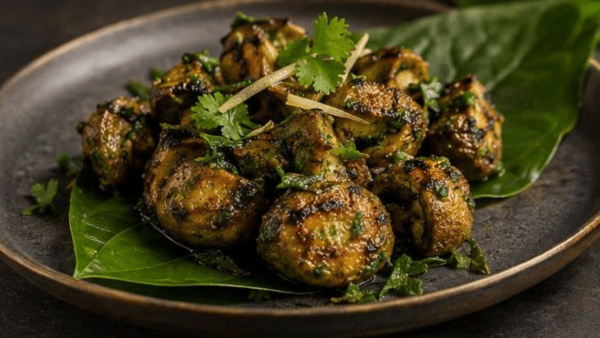
The integration of paan into mainstream menus—such as the paan mushroom starters at The Oberoi RajVilas or paan tiramisu—suggests that the flavor profile of the betel leaf is being deconstructed. Chefs are now using its elements (rose, fennel, cardamom, and the leaf’s own peppery notes) to create entirely new flavor palettes, moving beyond the "mouth freshener" category.
3. Global Exportability
The advent of "dry paan" and luxury packaging solves the primary hurdle to the betel leaf’s global expansion: perishability. With a shelf life of eight months, Indian luxury paan brands are now positioned to enter the global gifting market, sitting alongside Swiss chocolates and French macarons in international airports and luxury retail stores.
4. The "Wedding Effect" as a Market Driver
The Indian wedding industry, valued at billions of dollars, serves as the ultimate incubator for this trend. As high-profile families demand increasingly unique experiences, the paan counter has evolved into a theatrical performance. This "trickle-down" effect ensures that what starts as a ₹20,000 bespoke experience at a billionaire’s wedding eventually influences the offerings at branded retail kiosks in shopping malls.
Conclusion
The betel leaf is currently enjoying a renaissance. From the gleaming silver paan daan of the 19th century to the gold-wrapped, dehydrated luxury hampers of the 21st, the journey of paan reflects the changing aspirations of India itself. By blending nostalgia with modern culinary science and luxury branding, the "humble" paan has proven that even the most traditional rituals can find a new, profitable, and sophisticated vocabulary in the modern world. The leaf has not changed, but the world around it certainly has.
