

New Delhi – September 18, 2026, 10:00 PM IST
The allure of traditional Indian textiles often lies in their rich history, intricate craftsmanship, and the stories they weave into every thread. However, this very richness can also lead to widespread misconceptions, as recently highlighted when Bollywood icon Rani Mukerji graced an event in a striking dark green Kanjeevaram silk sari. The sheer elegance and opulent zari work of her attire led many to mistakenly identify it as a Paithani, a testament to the sari’s iconic status and the public’s often-simplified understanding of its unique characteristics.
This widespread confusion underscores a critical need to delve deeper into what truly defines a Paithani sari, a protected heritage textile that proudly bears a Geographical Indication (GI) tag since 2010. Woven predominantly in the historic Paithan taluka of Chhatrapati Sambhajinagar (formerly Aurangabad) district and the Yeola taluka of Nashik district in Maharashtra, the Paithani sari is far more than just a colour or a general aesthetic. It is a sophisticated tapestry of time-honoured weaving techniques, premium silk, lustrous zari, and iconic motifs, each element contributing to its unparalleled identity.
To unravel the true essence of this celebrated Maharashtrian craft, we spoke with leading design experts who shed light on the common myths and the distinct markers that set a Paithani apart. This in-depth exploration aims to educate and celebrate the genuine artistry that makes the Paithani sari a treasured heirloom.
The Genesis of a Masterpiece: Defining Paithani’s Unique Identity
A common misconception, often perpetuated by superficial observations, is that Paithani is merely a particular "look" or a specific colour palette. However, experts are quick to correct this notion, emphasizing that the true identity of a Paithani lies in its fundamental construction and the meticulous weaving process.
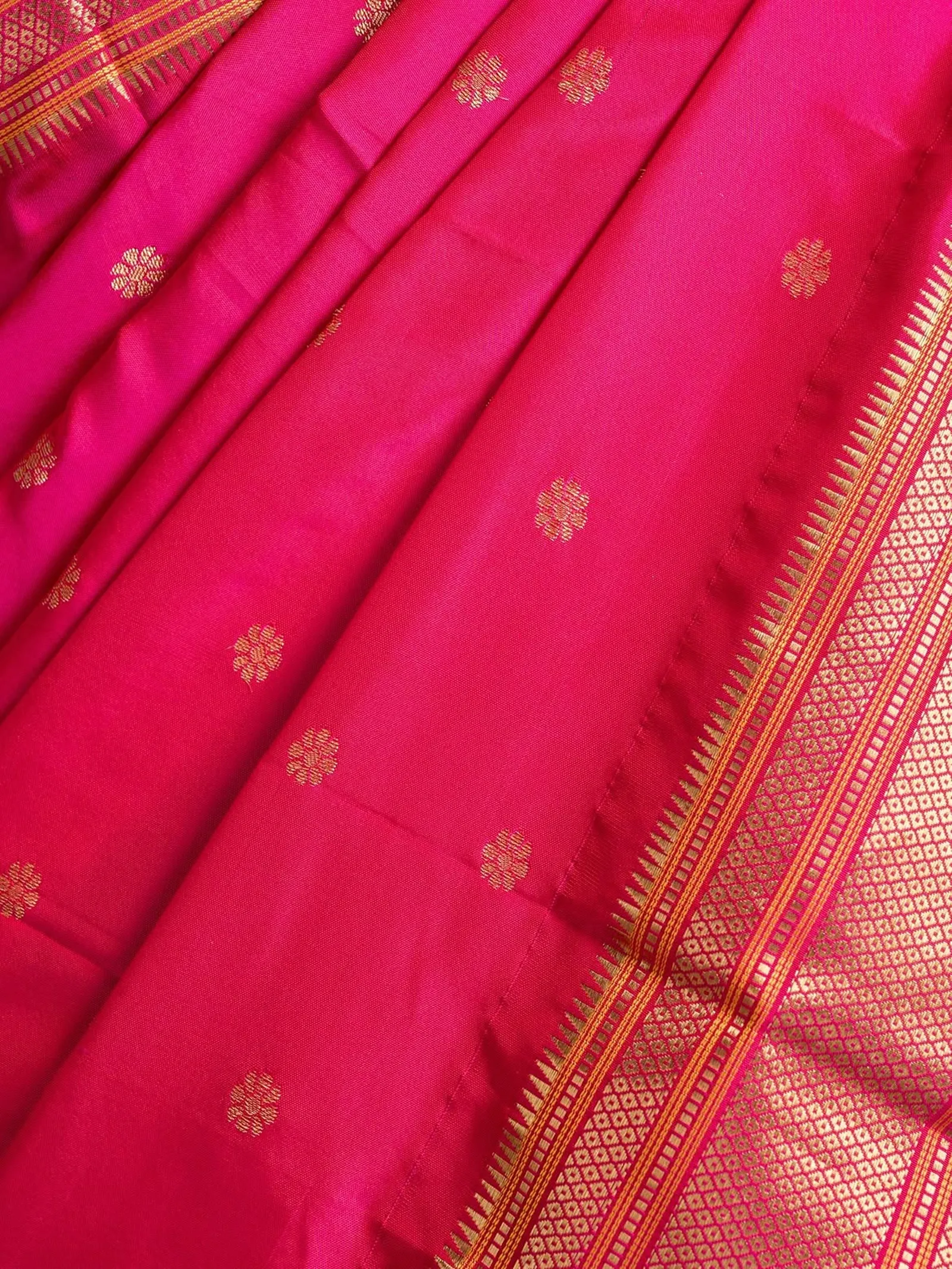
Yash Sahu, Academic Lead and Design Faculty at IMS Design and Innovation Academy, Noida, explains, "The biggest misconception is that Paithani is a colour or a particular ‘look’. But in reality, a Paithani is identified by its weaving technique, silk, zari, motifs, and the way the pallu and border are constructed." This intricate interplay of elements forms the bedrock of Paithani’s authenticity, distinguishing it from other silk weaves.
Nien Siao, Dean of JS Institute of Design, New Delhi, further elaborates on these defining characteristics. "Traditionally, Paithani is woven using fine mulberry silk with zari work," she states. The choice of silk is crucial, providing the drape and sheen that are characteristic of high-quality handloom textiles. The zari, often made from pure gold or silver threads, adds a layer of opulence and intricate detailing.
The Tapestry Technique: A Handwoven Marvel
One of the most significant identifiers of a Paithani sari is its unique weaving technique. "One of its defining characteristics is its tapestry-style handweaving technique," Siao explains. Unlike many other saris where motifs might be printed or embroidered onto the fabric after it’s woven, Paithani motifs are an integral part of the weaving process itself.
"The decorative motifs are not printed or simply embroidered onto the finished fabric. Instead, they are painstakingly created during the weaving process itself, with coloured threads interlocked by hand using small bobbins traditionally known as kakda," she elaborates. This meticulous process, where each coloured thread is carefully intertwined by hand, results in a seamless integration of design with the fabric, giving the motifs a distinct depth and texture. The term kakda refers to the small, shuttle-like bobbins used to carry the weft threads through the warp, allowing for intricate colour changes and the creation of complex patterns directly within the weave.
The Pallu and Border: Canvas of Cultural Narratives
According to Siao, "the pallu and borders are particularly important identifiers of Paithani." These sections of the sari often serve as the most elaborate canvases, showcasing the pinnacle of the weaver’s skill and artistic vision. The borders, which run along the length of the sari, and the pallu, the decorative end piece, are where the most intricate and iconic motifs are typically found.
"Its visual vocabulary includes motifs such as the mor or peacock, lotus, mango, muniya or parrot, asawali floral forms, and other nature-inspired elements," Siao details. These motifs are not merely decorative; they are deeply embedded in Maharashtrian culture and symbolism. The peacock, a symbol of royalty and beauty, the lotus, representing purity and prosperity, and the mango, signifying fertility and auspiciousness, are recurrent themes.
Furthermore, these motifs often reflect the broader artistic and cultural heritage of Maharashtra. "Several of these motifs also reflect the broader artistic and cultural vocabulary of Maharashtra, including influences associated with the art of the Ajanta and Ellora caves," Siao adds. This connection to ancient art forms, with their flowing lines and vibrant imagery, imbues Paithani saris with a sense of timeless elegance and historical significance. The intricate floral patterns and animal motifs found in the cave paintings find echoes in the delicate craftsmanship of the Paithani weave, creating a beautiful continuum of artistic expression.
Debunking the Myths: Beyond the Glitter of Zari and the Shade of Green
The misconception surrounding Rani Mukerji’s sari highlights two prevalent myths about Paithani: the assumption that more zari equates to greater authenticity, and that a particular colour, such as dark green, is a definitive marker. Experts are keen to dispel these notions.
Yash Sahu reiterates the point about zari: "Another common misconception, Sahu says, is that more zari means a more authentic Paithani. A sari can look extremely rich and still not be a Paithani." While zari work is an integral part of the Paithani aesthetic, its abundance is not the sole determinant of its authenticity. The quality of the silk, the intricacy of the weave, and the presence of traditional motifs are far more critical. A sari overloaded with zari but lacking these core elements would not qualify as a genuine Paithani.
The issue of colour is perhaps the most easily rectified myth. "And the dark green misconception is probably the easiest myth to correct," Sahu states. "Green is certainly seen in traditional Paithani colour palettes, but colour alone has absolutely no power to authenticate the sari." The beauty of Paithani lies in its diverse colour spectrum, which includes vibrant reds, deep blues, regal purples, and serene greens, often with contrasting borders and pallus. However, a dark green hue, by itself, does not signify a Paithani.
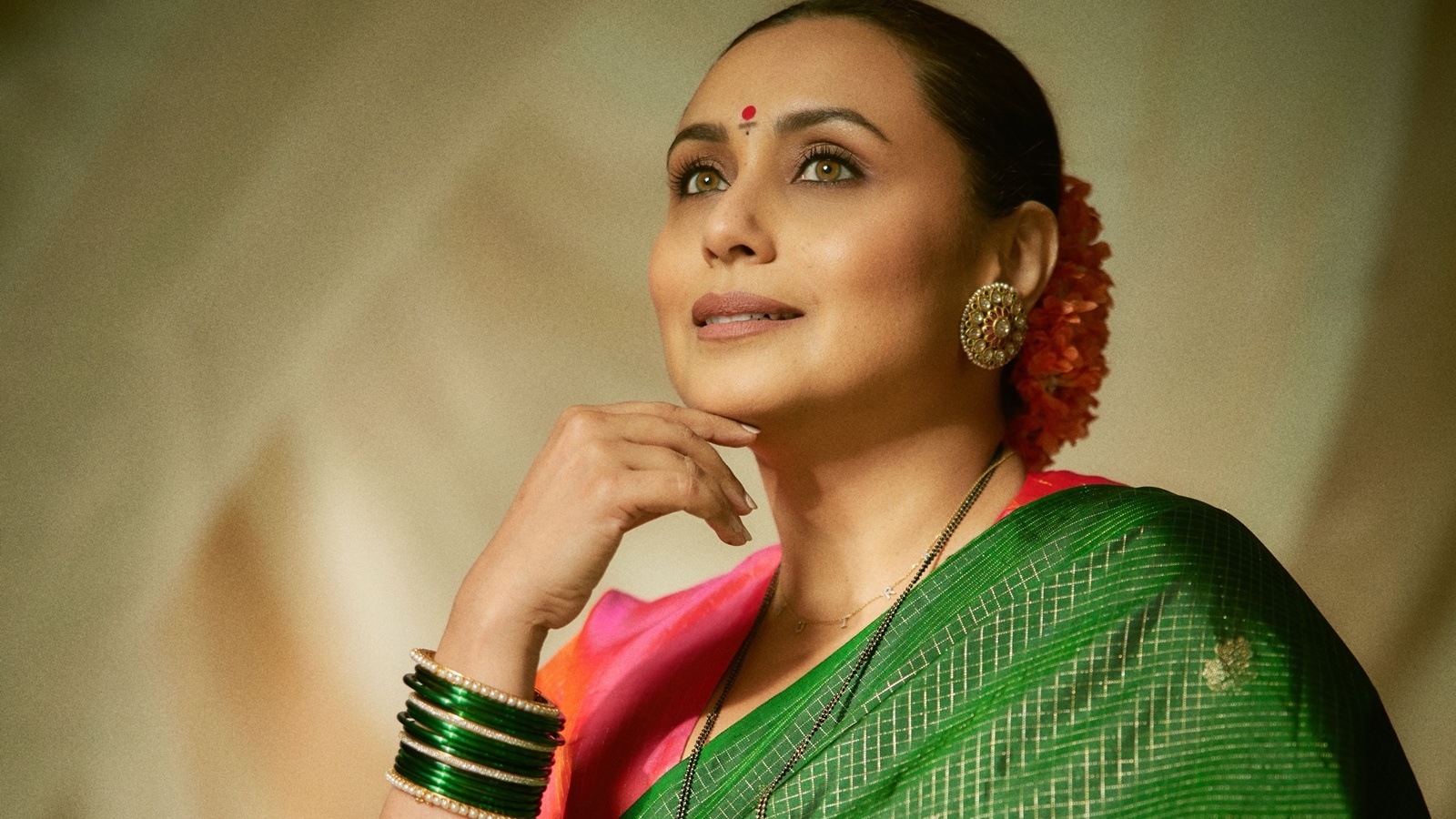
Sahu elaborates on this point with a clear analogy: "You can make a dark green sari in powerloom polyester, in machine-made silk, or in another weaving tradition altogether. It doesn’t become Paithani because you add a golden border," he reiterates. This statement emphasizes that the technique of weaving, the quality of the material, and the specific design elements are paramount. A powerloom polyester sari, even with a golden border, would not possess the inherent artistry and craftsmanship of a handwoven Paithani. The distinction lies in the fundamental method of creation.
A Chronology of Craft: The Historical Trajectory of Paithani
The very name "Paithani" offers a significant clue to its origins. Nien Siao explains that the sari derives its name from Paithan, an ancient town situated on the banks of the Godavari River in what is now the Chhatrapati Sambhajinagar district of Maharashtra.
"Known in antiquity as Pratishthana, the town served as the capital of the Satavahana dynasty and emerged as an important centre for trade and textile production," Siao informs. Historical records suggest that the weave was originally known as Pratishthani, a name that gradually evolved over centuries into the modern term, Paithani. This ancient lineage underscores the deep historical roots of the craft, linking it to a period of significant cultural and economic prosperity in the region.
From Divine Garment to Royal Patronage
Historically, the Paithani sari was regarded with immense reverence, often referred to as Dev Vastra, or "cloth of the Gods." This designation reflects the profound cultural and ceremonial significance associated with the textile. It was not merely an article of clothing but was considered sacred, likely used in religious ceremonies and for adorning deities.
Over the centuries, the craft received substantial patronage from various ruling dynasties, which played a crucial role in its evolution and refinement. "The Satavahanas supported organised communities of weavers, while later dynasties, including the Yadavas, contributed to the evolution of its brocade traditions," Siao elaborates. The Satavahana period, marked by the establishment of organised weaving communities, laid a strong foundation for the craft. The Yadavas, in turn, are credited with fostering the development of intricate brocade work, adding further complexity and richness to the weaves.
The craft continued to thrive under subsequent rulers. "Paithani continued to receive patronage during the Mughal period, but it was under the Peshwas in the 18th century that the textile experienced one of its most significant periods of prominence," Siao notes. The Mughal era likely saw the integration of new design elements and techniques, while the Peshwa rule, particularly in the 18th century, marked a golden age for Paithani. This period witnessed a surge in demand and artistic innovation, leading to the creation of some of the most exquisite and elaborate Paithani saris. The Peshwas, known for their appreciation of fine arts and textiles, commissioned numerous saris, further elevating the status and artistry of Paithani weaving.
Supporting Data and Expert Insights: Quantifying the Craftsmanship
While it’s challenging to quantify the exact number of weavers or the volume of production for a heritage craft like Paithani, the sustained demand and the GI tag serve as indicators of its economic and cultural importance. The GI tag, awarded in 2010, not only protects the authenticity of the product but also aims to preserve the traditional knowledge and skills associated with its production. This legal recognition helps differentiate genuine Paithani from imitations, thereby safeguarding the livelihoods of the weavers.
The intricate nature of Paithani weaving means that a single sari can take anywhere from a few weeks to several months to complete, depending on the complexity of the design and the skill of the weaver. This time-intensive process, coupled with the use of premium materials like mulberry silk and zari, contributes to the relatively higher cost of authentic Paithani saris. The craftsmanship involved in creating each motif by hand, using the kakda technique, is a testament to the dedication and artistry of the weavers.
The revival and promotion efforts by government bodies, textile cooperatives, and private organizations have been crucial in keeping the craft alive. Initiatives like the "Make in India" campaign have also provided platforms for showcasing traditional textiles like Paithani on national and international stages. The sustained presence of Paithani saris in major fashion exhibitions and their adoption by contemporary designers further attest to their enduring appeal and adaptability.
Official Responses and Preservation Efforts: Safeguarding a Legacy
The recognition of Paithani as a protected heritage textile through its GI tag in 2010 was a significant step towards its preservation. The Geographical Indications of Goods (Registration and Protection) Act, 1999, provides a framework for protecting such unique products, ensuring that only authentic goods from the designated geographical region can use the tag.
The Maharashtra government, through its Department of Industries, Energy and Labour, and various textile development corporations, has been instrumental in promoting Paithani weaving. These efforts often include:
- Skill Development Programs: Training new generations of weavers to ensure the continuity of traditional techniques.
- Financial Assistance: Providing loans and subsidies to weavers to upgrade their equipment and improve their working conditions.
- Marketing Support: Organizing exhibitions, craft fairs, and online platforms to help weavers reach a wider customer base.
- Quality Control: Implementing measures to maintain the quality standards associated with the GI tag.
Furthermore, organizations like the All India Handloom Board and various NGOs work in tandem with the government to provide technical expertise, design interventions, and market access to the weaving clusters. The emphasis is not just on preserving the craft but also on making it economically viable for the artisans.
Implications and The Future of Paithani: Weaving a Path Forward
The recent confusion over Rani Mukerji’s sari, while stemming from a misunderstanding, inadvertently serves as a valuable opportunity to educate the public about the true essence of Paithani. In an era of fast fashion and mass production, the appreciation for handcrafted textiles like Paithani is crucial for their survival.
The implications are multifaceted:
- Economic Empowerment: Preserving and promoting Paithani ensures sustainable livelihoods for thousands of weavers and artisans in Maharashtra.
- Cultural Preservation: The craft is a living embodiment of Maharashtra’s rich cultural heritage, and its continuation safeguards this legacy.
- Consumer Awareness: Increased awareness can lead to greater demand for authentic Paithani, thereby discouraging the production and sale of imitations.
- Innovation within Tradition: While authenticity is paramount, there is also scope for contemporary design interventions that can make Paithani more appealing to younger generations without compromising its core identity. This could involve exploring new colour combinations, contemporary motifs, or innovative draping styles.
The future of Paithani hinges on a delicate balance between preserving its time-honoured traditions and adapting to the evolving market. By celebrating the intricate tapestry of its weaving technique, the quality of its materials, and the cultural narratives woven into its motifs, we can ensure that the Paithani sari continues to be a symbol of Maharashtrian artistry and a cherished heirloom for generations to come. The next time one encounters a resplendent silk sari, a deeper appreciation for the artistry behind its creation, and a discerning eye for the true markers of a Paithani, will undoubtedly enrich the experience.
