

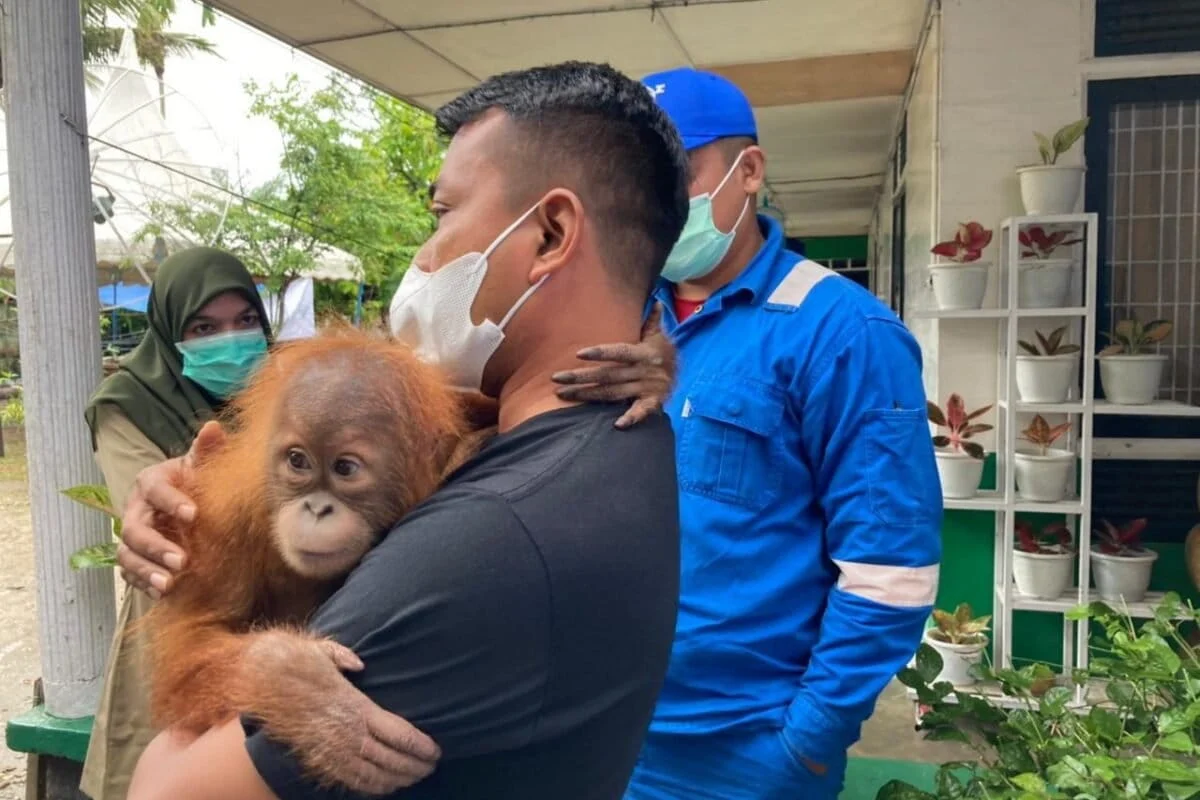
In the dense foliage of an Odisha forest, thousands of miles from the peat swamps of Sumatra and the rainforests of Borneo, a discovery was made that sent shockwaves through the international conservation community. Five infant orangutans—critically endangered great apes—were found abandoned, far from their ancestral homes. This incident, while visually arresting, is merely the tip of a burgeoning iceberg. As international wildlife trafficking widens its reach, India is no longer just a transit point; it is rapidly emerging as a premier destination for the world’s most vulnerable species.
This report, the second in a comprehensive series on the exotic pet trade, examines the shifting landscape of wildlife crime in India, the psychological trauma inflicted on smuggled primates, and the complex legal battles surrounding their repatriation.
Main Facts: From Parrots to Primates
For decades, the Indian exotic pet market was dominated by non-native avian species, particularly parrots and macaws. However, a disturbing trend has emerged over the last five years. The demand for "status pets" has shifted toward primates—monkeys, lemurs, and great apes.

Primates, an order of mammals that includes humans, apes, and monkeys, are characterized by their high intelligence, complex social structures, and grasping hands. It is these very "human-like" qualities that make them desirable to wealthy collectors, yet those same traits make them uniquely susceptible to the horrors of the illegal trade.
Recent high-profile cases have brought this shadow industry into the light:
- The Mumbai Seizure (2024): An orangutan was discovered hidden in an apartment bathroom in the heart of India’s financial capital.
- The Celebrity Connection: A prominent Tamil actor was found in possession of a Lar gibbon, highlighting the normalization of exotic ownership among the elite.
- The Vantara Controversy: Ongoing debates regarding the legality and sourcing of lemurs at high-profile private facilities.
- The Odisha Five: The recent discovery of five infant orangutans in a forest near Balasore, currently being housed at Nandankanan Zoological Park.
According to a 2023 analysis by TRAFFIC, nearly 4,000 exotic animals were seized in India across 56 separate incidents in 2022 alone. Of these, more than 100 were primates, including chimpanzees, siamangs, marmosets, and capuchins.
Chronology of a Crisis: The Rising Tide of Trafficking
The surge in primate trafficking follows a clear chronological progression, fueled by the ease of digital communication and a lack of stringent domestic regulation on non-native species.

2022–2023: The Gateway Opens
Seizures began to spike at major international entry points. Reports from the Wildlife Crime Control Bureau (WCCB) and TRAFFIC identified airports in Mumbai, Chennai, and Bengaluru as critical hotspots. Smugglers transitioned from hiding small reptiles in luggage to attempting to move larger, more complex mammals.
2024: The Year of the Great Ape
The discovery of orangutans in urban settings marked a significant escalation. Unlike smaller monkeys, great apes require massive logistical support to move. Their presence in India indicated that trafficking syndicates had established sophisticated, high-capacity supply chains capable of bypassing international customs.
2025–2026: The Gibbon Influx
A 2025 TRAFFIC report and a 2026 assessment by Humane World for Animals (HWA) flagged an "alarming influx" of gibbons. These "singing apes" of Southeast Asia became the most visible part of the trade, with species like the Silvery gibbon and the Bornean white-bearded gibbon appearing in multiple airport interceptions.
Supporting Data: The Brutal Economics of Sourcing
The "exotic pet" label masks a reality of extreme violence. Conservationists emphasize that nearly all primates in the Indian trade are wild-caught. Because there are no legal, commercial breeding facilities for orangutans or gibbons anywhere in the world, any claim of "captive-bred" status is almost certainly a legal fiction used to "launder" wild-caught animals.

The Cost of a Capture
To obtain a single infant primate, the cost is usually the life of its mother. Uttara Mendiratta, a conservation researcher, explains the grim process: "Mothers do not simply abandon their young. To get the baby, the mother must be killed. Often, the infant is injured or killed in the fall from the canopy as it clings to its dying parent."
Mortality and Stress
The journey from the forest to the Indian living room is often fatal. In a 2025 case, nine young primates were smuggled from Malaysia in a single suitcase. Eight died of starvation, suffocation, and dehydration before the flight landed in Mumbai. The lone survivor, a pigtail macaque, was found with a pellet lodged in its head—a remnant of the hunt that killed its mother.
Psychological Trauma
Ecology and animal behavior expert Mewa Singh notes that primates experience "anaclitic depression" upon separation. "They stop eating. They expend immense energy screaming and crying. This agitation is an adaptive response to severe stress that can, and often does, lead to death," Singh explains.
The Logistics of the Shadow Trade: Routes and Hubs
How do these animals reach Indian shores? Experts point to a multi-modal trafficking network that utilizes both air and sea routes.

- The Southeast Asian Transit: Thailand and Malaysia serve as primary transit hubs. While some animals originate here, many are moved from Indonesia into these countries before being flown to Indian metros.
- The UAE "Laundering" Hub: Sinan Serhadli, an adviser to the Orangutan Information Centre (YOSL-OIC), identifies the UAE as a critical node where animals are "laundered"—given fraudulent paperwork—before being exported to India.
- Porous Borders: Jose Louise, CEO of the Wildlife Trust of India, highlights the India-Myanmar and India-Bangladesh land borders as "high-traffic" zones for wildlife contraband, where checking is less rigorous than at international airports.
- The Sea Route: The discovery of orangutans in Odisha suggests they may have been moved via the Andaman Islands using sea vessels, which offer more space and fewer security checkpoints than commercial aviation.
Official Responses and the Repatriation Deadlock
The discovery of the five infant orangutans in Odisha has triggered a diplomatic and legal standoff. Under the Convention on International Trade in Endangered Species of Wild Fauna and Flora (CITES), there are clear guidelines for confiscated animals: repatriation to the country of origin, placement in a captive facility, or return to the wild.
The Indonesian Stance
The Indonesian government has formally requested the repatriation of the five infants. Preliminary assessments suggest they are of Sumatran origin. Indonesian officials argue they have the specialized infrastructure—"forest schools" and rehabilitation centers—necessary to give these orphans a chance at returning to the wild.
The Indian Delay
Indian authorities have been slow to move. Citing the "delicate health" of the infants, DNA testing—required to confirm their subspecies—has been delayed. Meanwhile, the Odisha government has petitioned the Central Zoo Authority to keep the animals permanently at Nandankanan Zoological Park.
The Ethical Debate
Sumanth Bindhumadhav of HWA warns against setting a dangerous precedent. "Trafficking seizures should not become a backdoor route for zoos to acquire high-profile animals. Repatriation should always be the first option explored," he says. While CITES guidelines are not strictly binding, conservationists argue that moral and ecological obligations dictate they should be returned to Indonesia.

Implications: The Price of Prestige
The long-term consequences of this trade are devastating, both for the species involved and the ecosystems they leave behind.
Ecological Collapse
Orangutans are slow-reproducing species. A female may only have her first infant at age 15 and wait another eight years before her next. Every mother killed and every infant removed represents a massive blow to the genetic viability of a species already on the brink of extinction. Indonesia has lost nearly 20% of its Sumatran orangutan population in just 15 years.
Public Safety Risks
As primates reach sexual maturity, their behavior changes. The "cute" infant becomes a powerful, territorial adult. The HWA report documents numerous cases where captive primates have attacked their owners. This often leads to the animals being abandoned—as suspected in the case of a siamang gibbon found wandering the streets of Chennai.
The Ethics of Ownership
"An animal is just another commodity for a trader," says Jose Louise. "No amount of compassion from an owner can erase the suffering involved in the journey." The exotic pet trade is built on a foundation of trauma, from the gunshot in a Sumatran rainforest to the suffocating darkness of a smuggler’s suitcase.

As India grapples with its role in this global crisis, the fate of the five orangutans in Odisha remains a litmus test. Their story is a reminder that the "prestige" of owning an exotic pet is bought with the blood of an ecosystem and the lifelong trauma of some of the most intelligent beings on Earth.
