

For many travelers from Southern India, the mental map of Jammu and Kashmir is often drawn by the celluloid lens of Bollywood—a montage of snow-dusted peaks, romantic interludes in meadows, and the lingering shadow of conflict. However, as the flight descends into Srinagar International Airport, the reality of "Paradise on Earth" reveals itself to be far more nuanced. It is a city where the weight of history and the vibrancy of the present exist in a delicate, beautiful dance.
This report explores a curated 36-hour itinerary through Srinagar, highlighting how the city carries forward its remnants of heritage, honor, and a resilient cultural identity.
Main Facts: The Resilience of the "Shehr-e-Khaas"
Srinagar, the summer capital of Jammu and Kashmir, remains one of India’s most significant cultural and historical hubs. Central to its identity is the "Shehr-e-Khaas" (the old city), which serves as a living museum of Kashmiri architecture and Sufi traditions. The city’s economy and social fabric are intricately tied to the Jhelum River and Dal Lake, which facilitate everything from commerce and transport to tourism.

The recent opening of international luxury hospitality brands, such as the Radisson Collection, signals a shift in the region’s tourism landscape—aiming to blend traditional Kashmiri hospitality with global standards. Furthermore, the city’s seasonal attractions, like the Indira Gandhi Memorial Tulip Garden (the largest in Asia), continue to draw record-breaking numbers of domestic and international tourists, reinforcing the region’s status as a premier travel destination.
Chronology of an Immersive Sojourn
Tuesday: The Spiritual and Architectural Foundation
5:00 PM | The Serenity of Jamia Masjid
The journey begins in the bustling heart of downtown at the 600-year-old Jamia Masjid. Unlike the typical domed structures of Islamic architecture found elsewhere in India, Jamia Masjid exhibits distinct Hellenic influences. The mosque is supported by 378 deodar pillars, each standing 14 meters high.
Tour guide Yunus Bhatt notes that the mosque’s unique pyramidal roof is a functional adaptation to the local climate, designed to allow heavy winter snow to slide off easily, preventing structural damage. The courtyard, often filled with a flock of pigeons and the echoing Maghrib prayers, offers a stark, peaceful contrast to the chaotic streets outside.

7:00 PM | Sufi Traditions at Khanqah-e-Moula
A short walk through the Zaina Kadal area leads to Khanqah-e-Moula, one of Kashmir’s oldest Sufi shrines. Dedicated to Mir Syed Ali Hamadani (Shah-e-Hamadan), the structure is a masterpiece of the traditional Kashmiri Taq system—an ancient method of interlocking wooden beams without the use of nails, providing earthquake resistance. The interior is a sensory marvel, featuring intricate papier-mâché work on the ceilings and walls, reflecting the Persian influence on Kashmiri craft.
8:00 PM | The Pulse of Downtown (Shehr-e-Khaas)
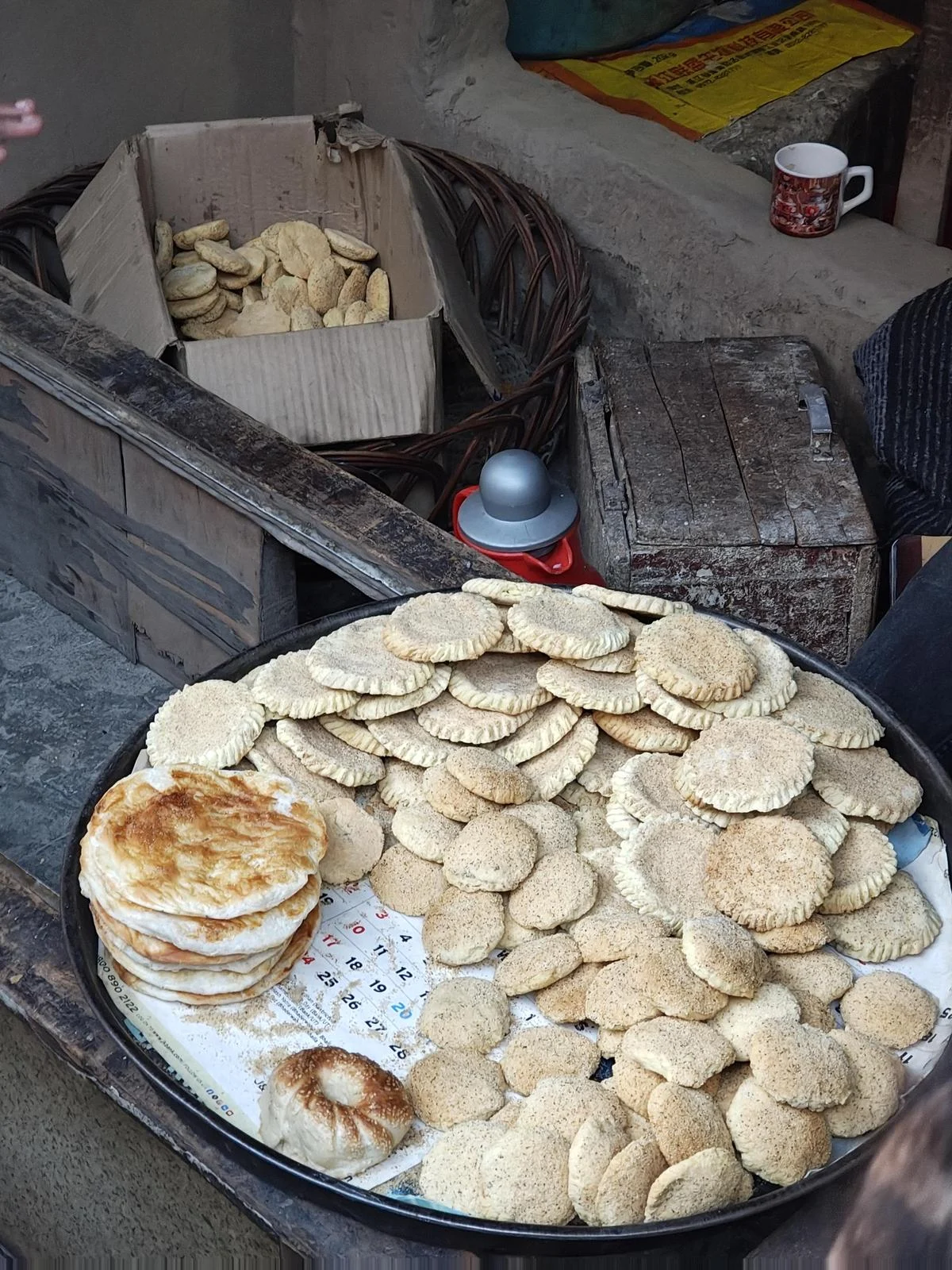
Evening in the old city reveals the "throbbing heart" of Srinagar. Defined by seven historic wooden bridges (Kadals) over the Jhelum, the area is a labyrinth of narrow alleys. Here, the aroma of Bakarkhani (Mughlai flatbread) fills the air. The local markets, such as SR Gunj, showcase the city’s enduring metalwork heritage, where smiths still hammer and engrave copper Samovars (tea kettles) and Tash-t-Nari (ceremonial wash basins) by hand in dimly lit workshops.
Wednesday: Natural Splendor and Political Echoes
6:00 AM | The Floating Economy of Dal Lake
At dawn, the city awakens on the water. A Shikara ride from Nehru Gate offers a glimpse into a unique aquatic ecosystem. Beyond the tourist appeal, Dal Lake is a hub of commerce. The floating vegetable and flower market, which operates for only two hours after sunrise, is where local farmers trade fresh produce, including the iconic Nadru (lotus stem). This is "slow travel" in its purest form, punctuated by floating Kahwa (saffron tea) vendors navigating the mist-covered waters.

11:00 AM | The Floral Grandeur of the Zabarwan Foothills
Spanning 30 hectares, the Indira Gandhi Memorial Tulip Garden is a testament to the region’s floriculture prowess. With over 18 lakh tulips comprising 70 varieties, the garden provides a therapeutic landscape against the backdrop of the Zabarwan Mountains. While the blooming season is brief (typically mid-March to mid-April), it serves as a critical economic driver for the spring tourism season.
4:00 PM | Lal Chowk: Commerce and Contradiction
No visit to Srinagar is complete without Lal Chowk, the city’s commercial and political epicenter. Named after Moscow’s Red Square, the area is dominated by its iconic clock tower (Ghanta Ghar). The atmosphere here is a blend of vibrant commerce—with shops selling Pashmina shawls and traditional Pherans—and a visible security presence, a reminder of the region’s complex geopolitical history.
7:30 PM | The Ritual of Wazwan
The day concludes with a traditional Wazwan dinner. This multi-course feast, served on a large copper plate called a Traem, is more than a meal; it is a cultural performance. At "Firdaus" within the Radisson Collection Hotel, the meal includes delicacies such as Tabak Maaz (crispy lamb ribs), Gushtaba (velvety meat balls in yogurt gravy), and Rista (spicy meatballs), culminating in the rice-based dessert, Phirni.

Thursday: A Sweet Departure
8:00 AM | The Legacy of Moonlight
The journey ends at Moonlight, an iconic walnut fudge shop founded in 1896. Using a secret recipe of local walnuts, honey, and dates, the fudge represents the literal "taste" of the valley—dense, crunchy, and steeped in tradition.
Supporting Data: Architecture and Industry
The architectural integrity of Srinagar is rooted in its use of local materials. The prevalence of deodar wood in both religious structures (like Jamia Masjid) and residential buildings in the old city is a deliberate choice for durability and thermal insulation.
| Feature | Jamia Masjid | Khanqah-e-Moula |
|---|---|---|
| Primary Material | Deodar Wood & Brick | Deodar Wood |
| Construction Style | Hellenic/Indo-Saracenic | Kashmiri Taq (Interlocking) |
| Key Element | 378 Carved Pillars | Papier-mâché Interiors |
| Roof Style | Pyramidal (Snow-shedding) | Pyramidal Minaret |
In terms of tourism, the Tulip Garden’s expansion to 18 lakh bulbs reflects a significant investment in regional floriculture, which has become a cornerstone of the Union Territory’s promotional efforts to attract visitors outside the peak summer and winter windows.

Official Responses: Hospitality and Heritage
The evolution of Srinagar into a luxury destination is highlighted by the debut of the Radisson Collection Hotel & Spa, Riverfront. Shubhankar Jyoti, General Manager of the property, emphasizes that the goal is to move beyond superficial tourism.
"Srinagar has a distinctive cultural identity, remarkable heritage, and stories worth experiencing," Jyoti stated. "The property was envisioned as more than just a luxury hotel. It was designed to immerse guests in the spirit of Kashmir through thoughtful design, curated local experiences, and genuine hospitality."
From a culinary perspective, Executive Chef Naresh Kharbanda notes that maintaining the authenticity of the Wazwan is paramount. By using traditional techniques and locally sourced ingredients, the culinary team aims to preserve the "depth and complexity" of Kashmiri flavors for a global audience.

Implications: The Future of Srinagar Tourism
The narrative of Srinagar is shifting from one of "survival" to one of "revival." The 36-hour itinerary reveals several key implications for the region’s future:
- Cultural Preservation as a Product: The continued relevance of the Taq architectural system and copper-smithing in downtown suggests that preserving heritage is not just about history—it is a viable economic product for "heritage tourism."
- Infrastructure and Accessibility: The proximity of major attractions like the Tulip Garden and Dal Lake to the international airport (all within 10–22 km) makes Srinagar an ideal destination for short-duration "micro-vacations," a growing trend in the Indian travel market.
- Modernity Meeting Tradition: The entry of international hotel chains indicates confidence in the region’s stability. These establishments act as bridges, offering the comfort expected by high-net-worth travelers while funneling interest back into local crafts and culinary traditions.
- Resilience of the Local Economy: From the floating market vendors to the bakers of Bakarkhani, the local economy remains robustly traditional. The challenge for the future will be balancing the influx of modern tourism with the preservation of the "Shehr-e-Khaas"’s unaltered existence.
In conclusion, Srinagar remains a city of layers. To spend 36 hours there is to realize that the "paradise" promised by films is only the surface; the true beauty lies in the interlocking wooden beams, the steam of the Kahwa, and the enduring grace of its people.
