


The global pharmaceutical landscape is abuzz with the transformative potential of GLP-1 receptor agonists, drugs that were initially developed for type-2 diabetes but have rapidly become a coveted solution for weight management. In India, a nation grappling with a dual epidemic of malnutrition and obesity, these medications are sparking both hope and critical debate. From the personal triumphs of individuals like television producer Mukta Dhond to the broader societal implications and scientific complexities, the rise of GLP-1s is ushering in a new, albeit complex, chapter in public health.
The Dawn of a New Era: Personal Transformations and Global Projections
Mukta Dhond, a 49-year-old television producer from Mumbai, embodies the profound personal impact of GLP-1 medications. Her monthly ritual of getting her 20 pairs of jeans altered is a testament to her significant weight loss journey. Battling obesity for years, a pivotal moment occurred during a 2024 vacation in Scotland with her young son. The stark realization that she was struggling to keep up with his energetic climbs, coupled with her pre-diabetic status, served as a powerful impetus for change.
"He would run up the hills and I would be far behind. I realised it was time to change things," Dhond recalls. Embarking on a GLP-1 treatment with Ozempic in March 2025, Dhond has since shed 22 kilograms, dropping from 117 kg to 95 kg. She describes this transformation as a "game-changer," a feeling of reinvention and liberation.
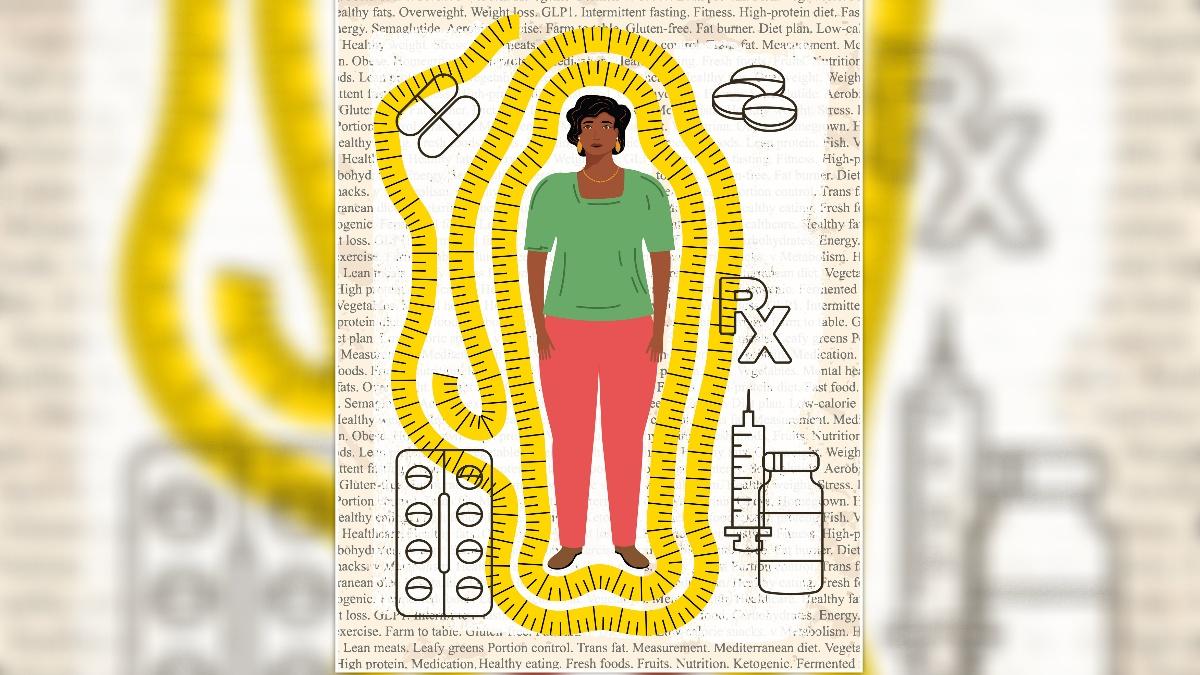
Dhond’s experience is not an isolated one. A report by UBS Investment Bank forecasts that by 2029, the global user base for GLP-1 drugs will reach approximately 40 million. These medications are proving to be a lifeline for millions worldwide whose metabolic health and self-esteem have been eroded by the cumulative effects of obesity. As Dr. Alexandra Sowa, an obesity expert and author of "The Ozempic Revolution," notes, thriving on GLP-1 therapy requires more than just the medication; it demands a fundamental shift in how individuals eat, think, and relate to food.
The Science Behind the Sensation: How GLP-1s Work
Glucagon-like-peptide-1 (GLP-1) receptor agonists operate by mimicking a natural hormone produced in the gut. This hormone plays a crucial role in regulating blood sugar by stimulating insulin release, reducing glucagon secretion, and, most importantly for weight management, promoting a feeling of satiety or fullness. Approved in the US for weight loss in 2021, these drugs effectively leverage this mechanism to help individuals manage type-2 diabetes and obesity.
The sensation of "food noise"—the incessant mental chatter surrounding hunger and eating—is significantly diminished by GLP-1s. This disruption of the appetite signaling pathway is considered the core of their efficacy. However, the effectiveness of these drugs is intrinsically linked to comprehensive lifestyle modifications.

The Indian Context: A Complex Landscape of Obesity and Malnutrition
India, often dubbed the "diabetes capital of the world," faces a unique and challenging public health scenario characterized by a dual burden of malnutrition and obesity. While 172 million Indians remain undernourished, a significant and growing proportion of the population, approximately 24% of women and 23% of men, are overweight or obese, according to National Family Health Survey-5 data (2019-21). This complex interplay of undernourishment and overweight conditions presents a distinct challenge for the widespread adoption and efficacy of GLP-1s.
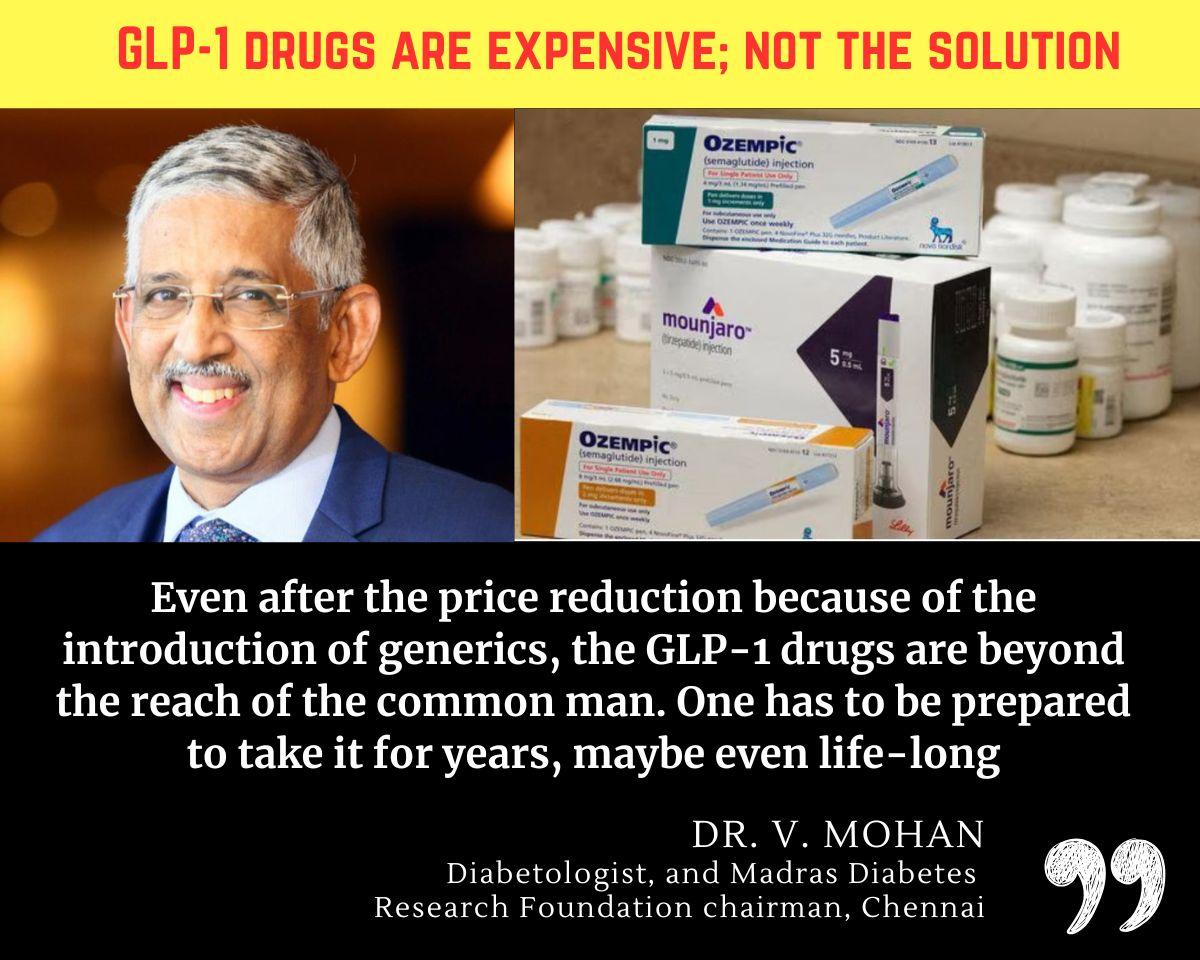
Dr. V. Mohan, a Chennai-based diabetologist and chairman of the Madras Diabetes Research Foundation, highlights the cost barrier. Even with the introduction of generics, he states, these medications remain "beyond the reach of the common man." The expense of GLP-1 injections, ranging from ₹8,000-₹10,000 for brand names and ₹3,500-₹4,500 for generics, makes them a luxury for many.
Furthermore, the Indian metabolic profile, often referred to as the "thin-fat Indian," complicates the picture. This phenomenon, characterized by low muscle mass and higher fat mass, particularly around the abdomen, leads to increased insulin resistance even in individuals who may not appear overtly obese. Dr. Ravi Sankar Erukulapati, a senior consultant endocrinologist, points to "sarcopenic obesity"—a condition marked by low muscle and high fat mass—as a significant contributor to insulin resistance in the Indian population. This genetic predisposition, coupled with environmental factors and a general lack of awareness about the nuances of healthy weight, means that visible obesity doesn’t always equate to good health in the Indian context.

The GLP-1 Journey: Triumphs and Challenges
Mukta Dhond’s journey exemplifies the positive outcomes. After six months on Ozempic, her doctor switched her prescription to Mounjaro, leading to accelerated weight loss. Her Body Mass Index (BMI), initially at a concerning 45 (normal range up to 23), significantly improved. Chronic pains vanished, and her blood parameters normalized. However, her journey also highlighted potential side effects: her thyroid levels dropped to zero, and she experienced "unreal" muscle loss and sagging. It was through sustained fitness, a high-protein non-vegetarian diet with healthy fats, and minimal carbohydrates that her thyroid levels and muscle health improved.
This underscores a critical concern: GLP-1s can lead to excessive muscle loss, potentially exacerbating existing protein deficiencies in Indian diets. Doctors now emphasize the importance of consuming small, protein-rich meals throughout the day, tailored to individual needs, to mitigate this risk.
Bollywood filmmaker Hansal Mehta’s experience echoes Dhond’s success. Three years ago, at 105 kg, various diets and exercise regimens had failed him. After eight months on Mounjaro, combined with rigorous strength training, cardio, intermittent fasting, and supplements, he has shed 32 kg, now weighing 73 kg. He proudly notes that his metabolic age is 43, significantly younger than his actual age of 57, and his long-standing high blood pressure has stabilized. Mehta emphasizes that his success is a result of much more than just the pill, a sentiment often lost in popular discourse.

However, not all experiences are so positive. A 33-year-old finance professional from Bengaluru, who wished to remain anonymous, shared a disappointing experience. He and his wife were prescribed Mounjaro without specific dietary or exercise guidance. While they lost around 10 kg in four months, they suffered from persistent low energy, mood fluctuations, and constant nausea. His wife regained the lost weight shortly after discontinuing the medication. This highlights the crucial role of medical guidance and lifestyle modifications, which were evidently lacking in his case.
Expert Perspectives and Official Guidelines
Dr. V. Mohan, a prominent voice in diabetes management in India, frequently addresses prospective users on social media, managing expectations about the duration of treatment and potential side effects. He advises that GLP-1s may require lifelong commitment, and while common side effects like nausea and digestive issues often resolve, rarer risks like pancreatitis and thyroid cancer, though uncommon, are considerations. He reiterates that these drugs are not a panacea for India’s diabetes and obesity crises.
Dr. David Chandy, Director of Endocrinology and Diabetology at Sir H.N. Reliance Foundation Hospital, Mumbai, acknowledges the excitement surrounding newer GLP-1s and dual incretin drugs like tirzepatide, which offer significant weight reduction. He notes that the American Diabetes Association now prioritizes weight management in diabetes care, with GLP-1-based therapy being a preferred approach.
In response to the growing popularity and potential misuse of these drugs, India has implemented official guidelines. In April 2025, the government mandated prescriptions from endocrinologists, cardiologists, or internal medicine specialists for all GLP-1 drugs, both generic and original. Marketing that encourages unsupervised use has also been prohibited. This regulatory step aims to ensure appropriate and safe utilization of these potent medications.
The Generics Boom and Market Dynamics
The GLP-1 market in India is rapidly expanding, with pharmaceutical company representatives informally estimating its value at around ₹100 crore. A significant development occurred in March of this year when Novo Nordisk, the patent holder for Semaglutide (the most widely used GLP-1 drug), lost its patent. This has triggered a surge in generic versions, with companies like Sun Pharmaceutical launching brands such as Sematrinity and Noveltreat, priced between ₹2,690 and ₹7,490 depending on the dosage. Sun Pharmaceutical spokesperson indicated their commitment to making generics widely available through collaborations with government institutes. Novo Nordisk itself has reportedly reduced the prices of Ozempic and Wegovy in India by 36% and 48%, respectively, intensifying competition in this burgeoning market.
Cultural Nuances and the "Thin-Fat Indian" Conundrum
India’s rich food culture, deeply intertwined with tradition and community, presents a unique challenge for GLP-1s, which tend to mute the appreciation for food. Both Dhond and Mehta describe shifts in their social lives, moving away from food-and-drink-centric gatherings towards more fitness-oriented activities and deeper conversations.

Scientifically, India’s distinct obesity profile, characterized by sarcopenic obesity, adds another layer of complexity. Dr. Chittaranjan Yajnik, who coined the term "thin-fat Indian," discovered in the early 2000s that many Indians, despite a lower BMI, exhibited poorer glucose-insulin metabolism than their Western counterparts. This phenomenon is attributed to genetic factors, including epigenetic influences from in-utero environments, and a tendency to deposit fat abdominally. Dr. Ramesh Hariharan, CEO of Strand Life Sciences, emphasizes that while genetics loads the gun, lifestyle pulls the trigger. With obesity-related genes largely unmodifiable, lifestyle remains the most potent tool for management.
The challenge of sarcopenic obesity, with its low muscle and high fat mass, is particularly concerning as GLP-1s can accelerate muscle mass reduction. Dhond herself termed the muscle loss experience as "death by muscle loss," driving her to adopt a comprehensive lifestyle and exercise protocol.
Backlash, Fuzzy Futures, and Unforeseen Applications
The rapid approval and widespread use of GLP-1s have not been without scrutiny. A Public Interest Litigation (PIL) was filed in the Delhi High Court in May 2025 by Jitendra Chouksey, a fitness evangelist and founder of FITTR. Chouksey expressed concern over the drugs’ availability not just in hospitals but also in wellness clinics, highlighting the dangers of muscle mass loss and weight regain upon discontinuation.

The market for these drugs has expanded beyond therapeutic use, with aesthetic clinics offering "Mounjaro Bride Packages" for significant sums. The GLP-1 phenomenon is increasingly touching various aspects of life, even influencing pre-wedding preparations.
Beyond weight and metabolism, emerging research from the US suggests GLP-1s may have effects on addictions, menopausal health, autoimmune diseases, and even mental health. However, in the Indian context, given its unique metabolic profile and societal factors, the promise of these drugs remains lofty but conditional. As the world grapples with optimizing health on an overburdened planet, the long-term impact of Ozempic and its counterparts on human metabolism and the human body remains a subject of ongoing scientific inquiry and societal adaptation. The future trajectory of GLP-1s in India, balancing potential benefits with inherent risks and cultural specificities, will undoubtedly be a critical area to watch.
