

New Delhi, India – The cricketing calendar for India’s 2026-27 home season is set to ignite this Sunday, September 27, with a high-stakes limited-overs series against the West Indies. This extensive tour, comprising three One-Day Internationals (ODIs) followed by five Twenty20 Internationals (T20Is), marks the official commencement of India’s long-term preparations for the 2027 ODI World Cup. The series carries significant weight, not only for the immediate results but also for the strategic roadmap of Indian cricket, particularly concerning the roles of seasoned veterans and the audition of promising young talent.
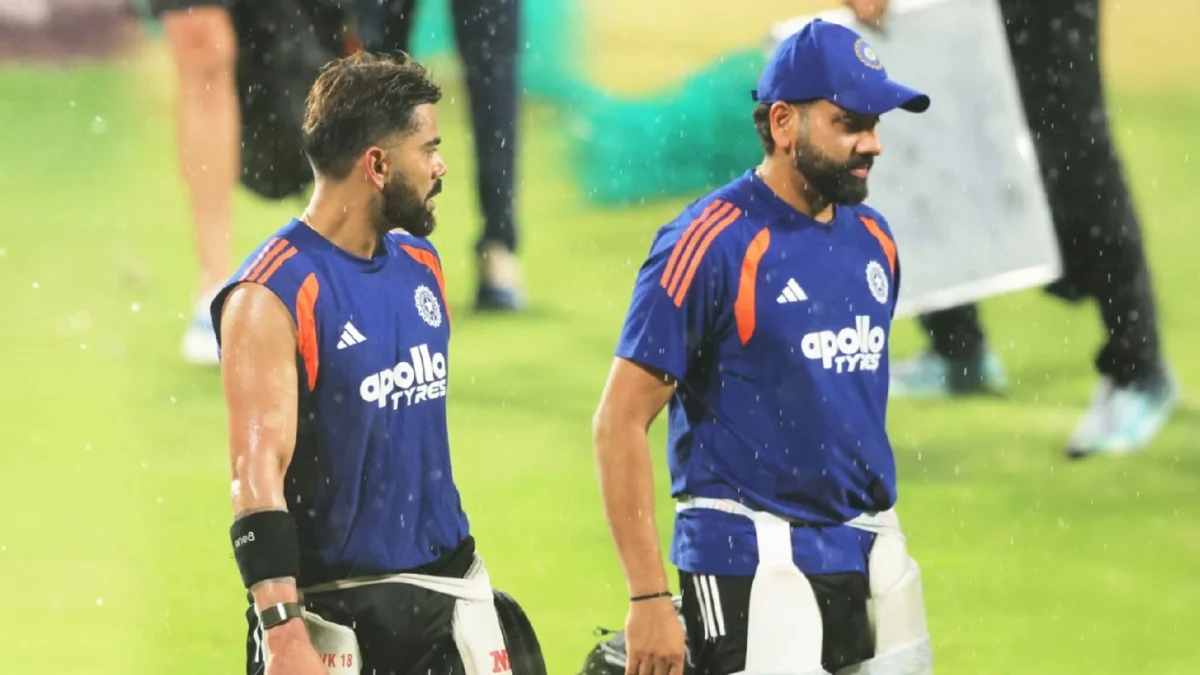
The spotlight for the initial ODI leg will be firmly fixed on two titans of Indian cricket, Rohit Sharma and Virat Kohli. Both stalwarts, having etched their names in the annals of the sport, are reportedly pushing for another appearance at the pinnacle global event late next year. Their inclusion signals a clear intent from the selectors to assess their current form, fitness, and continued impact within the 50-over format, making these three matches an invaluable litmus test. Their last outing for India in ODIs was during a challenging 1-2 series defeat in England, where Kohli endured a relatively subdued patch, while Rohit, despite two initial blips, roared back with a magnificent century at Lord’s in the decisive third match, albeit in a losing cause. This series offers them a fresh canvas to reaffirm their indispensable value to the national squad.
Adding a layer of complexity and intrigue to the series is the concurrent engagement of a separate Indian squad at the 2026 Asian Games in Japan. This scheduling conflict has necessitated a bifurcated approach to squad selection, leading to a few notable changes and the unavailability of some established white-ball stars for parts of the West Indies series. The T20I leg, which will commence after the Shreyas Iyer-led Asian Games contingent returns from their campaign, promises to showcase a different facet of India’s white-ball depth, emphasizing the development of a distinct T20I unit.
The ODI matches are strategically spread across picturesque venues: Thiruvananthapuram, Guwahati, and New Chandigarh. Following the conclusion of the Asian Games, the T20I caravan will move to Lucknow, Ranchi, Indore, Hyderabad, and Bengaluru, offering a wide geographical reach and a diverse set of playing conditions across the nation. This home series against the West Indies is more than just a bilateral contest; it’s a foundational step in a meticulously planned journey towards global cricketing aspirations.
Chronology of Fixtures: A Detailed Schedule
The India vs. West Indies series unfolds in two distinct phases, carefully calibrated around India’s commitments at the Asian Games. The ODI leg initiates the home season, followed by a brief hiatus before the T20I extravaganza.
Phase 1: The ODI Battle Commences
The One-Day International series kicks off this Sunday, providing an immediate opportunity for both teams to assert dominance and for India to fine-tune its 50-over strategies.
- 1st ODI: Sunday, September 27, 2:00 PM IST at Trivandrum (Thiruvananthapuram). The green capital of Kerala will host the series opener, known for its passionate crowds and often sporting a balanced pitch with assistance for both pacers and spinners.
- 2nd ODI: Wednesday, September 30, 2:00 PM IST at Guwahati. Nestled in the heart of Assam, Guwahati offers another vibrant setting. The pitches here can sometimes be on the flatter side, promising a high-scoring encounter.
- 3rd ODI: Saturday, October 3, 2:00 PM IST at New Chandigarh. The newly developed cricketing infrastructure in New Chandigarh will host the series decider, bringing international cricket to a burgeoning sporting hub.
Following the conclusion of the ODI series, there will be a brief pause in the bilateral action. This strategic gap accommodates the return of the Indian squad participating in the 2026 Asian Games in Japan. Led by Shreyas Iyer, this squad is tasked with representing India on the multi-sport continental stage, highlighting the country’s commitment to both traditional bilateral series and multi-sport events. The return of these players will then bolster the T20I squad for the subsequent leg of the West Indies tour.
Phase 2: T20I Extravaganza Post-Asian Games
The T20 International series will commence shortly after the Asian Games squad integrates back into the national setup, offering a different format and a renewed focus on the shortest version of the game. These matches will be crucial for building a formidable T20I unit with an eye on future ICC T20 World Cups. All T20I matches are scheduled for an evening start, commencing at 7:00 PM IST, catering to prime-time viewership.
- 1st T20I: Tuesday, October 6, 7:00 PM IST at Lucknow. The City of Nawabs will host the T20I series opener, with its pitches typically offering good bounce and sometimes favouring spinners.
- 2nd T20I: Friday, October 9, 7:00 PM IST at Ranchi. MS Dhoni’s hometown is always a special venue, known for its electric atmosphere and often providing a true surface for batsmen.
- 3rd T20I: Sunday, October 11, 7:00 PM IST at Indore. The Holkar Stadium is famous for its small boundaries and flat tracks, virtually guaranteeing a six-hitting fest for the fans.
- 4th T20I: Wednesday, October 14, 7:00 PM IST at Hyderabad. The southern city will host the penultimate T20I, with its pitches often being conducive to stroke play.
- 5th T20I: Saturday, October 17, 7:00 PM IST at Bengaluru. The M. Chinnaswamy Stadium, a batting paradise, will bring the curtains down on the extensive tour, promising a high-octane finish.
This meticulously planned schedule ensures maximum engagement for both players and fans across formats, while also strategically managing player workloads and international commitments.
Supporting Data: Squad Analysis, Player Narratives, and Venue Insights
The composition of both the Indian and West Indian squads for this series tells a compelling story of strategic planning, succession, and the enduring quest for excellence.
India’s Squads: A Blend of Experience and Auditioning Youth
India’s ODI Team:
- Shubman Gill [C]: The young prodigy takes on the captaincy mantle in the ODI format, a significant step in his burgeoning career. This provides an invaluable opportunity to hone his leadership skills alongside seasoned campaigners. His consistent run-scoring and elegant strokeplay make him a natural choice to lead the batting charge.
- Rohit Sharma & Virat Kohli: Their presence is the biggest headline. This series is critical for them to demonstrate their continued relevance and form in the 50-over format. Their experience, tactical acumen, and unparalleled match-winning abilities are assets India will heavily rely on as they build towards the 2027 World Cup. The narrative of their "second wind" is central, with every run and every impactful moment scrutinized.
- KL Rahul [VC]: His return and role as vice-captain indicate his importance to the team’s balance, potentially as a middle-order anchor and wicketkeeper. His form and fitness will be keenly watched.
- Ruturaj Gaikwad, Dhruv Jurel, Nitish Kumar Reddy, Yashasvi Jaiswal, Naman Dhir: These young batsmen represent the future. Gaikwad and Jaiswal have already shown glimpses of their class, while Jurel and Reddy offer exciting prospects in the middle order. This series is a prime opportunity for them to stake a claim for regular spots.
- Ravindra Jadeja, Kuldeep Yadav: The spin twins bring control and wicket-taking ability, crucial on Indian pitches. Jadeja’s all-round skills remain invaluable.
- Prasidh Krishna, Mohammed Siraj, Gurnoor Brar, Auqib Nabi: The pace department blends established names like Siraj with promising fast bowlers like Krishna, Brar, and Nabi, offering variety and depth.
India’s T20I Team:
- Shreyas Iyer [C]: Leading the Asian Games squad and then the T20I side against West Indies, Iyer is clearly being groomed for significant leadership roles in the shortest format. His aggressive batting and experience in high-pressure situations will be vital.
- Abhishek Sharma, Vaibhav Sooryavanshi, Ishan Kishan [WK], Sanju Samson [WK], Tilak Varma [VC], Shivam Dube: This batting core is brimming with explosive talent and fearless stroke-makers. Abhishek Sharma and Tilak Varma have impressed immensely in domestic and franchise cricket, while Kishan and Samson offer dynamic wicketkeeping options. Dube provides powerful hitting capabilities.
- Kuldeep Yadav, Axar Patel, Washington Sundar, Ravi Bishnoi: A formidable spin quartet, offering variety with wrist spin and finger spin. Their ability to pick wickets in the middle overs and contain runs will be crucial.
- Nitish Kumar Reddy, Arshdeep Singh, Prince Yadav, Mayank Yadav: The pace battery showcases a mix of swing, pace, and death-bowling specialists. Arshdeep Singh is a proven performer, while Mayank Yadav, with his express pace, is one of the most exciting prospects in Indian cricket. Prince Yadav adds another dimension to the pace attack. This squad is a clear indication of India’s long-term vision for T20 cricket, focusing on youth, athleticism, and multi-faceted skills.
West Indies’ Squads: A Quest for Consistency and Revival
West Indies ODI Squad:
- Shai Hope (c): The experienced wicketkeeper-batsman leads the side, a calm and composed presence in the middle order. His ability to anchor the innings is critical for the West Indies.
- Jewel Andrew, John Campbell, Keacy Carty, Justin Greaves, Amir Jangoo, Vitel Lawes: This batting group features a mix of emerging talents and those looking to cement their places. Consistency will be key against a strong Indian attack.
- Roston Chase, Keemo Paul, Sherfane Rutherford: All-rounders who can contribute with both bat and ball, providing crucial balance to the side.
- Alzarri Joseph, Shamar Joseph, Matthew Forde, Gudakesh Motie, Jayden Seales: A promising bowling attack, especially the pace battery. Alzarri Joseph is a proven wicket-taker, while Shamar Joseph is an exciting new talent. Motie provides a left-arm spin option.
West Indies T20I Squad:
- Shai Hope (c): Leads the T20I side as well, bringing his steady influence to the more volatile format.
- Jewel Andrew, Roston Chase, Shimron Hetmyer, Kamil Pooran, Rovman Powell, Sherfane Rutherford, Romario Shepherd: This T20I batting line-up is packed with power-hitters and aggressive batsmen. Hetmyer, Pooran, Powell, and Rutherford are renowned for their ability to clear the ropes and change the game quickly.
- Matthew Forde, Akeal Hosein, Shamar Joseph, Gudakesh Motie, Keemo Paul, Quentin Sampson, Shamar Springer: The bowling attack features specialists for the shortest format. Akeal Hosein’s left-arm spin is a major weapon, while the pacers will rely on their variations and raw pace.
Player Form and Narratives
The "Storms crossed, Rohit Sharma and Virat Kohli gear up for second wind" narrative, as highlighted by an associated article, perfectly encapsulates the mood around India’s veteran duo. After a period of introspection and perhaps a slight dip in form, both players have shown signs of renewed vigour. Rohit’s Lord’s century against England was a powerful statement of intent, demonstrating his enduring class and ability to perform under pressure. Kohli, while having a quieter patch, remains a statistical behemoth and a fierce competitor. Their performances in this series will be under intense scrutiny, as their journey towards the 2027 World Cup will heavily depend on consistent output.
For Shubman Gill, the ODI captaincy is a massive vote of confidence. He has rapidly ascended the ranks, showcasing maturity beyond his years. Leading a side that includes Rohit and Kohli will be a unique challenge and an invaluable learning experience, testing his tactical acumen and man-management skills. Similarly, Shreyas Iyer’s dual captaincy role underscores his importance to India’s white-ball future, particularly in T20Is.
The series also provides a crucial platform for the host of young talents. Yashasvi Jaiswal, Dhruv Jurel, Nitish Kumar Reddy, Tilak Varma, and Mayank Yadav are all players who have caught the eye with their exceptional performances in domestic circuits and franchise leagues. Their ability to translate that potential onto the international stage against a competitive West Indies side will be a key takeaway from this series.
Historical Context and Venue Insights
India and West Indies share a rich cricketing history, marked by iconic contests and memorable individual performances. While the West Indies once dominated world cricket, India has emerged as a formidable force in recent decades, especially in home conditions. The rivalry, though perhaps not as intense as it once was, still carries a legacy of Caribbean flair meeting Indian passion.
The chosen venues offer a diverse range of conditions. Trivandrum and Guwahati often present balanced pitches, while New Chandigarh might lean towards sporting tracks. The T20I venues are notorious for high-scoring encounters. Indore, with its short boundaries, is a batter’s paradise, as is Bengaluru. Lucknow and Ranchi can offer slightly slower surfaces, bringing spinners more into play, while Hyderabad often provides good batting tracks. This variety will test the adaptability of both teams across the series.
Official Responses and Strategic Imperatives
While direct quotes from official bodies are not provided, the squad selections and scheduling implicitly communicate the strategic thinking of the Board of Control for Cricket in India (BCCI) and the national selection committee.
The bifurcation of squads for the West Indies series and the Asian Games is a clear testament to India’s commitment to both immediate bilateral success and long-term talent development across multiple formats and competitions. A senior BCCI selector, speaking off the record, might articulate the rationale: "Our priority remains to prepare for the 2027 ODI World Cup, and this series against West Indies is the first major step. We need to assess our core players like Rohit and Virat, while also giving opportunities to youngsters to step up. The Asian Games is equally important for us to nurture future leaders and expand our talent pool. It’s a delicate balance, but one we believe is necessary for sustained success."
The coaching staff, under the leadership of the head coach, would likely emphasize the importance of identifying specific roles for players in the ODI setup. "We are looking for clarity in roles," a coaching staff member might state. "Who bats where, who bowls at different stages of the innings. This series allows us to experiment with combinations and fine-tune our strategies. For the T20Is, with Shreyas at the helm, the focus is on aggressive, fearless cricket, identifying match-winners who can perform under pressure in the shortest format."
From the West Indies perspective, captain Shai Hope would likely express confidence despite the challenging conditions. "Playing India in India is always a tough assignment, but it’s also where you test your mettle," Hope might comment. "We have a good blend of experience and exciting young talent. Our goal is to compete hard, learn from every game, and show the world the brand of cricket West Indies is capable of playing. This series is vital for our own World Cup ambitions and to build momentum." The West Indies management would underscore the importance of consistency and capitalizing on crucial moments against a top-tier opponent.
The strategic imperative is multi-faceted: manage the workload of key players, integrate promising youngsters, assess the form of veterans, and build cohesive units for both ODI and T20I World Cups. The decisions made during this series, from playing XIs to tactical approaches, will reflect these overarching goals.
Implications: The Road Ahead for Indian and West Indian Cricket
The India vs. West Indies series carries profound implications for both cricketing nations, shaping their immediate future and long-term aspirations.
For India: Laying the Foundation for 2027 and Beyond
- 2027 ODI World Cup Blueprint: This series is the foundational block for India’s 2027 ODI World Cup campaign. The performances of Rohit Sharma and Virat Kohli will be meticulously analyzed, not just for runs scored, but for their overall impact, fitness levels, and continued ability to influence games at the highest level. Their roles will be central to India’s strategy, and their sustained form could dictate the team’s balance for years to come.
- Leadership Development: Shubman Gill’s captaincy in the ODIs and Shreyas Iyer’s leadership in the T20Is are significant steps in developing India’s next generation of leaders. These experiences, especially against an international opponent, will be invaluable for their growth and understanding of captaincy at the elite level.
- Talent Identification and Integration: The series offers a golden opportunity for young talents like Yashasvi Jaiswal, Dhruv Jurel, Nitish Kumar Reddy, Tilak Varma, and Mayank Yadav to cement their places. Successful outings could fast-track their careers and provide India with a deeper bench of multi-format players, easing the transition when senior players eventually move on.
- Strategic Flexibility: The dual squad approach for the Asian Games and the home series highlights India’s strategic flexibility and commitment to multiple cricketing objectives. It will test the depth of India’s talent pool and the efficiency of its player management systems.
- Home Season Momentum: A strong start to the home season against the West Indies can build crucial momentum and confidence, setting a positive tone for subsequent tours and tournaments.
For West Indies: Rebuilding and Reasserting Presence
- Global Standing: For the West Indies, this series is an opportunity to reassert their presence in international cricket, particularly in the white-ball formats where they have historically excelled. Performing well against a top-ranked team like India in their home conditions would be a significant morale booster and a statement of intent.
- Player Development: The series provides crucial exposure for their emerging talents against world-class opposition. Players like Jewel Andrew, Shamar Joseph, and others will gain invaluable experience that can accelerate their development.
- Consistency and Strategy: The West Indies will be looking to build consistency in their performances, an area where they have struggled in recent years. Developing clear game plans and executing them effectively will be key to their success.
- Fan Engagement: Strong performances in India can re-energize their fan base and attract new followers, which is vital for the health of West Indies cricket.
Broader Cricketing Landscape
The series also touches upon broader trends in international cricket:
- Workload Management: The necessity of splitting squads due to overlapping schedules underscores the increasing demands on international cricketers and the challenge of managing player workloads effectively.
- Multi-Format Specialists vs. Format-Specific Players: The distinct nature of India’s ODI and T20I squads highlights a potential shift towards developing format-specific specialists, especially in T20 cricket, to manage the rigorous international calendar.
In conclusion, the India vs. West Indies series is far more than just another bilateral contest. It is a strategic launchpad for India’s 2027 World Cup ambitions, a vital testing ground for both veteran stalwarts and promising youngsters, and a critical opportunity for the West Indies to demonstrate their evolving capabilities on the global stage. As the first ball is bowled in Thiruvananthapuram, the cricketing world will be watching closely, eager to witness the narratives unfold and the future of white-ball cricket take shape.
