

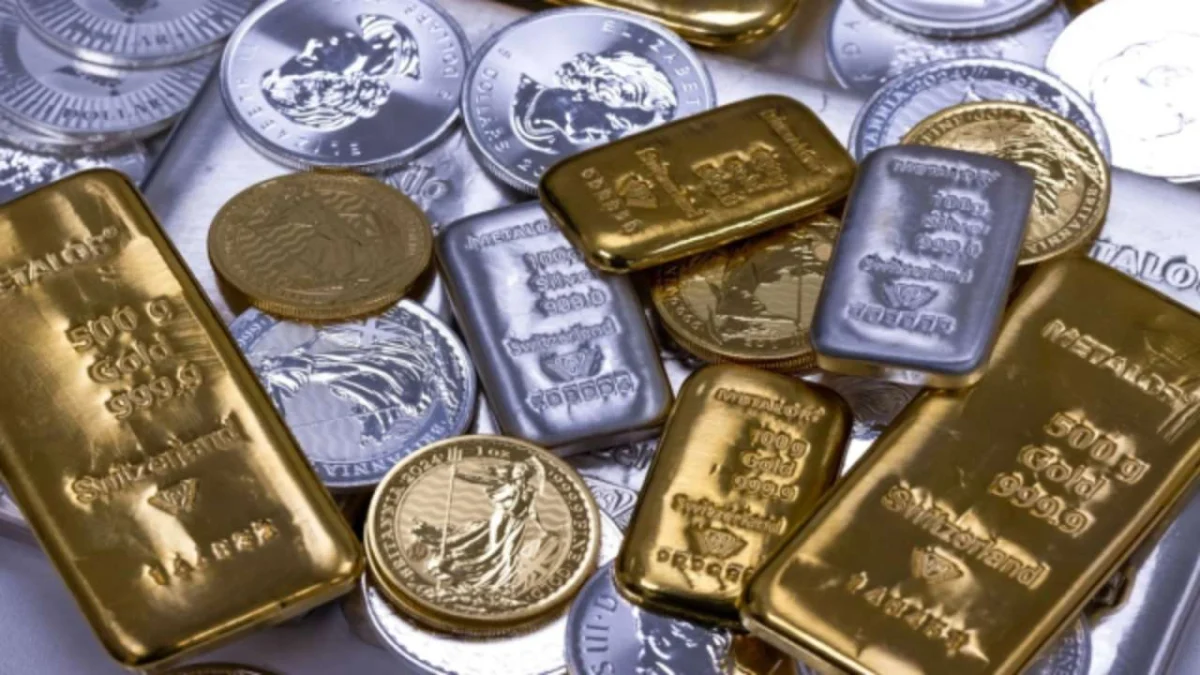
Mumbai, India – September 25, 2026 – India’s vibrant precious metals market continues its dynamic dance, influenced by a complex interplay of international economic currents, fluctuating currency exchange rates, and robust domestic demand. As of September 25, 2026, both gold and silver have registered a slight uptick in prices, underscoring their enduring appeal as both investment vehicles and cultural mainstays in the nation. This daily snapshot reveals a market constantly recalibrating, reflecting global investor sentiment and local purchasing power, particularly as the nation gradually approaches its bustling festive season.
Decoding the Day’s Price Movements: A Deeper Look at Gold
The yellow metal, long revered for its intrinsic value and status as a safe-haven asset, has experienced a marginal increase today. This upward movement is primarily attributed to a confluence of persistent global inflationary pressures and sustained international demand, pushing prices gently higher.
Gold’s Current Standing: September 25, 2026
For investors and consumers alike, understanding the nuances of gold purity is paramount. As of today, the benchmark price for 24-Karat gold (999 purity), often sought by investors in bullion form, stands at a significant Rs 15,283 per gram. This represents the purest form available in the market, making it ideal for those primarily focused on wealth preservation and investment.
Meanwhile, 22-Karat gold, which contains 91.67% pure gold and is the preferred standard for crafting intricate jewellery, is priced at Rs 14,009 per gram. The difference in price directly reflects the lower gold content, making it a more accessible option for adornment, though its investment value is marginally lower due to the alloying metals. The slight increase observed today reinforces gold’s role as a hedge against inflation, a narrative that has gained considerable traction in global financial markets over the past year.
City-Wise Gold Rates: A Glimpse into Regional Dynamics
While global factors dictate the overarching trend, local market dynamics, including state taxes, transportation costs, and regional demand patterns, contribute to slight variations in prices across India’s major cities. Here’s a detailed breakdown of 24K and 22K gold prices on September 25, 2026:
- Gold prices in Delhi: The national capital sees 24K gold at Rs 15,298 per gram and 22K gold at Rs 14,024 per gram. Delhi’s rates are often slightly higher due to its status as a major consumption hub and logistical considerations.
- Gold prices in Mumbai: The financial heart of India, Mumbai, reports 24K gold at Rs 15,283 per gram and 22K gold at Rs 14,009 per gram. Mumbai often sets the benchmark for national pricing due to its significant bullion trading volume.
- Gold prices in Kolkata: In the eastern metropolis, 24K gold is priced at Rs 15,283 per gram, with 22K gold at Rs 14,009 per gram. Prices here largely mirror Mumbai, indicating efficient market integration.
- Gold prices in Chennai: The southern gold hub sees 24K gold at Rs 15,283 per gram and 22K gold at Rs 14,009 per gram. Despite its distinct market characteristics, Chennai’s prices align closely with Mumbai and Kolkata on this particular day, pointing to a uniform underlying national trend.
The Intricate Web of Gold Price Determinants
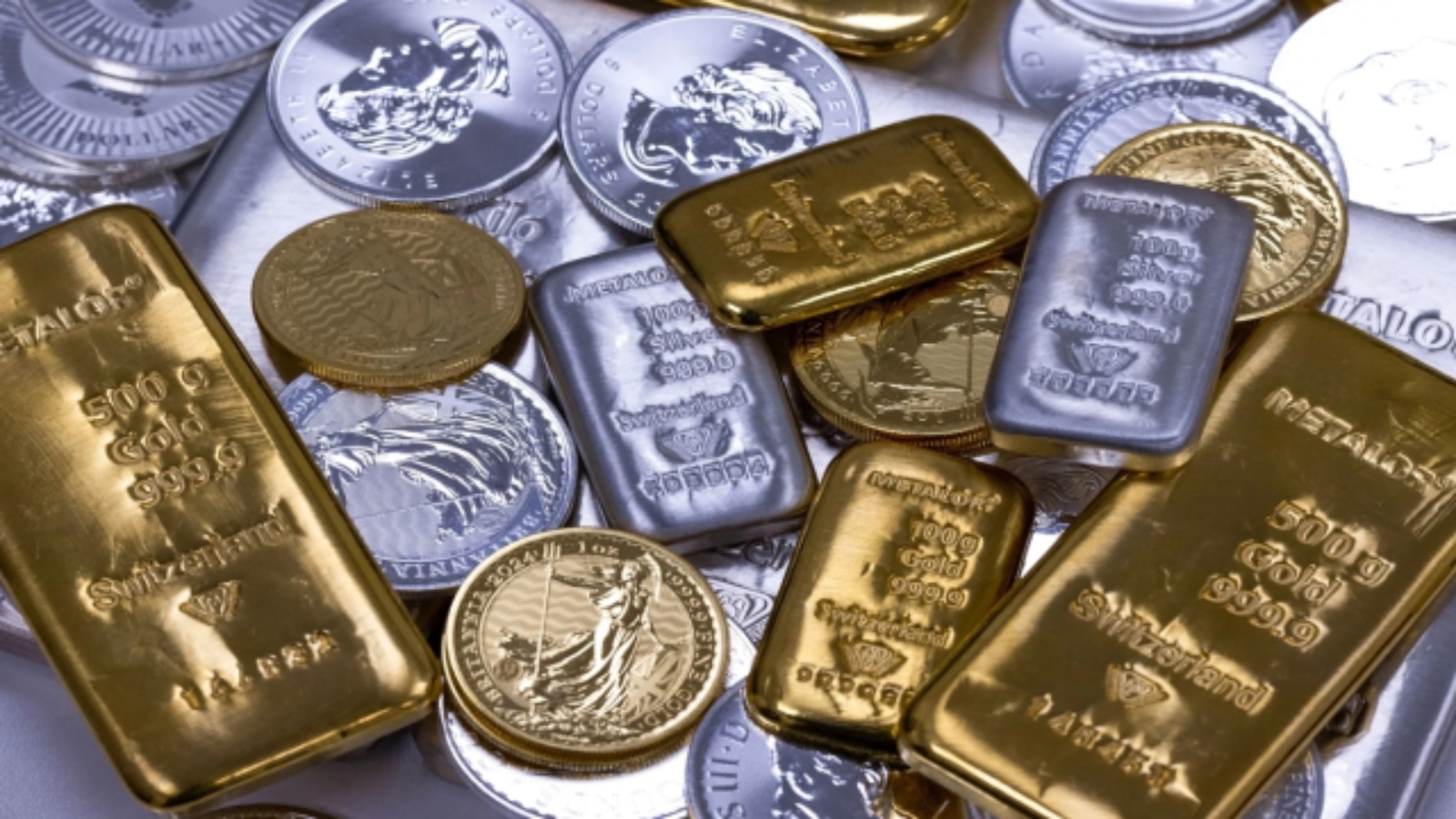
The price of gold in India is not an isolated phenomenon; it is a complex tapestry woven from a multitude of domestic and international threads. Understanding these factors is crucial for both investors and consumers.
)
Firstly, the international gold price serves as the primary driver. This benchmark is typically set in global markets like COMEX in New York and the London Bullion Market Association (LBMA), denominated in US Dollars. Any fluctuation in these global benchmarks, driven by factors such as geopolitical tensions, central bank monetary policies, and the performance of other asset classes, directly translates to price movements in India. For instance, increased global uncertainty often prompts investors to flock to gold as a safe haven, pushing its international price upwards.
Secondly, the exchange rate of the US Dollar against the Indian Rupee (USD/INR) plays a critical role. Since India imports the vast majority of its gold, a weaker Rupee makes gold imports more expensive in Rupee terms, thereby increasing domestic prices, even if the international Dollar price remains stable. Conversely, a stronger Rupee can help cushion international price rises. The Reserve Bank of India’s (RBI) foreign exchange policies and India’s overall balance of payments significantly influence this exchange rate.
Thirdly, domestic jewellery demand, particularly ahead of India’s myriad festive seasons and wedding months, is a powerful force. India’s cultural affinity for gold means that demand typically surges during festivals like Diwali, Akshaya Tritiya, and during the auspicious wedding season. While September 25th is not immediately within the peak festive period, anticipatory buying and inventory building by jewellers can still influence prices. This intrinsic cultural demand acts as a strong underlying support for gold prices in the Indian market.

Finally, broader macroeconomic indicators such as inflationary expectations, interest rates, and the performance of equity markets also weigh in. When inflation is high, gold is often seen as a store of value, prompting increased investment. Lower interest rates can make non-yielding assets like gold more attractive compared to fixed-income instruments. Conversely, a booming stock market might divert investment away from gold.
Silver’s Trajectory: More Than Just a Cheaper Alternative
Silver, often referred to as ‘poor man’s gold,’ holds a unique position in the precious metals market. While generally more affordable than gold, its price movements are influenced by a distinct set of factors, given its dual role as both an investment metal and an industrial commodity.
Silver Prices Today: September 25, 2026
As of today, the price of 999 pure silver in India stands at approximately Rs 2,44,900 per kilogram. This high purity silver is primarily used for investment purposes, such as in bars and coins, and for industrial applications.
)
For those interested in jewellery or specific industrial uses, Silver 925 (sterling silver) is priced at Rs 2,44,000 per kilogram. Sterling silver, an alloy containing 92.5% silver and 7.5% other metals (usually copper), offers greater durability and is widely popular for ornaments and tableware, especially in regions where silver ornaments are more prevalent than gold.
Regional Silver Rates: A Comparative View
Similar to gold, silver prices also exhibit minor regional variations. Here are the 999 silver rates per 10 grams:
- Silver price in Delhi today: Rs 2,449 per 10 grams.
- Silver price in Mumbai today: Rs 2,449 per 10 grams.
- Silver price in Kolkata today: Rs 2,449 per 10 grams.
- Silver price in Chennai today: Rs 2,499 per 10 grams.
Notably, Chennai displays a slightly higher price for silver compared to the other major metros. This could be attributed to higher local demand, specific state levies, or logistical factors unique to the southern market, where silver jewellery and artifacts enjoy considerable cultural significance.
)
Unpacking Silver’s Unique Market Drivers
Silver’s price trajectory is particularly fascinating due to its hybrid nature. The most significant differentiator from gold is its substantial industrial demand. Silver is an indispensable component in numerous high-tech applications, including solar panels, electrical contacts, batteries, LEDs, and medical devices. As global economies advance and technology sectors expand, particularly in renewable energy and electric vehicles (projected to be booming by 2026), industrial consumption of silver exerts a powerful upward pressure on its price.
Alongside industrial use, investment demand for silver in the form of bars and coins remains robust. Investors often turn to silver as a more volatile, yet potentially higher-return, alternative to gold, especially during periods of economic uncertainty or when anticipating inflation. Its lower price point per unit also makes it more accessible to a broader range of investors.
Furthermore, silver prices often move in tandem with gold prices, albeit with higher volatility. This correlation means that factors influencing gold, such as monetary policy and geopolitical events, also impact silver. However, silver’s supply dynamics, including mine production and recycling rates, also play a crucial role. Fluctuations in mining output, often a byproduct of base metal mining, can directly affect supply, leading to price volatility.
)
Chronology of Recent Trends: Leading Up to September 2026
To fully appreciate today’s prices, it’s essential to contextualize them within the broader trends of the past year and the immediate preceding months. The precious metals market rarely moves in a straight line, instead responding to a series of global and domestic events.
A Year in Review: Precious Metals in 2025-2026
The period spanning late 2025 through the first three quarters of 2026 has been characterized by a complex global economic environment. Following a phase of aggressive interest rate hikes by major central banks in 2024-2025 to combat inflation, 2026 has seen a more nuanced approach. While inflation has somewhat moderated, it remains elevated above central bank targets in many economies, including India. This "sticky inflation" has provided a strong underlying current for gold, reinforcing its role as an inflation hedge.
Geopolitical tensions, which have unfortunately become a recurring theme in the mid-2020s, have also periodically fueled safe-haven demand for gold. Episodes of regional instability or trade disputes have consistently seen investors pivot towards precious metals, driving prices upwards in knee-jerk reactions, followed by periods of consolidation. Silver, with its higher volatility, has often amplified these movements, experiencing sharper gains during rallies and more pronounced dips during corrections.
)
The Quarterly Picture: Q3 2026 Performance
The third quarter of 2026, encompassing July, August, and September, has largely witnessed a gradual appreciation in precious metal prices. This period saw a mild weakening of the US Dollar against a basket of major currencies, making dollar-denominated gold more attractive for international buyers. Simultaneously, signals from the US Federal Reserve suggesting a potential pause or even a slight dovish shift in monetary policy later in the year contributed to a more favorable environment for non-yielding assets.
Domestically, a robust monsoon season earlier in the year has bolstered rural incomes, which often translates into increased demand for gold and silver as savings or investments. This sustained internal demand, coupled with the global tailwinds, has ensured a relatively strong performance for both metals in the run-up to September 25th. The current prices reflect the culmination of these sustained pressures and sentiments.
Supporting Data and Macroeconomic Context
The daily price fluctuations are but symptoms of deeper macroeconomic forces at play. A comprehensive understanding requires examining the broader economic landscape.
)
Global Economic Landscape and its Shadow on Precious Metals
The global economy in 2026 continues to navigate a path fraught with both growth opportunities and persistent challenges. While some regions show signs of robust recovery, others contend with lingering effects of past crises, supply chain disruptions, and inflationary pressures. Central banks globally, including the US Federal Reserve, the European Central Bank, and the Reserve Bank of India, are treading a fine line between curbing inflation and supporting economic growth. Their interest rate decisions and forward guidance are critical for precious metals, as higher rates increase the opportunity cost of holding non-yielding assets.
Furthermore, the overall stability or instability of the geopolitical environment casts a long shadow. Any escalation of existing conflicts, emergence of new flashpoints, or significant shifts in international trade relations can trigger waves of risk aversion, invariably boosting demand for safe-haven assets like gold. The performance of major equity markets also plays a role; a downturn in stock markets often leads to capital flowing into precious metals.
The Rupee-Dollar Dynamic: A Critical Factor
India’s reliance on gold imports makes the INR-USD exchange rate a particularly sensitive barometer for domestic prices. A weaker Rupee (i.e., more Rupees needed to buy one US Dollar) directly inflates the cost of imported gold for Indian buyers. For example, if the Rupee depreciates from 83 to 84 against the Dollar, an international gold price of $2,000 per ounce immediately becomes more expensive in Rupee terms, even if the dollar price hasn’t moved.
)
The Reserve Bank of India (RBI) actively manages currency fluctuations through interventions, but its primary goal is macroeconomic stability. Factors like India’s trade deficit (exacerbated by high gold imports), foreign institutional investor flows, and global crude oil prices significantly influence the Rupee’s value. In September 2026, the Rupee has shown relative stability, preventing any drastic surge in gold prices purely due to currency depreciation, but it remains a constant underlying factor.
India’s Domestic Market: Demand, Supply, and Policy
India’s position as one of the world’s largest consumers of gold is deeply ingrained in its cultural fabric. Gold is not merely an ornament but an integral part of religious ceremonies, a traditional form of savings, and an essential component of wedding trousseaus. This inherent demand provides a robust floor for gold prices in the country.
Government policies, such as import duties on gold, also significantly impact domestic prices. Any increase in these duties directly translates to higher consumer prices. The government often uses import duties to manage the current account deficit, which can widen significantly with surging gold imports. In 2026, the current duty structure has been relatively stable, allowing market forces to largely dictate price movements.
)
Moreover, the evolving landscape of gold investment in India, with the rise of digital gold platforms and Sovereign Gold Bonds (SGBs), offers consumers alternative, often more convenient and secure, ways to invest in gold without the need for physical storage. These instruments diversify demand away from purely physical forms, though traditional jewellery demand remains dominant.
Expert Perspectives and Market Responses
To gauge the pulse of the market, it’s essential to consider the views of analysts, industry stakeholders, and regulatory bodies.
Analysts Weigh In: Short-term Volatility vs. Long-term Fundamentals
Market analysts are largely in agreement that precious metals, particularly gold, will continue to be influenced by global macroeconomic uncertainties and central bank policies throughout 2026. "The current price levels reflect a cautious optimism in the market," stated Dr. Ananya Sharma, a Senior Economist at Quantum Capital. "While a slight correction is always possible in the short term due to profit-booking or a sudden shift in dollar strength, the long-term fundamentals for gold remain strong, driven by persistent inflation concerns and geopolitical risks. We anticipate gold to test new resistance levels above the current benchmarks in the coming months."
)
For silver, analysts highlight its dual nature. "Silver’s performance is intrinsically linked to industrial growth," commented Mr. Rajat Mehta, a Precious Metals Strategist at Zenith Financials. "With the global push for green technologies and electric vehicles, demand for silver in industrial applications is set to expand significantly. This underlying demand provides a strong floor, even as its investment side remains more volatile than gold."
Industry Voices: Jewelers and Traders
For India’s vast jewellery sector, fluctuating gold prices present both challenges and opportunities. "High and volatile prices always make consumers hesitant," said Ms. Priyanka Gupta, President of the All India Jewellers Association. "While there’s an inherent demand for gold, especially for weddings, we are seeing a trend towards lighter jewellery or a shift towards 18K or even 14K gold in certain segments to manage costs. Jewelers are increasingly adopting hedging strategies to mitigate inventory risk."
Bullion traders report active participation from both institutional and retail investors. "There’s a consistent flow of investment into gold and silver, especially from those looking to diversify their portfolios away from equity market volatility," noted Mr. Suresh Jain, a prominent bullion trader in Zaveri Bazaar, Mumbai. "The slight increase today hasn’t deterred buyers; rather, it reinforces the perception of precious metals as a reliable store of value."
)
Regulatory Gaze: The Reserve Bank of India’s Stance
The Reserve Bank of India (RBI) continuously monitors precious metal imports due to their significant impact on the nation’s current account deficit. While the RBI doesn’t directly control gold prices, its monetary policy decisions and currency management efforts indirectly influence the domestic cost of gold. High gold imports can strain foreign exchange reserves and weaken the Rupee, potentially leading to policy interventions like adjustments to import duties.
In 2026, the RBI’s focus remains on maintaining price stability and supporting sustainable economic growth. While it hasn’t signaled any immediate changes to gold import policies, its stance will continue to be shaped by the evolving global economic environment and India’s trade balance performance. The RBI also manages its own substantial gold reserves, which serve as a strategic asset and a component of its foreign exchange reserves, further underscoring the metal’s importance to national financial stability.
Implications for Investors, Consumers, and the Indian Economy
The current price trends in gold and silver carry significant implications across various segments of Indian society and the economy at large.
)
For the Savvy Investor: Diversification and Risk Management
For investors, the sustained appeal of gold as an inflation hedge and a portfolio diversifier remains undiminished. In an era of continued economic uncertainty and fluctuating asset returns, gold offers a crucial counter-cyclical asset. Investors looking for stability and long-term capital preservation often allocate a portion of their portfolio to gold.
Silver, while more volatile, presents an opportunity for higher growth potential due to its increasing industrial demand. Its "higher beta" means it can outperform gold during bull runs, but also experience sharper corrections. Investment strategies should consider both physical gold and silver, as well as digital gold, SGBs, and precious metal ETFs, allowing for flexibility and risk management tailored to individual financial goals.
For the Everyday Consumer: Navigating Festive Purchases
For millions of Indian households, gold and silver purchases are not mere investments but deeply embedded cultural practices, particularly during the upcoming festive and wedding seasons. The current elevated prices pose a challenge, forcing consumers to make informed choices. Many may opt for lighter jewellery designs, explore alternative metals, or consider gold exchange schemes to upgrade existing ornaments. The psychological barrier of high prices could temporarily dampen discretionary purchases, pushing buyers to focus only on essential or auspicious occasions. However, the cultural imperative often ensures that demand, while potentially modified, never truly disappears.
)
Economic Ripple Effects: Trade Balance and Inflation
At a macroeconomic level, high gold and silver imports can significantly impact India’s current account deficit (CAD). As a non-essential import, large-scale precious metal buying drains foreign exchange reserves, potentially weakening the Rupee and increasing the cost of other essential imports like crude oil. This can create a challenging scenario for policymakers trying to manage inflation and maintain economic stability.
Conversely, the performance of precious metals can also serve as an indicator of economic sentiment. Rising gold prices, driven by safe-haven demand, often signal underlying anxieties about the global economy or domestic inflation. A balanced approach to precious metal consumption and investment is therefore crucial for India’s overall economic health.
Future Outlook and Concluding Thoughts
The trajectory of gold and silver prices in India for the remainder of 2026 and beyond will hinge on a delicate balance of global economic recovery, central bank policy decisions, geopolitical developments, and domestic demand patterns.
)
What Lies Ahead: Projections and Uncertainties
In the short term, prices are likely to remain sensitive to incoming economic data from major economies, particularly inflation figures and interest rate announcements from the US Federal Reserve and the RBI. Any unexpected shifts in these areas could trigger immediate price volatility. Geopolitical events will also continue to cast a shadow, potentially prompting sudden surges in safe-haven buying.
The long-term outlook for precious metals remains generally positive, especially for gold. Persistent global inflationary pressures, coupled with ongoing geopolitical fragmentation and the potential for a sustained period of lower real interest rates, are expected to provide a supportive backdrop. Silver’s future is particularly bright given its critical role in emerging green technologies, ensuring a robust industrial demand base that could drive its price higher over the next few years.
Conclusion
As of September 25, 2026, India’s precious metals market stands at a fascinating juncture. Gold and silver, deeply intertwined with the nation’s culture and economy, reflect a complex interplay of international market forces, currency dynamics, and resilient domestic demand. While prices have seen a modest rise, hinting at underlying inflationary concerns and sustained investment interest, the market remains dynamic and responsive to a myriad of global and local factors. For consumers, investors, and policymakers alike, staying informed and adapting to these evolving trends will be key to navigating the enduring allure and economic significance of gold and silver in India.
