

Main Facts
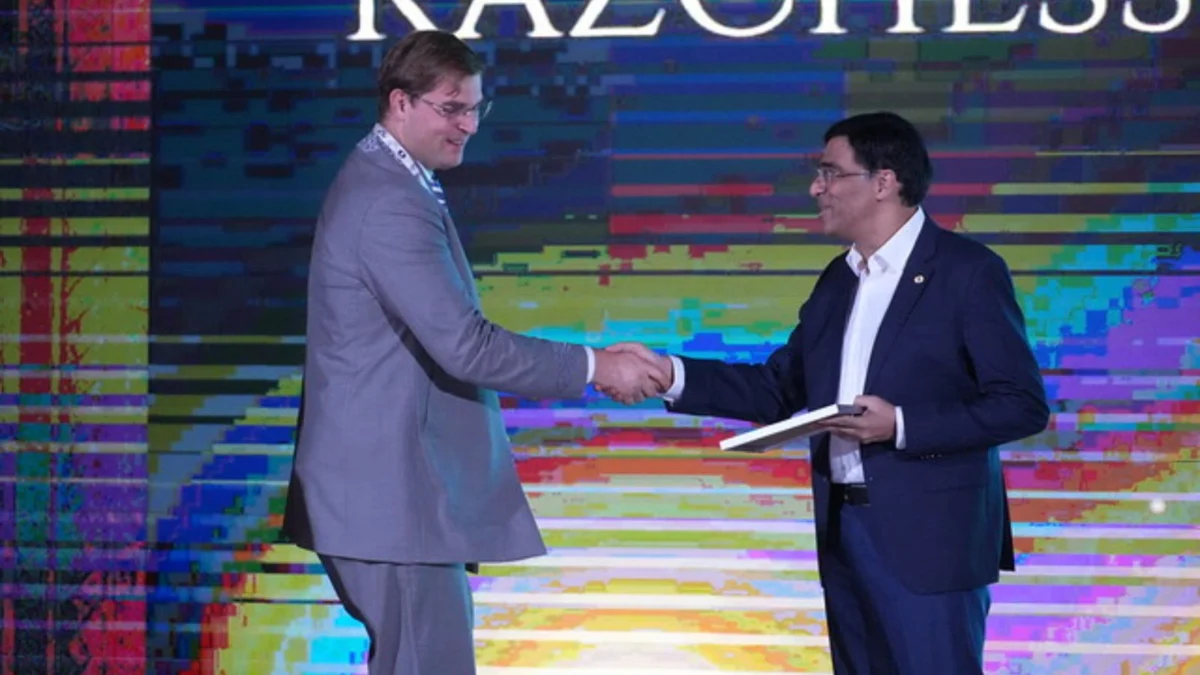
Samarkand, Uzbekistan – September 26, 2026 – In a landmark election held on the sidelines of the prestigious Chess Olympiad in Samarkand, five-time world champion Viswanathan Anand has been re-elected to the second-highest office in the global governing body of chess, FIDE, for another four-year term as Deputy President. His running mate, the 38-year-old Kazakhstan-based billionaire Timur Turlov, secured a decisive victory, becoming the eighth and youngest President in FIDE’s history. The electoral outcome signals a significant shift in leadership and vision for international chess, pairing the gravitas and deep chess insight of Anand with the youthful dynamism and formidable business acumen of Turlov.
The election followed a period of considerable anticipation and political maneuvering within the FIDE community. Anand’s continued tenure as Deputy President was not initially a foregone conclusion, as the Indian chess legend had reportedly considered stepping away from his administrative duties. However, unforeseen circumstances, specifically the stepping down of former FIDE President Arkady Dvorkovich following his inclusion on the European Union’s 21st sanctions list, propelled Anand into the interim presidency and subsequently solidified his commitment to the Turlov campaign. Turlov, a prominent figure in finance and a significant patron of chess, successfully navigated a competitive two-round electoral process, defeating German entrepreneurs Wadim Rosenstein and Jan Henric Buettner. This new leadership tandem is poised to steer FIDE into an era marked by modernization, increased commercial outreach, and continued global development of the sport.
Chronology of a Pivotal Election
The path to the 2026 FIDE elections was anything but straightforward, marked by unexpected turns and intense political jostling that captivated the global chess community.
The Path to Samarkand
The preceding four years under the leadership of Arkady Dvorkovich, with Viswanathan Anand as his Deputy, had seen FIDE make strides in various aspects, from tournament organization to global outreach. Anand, a revered figure in chess, had served diligently, but as his term drew to a close, there was speculation about his future involvement, with indications that he might step back from demanding administrative roles to focus on other commitments.
However, the international political landscape dramatically altered FIDE’s trajectory. Arkady Dvorkovich, a former Russian Deputy Prime Minister, found himself ensnared by geopolitical tensions, leading to his inclusion on the European Union’s 21st sanctions list. This development rendered his continued leadership untenable for an international sporting federation striving for neutrality and global acceptance. Dvorkovich’s resignation created an immediate leadership vacuum, which Viswanathan Anand stepped in to fill as interim president. This unforeseen elevation placed Anand at the helm during a critical transitional period, demonstrating his unwavering commitment to the institution he had served.
It was during this turbulent phase that the alliance between Timur Turlov and Viswanathan Anand solidified. Turlov, initially slated to run as Dvorkovich’s deputy, quickly adapted to the new reality. Recognizing the immense respect and credibility Anand commanded, particularly amidst the shifting political sands, Turlov successfully persuaded the Indian maestro to join his ticket as Deputy President. This pairing presented a formidable challenge to other contenders, combining Turlov’s financial power and strategic vision with Anand’s unparalleled stature and deep understanding of the chess world’s intricate ecosystem.
The election campaign itself was not devoid of controversy. The lead-up to the Samarkand vote was characterized by months of intense campaigning, with all three principal candidates – Turlov, Wadim Rosenstein, and Jan Henric Buettner – engaging in robust debate and, at times, leveling allegations of wrongdoing against each other. This pre-election bickering underscored the high stakes involved and the fervent desire of each faction to lead FIDE, creating a tense atmosphere that permeated the discussions and caucuses among the delegate federations gathered for the Chess Olympiad.
Election Day Drama
The stage for the election was set against the vibrant backdrop of the Chess Olympiad in Samarkand, a symbolic choice that underscored the global nature of FIDE’s mandate. With 192 federations eligible to cast their votes, the atmosphere on election day, Saturday, September 26, 2026, was charged with anticipation. The rules dictated that a contender needed 50 percent plus one vote to secure victory in the first round, translating to a magic figure of 97 votes.
The first round of voting saw the Turlov-Anand campaign emerge as the frontrunner, securing 96 votes. This tally, while impressive, fell tantalizingly short by just one vote of the outright majority required for a first-round win. Wadim Rosenstein, another strong contender, garnered 76 votes, positioning him as the second-place candidate. Jan Henric Buettner, the third candidate, received 20 votes. According to FIDE’s electoral regulations, only the top two contenders from the first round were eligible to proceed to the second, runoff round. This meant Buettner’s campaign concluded after the initial ballot, leaving a direct head-to-head contest between Turlov and Rosenstein.
The second round was a decisive showdown. With the 20 votes initially cast for Buettner now up for grabs, both Turlov and Rosenstein intensified their last-minute appeals to the federations. The strategic realignment of these crucial votes became paramount. When the final ballots were tallied, Timur Turlov secured a commanding 110 votes, comfortably surpassing his opponent. Wadim Rosenstein received 85 votes in the runoff. This clear mandate confirmed Turlov as the new FIDE President and cemented Viswanathan Anand’s return as Deputy President, bringing an end to the intense electoral contest and paving the way for a new chapter in FIDE’s history. The outcome demonstrated a strong preference among the federations for the vision presented by the Turlov-Anand ticket, signaling a desire for both continuity and fresh perspectives within the governing body.
Supporting Data and Biographical Insights
The victory of Timur Turlov and Viswanathan Anand is significant not just for the outcome itself, but for the profiles of the individuals who will now lead global chess. Their backgrounds offer a clear indication of the potential directions FIDE might take in the coming years.
Timur Turlov: A New Era’s Architect
At just 38 years old, Timur Turlov assumes the presidency of FIDE, making him the youngest individual ever to hold this esteemed position. His youth, however, is balanced by an extraordinary professional career that has seen him rise to prominence as a highly successful entrepreneur. Turlov is the Chief Executive Officer of Freedom Holding Corporation, an international financial services group that boasts a capitalization of nearly $11 billion. This background in high finance and global business positions him as a leader capable of bringing significant commercial acumen and strategic foresight to FIDE.
Turlov is not a newcomer to the chess world; he has been a profound patron of the game. His corporation has demonstrably backed over 20 major international FIDE tournaments, including the high-stakes Candidates Tournament earlier this year, which determined the challenger for the World Championship, and the eagerly anticipated upcoming FIDE World Championship where India’s D. Gukesh is set to defend his crown against Javokhir Sindarov. This extensive sponsorship history highlights not only his financial capacity but also a genuine and vested interest in the growth and professionalization of chess at its highest echelons.
Furthermore, since January 2023, Turlov has served as the president of Kazakhstan’s Chess Federation. This role has provided him with direct experience in chess governance at a national level, offering insights into the challenges and opportunities facing member federations. His leadership in Kazakhstan has likely contributed to his understanding of the grassroots development needed for the sport. The election of a Kazakh president also signifies a subtle but notable geopolitical shift for FIDE, potentially diversifying its traditional centers of influence and opening new avenues for development, particularly in Central Asia and beyond. This contrasts with previous presidencies, such as that of Kirsan Ilyumzhinov, whose background was more rooted in regional politics, and Dvorkovich, who came from Russian governmental circles. Turlov’s pure business background suggests a focus on corporate governance, transparency, and financial sustainability.
Viswanathan Anand: The Enduring Icon
Viswanathan Anand’s re-election as Deputy President is a testament to his enduring legacy and invaluable contribution to the world of chess. As a five-time World Champion, Anand’s name is synonymous with excellence, integrity, and sportsmanship. His unparalleled career as a player has earned him the respect and admiration of millions globally, making him one of the most recognized and beloved figures in the sport’s history.
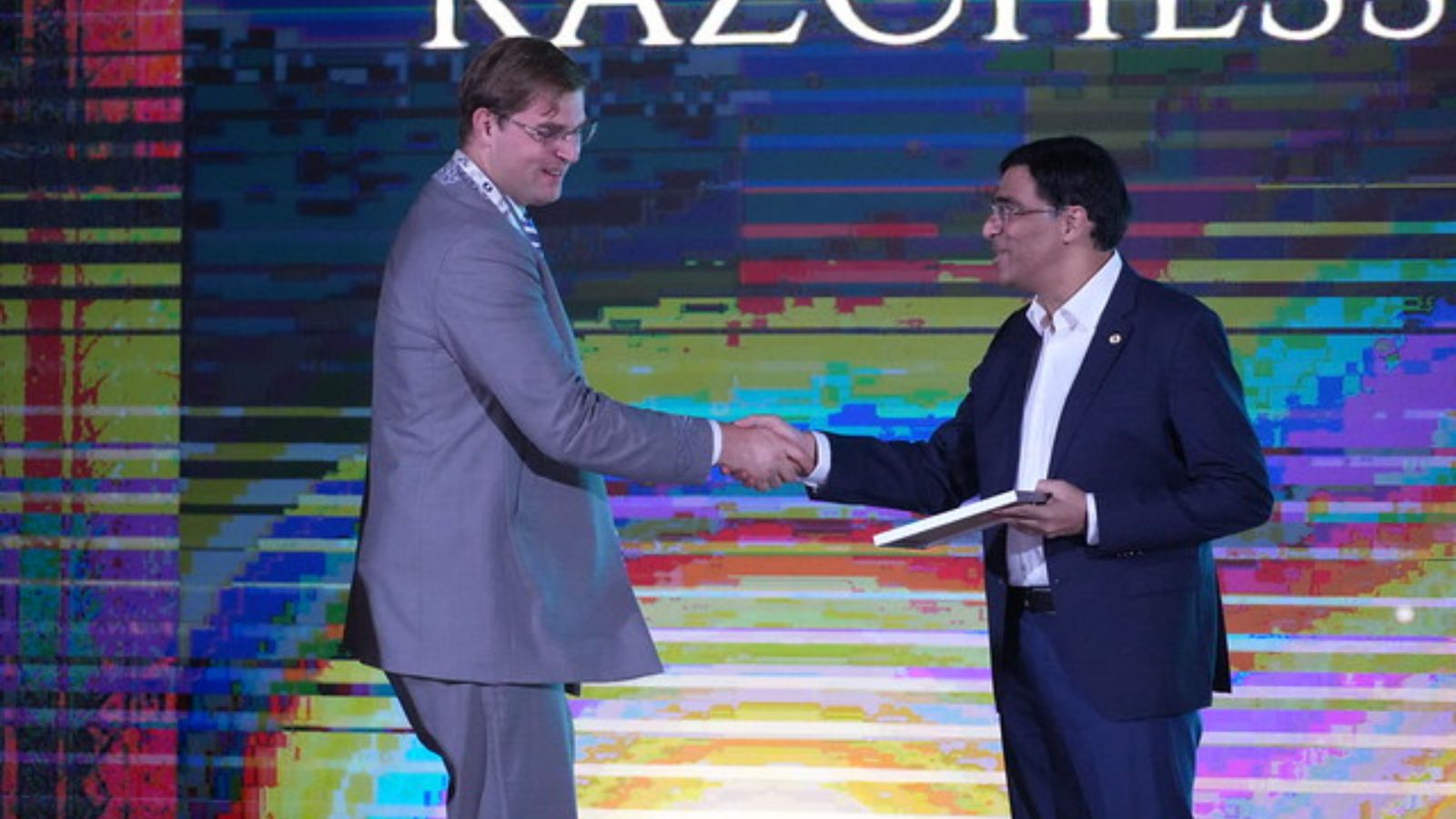
Beyond his playing career, Anand has served as FIDE Deputy President for the past four years, a role in which he has garnered significant administrative experience. His tenure has been marked by a steady hand, particularly in navigating complex issues related to player welfare, sporting regulations, and ethical governance. His continued presence is crucial for FIDE, offering a vital link between the administrative body and the players, ensuring that decisions are made with a deep understanding of the sport’s practical realities and the needs of its most important stakeholders.
Anand’s initial inclination to step away from his FIDE responsibilities speaks to the demanding nature of the role. However, his decision to commit to another term, especially after stepping in as interim president following Dvorkovich’s departure, underscores his profound dedication to the stability and progress of global chess. He brings credibility, wisdom, and a calming influence to the leadership team, acting as a crucial counterbalance and mentor figure to the younger and commercially driven Turlov. His presence reassures traditionalists within the chess community that FIDE will remain grounded in its sporting principles while embracing new directions.
Official Responses and Vision
The culmination of the FIDE elections brought forth immediate reactions from the newly elected leadership, outlining their vision and setting the tone for the coming four years.
Turlov’s Inaugural Statement
Following the announcement of the election results, Timur Turlov delivered an inaugural statement that resonated with a message of unity and a forward-looking perspective. "Today is a victory for chess – for every player, every federation and everyone who believes in the potential of our game! We are all one family and we will continue working as one. This is a great responsibility and a vote for a better future of our sport," Turlov declared.
This statement is more than just celebratory rhetoric; it encapsulates the core tenets of Turlov’s leadership philosophy. His emphasis on "a victory for chess" suggests a focus on the collective good of the sport, transcending individual or national interests. By acknowledging "every player, every federation," he signals an inclusive approach, aiming to cater to the diverse needs of the global chess community, from grassroots development to elite-level competition. The phrase "We are all one family and we will continue working as one" is a direct call for unity, particularly pertinent given the pre-election "bickering and allegations" that had somewhat fractured the FIDE community. It underscores an intent to heal divisions and foster a collaborative environment. Finally, describing his election as "a great responsibility and a vote for a better future of our sport" highlights his awareness of the challenges ahead and his commitment to implementing reforms and initiatives that will propel chess forward into a more prosperous and globally recognized future. This vision aligns with his business background, suggesting a strategic, long-term approach to FIDE’s development.
Anand’s Perspective
While an immediate, comprehensive official statement from Viswanathan Anand was not independently released following the election, his actions and the context of his re-election speak volumes. Having initially considered stepping down, his decision to run with Turlov, especially after his stint as interim president, underscores a deep-seated commitment to FIDE’s stability and progress. Anand’s continued presence as Deputy President signifies his belief in the new leadership’s potential and his willingness to contribute his invaluable experience to its success.
It can be inferred that Anand’s focus will remain on upholding the sporting integrity of chess, ensuring fair play, and advocating for the welfare of players across all levels. His role is expected to be crucial in balancing the commercial ambitions of the new presidency with the traditional values and developmental needs of the game. His commitment to FIDE reflects his lifelong dedication to chess, ensuring that his influence will continue to guide the federation in its mission to promote and regulate the sport globally. He is likely to emphasize transparent governance and ethical decision-making, drawing on his impeccable reputation within the chess world.
Reactions from the Chess World
The broader chess community has largely welcomed the election results with a mixture of optimism and cautious expectation. Federations, players, and commentators, while acknowledging the contentious nature of the electoral campaign, appear to view the Turlov-Anand ticket as a strong combination capable of bringing fresh energy and much-needed stability to FIDE. The prospect of a young, business-savvy president like Turlov, coupled with the unparalleled respect and wisdom of Anand, has generated positive buzz regarding potential new sponsorships, technological advancements, and enhanced global outreach for the sport. There is a palpable hope that the new leadership will address the internal political friction that sometimes characterized the previous period and focus squarely on the growth and development of chess worldwide. Many anticipate that Turlov’s business acumen will lead to increased prize funds and better infrastructure for tournaments, while Anand’s presence will ensure that the soul of the game remains intact.
Implications for Global Chess
The election of Timur Turlov and the re-election of Viswanathan Anand herald a new chapter for FIDE, carrying profound implications for the future trajectory of global chess.
A New Direction for FIDE?
Turlov’s youth and extensive background in high finance suggest a potential shift towards a more commercially driven and technologically advanced FIDE. His leadership could usher in an era of enhanced professionalization, where the commercial value of chess is further exploited through innovative sponsorships, media partnerships, and digital platforms. The Freedom Holding Corporation’s existing backing of major tournaments already indicates a capacity for significant financial investment, which could translate into larger prize funds, better playing conditions, and more robust development programs across the globe.
Geopolitically, the election of a Kazakh president moves FIDE away from its historical associations, particularly those linked to Russian influence, as was the case with the previous administration. This shift could foster greater inclusivity and open doors for collaboration with new regions and stakeholders, diversifying FIDE’s global footprint. However, challenges lie ahead: Turlov will need to expertly manage the internal politics of FIDE, balance the imperative for commercial growth with the preservation of traditional chess values, and ensure transparency and accountability in all financial dealings to address past criticisms leveled against international sporting bodies. His success will hinge on his ability to unite a diverse set of federations under a common, progressive vision.
Anand’s Enduring Influence
Viswanathan Anand’s continued presence as Deputy President is invaluable. He serves as a critical bridge between the FIDE administration and the players, ensuring that the voice and welfare of the chess community remain central to decision-making. His profound understanding of the sport, coupled with his impeccable reputation, positions him as a guiding force, particularly in matters of sporting integrity, ethical conduct, and the development of talent. He can act as a mentor to the younger Turlov, providing historical context and an understanding of the nuances of chess culture that a pure business magnate might initially overlook. Anand’s influence will be key in maintaining FIDE’s credibility on the global stage, assuring stakeholders that while FIDE embraces modernization, it will not lose sight of its core sporting mission.
Future of Major Tournaments and Development
Under the new leadership, there is significant anticipation regarding the future of FIDE’s tournament calendar and its development initiatives. Turlov’s track record of sponsoring major events suggests a strong likelihood of continued, perhaps even increased, investment in elite-level tournaments, ensuring high-quality competitions with substantial prize funds. The upcoming FIDE World Championship between Gukesh and Sindarov will serve as an early litmus test for the new leadership’s organizational capabilities and their commitment to showcasing chess at its highest level.
Beyond the elite, the new administration is expected to place a strong emphasis on grassroots development, youth chess, and women’s chess – areas that have consistently been priorities for FIDE. Turlov’s business background could lead to more systematic and data-driven approaches to identifying and nurturing talent, potentially leveraging technology for wider outreach and training programs. Digital initiatives, including online tournaments and educational resources, are also likely to receive a boost, expanding chess’s accessibility and appeal to a broader audience.
Addressing Past Controversies and Allegations
The pre-election period, characterized by "bickering and allegations about wrongdoing," highlighted underlying tensions and a need for greater transparency within FIDE. The new leadership, particularly with Anand’s presence, faces the imperative to foster unity, rebuild trust, and implement robust governance mechanisms. Addressing these past controversies head-on, by promoting open communication and clear accountability, will be crucial for the Turlov-Anand team to consolidate their mandate and ensure a stable, productive four-year term. Their success will not only be measured by financial growth and tournament grandeur but also by their ability to cultivate a harmonious and ethically sound environment for the global chess family. The world of chess watches keenly as this formidable new leadership team embarks on its journey, poised to shape the future of the ancient game.
Amit Kamath is Assistant Editor at The Indian Express and is based in Mumbai. He primarily writes on chess and Olympic sports, and co-hosts the Game Time podcast, a weekly offering from Express Sports. He also writes a weekly chess column, On The Moves.
