

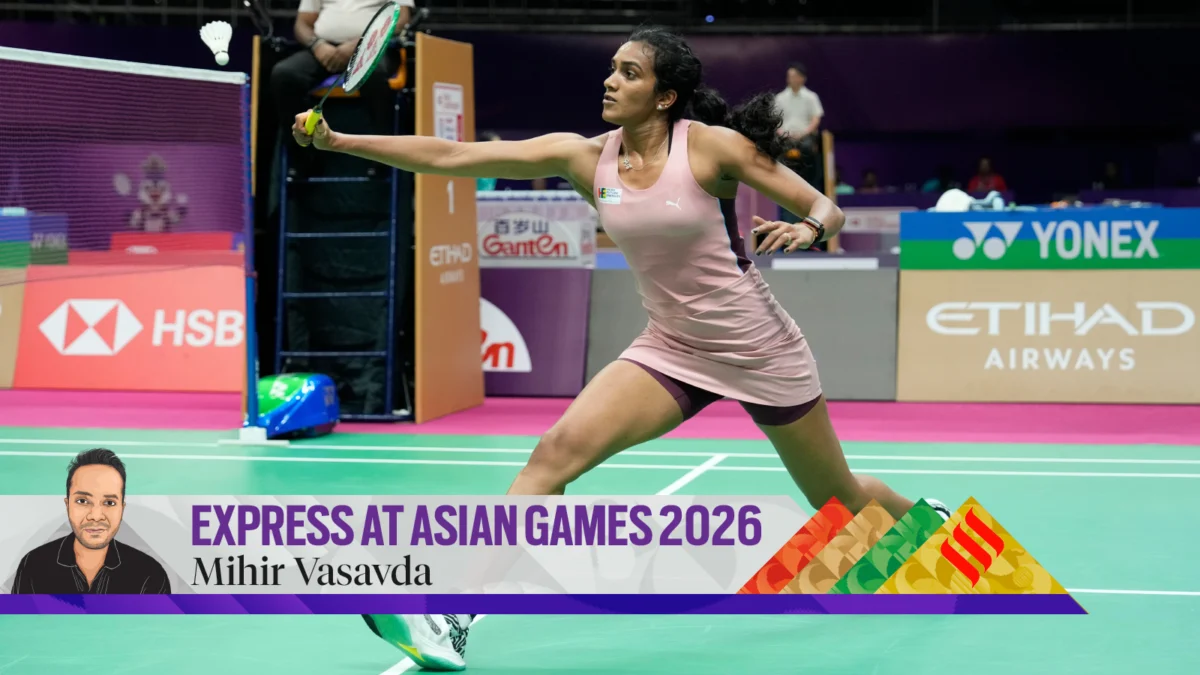
Hangzhou, China – The relentless grind of elite competition at the 19th Asian Games took a visible toll on athletes, with a chorus of complaints emerging from the badminton arena regarding what players described as a "gruelling" and "unorganised" schedule. Spearheading these concerns was India’s badminton star, PV Sindhu, whose quarter-final exit was, in her view, significantly hampered by an unforgiving turnaround time that left her physically and mentally depleted. Her experience was far from isolated, as a host of international shuttlers echoed similar frustrations, casting a critical spotlight on athlete welfare at major multi-sport events.
Sindhu’s Saturday was an extraordinary test of endurance, stretching from an afternoon start well into the early hours of Sunday. This unprecedented schedule, marked by delays and last-minute court changes, culminated in a late-night finish that severely compromised her recovery ahead of a crucial quarter-final match. The ripple effect of such logistical challenges, players argued, extended beyond mere inconvenience, directly impacting competitive performance and raising serious questions about the priorities of event organisers.
A Marathon Saturday for Sindhu
For PV Sindhu, one of India’s most decorated badminton players, Saturday, September 30th, unfolded into an ordeal unlike any she had experienced at a major championship. Her day was scheduled to begin at 3 PM, but the fluid nature of tournament play soon introduced a series of unforeseen delays and adjustments. Her first match faced an initial hold-up, pushing back its commencement. Subsequently, her second match of the day, originally slated for the main Court 1, was abruptly shifted to Court 2, adding another layer of disruption and requiring a change in preparation.
By the time Sindhu finally concluded her on-court duties and walked off the arena, the digital clock was edging precariously towards 1 AM on Sunday morning. The physical exertion of competitive badminton, combined with the mental drain of delays and uncertainties, had already taken a significant toll. Her journey back to her hotel, situated in the bustling city centre of Hangzhou, was protracted, meaning she could not finally reach her room until approximately 1:30 AM.
The athlete’s demanding schedule continued even off the court. After ordering a much-needed dinner – a meal consumed long past any conventional hour – she embarked on her essential post-match recovery routine, which typically involves ice baths, stretching, and consultation with her support staff. This meticulous process, critical for an elite athlete, pushed her bedtime back further, with Sindhu finally falling asleep at almost 3 AM.
Yet, the respite was painfully short-lived. Just six hours later, at 9 AM on Sunday, Sindhu was back up, readying herself to face China’s formidable Chen Yufei in the quarter-finals. The compressed timeline allowed for minimal restorative sleep, leaving little opportunity for her body to truly recover from the previous day’s extended battles.
Reflecting on the experience after her subsequent loss to Chen Yufei, Sindhu was unequivocal in her assessment. "I haven’t experienced something like this at a major championship," she stated, her voice tinged with frustration. "The scheduling was not really well organised, is what I feel." Her words articulated a sentiment shared by many, highlighting a critical flaw in the logistical planning of a premier international sporting event.
The Quarter-Final Clash: Fatigue Takes its Toll
The physical and mental residue of Sindhu’s arduous Saturday became starkly apparent in her quarter-final encounter against Chen Yufei on Sunday. Despite her inherent talent and fighting spirit, the gruelling demands of the previous day seemed to have caught up with her, noticeably impacting her performance on the court.
The match began with a glimmer of hope for the Indian contingent. Sindhu, displaying her characteristic power and precision, started brightly. She unleashed a barrage of sharp, steep smashes and exhibited a commanding presence, dominating the initial proceedings. This strong opening saw her comfortably clinch the first game with a score of 21-11, suggesting that her renowned resilience might yet overcome the fatigue.
However, as the match progressed into the second and third games, the effects of her severely truncated recovery period became increasingly evident. Chen Yufei, a tactically astute opponent, quickly adapted her strategy. Recognising Sindhu’s diminishing energy reserves, Yufei began to indulge in longer rallies, drawing Sindhu into protracted exchanges that demanded exceptional stamina and court coverage. This strategic shift proved highly effective. As the rallies extended, Sindhu’s movements gradually became less fluid, her reflexes a fraction slower, and the power behind her shots began to wane. The fresh vigour of the first game gave way to visible signs of exhaustion.
Ultimately, Sindhu succumbed to Yufei’s relentless pressure, losing the second game 18-21 and the decisive third game 10-21. Her defeat marked the conclusion of India’s badminton campaign at the Asian Games, bringing an end to the nation’s hopes for individual glory. The loss also carried a historical weight: it was the first time since the 2014 Asian Games that India failed to secure an individual medal in badminton, a sport where the country has consistently excelled on the international stage.
Just minutes before Sindhu’s exit, another Indian talent, Unnati Hooda, had also seen her women’s singles quarter-final journey end, falling to Japan’s Akane Yamaguchi with scores of 16-21, 21-14, 17-21. India’s only badminton medal came from the men’s team event, a bronze, underscoring the disappointment surrounding the individual performances.
While Sindhu refrained from directly attributing her loss solely to the scheduling, she made it clear that "inadequate recovery" was a significant contributing factor. Her nuanced statement underscored the intricate relationship between logistical planning, athlete well-being, and competitive outcomes. Her frustration, however, was far from unique, echoing a broader sentiment of discontent among players across various nations.
A Chorus of Discontent: Players Across Nations Speak Out
The challenging schedule in Hangzhou was not an isolated incident for PV Sindhu; it was a systemic issue that impacted numerous athletes across the badminton disciplines, sparking a wave of public complaints from some of the sport’s biggest names. These collective grievances painted a picture of an event struggling with the fundamental responsibility of athlete welfare.
Japan’s Naraoka: "Extremely Fatigued"
Japan’s Kodai Naraoka, a highly-ranked men’s singles player, also found himself caught in the scheduling squeeze. After playing two demanding matches on Saturday, he woke up on Sunday feeling "extremely fatigued." His experience highlighted the unrealistic expectations placed on athletes to perform at peak levels without sufficient recuperation. Naraoka voiced a common concern among players, stating, "We don’t usually practise playing two matches a day, so it was challenging to adjust." Elite athletes meticulously plan their training cycles to peak for major events, and an unexpected doubling of match load in a single day, followed by an immediate crucial fixture, disrupts this delicate balance significantly. The physical and mental toll of adapting on the fly, without the benefit of prior conditioning for such an intensity, directly compromises performance.
Indonesia’s Christie: "Very Disappointed"
The plight of Indonesia’s Jonatan Christie, a prominent men’s singles player, represented one of the most extreme cases. Christie concluded his third-round match at an astonishing 2 AM, mirroring Sindhu’s late finish. His subsequent routine was even more compressed: he only managed to get to bed at 3:30 AM. Despite the minimal sleep, he was back awake at 9 AM, scrambling to prepare for his next match. The sheer lack of rest left him profoundly affected. Following his defeat, Christie did not mince words, expressing his profound dissatisfaction with the organisers. "I’m very disappointed with the organiser. I think they have done a bad thing for the athletes. They don’t care about the athletes. That’s it," he declared, his blunt assessment reflecting a deep sense of betrayal and frustration. His powerful statement underscored a perception among athletes that their well-being was secondary to other logistical considerations.
Thailand’s Intanon: "Not Properly Recovered"
Thailand’s Ratchanok Intanon, a former world champion, also found herself battling against the clock. After playing two singles matches on Saturday, she reached her hotel at 11 PM. Like her peers, the early start to her match on Sunday morning against world No. 1 An Se-young of Korea left her with inadequate time for recovery. Intanon openly admitted the impact on her performance, stating, "My body was not very fit. After yesterday (two singles matches in one day), I was a bit tired, and we finished a bit late last night. Today we played quite early and I was not properly recovered." Even her opponent, the defending champion An Se-young, acknowledged feeling "tired," indicating the widespread nature of the issue.
China’s Tan Ning: Allegations of Unfair Treatment
The complaints extended beyond singles players, although they bore a significant burden, particularly those who had competed in the team event that concluded on Thursday before transitioning directly into the individual competition. Women’s doubles world No. 1 Tan Ning of China added another layer to the criticism, alleging that the organisers had treated complaints from different teams disparately. "I feel the schedule is unfair. We went to make an official complaint, but the chief referee didn’t do anything about it. But when the Japan team complained, they actually changed the time schedule," she told Chinese media. This accusation of preferential treatment, if substantiated, raises serious questions not only about athlete welfare but also about the fairness and integrity of the competition itself. Such allegations undermine trust in the officiating and organisational fairness, adding a divisive element to an already contentious situation.
Official Responses and Organisational Challenges
The barrage of complaints from high-profile athletes naturally brought the spotlight onto the event organisers and their handling of the badminton schedule. While players articulated their grievances with varying degrees of force, the official response, or lack thereof, became another point of contention.
Pre-Competition Schedule Revisions
It is noteworthy that the organisers had, in fact, revised the badminton schedule even before the competition officially commenced. On September 17th, the Aichi-Nagoya organising committee, responsible for the Games, announced changes to several sessions across different sports, citing adjustments in the number of participating athletes as the primary reason. For badminton specifically, the program for September 26th was altered, with the mixed doubles second round notably moved out of that particular session. This pre-emptive adjustment suggests that the organisers were aware of the complexities of scheduling a large-scale event and attempted to optimise it based on initial data. However, these early revisions evidently failed to prevent the subsequent issues that plagued the later stages of the tournament.
Silence Post-Complaints
Crucially, in the wake of the widespread and public complaints from athletes like Sindhu, Christie, Naraoka, Intanon, and Tan Ning, there has been no official explanation or statement from the organising committee. This silence has further exacerbated the frustration among players and observers, leaving a void where transparency and accountability might have been expected. The absence of a response implies either an inability to provide a satisfactory explanation, a reluctance to acknowledge fault, or a failure to adequately address the concerns of the athletes who are the very heart of the Games.
The Organisers’ Dilemma
While the players’ frustrations are undeniably valid, it is also important to acknowledge the immense complexities inherent in scheduling a major multi-sport event like the Asian Games. Organisers face a formidable task of balancing numerous competing factors:
- Venue Availability: Coordinating multiple sports across various venues, each with its own operational hours and logistical requirements.
- Broadcast Schedules: Meeting the stringent demands of international broadcasters, who often dictate specific time slots for key matches to maximise global viewership. This can often override athlete convenience.
- Large Number of Athletes and Matches: Managing thousands of athletes and hundreds of matches across different disciplines simultaneously.
- Unexpected Delays: Unforeseen circumstances such as injuries, extended matches, or technical glitches can create a domino effect, leading to significant delays that snowball through the schedule.
- Athlete Welfare vs. Practicalities: Striking a delicate balance between providing optimal rest and recovery for athletes and the practical realities of completing a vast tournament within a fixed timeframe and budget.
- Fairness Across Disciplines: Ensuring that no single sport or discipline is unduly favoured or disadvantaged in terms of scheduling.
Despite these inherent challenges, the repeated and vocal complaints from multiple top athletes underscore a fundamental failure in the planning and execution of the badminton schedule. While the task is undoubtedly difficult, the welfare of the athletes must remain paramount, and effective contingency planning for delays is crucial to prevent such widespread discontent.
The Deeper Impact: Recovery and Athlete Welfare
The scheduling controversies at the Asian Games underscore a critical aspect of elite sports: the profound importance of adequate recovery and its direct link to athlete welfare, competitive integrity, and long-term health.
The Science of Recovery
Sindhu’s observation that "Even though you think you are doing good, physically you might not be able to go there or you might not be able to play. When there are long rallies, definitely, yes, recovery. When you had a good thing, you would automatically, but your legs don’t move," perfectly encapsulates the physiological impact of insufficient rest. Elite badminton demands explosive power, lightning-fast reflexes, and exceptional cardiovascular endurance. After a strenuous match, an athlete’s muscles accumulate lactic acid, glycogen stores are depleted, and micro-tears occur in muscle fibres. Adequate sleep, nutrition, and recovery treatments (like ice baths, massage, and physiotherapy) are vital for the body to repair, replenish energy reserves, and reduce inflammation.
When recovery time is drastically cut short, as experienced by Sindhu and others, the body simply doesn’t have enough time to complete these essential processes. This leads to residual fatigue, decreased muscle power, impaired coordination, and slower reaction times. In a sport where milliseconds and millimeters can determine victory or defeat, these subtle impairments are catastrophic. Moreover, inadequate recovery significantly increases the risk of injury, jeopardising an athlete’s career and future participation. Overuse injuries, muscle strains, and joint problems become far more prevalent when the body is constantly pushed without sufficient time to heal.
Mental Fortitude vs. Physical Limits
While elite athletes are renowned for their mental fortitude and ability to push through discomfort, there are undeniable physical limits. Sindhu’s poignant question, "Three matches in 24 hours, is it some kind of, not just first time, mentally how do you prepare yourself? I think more than mentally, you need to recover," highlights this crucial distinction. While a strong mindset can help overcome minor hurdles, it cannot compensate for fundamental physiological exhaustion. The psychological toll of knowing your body is not at its best, coupled with the pressure of a major championship, can be immense. It transforms the challenge from one of skill and strategy into a battle against one’s own fatigued body, often leading to frustration, self-doubt, and diminished enjoyment of the sport. The mental energy expended simply managing the fatigue can detract from the focus needed for strategic play.
Competitive Integrity and Fairness
The scheduling issues also raise serious questions about competitive integrity and fairness. When some athletes are forced into gruelling, late-night, early-morning turnarounds while others enjoy more conventional and ample recovery periods, it creates an uneven playing field. Tan Ning’s specific complaint about differential treatment – where Japan’s team reportedly received schedule adjustments while China’s did not – directly challenges the principle of fair play. Such discrepancies can lead to accusations of bias and undermine the credibility of the competition, suggesting that outcomes might be influenced by factors other than pure athletic merit. Major sporting events are meant to be a test of skill, training, and talent under equitable conditions; a compromised schedule fundamentally violates this premise.
Looking Ahead: Lessons for Future Events
The widespread complaints from the Asian Games badminton event serve as a crucial learning opportunity for future major sporting events. Organisers must prioritise athlete welfare by:
- Robust Contingency Planning: Developing more sophisticated contingency plans for unexpected delays, including built-in buffer times and clear protocols for communicating changes to athletes and teams.
- Athlete-Centric Scheduling: Involving athlete representatives or sports federations more directly in the scheduling process to ensure that player well-being is a primary consideration, not an afterthought.
- Transparency and Communication: Maintaining open lines of communication with athletes and teams, particularly when schedule changes or delays occur, to mitigate frustration and allow for better preparation.
- Investment in Logistics: Allocating sufficient resources to logistics, transportation, and venue management to minimise delays and ensure smooth transitions for athletes.
- Review of Best Practices: Regularly reviewing and adapting scheduling best practices from other major international tournaments to learn from successes and avoid past mistakes.
By the time PV Sindhu left the stadium on Sunday, it was nearly 3 PM, bringing to a close a truly gruelling 24 hours. It encompassed not only three energy-sapping matches but also the heartbreak of an early exit, all shadowed by the lingering question of whether a more athlete-friendly schedule could have yielded a different outcome. The episode at the Asian Games serves as a stark reminder that in the pursuit of sporting spectacle, the fundamental health, well-being, and fair treatment of the athletes must always remain at the forefront of organisational planning.
